
The 5-Meal Rule That Helps Americans Cut Food Costs Fast
If you’ve ever checked your bank account and thought, “How did I spend this much on food?” — you’re not imagining things.
For many Americans, food has quietly become the biggest budget breaker. Not because people are eating extravagantly, but because prices have risen, habits have shifted, and convenience has taken over daily life.
Groceries cost more.
Takeout feels unavoidable.
And eating out has slowly turned from a treat into a routine.
The result?
A food budget that keeps growing — even when everything else feels tight.
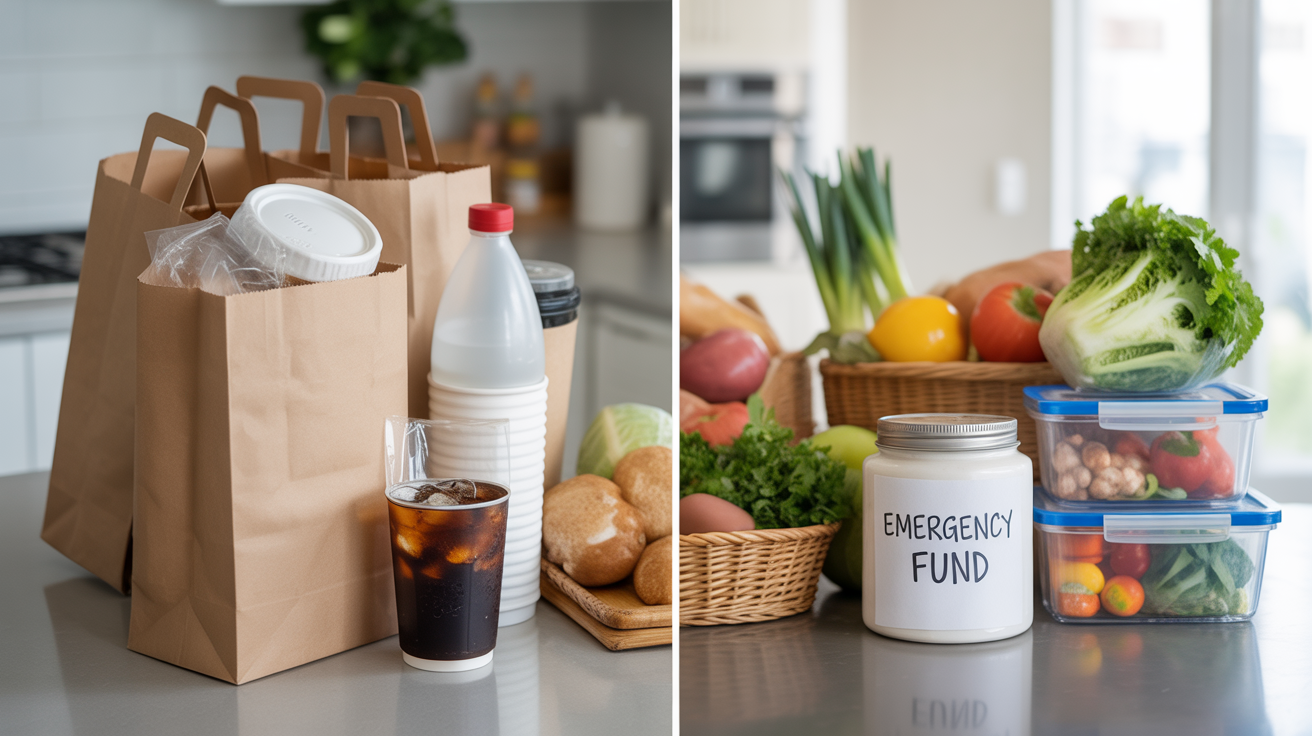
But cutting food costs doesn’t have to mean eating poorly, skipping meals, or living on rice and beans. In fact, the fastest progress often comes from one simple shift in how meals are planned.
It’s called the 5-Meal Rule — and for many households, it’s the easiest way to reduce food spending without feeling deprived.

Why Food Feels So Expensive Right Now
Food inflation has changed how Americans eat — and how much they spend — even when they don’t realize it.
A few things are happening at once:
-
Grocery prices remain higher than they were just a few years ago
-
Restaurant meals, delivery fees, and tips add up fast
-
Busy schedules make convenience food feel necessary
-
Small purchases (coffee, snacks, takeout) slip under the radar
Most people don’t overspend in one dramatic way. Instead, food costs creep up quietly — $12 here, $18 there — until the monthly total is shocking.
And because food is essential, it’s often the hardest category to control emotionally.
Why Traditional Food Budgets Don’t Work
Many budgeting systems fail people when it comes to food because they’re too rigid or unrealistic.
They assume:
-
Every meal will be cooked at home
-
Life will go according to plan
-
Motivation will stay high all month
But real life includes:
-
Long workdays
-
Low-energy evenings
-
Social plans
-
Stress and exhaustion
When a food budget doesn’t account for reality, people abandon it entirely — and spending rebounds even higher.
That’s where the 5-Meal Rule works differently.
What Is the 5-Meal Rule?
The 5-Meal Rule is simple:
Each week, you plan and commit to cooking just five main meals at home.
Not seven.
Not every lunch.
Not perfection.
Just five dinners (or main meals) you intentionally prepare.
The remaining meals are flexible:
-
Leftovers
-
Simple breakfasts
-
One or two convenience meals
-
Occasional takeout
This rule works because it creates structure without pressure — and pressure is what breaks most budgets.
Why the 5-Meal Rule Cuts Food Costs So Fast
Cooking at home is significantly cheaper than eating out — but the real savings come from reducing decision fatigue and waste.
When you plan five meals:
-
You shop with intention
-
You reduce impulse grocery purchases
-
You waste less food
-
You rely less on last-minute takeout
Instead of asking “What should we eat tonight?” every day, the answer already exists.
That single shift removes the biggest trigger for overspending on food.
The Hidden Cost of “Figuring It Out Later”
Many people don’t plan meals because they want flexibility. Ironically, that flexibility often becomes expensive.
Here’s what happens instead:
-
No plan → nothing defrosted
-
Nothing ready → hunger builds
-
Hunger → takeout or delivery
-
Delivery → higher cost + fees
The 5-Meal Rule doesn’t eliminate flexibility — it contains it.
You know that most nights are handled, so occasional spontaneity doesn’t derail the entire week.

How to Use the 5-Meal Rule Step by Step
Step 1: Choose Five Realistic Meals
These are not aspirational meals.
They are honest meals.
Think:
-
Meals you already know how to make
-
Meals your household will actually eat
-
Meals that don’t require specialty ingredients
Examples:
-
Pasta with vegetables or meat
-
Sheet-pan chicken and potatoes
-
Tacos or wraps
-
Stir-fry with frozen veggies
-
Soup or chili
If a meal feels “too much” after a long day, it doesn’t belong on this list.
Step 2: Overlap Ingredients on Purpose
This is where savings accelerate.
Choose meals that share ingredients:
-
One bag of onions for multiple dishes
-
One protein used two ways
-
One set of vegetables rotated
For example:
-
Roast chicken → dinner + leftovers
-
Leftover chicken → wraps or salad
-
Same vegetables used in two meals
This reduces waste and lowers your grocery bill without reducing portions.
Step 3: Designate Two “Low-Effort Nights”
Instead of pretending every night will be productive, plan for reality.
Low-effort nights might include:
-
Breakfast for dinner
-
Frozen meals
-
Sandwiches
-
Leftovers
-
One planned takeout night
When convenience is planned, it stops being expensive.
Step 4: Shop Once, With a Short List
With five meals planned, grocery shopping becomes faster and cheaper.
You’re no longer shopping for possibilities — you’re shopping for decisions already made.
This reduces:
-
Impulse purchases
-
Duplicate items
-
“Just in case” spending
Many people notice their grocery bill drops immediately — without buying less food.

Why This Rule Works Psychologically
The 5-Meal Rule works because it’s not all-or-nothing.
You’re not “failing” if:
-
You order takeout once
-
You swap meals
-
You skip a plan
You’re succeeding if:
-
Most meals are handled
-
Spending is lower
-
Stress is reduced
That sense of control builds confidence — and confidence sustains habits.
How Much Money Can This Actually Save?
Savings vary, but many Americans see:
-
$100–$250 less per month on food
-
Fewer emergency grocery runs
-
Less reliance on delivery apps
Over a year, that can mean thousands of dollars redirected toward:
-
Debt payoff
-
Emergency savings
-
Breathing room
And it happens without extreme sacrifice.
Common Mistakes to Avoid
🚫 Planning too many meals
🚫 Choosing complicated recipes
🚫 Ignoring energy levels
🚫 Expecting perfection
The goal is consistency, not control.
The Bigger Shift: Food as a System, Not a Struggle
When food spending feels chaotic, it creates stress that spills into other areas of life.
The 5-Meal Rule turns food into a system:
-
Fewer decisions
-
Less guilt
-
More predictability
And predictability is what budgets thrive on.
Small Structure Beats Big Willpower
Food isn’t killing your budget because you’re careless.
It’s killing your budget because life is busy, prices are high, and decisions are exhausting.
You don’t need discipline.
You need a lighter system.
Five planned meals a week is often enough to:
-
Cut costs
-
Reduce stress
-
Regain control
And once food spending stabilizes, everything else in your budget becomes easier to manage.
Read next: The 7-Day Money Reset That Shows Americans Where Their Paycheck Really Goes







Leave a Reply