
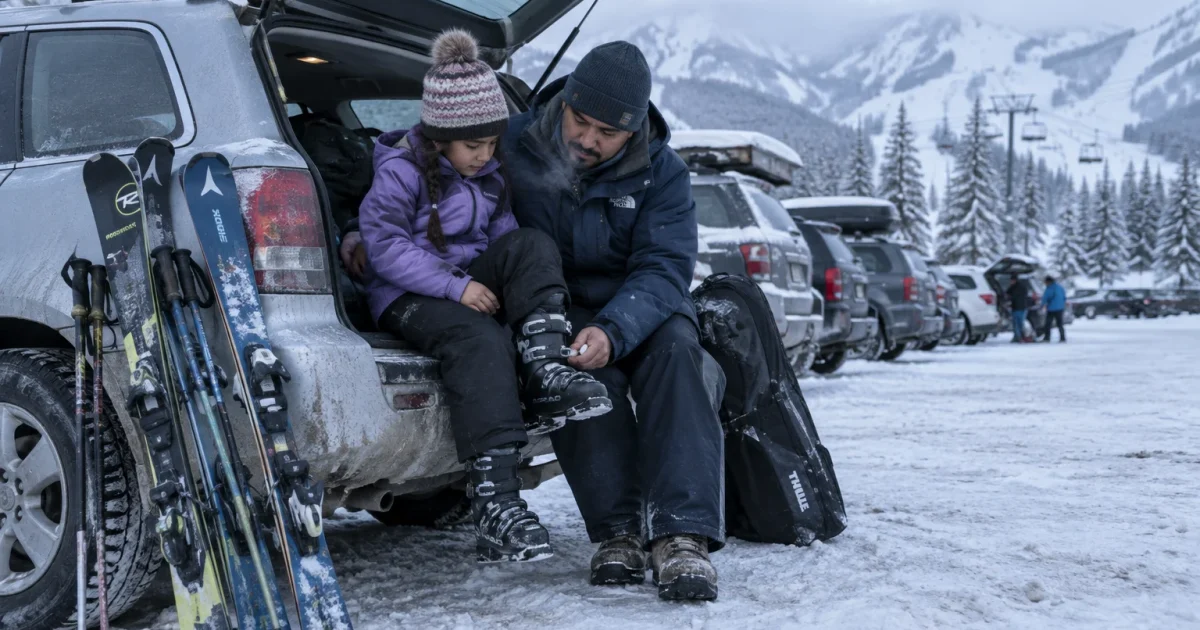
Walking up to a mountain ticket window can drain your vacation savings in a single morning. A family of four easily spends $1,500 for one day on the slopes before buying lunch.
Peak ticket prices, gear rentals, and mountain parking add up at a staggering pace. Knowing these costs upfront helps you avoid budget-busting surprises across Colorado.
You do not have to abandon your winter trip or drain your emergency fund. With tactical planning and alternative passes, you can protect your wallet on the mountain.
Why People Are Talking About This
Ski vacation costs have escalated rapidly across the American West over the past several seasons. Families who once enjoyed affordable winter getaways now face premium luxury price tags.
Major resort conglomerates have systematically reshaped mountain economics. Their subscription models intentionally penalize day visitors to lock in advance pass revenue months before snowfall.
As a result, standard walk-up rates at flagship mountains have reached unprecedented highs. Single-day lift tickets now cost more than multiple days of skiing did a decade ago.
Colorado serves as the epicenter for these dramatic price adjustments. Pricing trends established in Eagle and Summit counties quickly ripple across ski destinations throughout North America.
When a three-day weekend costs as much as a European tour, household budgeters take notice. Parents are reassessing traditional family ski trips and searching for smarter ways to hit the slopes.
Understanding how resort operators set their rates gives you a massive tactical advantage. You can navigate around high costs once you know how the system works.
The True Daily Breakdown for a Family of Four
Reaching a $1,500 daily total requires surprisingly little effort at a major Colorado resort. Let us examine the real math for two adults and two children during a standard ski day.
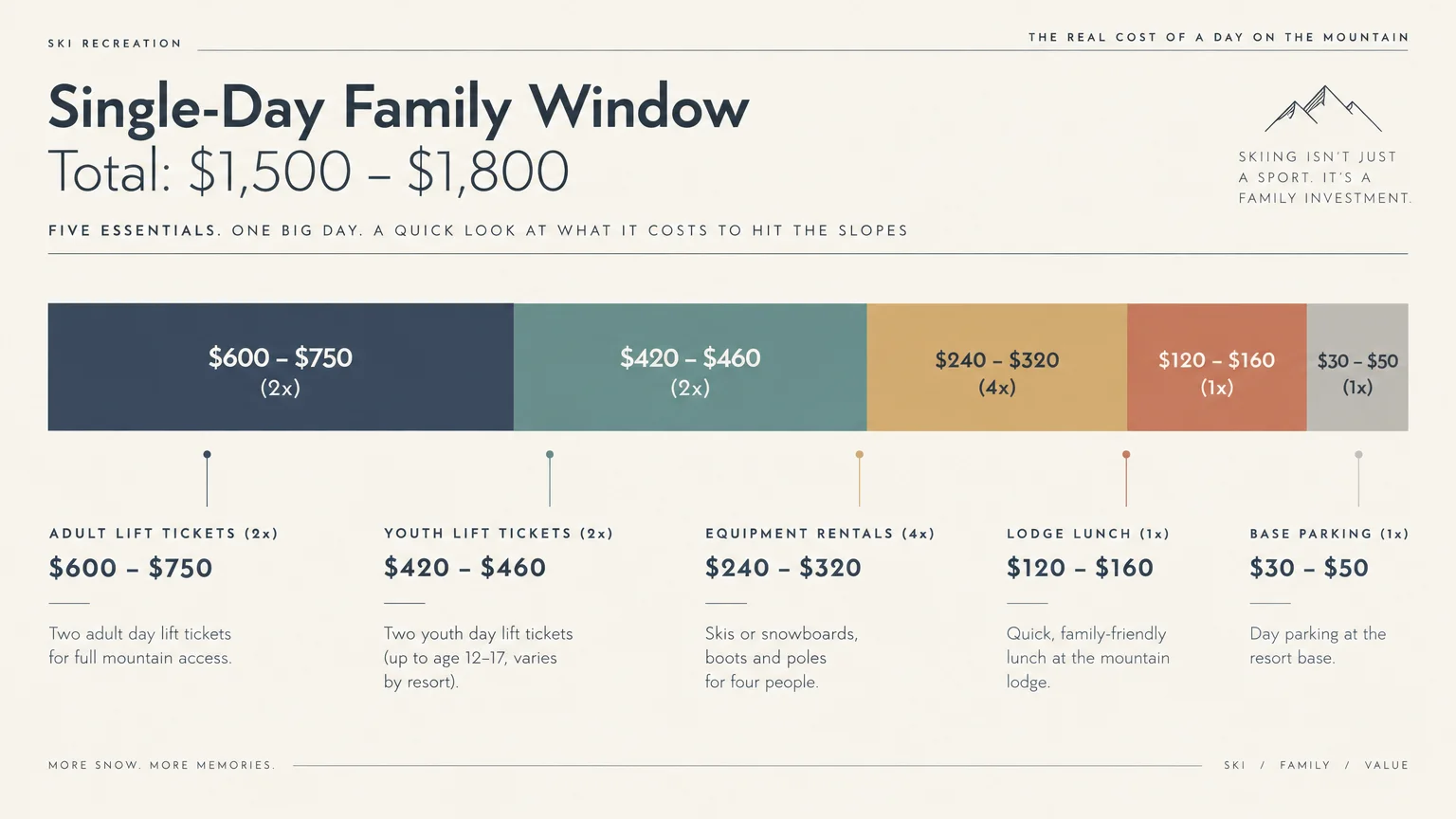
Slope access forms the single largest line item in your vacation budget. Two adult lift tickets at a premier mountain easily consume $600 to $750 combined.
Purchasing two youth lift tickets adds roughly $420 to $460 to the bill. Before your family steps onto the snow, ticket purchases alone often exceed $1,100.
Equipment rentals represent the next mandatory expense for traveling skiers. Basic ski, boot, and pole packages at base villages run $60 to $80 per person.
Outfitting four family members adds $240 to $320 to your morning expenses. Adding rental helmets for the kids increases that total by another $25 to $35 each.
Arriving at the mountain base introduces immediate parking fees. Preferred parking structures at flagship resorts charge between $30 and $50 for full-day vehicle access.
On-mountain dining brings another unavoidable wave of sticker shock. Counter-service burgers, fries, and fountain beverages quickly tally $30 to $40 per person at midday.
Feeding a family of four at a mid-mountain lodge regularly adds $120 to $160 to your day. Grabbing hot cocoa and energy snacks during afternoon breaks pushes food spending even higher.
When you tally lift access, rental gear, parking, and a simple lunch, you face a bill between $1,500 and $1,800. That calculation excludes hotel lodging, fuel, and highway toll fees.
Seeing these numbers laid bare explains why unassisted family trips feel financially overwhelming. Fortunately, proactive adjustments can slash every single one of these line items.
Comparing Single-Day Window Rates with Season Value
Single-day window tickets represent the least economical purchase in winter recreation. Resort operators use high walk-up prices to drive consumers into pre-season pass subscriptions.
Season passes and regional discount programs dramatically reduce your effective per-day cost. The key lies in matching your planned ski volume to the correct pass tier.
Reviewing verified 2026–2027 season pricing illustrates where break-even points actually occur. You can easily recoup pass investments within three to four days on the slopes.
| Pass or Ticket Option | Target Audience | Verified 2026–2027 Price | Breakeven Point vs. Window Tickets |
|---|---|---|---|
| Beaver Creek Peak Window Day | Single Adult Skier | $392 per day | 1 Day |
| Vail Mountain Peak Window Day | Single Adult Skier | $374 per day | 1 Day |
| Vail Standard Online Advance | Adult (Weekday / Weekend) | $307 to $335 per day | 1 Day |
| Epic Pass (Full Access) | Adults (Ages 31+) | $1,169 | 3.5 to 4 Days |
| Epic Local Pass | Adults (Ages 31+) | $809 | 2.5 to 3 Days |
| Epic Pass Young Adult Tier | Youth (Ages 13–30) | $929 | 3 Days |
| Ikon Pass (Full Access) | Adults (Ages 23+) | $1,529 | 4 to 5 Days |
| Ikon Base Pass | Adults (Ages 23+) | $1,099 | 3 to 3.5 Days |
| CSCUSA Gems Teen Pass | Teens (Ages 12–17) | $210 (20 Days Total) | Less than 1 Day |
| CSCUSA Ski Passport | Students (Grades K–6) | $76 (76 Days Total) | Less than half a day |
The table proves that buying tickets at the window represents financial self-sabotage. Even casual skiers achieve massive savings by selecting appropriate pass products ahead of time.
The Window Ticket Trap: Peak Rates at Flagship Resorts
If you travel without pre-purchased tickets, flagship Colorado destinations will charge premium rates. These walk-up window prices represent the absolute maximum ceiling of recreational pricing.
At Beaver Creek, peak walk-up lift tickets top out at $392 per day. Buying single tickets for two parents requires nearly $800 each morning before sales taxes.
Vail Mountain features peak window tickets reaching $374 per day. A six-day high-season adult pass at the Vail window totals an eye-popping $2,244.
Booking online in advance offers only modest relief at corporate resorts. Standard online sample pricing at Vail costs roughly $307 on weekdays and $335 on weekends for adults.
Children aged 5 to 12 cost $212 on weekdays and $231 on weekends online at Vail. Even discounted advance rates will quickly strain an unprepared family vacation budget.
Flagship resorts justify these rates through massive lift networks, luxury amenities, and pristine grooming. However, families paying window rates end up subsidizing the low daily rates of pass holders.
Avoid the window trap entirely by securing passes before resort deadlines pass. Skipping the ticket window represents the easiest single way to protect your finances.
Mega-Pass Economics: Epic vs. Ikon for Families
Mega-passes dominate modern ski travel by bundling dozens of mountains onto a single digital card. For families planning multi-day vacations, these passes provide the highest return on investment.
Vail Resorts prices the standard adult Epic Pass at $1,169 for skiers aged 31 and older. If you plan to ski four days at flagship resorts, this pass pays for itself.
A newly introduced Epic Pass discount tier costs $929 for skiers aged 13 to 30. Epic passes for children aged 5 to 12 cost $599 for the 2026–2027 season.
If your family can travel during non-holiday periods, consider the Epic Local Pass. It launched at $809 for adults and $649 for teens and young adults aged 13 to 30.
The competing Ikon Pass costs $1,529 for adults aged 23 and older. The Ikon Base Pass provides extensive access for $1,099 following its autumn price increase.
Access rules for Colorado mountains provide notable value on the Ikon Base Pass this winter. Arapahoe Basin now offers unlimited skiing with zero holiday blackout restrictions.
Furthermore, Snowmass returned to the Ikon Base Pass for the first time in six years. Pass holders receive five days of access, subject only to standard holiday blackout dates.
Remember that both Epic and Ikon passes stop sales in early December. Failing to buy passes during the autumn months forces you directly into high window rates.
Hidden Budget Busters: Mountain Parking and Municipal Fees
Lift tickets represent only the beginning of mountain overhead. Parking fees have quietly become one of the steepest daily costs in Colorado resort corridors.
According to the Town of Vail, paid winter parking operates from November 20, 2026, through April 18, 2027. Drivers park free only during early season opening week.
Parking in the Vail Village and Lionshead structures costs $10 per hour after the first hour. Daily rates cap at $30 on standard days and jump to $50 during peak dates.
Overnight parking in Vail village structures costs $60 per night. Parking your rental vehicle for three peak days can easily consume $150 of your recreation budget.
Other mountains deploy parking reservation systems to manage valley highway congestion. According to Arapahoe Basin, parking reservations run on weekends and holidays from January 2 through May 2, 2027.
General parking at Arapahoe Basin costs $20 per vehicle for weekend visitors. However, parking remains free on weekdays, after 1:00 p.m., and for carpools carrying four or more passengers.
Copper Mountain charges for close interior parking, where seasonal parking passes sold out at $899. Families can save money by utilizing the exterior Alpine and Far East lots, which remain free.
At Eldora Mountain, single-occupancy vehicles pay a $10 fee on weekends, holidays, and powder days with 10 inches of snow. High-occupancy vehicles carrying three or more people park free in priority areas.
Many Colorado resorts offer specific exemptions that eliminate parking fees for prepared visitors. Look for these parking policies before you leave your lodging:
- Arapahoe Basin offers free parking for carpools carrying four or more passengers.
- Copper Mountain provides complimentary shuttle access from its exterior Alpine and Far East lots.
- Eldora Mountain waives its $10 weekend fee for vehicles with three or more occupants.
- Town of Vail structures provide the first hour of parking completely free.
The Lesson Expense Shock: Private Coaching vs. Group Programs
Ski school costs often catch traveling parents off guard. Paying for professional instruction can double the cost of your family ski day if you choose the wrong format.
At premier destinations like Vail and Breckenridge, full-day private lessons routinely exceed $1,000. These private packages provide dedicated coaching but do not include lift tickets or equipment rentals.
Even regional independent resorts command significant rates for specialized instruction. Monarch Mountain provides an excellent baseline for standard industry lesson pricing.
A 2.5-hour children’s private lesson at Monarch costs $299 during the low season. Standard dates run $339 to $359, while peak holiday dates reach $379 to $399.
These figures highlight why private lessons remain a luxury for budget-conscious families. Booking multi-child private coaches only works financially if you can split costs with another family.
Half-day group lessons provide a far more economical alternative for young beginners. Group programs teach vital safety and stopping skills while keeping instruction expenses within reason.
State-Specific Pass Secrets: Gems Cards and Youth Passports
Colorado offers unique regional pass programs designed to keep skiing accessible for young families. Knowing about these state-specific programs saves hundreds of dollars compared to corporate passes.
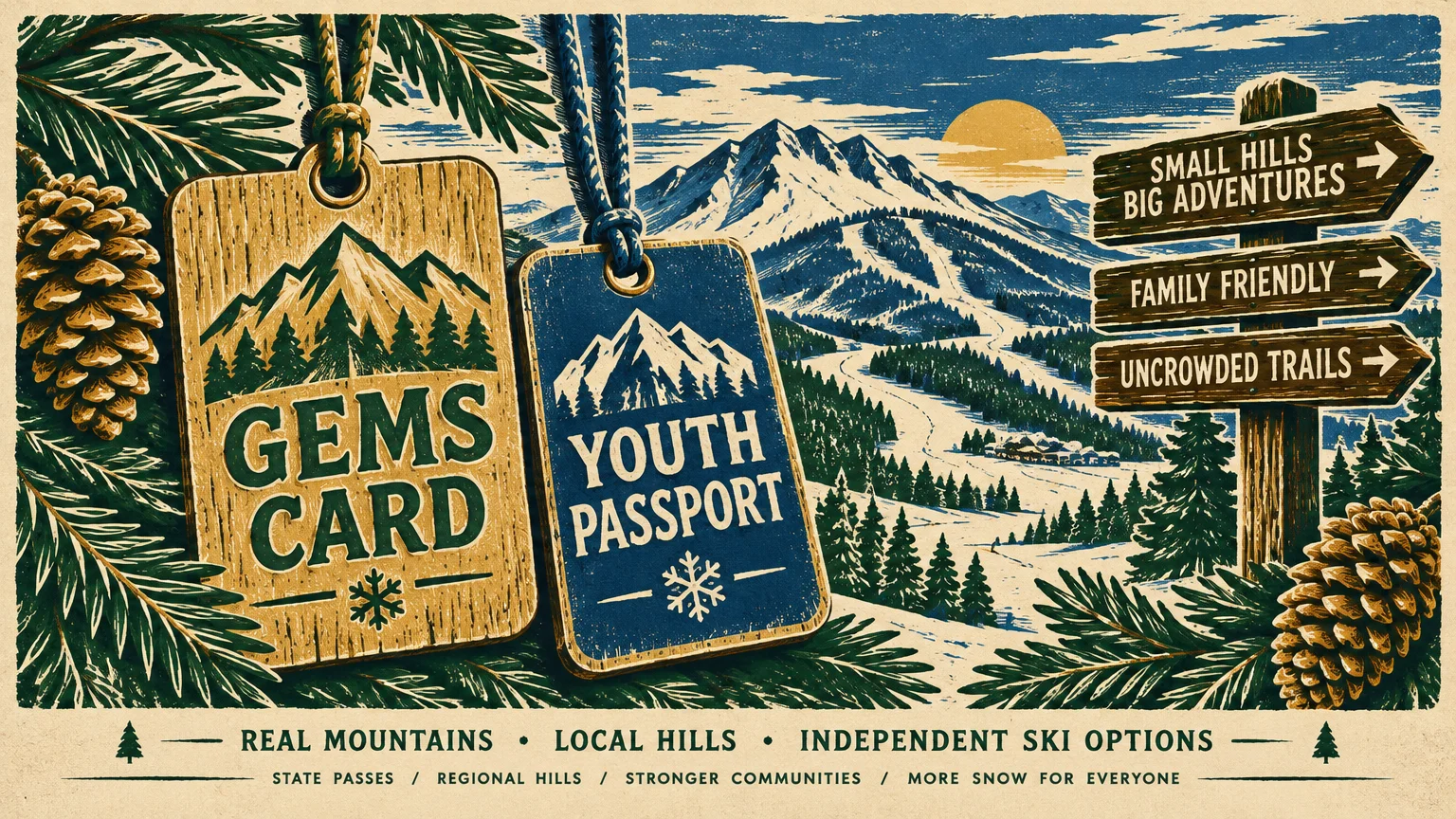
According to Colorado Ski Country USA, the Ski Passport celebrates its 30th season serving children in grades kindergarten through sixth grade. The pass costs only $76.
The Ski Passport grants four full days of skiing at each of 19 participating Colorado mountains. That provides 76 total ski days plus two free junior gear rentals from Christy Sports.
For older children, the Gems Teen Pass serves skiers aged 12 to 17 for $210. It provides two days at each of 10 designated Gems mountains, totaling 20 ski days.
Families buying a Ski Passport or Teen Pass can also buy one Gems Parent Pass for $350. This gives parents 20 total ski days across 10 participating independent resorts.
Sales for the Passport, Teen Pass, and Parent Pass end on January 31, 2027. Purchasing these passes early in winter ensures your family locks in peak mountain access.
If you only plan a brief trip, buy the CSCUSA Gems Discount Card for $50. It provides member-only lift ticket prices ranging from $39 to $129 per day.
The Gems Card grants two discounted days at each of 10 independent Colorado mountains. Participating resorts include Loveland, Monarch, Cooper, Sunlight, Powderhorn, Purgatory, Granby Ranch, Eldora, Echo Mountain, and Arapahoe Basin.
Watch for Gems Card blackout dates: December 25, 2026, through January 1, 2027; January 16–17, 2027; and February 13–14, 2027. Avoiding those holiday windows protects your budget.
Eligible young skiers can also explore the Epic SchoolKids Colorado Pack. This free program offers 20 total days across five premier resorts for elementary students in grades kindergarten through fifth grade.
While registration for 2026–2027 closed on October 7, 2026, parents can register next spring for 2027–2028. Planning a year ahead guarantees free access to premier mountain terrain.
Independent Resorts and Free Beginner Initiatives
Stepping away from mega-resorts opens the door to authentic, affordable mountain communities. Independent Colorado ski hills focus on pure recreation without corporate retail markups.
Powderhorn Mountain Resort on the Grand Mesa offers one of the nation’s best beginner values. Their Bob Beverly Free Learn-to-Ski program serves first-time skiers aged eight and older.
This program delivers up to three days of free rentals, lift tickets, and beginner group instruction. You only pay a $19 session deposit, which applies toward a $99 Rookie Season Pass.
Mountains like Ski Cooper near Leadville offer uncrowded slopes and naturally divided beginner terrain. Their adult tickets cost a fraction of corporate prices, and parking remains free.
Monarch Mountain sits along the Continental Divide and relies entirely on natural snowfall. Monarch avoids snowmaking surcharges, keeping day tickets and food pricing affordable for visiting families.
Sunlight Mountain Resort near Glenwood Springs bundles affordable lift access with family ski packages. Staying in nearby Glenwood Springs also provides access to budget hotels and natural hot springs.
Gear Rental Tactics: Base Area Markup vs. Front Range Savings
Renting ski equipment at resort base villages carries significant convenience premiums. Shops located steps from the chairlift charge top dollar for standard recreational gear packages.
You can reduce rental expenses by outfitting your family along Colorado’s Front Range before driving into the mountains. Retailers in Denver, Lakewood, and Golden rent equipment at substantially lower daily rates.
Renting in the city saves up to 40 percent compared to on-mountain village shops. It also lets you bypass chaotic base area rental queues on your first morning.
If your family plans multiple winter trips, explore seasonal junior gear leases. Independent shops rent complete youth packages for the entire winter at flat seasonal rates.
Seasonal rentals let children swap boots if their feet grow mid-season without incurring extra fees. You simply return the equipment in April once the ski season concludes.
Always inspect rental bindings, boots, and helmet fits before leaving the rental shop floor. Catching fit issues early avoids frustrating delays once you arrive at the mountain.
Mountain Food Economics: Beating High-Altitude Dining Bills
Mid-mountain cafeterias generate massive profit margins from captive, hungry skiers. Paying resort prices for daily lunches quickly adds hundreds of dollars to your vacation bill.
Counter-service meals at high-elevation lodges routinely charge $25 for basic burgers and fries. Bottled water and soda frequently cost $6 to $8 each.
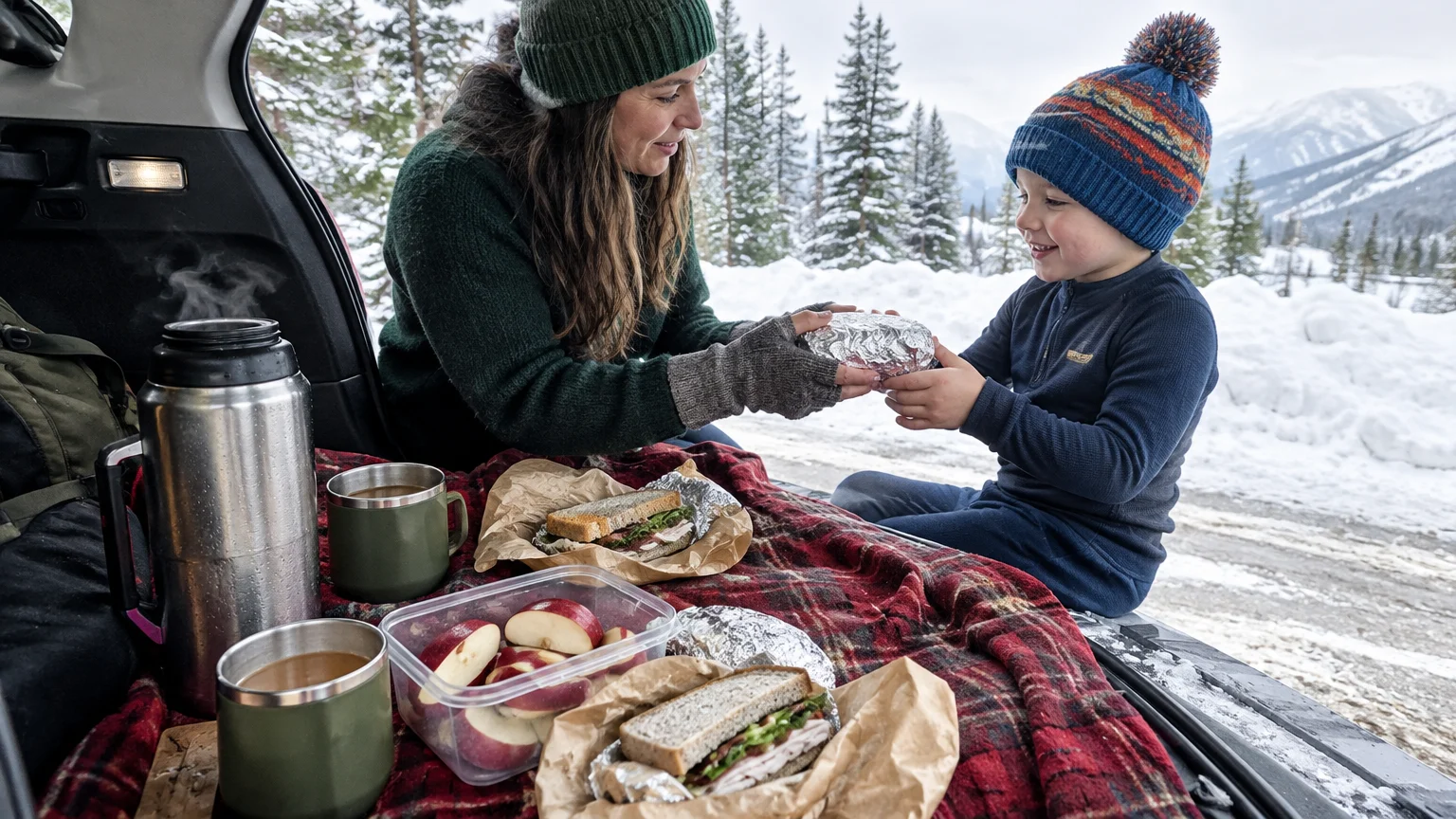
You can sidestep food inflation by packing high-protein lunches and insulated water bottles in a small backpack. Most resort lodges permit visitors to rest and consume their own snacks inside.
Alternatively, join the long-standing Colorado tradition of base-area parking lot tailgating. Returning to your vehicle for a warm midday lunch provides a relaxing, cost-free family break.
Stock up on groceries at supermarkets in valley towns like Silverthorne, Frisco, or Glenwood Springs. Avoiding resort village convenience stores keeps your snack and breakfast spending under control.
Equipping your family with insulated thermos containers lets you enjoy hot soup or chili on the mountain. You save money while skipping crowded cafeteria lines during the noon rush.
Transportation and Lodging: Base Village vs. Valley Corridor
Slope-side lodging commands luxury rates that can easily surpass $500 to $1,000 per night during winter. Staying in resort villages also forces you to pay steep nightly valet fees.
Families can save thousands by booking accommodations in secondary valley towns along major highway corridors. Towns like Frisco, Silverthorne, and Dillon offer convenient access to multiple Summit County mountains.
Free public transit networks link these valley communities directly to resort bases. The Summit Stage transit system transports skiers across Summit County without parking fees or fuel costs.
If visiting Eagle County resorts like Vail or Beaver Creek, explore lodging options in Avon, Edwards, or Eagle. You avoid steep village lodging taxes while remaining within a short drive of the lifts.
For travelers flying into Denver International Airport, regional buses eliminate rental car and parking costs entirely. Public transit services drop skiers directly in mountain transit centers for reasonable fares.
Avoiding a rental vehicle also eliminates the stress of driving through severe winter storms on Interstate 70. You save money and travel safely with professional mountain drivers.
Things to Watch Out For
Navigating mountain expenses requires careful planning to prevent sudden budget overruns. Watch out for these four common financial hazards before packing your ski gear.
Buying lift tickets at the window on arrival. Walking up to purchase day tickets at the resort guarantees you pay the maximum rate possible. Secure passes or online tickets weeks before traveling.
Overlooking holiday blackout dates on budget cards. The CSCUSA Gems Discount Card restricts access during Christmas week and holiday weekends in January and February. Using a restricted card during peak dates forces window purchases.
Missing pre-season pass purchase deadlines. Epic Pass prices increase on November 15, 2026, and pass sales end entirely in early December. If you miss these cutoffs, season pass discounts disappear.
Ignoring parking reservation rules and fees. Arriving at Arapahoe Basin on a weekend without a parking reservation can result in turned-away vehicles. Verify parking rules and carpool discounts before leaving your lodge.
Driving single-occupancy vehicles to the mountain. Resorts like Eldora penalize solo drivers with $10 parking fees on weekends and powder days. Packing your car with three or more passengers unlocks free priority parking.
When DIY Isn’t Enough
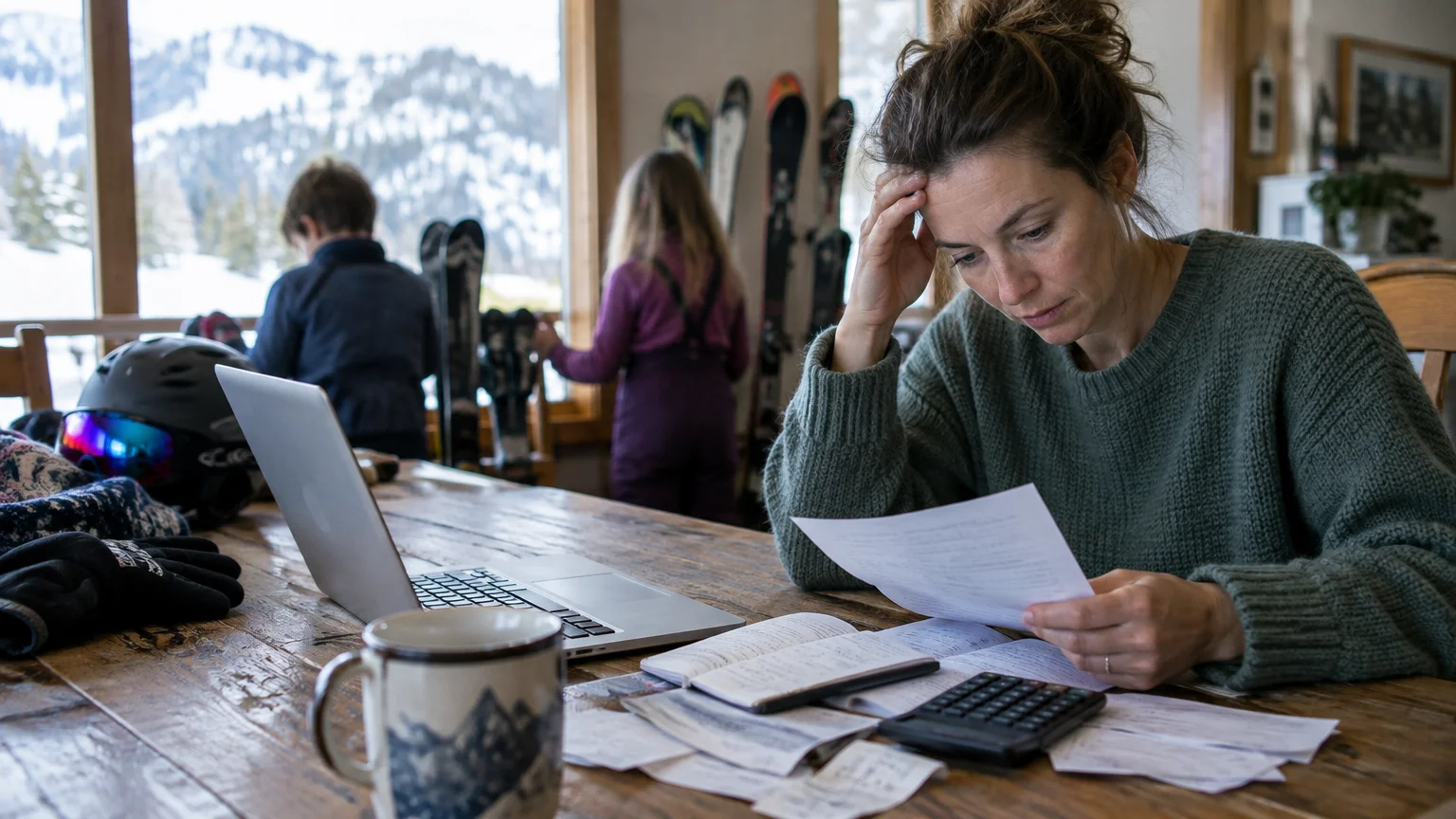
While basic vacation budgeting is simple, larger financial decisions tied to winter sports require specialized expertise. Consider consulting licensed professionals in these specific scenarios.
Evaluating winter travel insurance policies. Non-refundable lodging, expensive season passes, and severe blizzards expose families to notable financial risk. A licensed insurance professional can help you choose coverage that protects against blizzard cancellations.
Navigating tax residency for extended remote work stays. Working remotely from Colorado ski towns for weeks can trigger complex state income tax withholding requirements. A certified public accountant can help you maintain multi-state tax compliance.
Investing in mountain real estate or fractional condos. Buying resort property involves complex HOA assessments, short-term rental limits, and high depreciation deductions. Consult a real estate attorney and a tax advisor before signing purchase agreements.
Balancing luxury recreation with long-term retirement savings. Spending thousands of dollars each winter on alpine travel can divert vital funds from investment accounts. A fee-only financial planner can help balance recreation with future wealth goals.
Frequently Asked Questions
Why are Colorado lift ticket prices so high at the window? Resort operators set high walk-up prices to push skiers into buying season passes months before winter begins.
This subscription strategy provides resorts with guaranteed pre-season revenue regardless of actual winter snowfall conditions.
Can an average family ski in Colorado on a budget? Yes, families can control costs by visiting independent resorts and taking advantage of state-specific youth passes.
Choosing mountains like Monarch, Ski Cooper, or Loveland keeps ticket, parking, and dining expenses well within reason.
What is the cheapest way for kids to ski in Colorado? The Colorado Ski Country USA Ski Passport gives elementary students in grades K–6 up to 76 days of skiing for $76.
It also includes two free equipment rental packages from Christy Sports, making it the most cost-effective youth pass available.
When do Epic and Ikon passes stop selling for the season? Both major pass programs conclude sales during the first week of December each winter.
Pass prices also jump in mid-November, so you should finalize your purchases during the autumn months to save money.
Do you have to pay for parking at Colorado ski resorts? Many flagship resorts charge up to $50 daily for close parking, but carpooling and exterior shuttle lots often remain free.
Resorts like Eldora and Arapahoe Basin waive fees for high-occupancy carpools, while smaller independent mountains rarely charge for parking.
Smart Spending Strategies for Mountain Families
Taking your family skiing in Colorado does not require draining your emergency savings or carrying credit card balances. By rejecting high window rates and choosing regional passes, you keep mountain adventures affordable.
Focus on independent resorts, pack lunches, and secure your passes before early winter deadlines. With disciplined planning, you can build lifelong winter memories while keeping your household budget completely intact.
This is general informational content based on widely accepted guidance. Individual results vary. Verify current details—rules, prices, eligibility, regulations—with official sources before making important decisions.
Last updated: November 2026. Rules, prices, and details change—verify current information with official sources before acting on it.






Leave a Reply