
The 5 Poorest States in the US
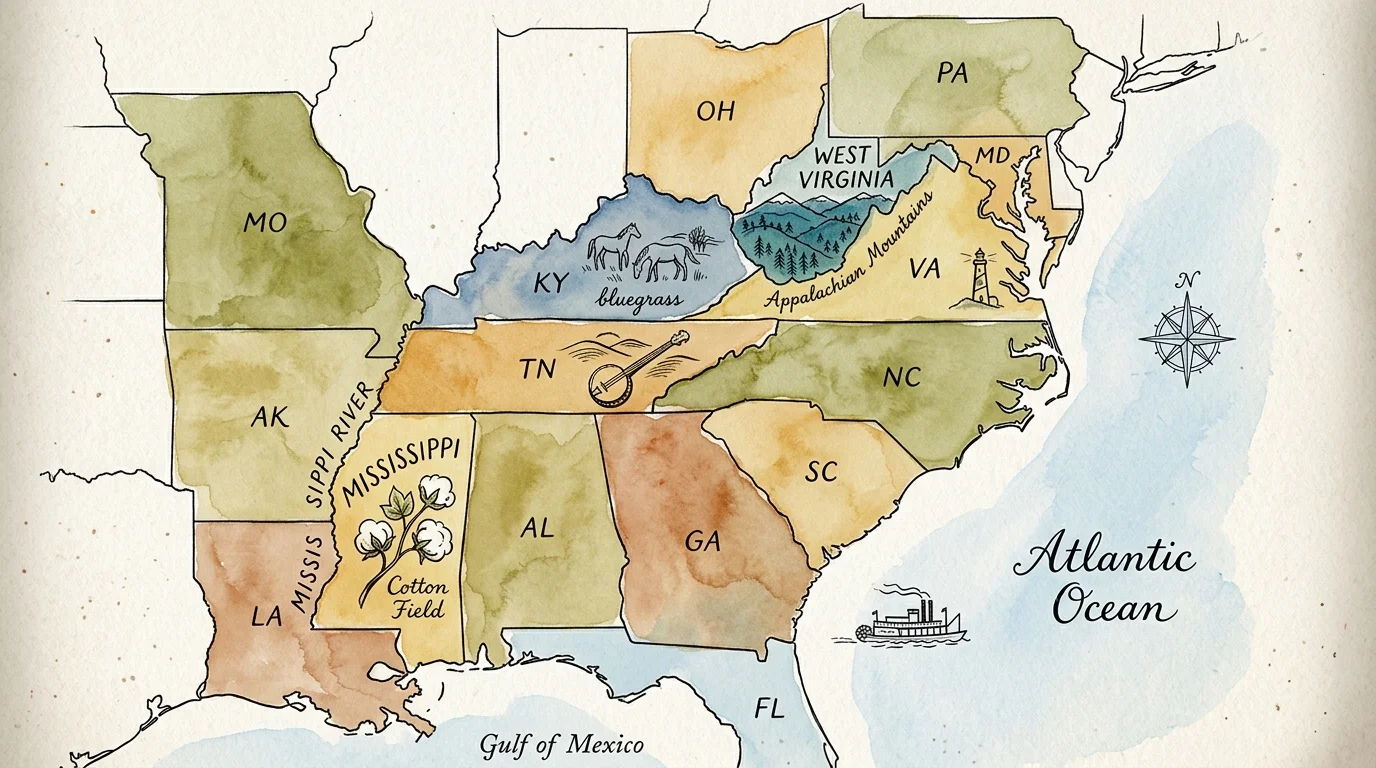
Based on the latest Census Bureau median household income data and statewide poverty rates, the following five states rank at the bottom of the national economic ladder. While these areas face structural economic challenges, they also offer some of the most affordable living conditions in the entire country.
1. Mississippi
Mississippi consistently ranks as the poorest state in the nation. With a median household income hovering around $59,127, the typical household here earns significantly less than the national average. Consequently, the state struggles with a high poverty rate; roughly 18 percent of Mississippi residents live below the federal poverty line.
The state’s economy is heavily anchored in agriculture, with over one-third of its land dedicated to farming. While agriculture, manufacturing, and fishing provide a steady baseline of employment, these industries generally do not support the rapid wage growth seen in the technology or financial sectors of wealthier states.
This lack of economic diversification makes the local job market particularly vulnerable to severe weather events and broader economic downturns. However, the tradeoff for residents is an extraordinarily low cost of living. Housing, groceries, and utilities in Mississippi cost a fraction of what they do in the national metro areas.
2. West Virginia
West Virginia follows closely behind Mississippi, reporting a median household income of approximately $57,900 to $58,000, depending on the specific Census survey metric used. The state has an enduring legacy tied to coal mining and heavy manufacturing. As the national energy sector has aggressively shifted away from coal over the past few decades, West Virginia has faced immense difficulty transitioning its workforce into new, high-paying industries.
Beyond the shift in the energy sector, West Virginia grapples with demographic challenges. The state has an aging population, and a significant portion of its younger, educated workforce often leaves for neighboring states in search of better career opportunities—a phenomenon economists refer to as “brain drain.”
Despite these hurdles, West Virginia boasts strong community networks, stunning natural landscapes, and housing prices that make homeownership highly accessible for workers earning the median wage.
3. Louisiana
Louisiana is a state of stark economic contrasts. While cities like New Orleans drive significant tourism revenue and the state holds massive oil and natural gas infrastructure, the median household income remains heavily depressed, frequently landing between $52,000 and $58,000 in recent federal estimates. Around 18 percent of Louisiana’s population lives in poverty.
The state’s reliance on the energy sector means that global fluctuations in oil prices have an immediate, outsized impact on local employment and state tax revenues. Furthermore, Louisiana’s geographic location leaves it highly exposed to devastating hurricanes.
Rebuilding infrastructure and homes after severe storms places a recurring financial burden on both the state government and individual households. Insurance premiums for homeowners and drivers in Louisiana are among the highest in the nation, which actively eats into the disposable income of its residents.
4. Arkansas
Arkansas reports a median household income of roughly $58,700, placing it firmly in the bottom tier of US states. Much like Mississippi, Arkansas has a heavily rural population and an economy deeply rooted in agriculture and traditional manufacturing.
While the state is famously home to the corporate headquarters of retail giant Walmart, the broader statewide economy struggles to generate high-wage professional jobs outside of its specific corporate hubs.
Educational attainment plays a massive role in the state’s economic standing. A lower percentage of Arkansas residents hold bachelor’s or advanced degrees compared to the national average, which limits the state’s ability to attract lucrative technology and biomedical companies. That said, Arkansas offers immense financial relief when it comes to daily expenses, featuring some of the cheapest real estate and lowest property tax rates in the entire country.
5. New Mexico
New Mexico stands out on this list because its economy differs significantly from the agricultural and manufacturing bases of the South and Appalachia. With a median household income floating between $54,000 and $62,000 depending on the survey year, New Mexico pairs high poverty rates with a heavy reliance on federal government spending. The state is home to major military bases and national research laboratories, which provide high-paying scientific and defense jobs.
The core issue in New Mexico is the sharp divide between its specialized government workforce and the broader civilian population. Outside of these federal hubs, the state is vastly rural, and many communities lack access to robust private-sector employment.
Additionally, rural parts of New Mexico face ongoing struggles with infrastructure development, water scarcity, and access to advanced healthcare facilities.








Leave a Reply