
“Just eat healthier” is advice Americans hear constantly — from doctors, influencers, food labels, and well-meaning friends. On the surface, it sounds simple. Choose fresh food. Cook more. Avoid junk. But for millions of people across the United States, eating “healthy” doesn’t feel like a lifestyle choice — it feels like a luxury.
When grocery bills rise faster than wages, when time is scarce, and when the cheapest food fills you up the fastest, healthy eating can start to feel unrealistic, frustrating, or even impossible. This isn’t a personal failure. It’s the result of how the modern food system, economy, and daily life intersect.
So why does eating well feel so expensive? And why do so many Americans feel priced out of “healthy” choices? The answer is layered — and much more complex than simply “buy better food.”
1. Calories Are Cheap — Nutrition Is Not
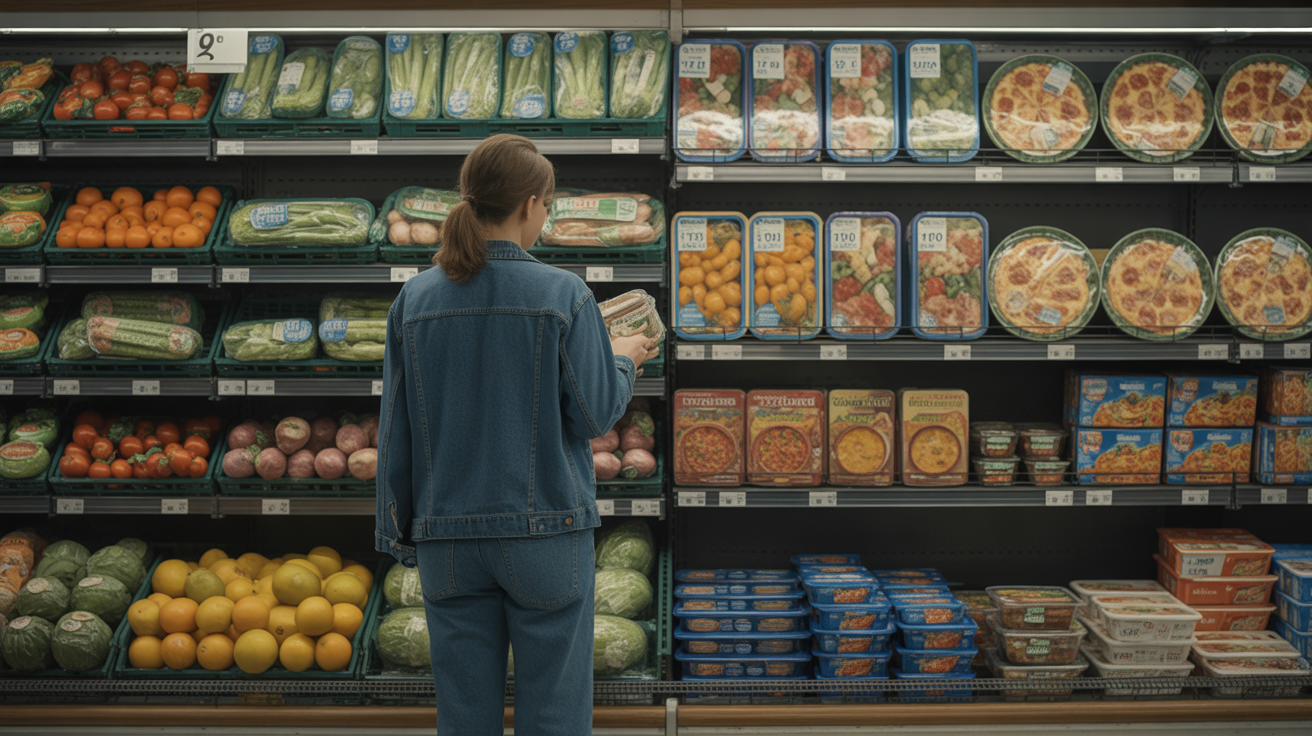
One of the biggest reasons unhealthy food feels more affordable is how we subconsciously calculate value. Most people don’t think in terms of vitamins, fiber, or micronutrients when shopping. They think in terms of how long the food will last and how full it will make them.
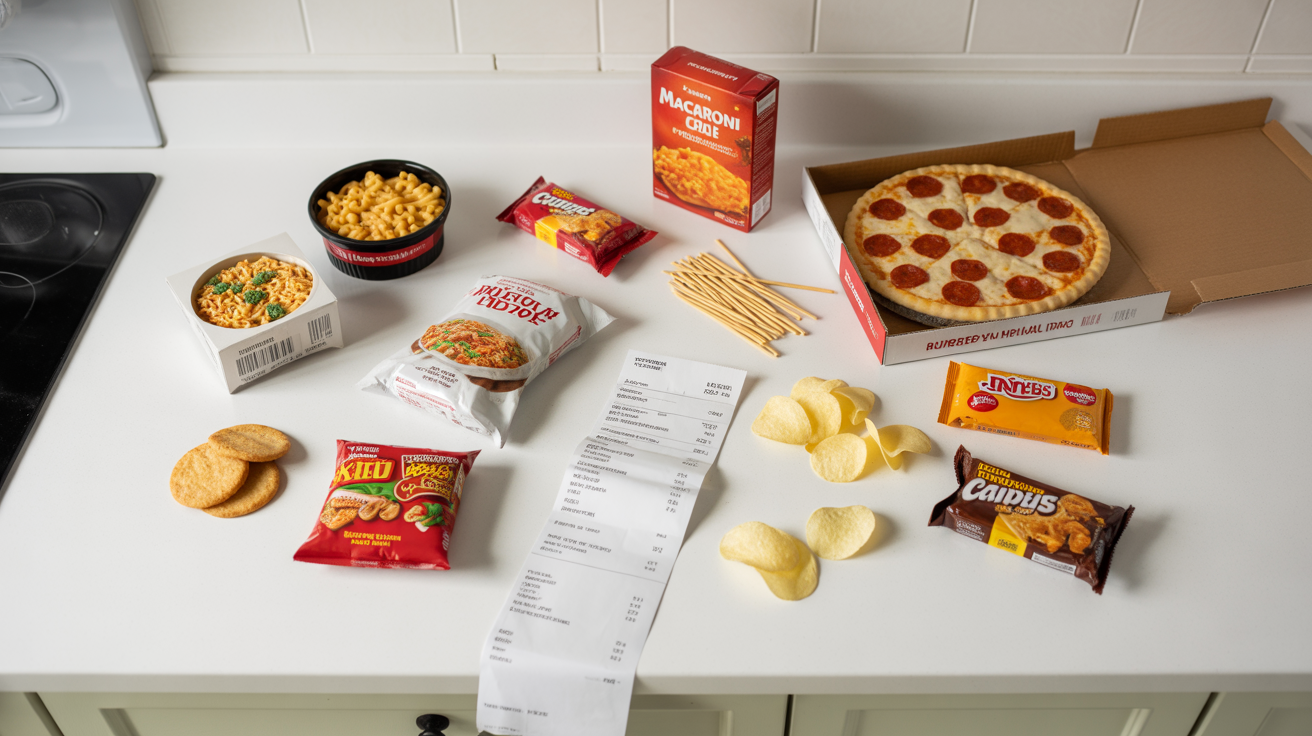
Ultra-processed foods — white bread, pasta, boxed meals, sugary snacks — deliver a high number of calories for a very low price. Fresh fruits, vegetables, lean meats, and whole grains, on the other hand, often provide fewer calories per dollar.
When money is tight, calorie density wins.
If a family has to make $50 last the week, they are naturally drawn toward foods that stretch meals and keep hunger away. A bag of rice or a frozen pizza may feel like a better deal than a small container of berries or a few chicken breasts, even if the latter is more nutritious.
The result? Healthy food appears expensive — not because it lacks value, but because our food system rewards calories, not nourishment.
2. “Healthy” Depends on How You Measure Cost
The debate around food affordability often misses an important detail: what exactly are we measuring?
Healthy food can be:
-
More expensive per calorie
-
More expensive per meal
-
Less expensive per nutrient
Fresh vegetables might cost more per serving, but they offer vitamins, minerals, and fiber that processed foods lack entirely. However, nutrients don’t satisfy hunger in the same immediate way calories do — and they don’t always justify the price in the moment.
This creates a psychological disconnect. People understand that healthier foods are “better,” but the benefit feels abstract when budgets are tight and stomachs are empty.
Add food waste into the equation — produce that spoils before it’s eaten — and the perceived value of fresh food drops even further.
3. Time Is a Hidden Cost Most Budgets Ignore
Affordability isn’t just about money. It’s also about time, energy, and mental bandwidth.
Healthy eating usually requires:
-
Planning meals
-
Grocery shopping intentionally
-
Cooking regularly
-
Cleaning afterward
For someone working long hours, juggling multiple jobs, or managing childcare, this time simply doesn’t exist. Convenience foods may be more expensive per serving, but they save hours of labor — and for many people, that trade-off is necessary.
This is especially true in households where:
-
Work schedules are unpredictable
-
Kitchens are small or poorly equipped
-
Cooking skills weren’t passed down or taught
When exhaustion sets in, quick and familiar food becomes the default — not because people don’t care about health, but because they are overwhelmed.
4. Access Shapes What People Can Buy
Where you live strongly affects what food is available to you.
Many Americans live in areas with:
-
Few full-service grocery stores
-
Limited fresh produce options
-
Higher prices for basic items
-
Reliance on convenience stores or dollar stores
In these neighborhoods, “healthy eating” may require long drives, extra transportation costs, or more time than people can afford.
Even when healthier food exists nearby, selection is often smaller and more expensive than in wealthier areas. This creates a quiet inequality where people are told to eat better — without being given the same tools or access to do so.
5. The Food System Favors Processed Products
Another rarely discussed factor is how food is produced and subsidized in the United States.
Large-scale agriculture prioritizes crops used in processed foods: corn, wheat, soy. These ingredients are turned into cheap oils, sweeteners, and fillers that form the base of many low-cost packaged products.
Fresh fruits, vegetables, and small-scale farming operations don’t benefit from the same economic advantages. They’re more labor-intensive, perishable, and sensitive to weather and transportation disruptions.
As a result, processed food becomes cheaper and more abundant — while whole food remains relatively expensive and fragile.
6. Inflation Hits Healthy Food First
When inflation rises, food prices go up — but not evenly.
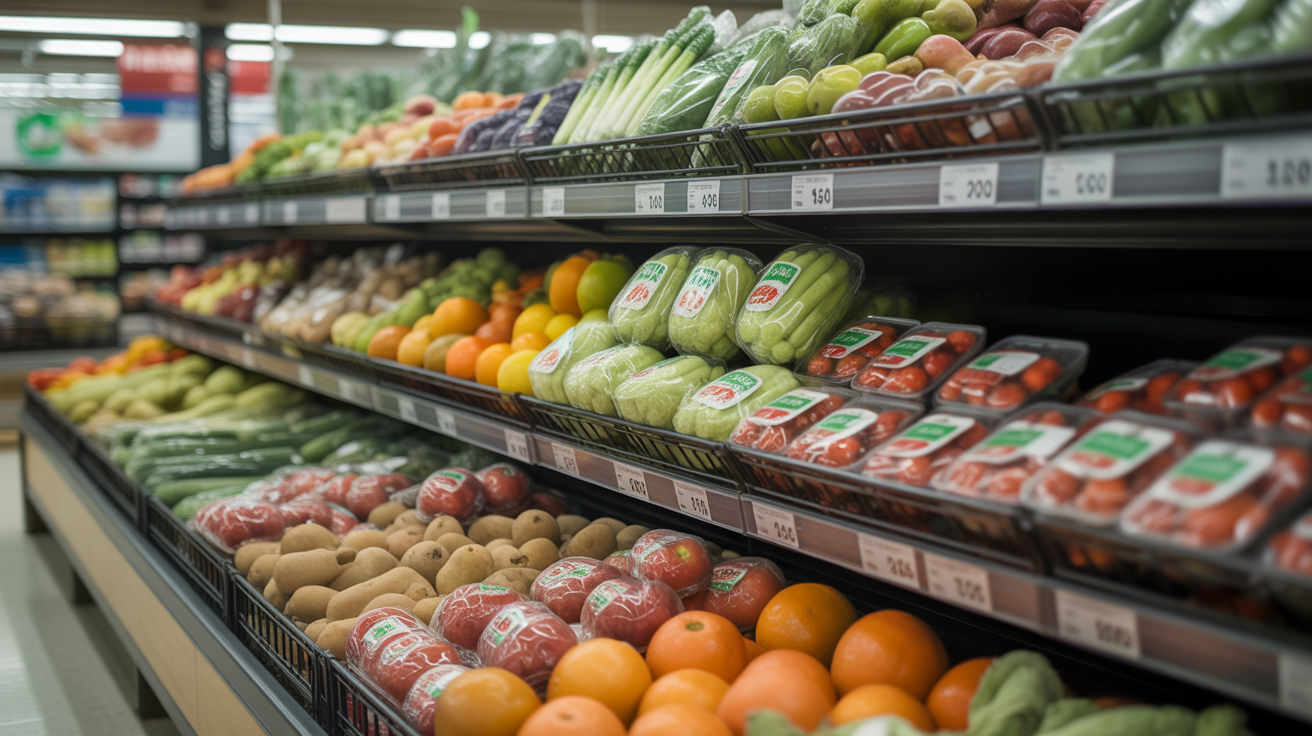
Fresh produce, meat, dairy, and eggs tend to experience sharper price fluctuations than shelf-stable products. Transportation costs, labor shortages, and climate-related disruptions affect perishable foods more intensely.
For households already struggling, these increases push healthy items further out of reach. Over time, families adapt by buying fewer fresh items and relying more on foods that stay cheap and predictable.
This adaptation is rational — but it reinforces the belief that eating healthy is only for people who can afford instability.
7. Food Assistance Helps — But Often Isn’t Enough
Nutrition assistance programs play a crucial role in reducing hunger, but they aren’t always designed for long-term healthy eating.
Benefits are often calculated using idealized assumptions:
-
Time to cook from scratch
-
Access to affordable stores
-
No food waste
-
Stable prices
Real life rarely matches those assumptions.
When benefits run out before the end of the month, families adjust — and that adjustment often means choosing cheaper, less nutritious food to make supplies last longer.
8. Marketing Shapes Taste and Perception
Processed food companies spend billions marketing products that are:
-
Cheap
-
Highly palatable
-
Familiar
-
Emotionally comforting
These foods are designed to be craveable and consistent. Over time, taste preferences adapt — and healthier foods may start to feel bland, unsatisfying, or “not worth the money.”
This isn’t about willpower. It’s about exposure, habit, and the way modern food is engineered.
9. Cheap Food Isn’t Actually Cheap in the Long Run
While unhealthy food may save money today, it often leads to higher costs tomorrow.
Diet-related health conditions increase medical expenses, reduce productivity, and create long-term financial strain. The economic burden doesn’t show up on the grocery receipt — but it appears later in doctor visits, prescriptions, and missed work.
In this sense, healthy food feels expensive because its benefits are delayed, while unhealthy food feels affordable because its consequences are hidden.
10. What Actually Helps People Eat Better
At the individual level:
-
Frozen produce can be just as nutritious and far more affordable
-
Simple, repeatable meals reduce planning fatigue
-
Budget-friendly proteins like eggs, beans, and canned fish stretch meals
-
Cooking in batches saves time and energy
-
Flavor (spices, sauces, oils) makes simple food satisfying
At the system level:
-
Better access to affordable grocery stores
-
Food assistance that adjusts to real-world prices
-
Support for local and regional food systems
-
Nutrition education that respects time constraints
-
Policies that make healthy food easier — not harder — to choose
Healthy eating feels unaffordable for many Americans because the system makes it that way.
When calories are cheap, time is scarce, access is uneven, and marketing pushes processed food at every turn, choosing healthier options becomes an uphill battle. The issue isn’t ignorance or lack of motivation — it’s structure.
Until food policy, pricing, and access align with public health goals, telling people to “just eat better” will continue to miss the point.
Healthy eating shouldn’t feel like a privilege. It should feel possible.
Read next: What the Average American Eats in a Week — and How Much It Actually Costs






Leave a Reply