
Things to Watch Out For
Navigating these high-priced aisles requires vigilance. Supermarkets employ sophisticated pricing strategies designed to make you feel like you are saving money, even when you are overpaying. Keep an eye out for these specific pitfalls:
- The Illusion of BOGO Deals: Many premium grocery chains mask their high baseline prices with prominent “Buy One, Get One Free” promotions. While this feels like a massive discount, the original price of the item is often artificially inflated. You might find that buying a single item at a discount grocer like Aldi or WinCo is cheaper than the combined “deal” at a high-end store.
- Digital Coupon Dependency: Chains like Safeway, Albertsons, and Kroger have aggressively shifted their best sales to digital-only platforms. If you walk into the store and grab an item off the shelf without explicitly clipping the offer in the store’s mobile app, you will be charged the maximum retail markup. The shelf tag might show a low price, but read the fine print—it usually requires digital activation.
- Shrinkflation in Disguise: Rather than raising the sticker price to a level that causes sticker shock, many brands and grocers simply shrink the package size. You pay the exact same amount for a box of cereal or a bag of coffee, but you walk away with two fewer ounces of product. Always check the unit price (the cost per ounce or per pound) located on the shelf tag to understand the true cost.
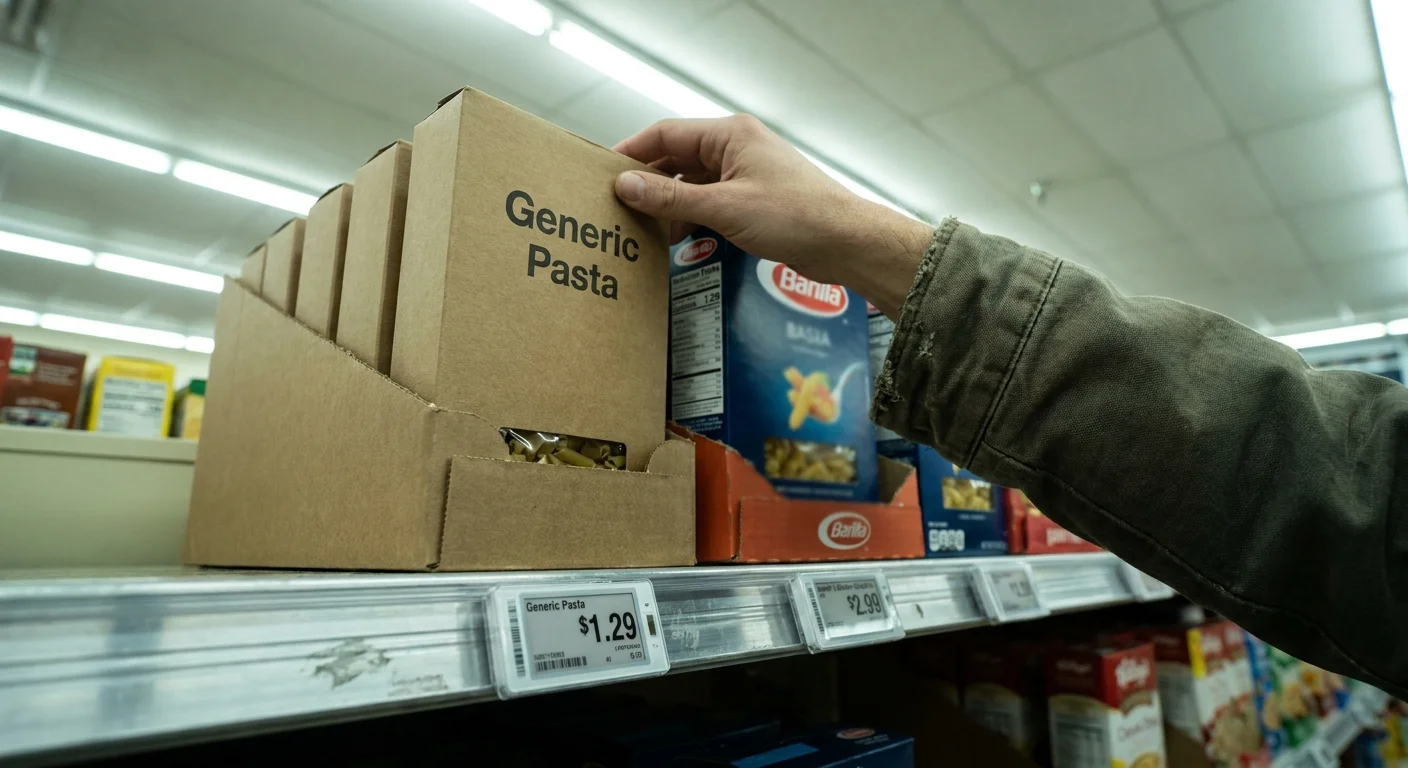
- Premium Private Label Markups: We are conditioned to believe that store brands are inherently cheaper than name brands. However, luxury supermarkets have developed “premium” private labels that carry markups rivaling or exceeding national brands. Do not blindly grab the store brand assuming it is the budget option; compare its unit price directly against the alternatives.










2 Responses
Gelson’s of course, they are very expensive. They think people find money in the street or grows on trees.
There are no supply chain disruptions.
Weekly deals or whatever the deal is, is not a solution for the high grocery prices consumers have been enduring. Afterall, weekly deals offer by the major grocery stores, have existed as sales-promotions pitch for years and they only put temporary smiles on customers faces. The one solution that I think, may be helpful to consumers is for the administration to step up and find not a piece -meal solution to the high grocery prices problem, but a solution that would have a real impact (relief) to the consumer.