Walking into Sam’s Club, you immediately face towering pallets of products promising massive savings if you buy in bulk. But the undeniable appeal of a low per-unit price often masks a costly reality for the average household. Buying five pounds of fresh spinach or a gallon of mayonnaise only saves you money if you actually consume every last drop before the expiration date arrives. When you factor in food waste, diminished product efficacy, and hidden shelf-life limits, several warehouse club deals quietly drain your monthly budget. By looking closely at expiration timelines and your own household consumption habits, you can stop throwing half-used bulk goods into the trash and keep that cash in your wallet.
The Trap of the Per-Unit Price
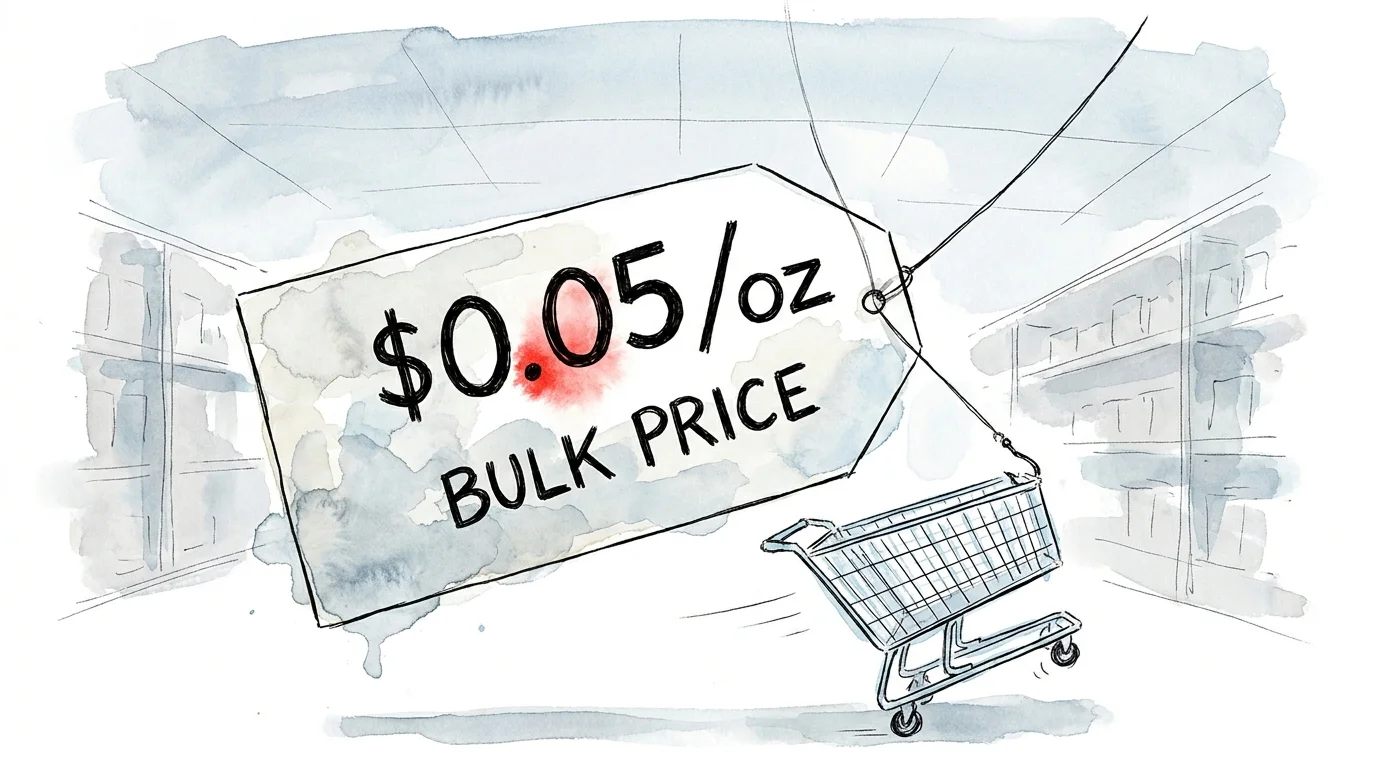
Warehouse club shopping relies heavily on the psychology of the per-unit price. When you look at the price tags at Sam’s Club, the cost per ounce or cost per pound is almost always lower than what you would find at a standard supermarket. This simple math trick convinces shoppers to load their oversized carts with massive quantities of goods they never intended to buy. However, a low per-unit price only translates to actual financial savings if you utilize the entire product.
A deal stops being a deal the second you throw it in the garbage. If you buy a massive quantity of a product and only use half of it before it expires, you haven’t saved money—you have simply paid to store your own trash.
The true cost of a bulk purchase must factor in your household’s rate of consumption, available storage space, and the product’s chemical shelf life. While non-perishable staples like toilet paper, paper towels, and trash bags will sit patiently in your garage for years without issue, other products begin deteriorating the moment you place them in your cart. Below are the specific deals at Sam’s Club that frequently trap well-meaning shoppers into wasting money.

1. Sunscreen and Skincare Products
As spring and summer approach, Sam’s Club prominently displays massive two-packs, three-packs, and giant pump bottles of highly recognizable sunscreen brands. The price per ounce usually beats the local drugstore by a significant margin. However, stockpiling chemical and mineral sunscreens is a gamble with your skin’s health and your household budget.
According to the Mayo Clinic, the U.S. Food and Drug Administration (FDA) requires that sunscreen remain at its original strength for exactly three years. If you purchase a three-pack of sunscreen and only use one bottle per season, the final bottle might be dangerously close to its expiration date—or past it—by the time you crack the seal. Using expired sunscreen leaves you vulnerable to severe sunburns, premature aging, and an increased risk of skin cancer because the active UV-blocking ingredients break down over time.
Furthermore, how you store these giant bottles heavily dictates their lifespan. Medical professionals advise keeping sunscreen out of direct sunlight and extreme heat, which accelerate the chemical degradation of the active ingredients. If you buy a massive bulk pack and leave it sitting in the trunk of your car or a sweltering garage, it will lose its efficacy long before the three-year mark. Unless you are a lifeguard or buying for a family taking a month-long beach vacation, it is generally safer and smarter to buy standard-sized bottles at the drugstore each spring.
2. Supersized Condiments
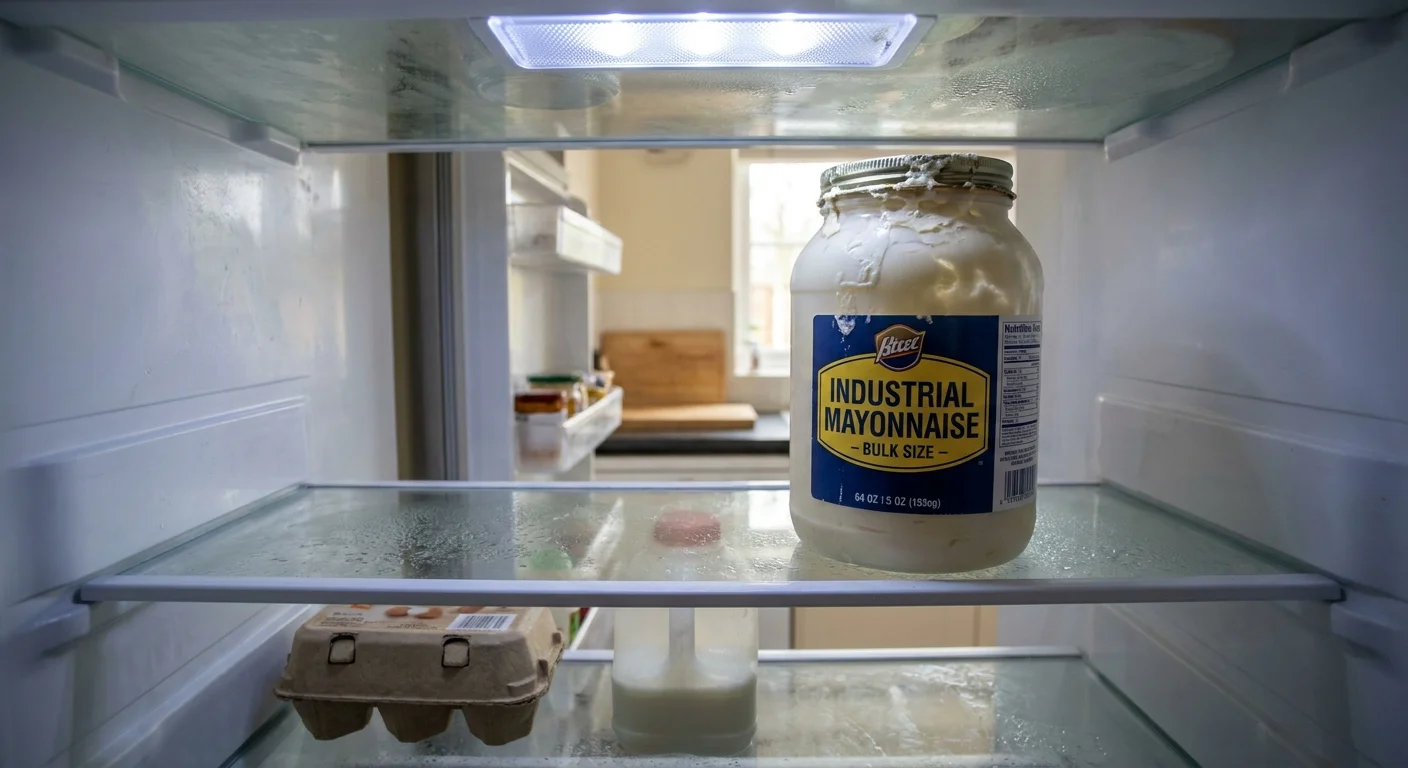
Strolling down the grocery aisles at Sam’s Club, you will find 64-ounce jars of mayonnaise, massive twin-packs of ketchup, and gallon-sized jugs of barbecue sauce. For a restaurant or a catering business, these are essential, money-saving buys. For a standard residential household, they are a fast track to rapid food waste.
The main issue is the ticking clock that starts the moment you break the protective seal. According to the USDA’s FoodKeeper app, opened commercial mayonnaise maintains its peak quality and safety for only about two months in the refrigerator. A typical family making sandwiches a few times a week will struggle to finish a 64-ounce jar within eight weeks. Once those two months pass, the oils can turn rancid, and the risk of bacterial growth increases—especially if knives that have touched other foods are repeatedly dipped into the giant jar.
Other condiments follow a similar, if slightly longer, trajectory. Ketchup, mustard, and creamy salad dressings might last up to six months in the fridge, but their flavor, color, and consistency degrade as time goes on. The water begins to separate from the tomato paste, leaving a watery, unappetizing mess at the top of the bottle. You are far better off buying regular sizes at your local grocery store, ensuring that your meals feature fresh, flavorful condiments rather than science experiments hiding in the back of the fridge.
3. Ground Spices and Seasonings
Spices are notoriously expensive at traditional grocery stores, making the massive plastic tubs of garlic powder, cinnamon, and black pepper at Sam’s Club look incredibly tempting. You can often buy a 16-ounce container for the exact same price as a 2-ounce glass jar at a standard supermarket.
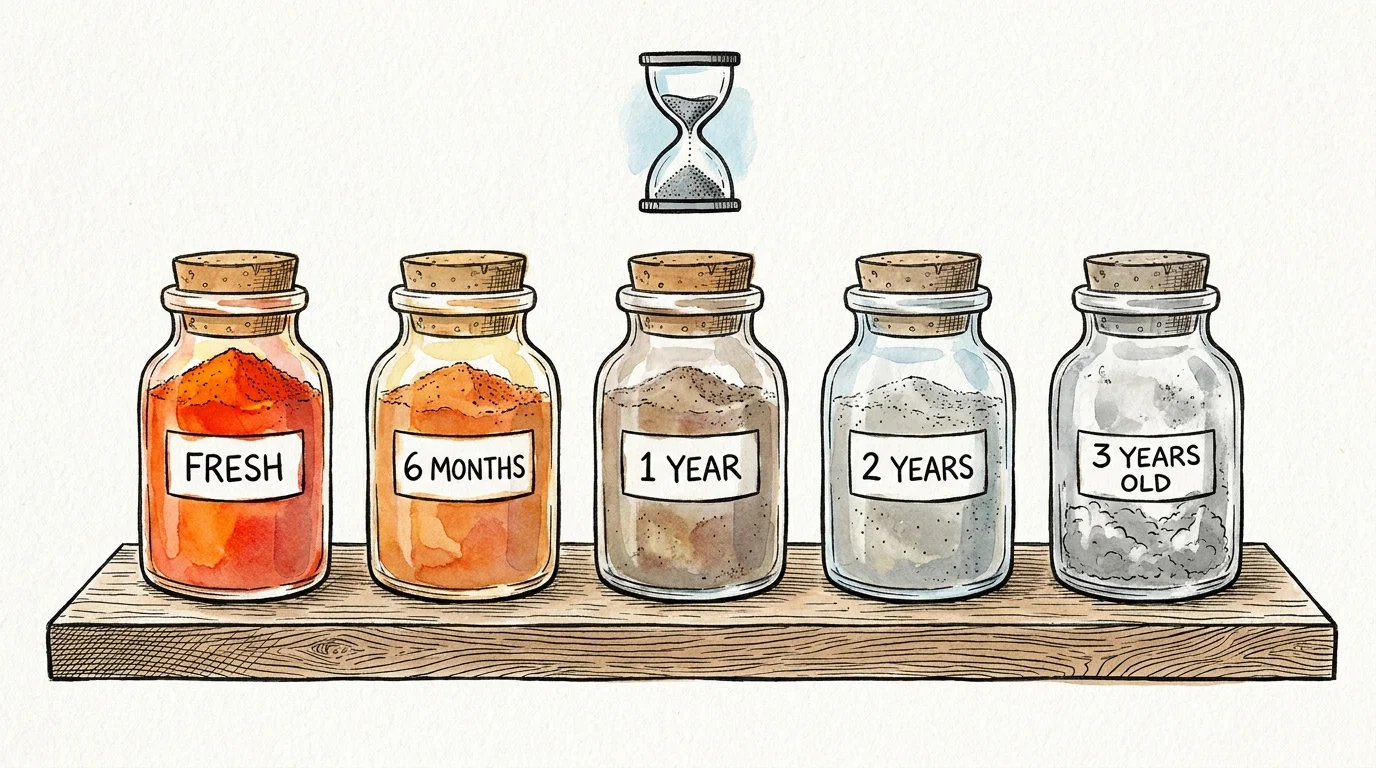
But spices do not age like fine wine; they age like cut grass. While the USDA states that ground spices are technically safe to consume for two to three years, safety is not the same as culinary quality. The volatile oils that give spices their pungent aroma and distinct flavor begin to evaporate the moment the whole spice is ground. Because ground spices expose so much surface area to air and light, oxidation happens rapidly. Within six months of opening a container, the flavor profile of most ground spices diminishes drastically. By year two, you are essentially dusting your meals with flavorless colored powder.
If you want to take advantage of Sam’s Club spice pricing without sacrificing your meals, you have a few practical workarounds. First, buy whole spices—like whole peppercorns or cinnamon sticks—when possible, as they retain their flavor much longer and can be ground at home right before use. Second, if you do buy a massive tub of a ground spice, immediately split it into smaller airtight containers and share it with family members, friends, or neighbors. Otherwise, stick to smaller jars that you can reasonably finish within a few months.
4. Fresh Perishables and Produce
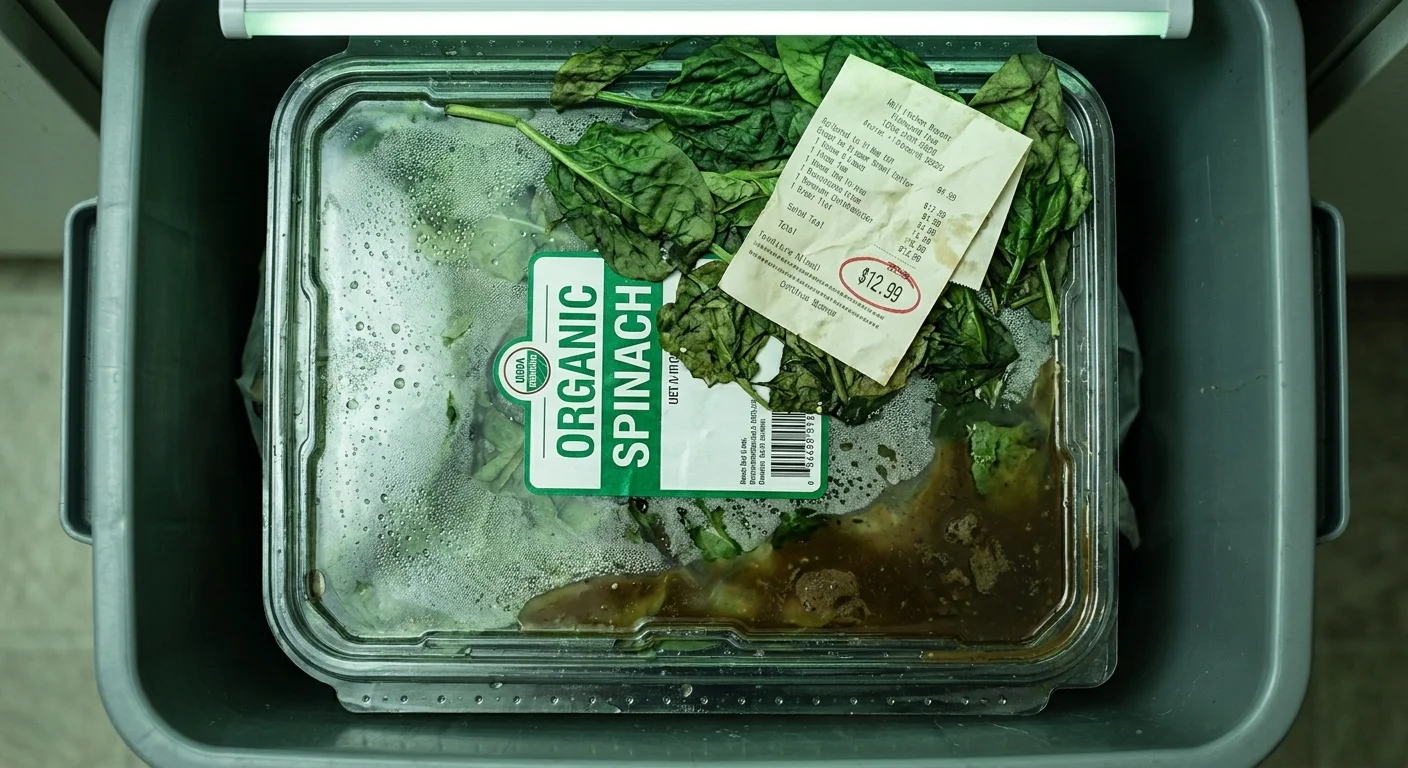
Sam’s Club boasts an impressive fresh produce section, often featuring gigantic clamshells of organic spinach, three-pound trays of strawberries, and massive mesh bags of avocados. The cost per ounce looks fantastic on the price tag, but fresh produce comes with a hard, unforgiving expiration date.
The reality of buying highly perishable items in bulk is that you are entering a race against mold, wilt, and rot. A standard household simply cannot eat a catering-sized bag of mixed greens before the leaves at the bottom begin to turn to sludge. When you inevitably throw away a third of the package, your actual cost-per-eaten-ounce skyrockets, completely wiping out the initial savings you thought you secured at the register.
If you insist on buying your fresh produce at a warehouse club, you need a rigid, proactive plan to prevent waste. Utilize these strategies to make bulk produce work for your budget:
- Blanch and Freeze: If you buy a massive bag of spinach or kale, use half for fresh salads and immediately blanch and freeze the rest for future soups, stews, or morning smoothies.
- Batch Cooking: Turn huge flats of tomatoes or bell peppers into homemade marinara sauce or chili that can be easily canned or frozen in individual portions.
- Skip the Highly Perishable: Focus your bulk produce buying on hardy items with a long counter life, such as apples, potatoes, onions, and carrots. Leave the delicate berries and tender leafy greens for your weekly grocery run.
5. Over-the-Counter Medication
The pharmacy and health aisles at Sam’s Club offer 1,000-count bottles of ibuprofen, 500-count bottles of acetaminophen, and massive multi-packs of daily allergy pills. Because the price difference between these gigantic bottles and a standard 50-count bottle at a neighborhood pharmacy is often negligible, grabbing the bulk size feels like an obvious financial victory.
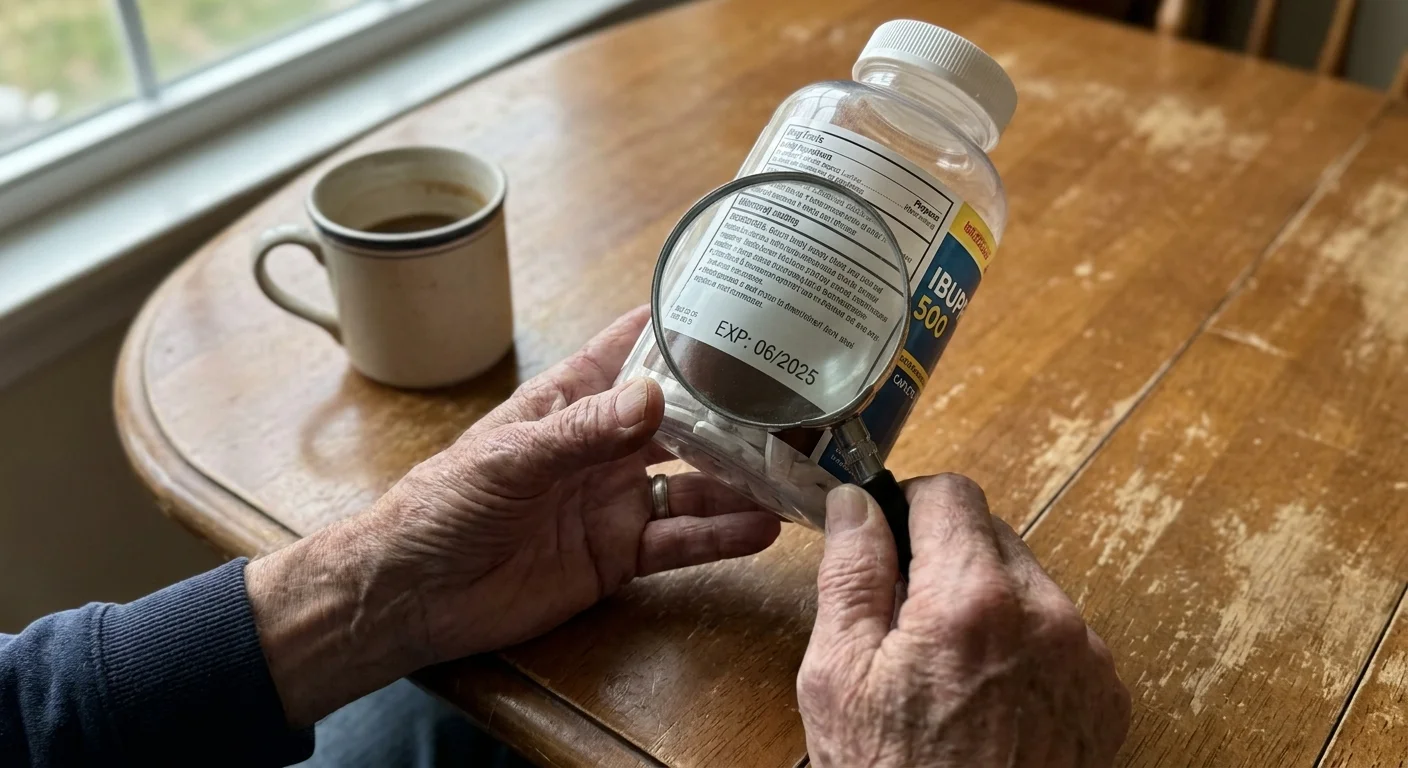
However, medication expires. The FDA explicitly advises consumers against taking expired prescription or over-the-counter drugs, noting that expired medical products can be less effective or risky due to subtle changes in their chemical composition. A typical bottle of ibuprofen has a shelf life of around 24 to 36 months from its date of manufacture. By the time the pallet reaches the warehouse floor and you take it home, you might have less than two years to finish the entire supply.
For an otherwise healthy adult, consuming 1,000 pain relief pills in two years equates to taking more than one pill every single day. If you do not suffer from a chronic condition that requires daily over-the-counter pain management, the bottom half of that giant bottle will likely sit unused until it expires. Furthermore, liquid medications—like bulk children’s pain relievers or cough syrups—degrade even faster once opened and are susceptible to bacterial contamination. Stick to smaller bottles that accurately match your family’s actual medical needs.

6. Books, Movies, and Media
Wandering the center aisles of Sam’s Club, you will inevitably stumble upon tables stacked high with the latest hardcover bestsellers, boxed book sets, and newly released movies or video games. The convenience of grabbing the latest thriller while stocking up on paper towels is undeniably high, but the financial value is consistently low.
Financial experts and consumer analysts regularly flag warehouse club books and media as items to skip. While Sam’s Club prices might beat the retail price listed on the inside jacket of a hardcover book, they rarely beat dedicated online competitors. Research from GOBankingRates notes that shoppers can frequently find better deals on new releases through online retailers, or by purchasing slightly used copies from third-party sellers.
Additionally, media is a category where you often do not need to spend money at all to enjoy the product. Your local public library offers physical books, e-books, audiobooks, and even streaming movies entirely for free. Apps allow you to instantly download bestsellers directly to your tablet or smartphone using nothing but your library card. When you view it through that lens, paying warehouse club prices for a physical book that will gather dust on a shelf after one single read is an unnecessary drain on your budget.
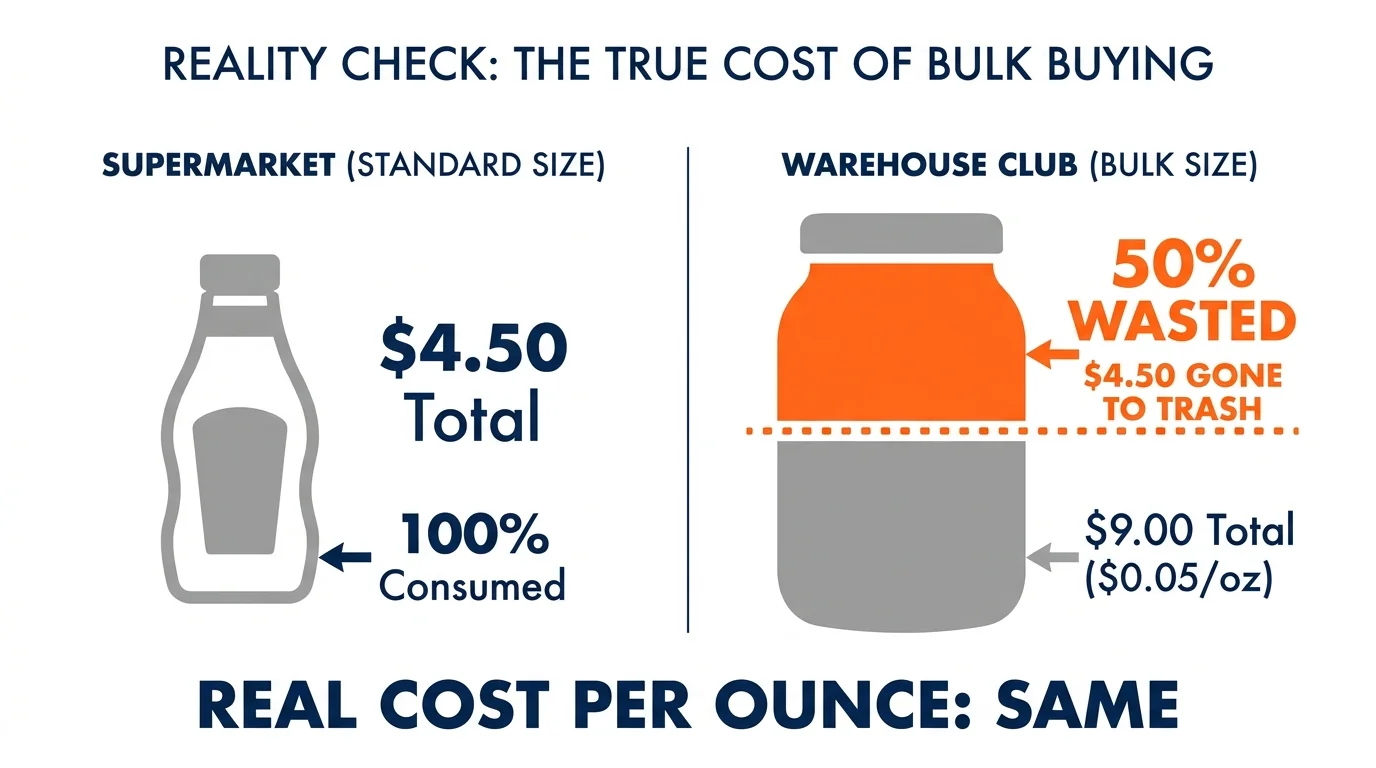
Bulk Buying Reality Check: Grocery Store vs. Sam’s Club
To truly understand why some deals fail the test of time, you have to compare the reality of household consumption against the sheer volume of warehouse club packaging. Here is a practical breakdown of when it pays to shop at a standard grocery store versus loading up your oversized cart at Sam’s Club.
| Product Category | Grocery Store Approach | Sam’s Club Approach | The Verdict |
|---|---|---|---|
| Mayonnaise | Buy a 15 oz jar, finish it easily within the 2-month freshness window. | Buy a 64 oz jar, struggle to finish it, throw away 30+ rancid ounces. | Grocery Store (Prevents food waste) |
| Toilet Paper | Buy a 6-pack, restock frequently at a higher per-roll price. | Buy a 45-roll case at a deep discount. It never expires or degrades. | Sam’s Club (Excellent long-term buy) |
| Over-the-Counter Painkillers | Buy a 100-count bottle, finish before the two-year expiration date. | Buy a 1,000-count bottle, throw away hundreds of pills when they expire. | Grocery Store (Safer and more practical) |
| Ground Spices | Buy a 2 oz glass jar, use it while the flavor oils remain potent. | Buy a 16 oz tub, cook your meals with flavorless dust for three years. | Grocery Store (Better culinary results) |
| Canned Beans & Soups | Buy 3 cans at a standard retail markup. | Buy a 12-pack flat. Canned goods last for years without losing safety. | Sam’s Club (Perfect pantry staple) |
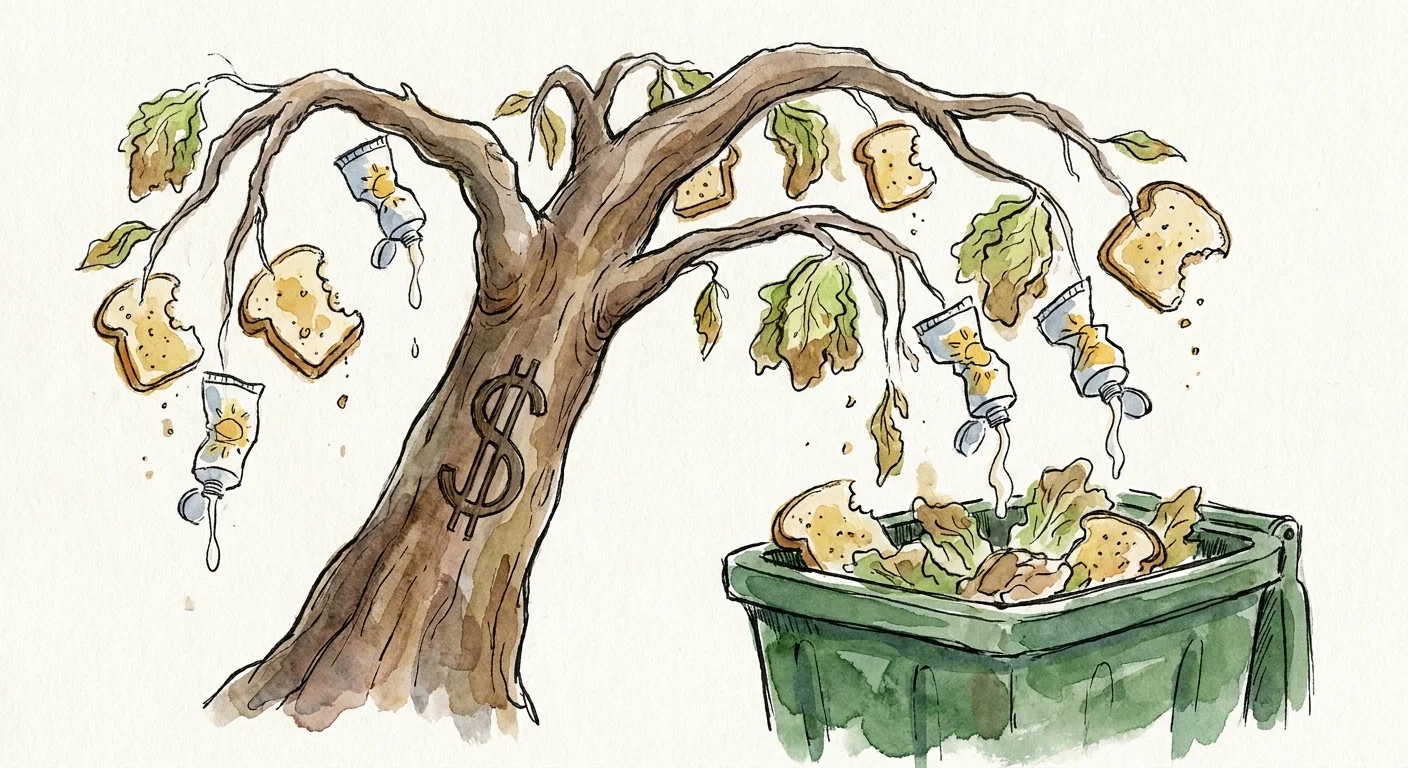
What Can Go Wrong
Warehouse club shopping places you in an environment designed to encourage impulse purchasing. The deals look so visually impressive that it is incredibly easy to make poor purchasing decisions in the heat of the moment. If you indiscriminately throw bulk items into your cart without a usage plan, you expose your household to several specific pitfalls:
- Food waste guilt: Nobody likes throwing food in the garbage. When you have to dump half a container of spoiled spinach or a moldy block of specialty cheese, the resulting guilt often makes the initial bargain feel like a massive mistake.
- Lost storage space and domestic clutter: Buying massive items requires massive real estate. Cramming 64-ounce condiments into your refrigerator hides your other groceries, leading to even more food waste. Filling your closets with giant bulk boxes makes your home feel cluttered and stressful.
- Compromised health and efficacy: Stockpiling products with chemical shelf lives leaves you vulnerable. Taking expired allergy medicine or rubbing degraded SPF on your skin negates the exact protection you originally paid for.
- Unintentional overconsumption: Behavioral economists note that having an excessive amount of a product naturally encourages you to use more of it. If you have a giant box of snack bags, you are statistically more likely to eat two or three a day rather than rationing them, hurting both your grocery budget and your physical health.
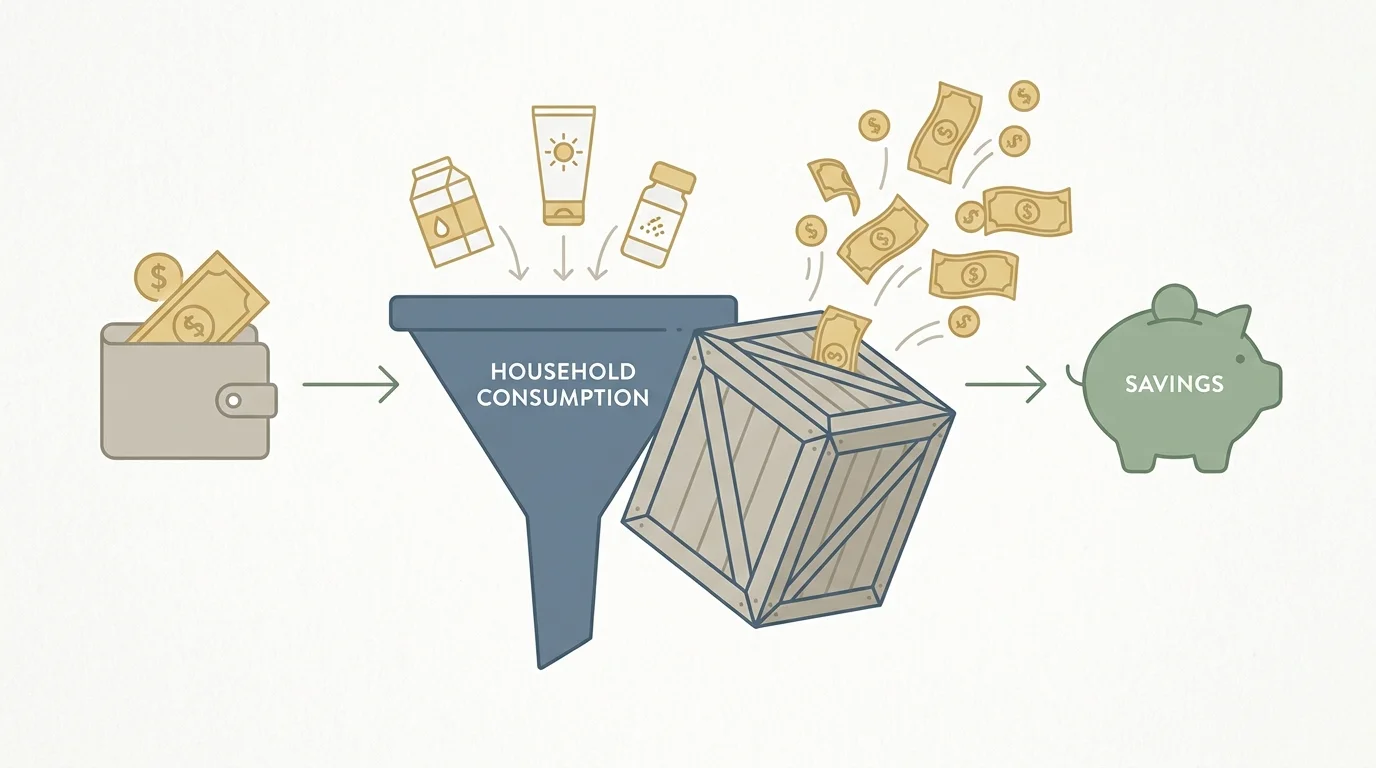
The Bottom Line for Your Budget
Shopping at Sam’s Club can absolutely be a cornerstone of a healthy personal finance strategy, provided you navigate the massive aisles with clear intention. The secret is learning to distinguish between a genuine long-term deal and a high-volume trap. Non-perishable items like paper goods, trash bags, and canned foods are fantastic bulk buys that genuinely lower your household’s monthly overhead. However, when it comes to highly perishable foods, daily medications, and products with degrading chemical efficacy, the traditional grocery store is often your wallet’s best friend.
Focus your warehouse club membership strictly on the items you know your family will consume safely and entirely. By avoiding the strong allure of massive spice tubs, giant condiment jars, and oversized medicine bottles, you protect your budget from the hidden tax of household waste. This is general informational content based on widely accepted guidance. Individual results vary. Verify current details—rules, prices, eligibility, regulations—with official sources before making important decisions.
Last updated: May 2026. Rules, prices, and details change—verify current information with official sources before acting on it.