Your weekly grocery run takes a heavier toll on your wallet than it did just a few years ago. Driven by supply chain disruptions, fluctuating fuel costs, and labor shortages, average U.S. grocery prices have surged nearly 30% since 2020. While inflation has cooled slightly in 2026, many major supermarket chains continue to pass increased operational costs down to shoppers. Recent data from Consumer Reports highlights a stark reality: depending on where you shop, you could be paying up to 40% more for the exact same household staples. If you are trying to stretch your monthly budget, knowing which stores apply the steepest markups is your best defense against overpriced produce and premium-priced pantry essentials.
Why Supermarket Price Hikes Keep Squeezing Budgets
To understand why your receipt looks so radically different today, you have to look beyond the checkout lane. Supermarkets operate on famously thin profit margins—historically hovering around 1% to 3%. When macroeconomic pressures strike, grocers have very little room to absorb the blow. Instead, they push those costs onto the consumer.
According to the Bureau of Labor Statistics, the cost of food at home rose 29.4% between March 2020 and December 2025. While the pace of that inflation has returned to a more historically typical range of around 2% to 3% annually in 2026, those new percentage increases stack on top of the already inflated prices of the past few years. This phenomenon compounds the financial strain on households.
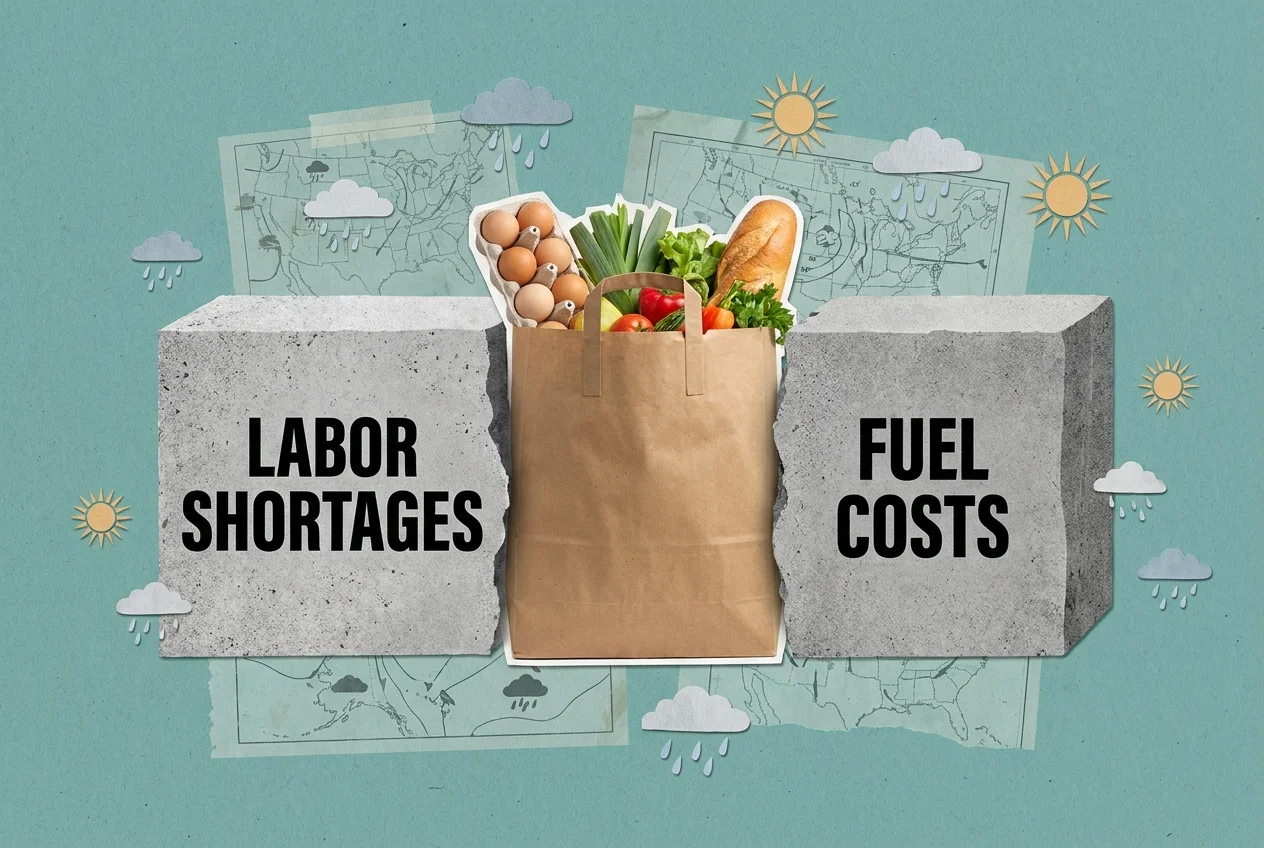
Several distinct factors keep these prices elevated. Unpredictable weather patterns, including severe droughts and unprecedented heatwaves, have disrupted crop yields, directly impacting the cost of fresh produce and grain-reliant products like beef and cereal. Furthermore, elevated energy costs make it more expensive to manufacture packaging, run massive refrigeration units, and transport goods across the country. Combine these logistical hurdles with a tight labor market that forces retailers to raise hourly wages, and the result is a permanently higher baseline cost for your groceries.
“While the pace of overall inflation has cooled, cumulative grocery price increases mean that shoppers are still paying nearly 30% more for household food staples today than they did in early 2020.”
The 10 Supermarket Chains With the Steepest Markups
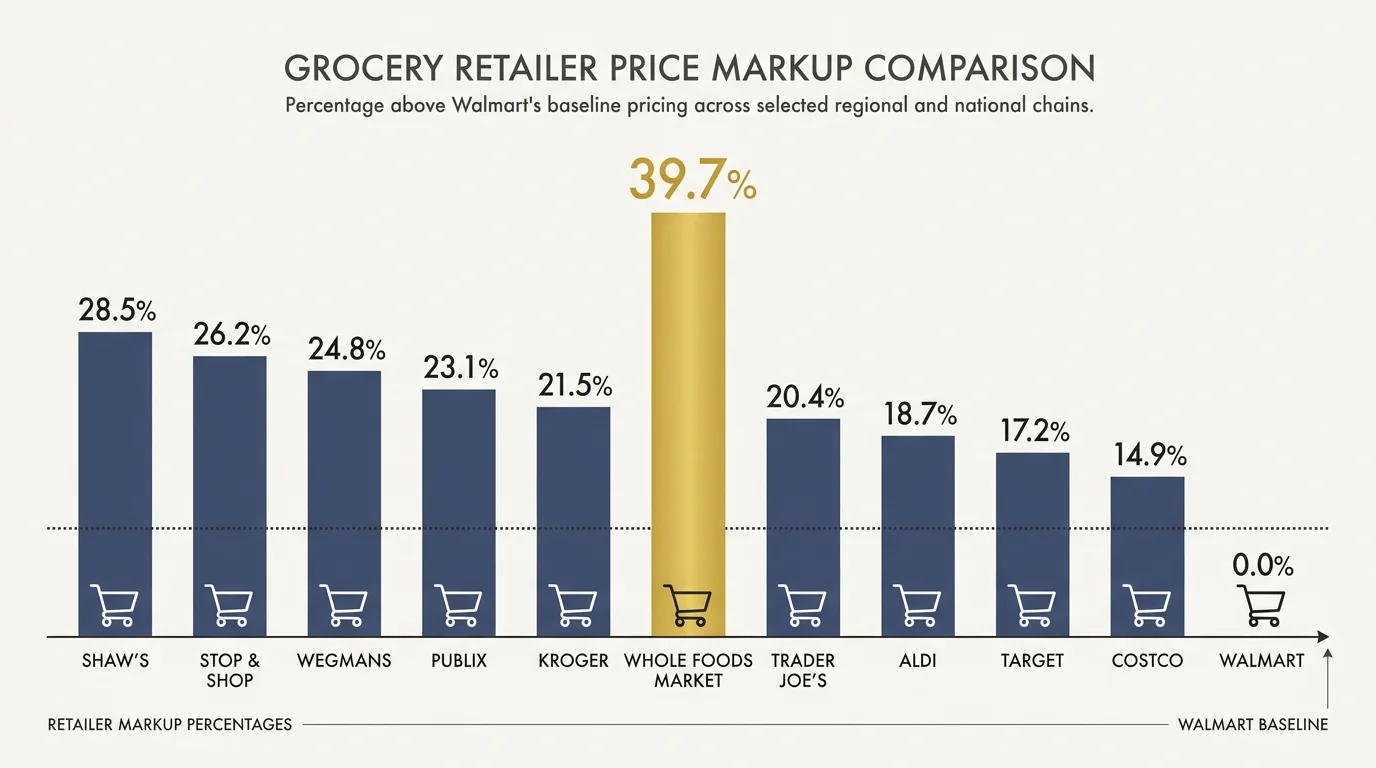
Not all grocery stores handle inflation equally. Some absorb costs through massive economies of scale, while others aggressively pass those expenses to you. A recent comprehensive pricing analysis by Consumer Reports measured the cost of identical market baskets across dozens of retailers, using Walmart as the baseline for national discount pricing. Their findings, combined with regional economic data, expose the supermarket chains driving the heaviest price hikes.
-
Whole Foods Market
Whole Foods Market has long held a reputation for premium pricing—earning it the infamous nickname “Whole Paycheck”—and recent inflation has only widened the gap between it and its discount competitors. The pricing analysis revealed that Whole Foods averages an astonishing 39.7% higher cost than base-level discounters. Even with the financial backing of its parent company, Amazon, the chain’s strict sourcing standards for organic produce, artisanal cheeses, and specialty health foods mean that operational costs remain exceptionally high. When global supply chain shocks hit the agricultural sector, Whole Foods passes those premium ingredient costs directly to you. -
Shaw’s
Operating primarily in New England, Shaw’s is a regional heavyweight owned by Albertsons. While convenient for Northeastern shoppers, that convenience comes at a steep premium. Pricing data shows that groceries at Shaw’s run nearly 32% above the national average baseline. The Northeast already faces higher logistical and energy costs to transport fresh produce and meat across long distances during harsh winters; unfortunately, Shaw’s has heavily passed these distribution expenses onto its customers, making it one of the most expensive traditional supermarkets in the country. -
El Rancho Supermercado
You might not expect a regional chain known for its vibrant Hispanic product selection and excellent meat counters to rank among the nation’s most expensive grocers, but El Rancho Supermercado carries a significant markup. With stores heavily concentrated in Texas and the Midwest, recent pricing surveys measured its average basket cost at roughly 30.1% higher than national discounters. Sourcing highly specific, imported items and maintaining premium in-house butchery and bakery departments insulates the chain from price-matching the warehouse clubs, leaving shoppers to absorb the cost of specialized inventory. -
Jewel-Osco
Dominating the grocery landscape in the greater Chicago area, Jewel-Osco is another Albertsons-owned banner that commands top-tier prices. Shoppers navigating its aisles pay roughly 29.7% more for standard household staples compared to national big-box retailers. Chicago’s high local taxes and stringent labor costs certainly play a role, but Jewel-Osco also relies on its deep market penetration and customer loyalty. Because it serves as the most accessible neighborhood grocer for millions of residents, the chain has successfully raised prices on everyday items without losing its core demographic. -
Mariano’s
Also competing fiercely in the Midwestern market, Mariano’s—owned by grocery giant Kroger—built its brand on offering an upscale, experiential shopping environment complete with oyster bars, gelato counters, and live piano music. However, that premium atmosphere requires massive overhead. Consequently, shoppers face markups of 27.6% above baseline averages. As inflation squeezed profit margins over the last few years, Mariano’s opted to maintain its high-touch customer service and expansive specialty departments, funding those operational choices through higher register receipts. -
Publix
As the dominant supermarket force in the Southeast, Publix is famous for its customer service and exceptional bakery items; however, it has also become synonymous with aggressive price hikes. Regional economic data has routinely highlighted Florida metro areas like Tampa Bay as hotspots for grocery inflation, largely driven by pricing at local Publix locations. While the chain heavily promotes its “Buy One, Get One” (BOGO) deals, the base prices of those items have been steadily inflated to protect the company’s profit margins. A standard shopping trip here is significantly more expensive than it was just a few years ago. -
Safeway
As the flagship banner for Albertsons Companies, Safeway operates hundreds of locations, particularly along the West Coast and Mid-Atlantic. Facing headwinds from high fuel surcharges and rising labor costs, Safeway has consistently implemented price increases across its meat, dairy, and center-store grocery aisles. While the company points to inflationary pressures and the costs of expanding its digital fulfillment and delivery services, the reality for your wallet is that a routine basket of goods at Safeway now costs noticeably more than the exact same items at a regional discounter. -
Albertsons
The namesake brand of the grocery conglomerate faces the same structural challenges as its subsidiaries, passing sweeping price increases down to the consumer level. In recent financial reports, Albertsons highlighted identical sales growth driven not by selling a higher volume of goods, but by charging more for the items sold. The company has aggressively leaned into its loyalty program, Albertsons for U, effectively requiring shoppers to navigate digital coupons and app-based deals just to bring their final bill down to what used to be considered a normal retail price. -
Harris Teeter
A subsidiary of Kroger operating primarily in the South Atlantic states, Harris Teeter positions itself one tier above the standard supermarket experience. With a focus on high-quality fresh produce, premium meats, and extensive prepared foods, the chain naturally incurs higher shrink rates (unsold spoiled food) and labor costs. To compensate during periods of supply chain volatility, Harris Teeter has aggressively adjusted its pricing tiers upward. Unless you are meticulously shopping the weekly sales circular and relying heavily on the VIC loyalty card, purchasing your weekly staples here drains your grocery budget rapidly. -
Wegmans
Beloved for its massive, European-style open markets and cult-favorite private label products, Wegmans commands fierce customer loyalty across the East Coast. However, running stores that often exceed 100,000 square feet requires extraordinary energy and staffing expenditures. As utility costs and wage expectations climbed, Wegmans quietly but consistently raised prices across its aisles. While shoppers are still willing to pay a premium for the superior store experience and exceptional prepared food sections, there is no denying that the chain ranks among the pricier options for a standard grocery haul.
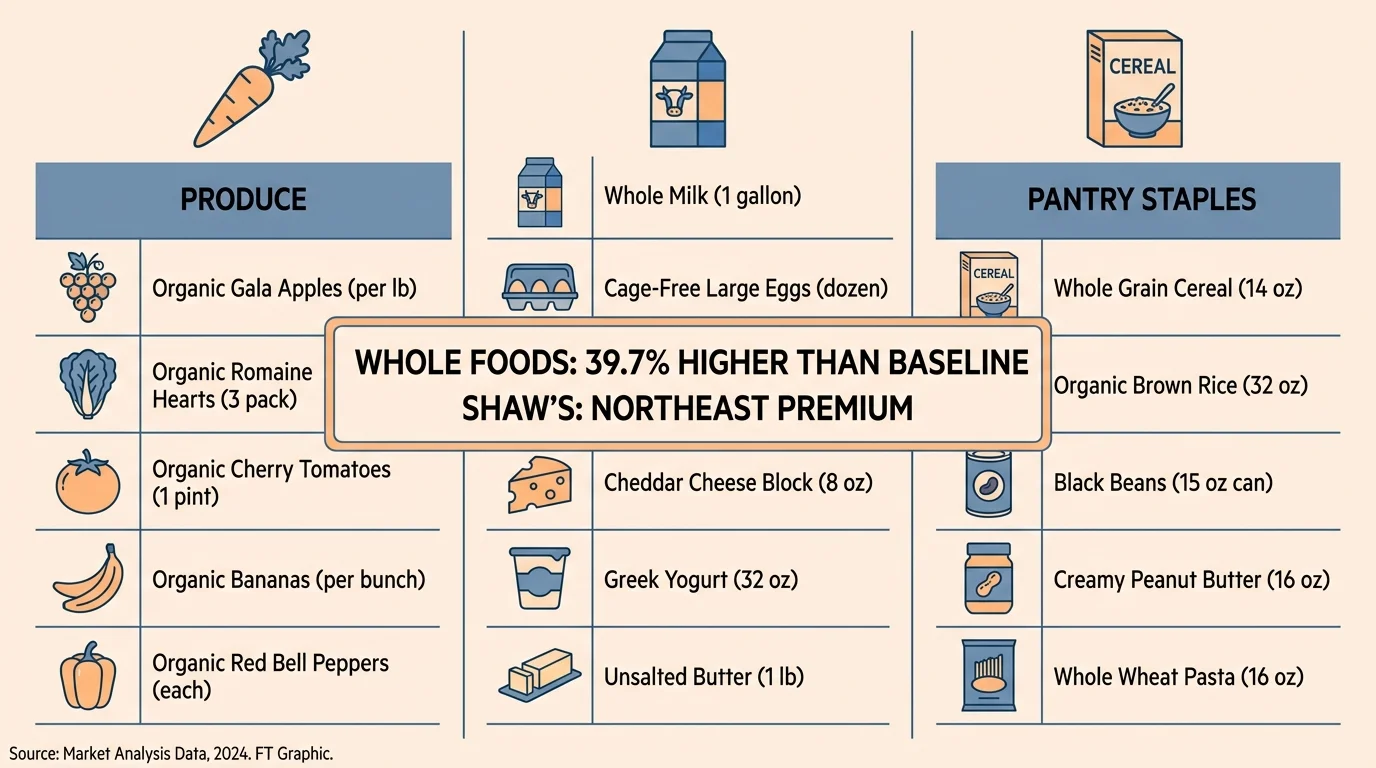
Comparison Table: How the Highest-Priced Chains Compare
To put these markups into perspective, here is how the top five most expensive grocery chains stack up against a standard discount baseline (Walmart), based on market basket analysis.
| Supermarket Chain | Pricing vs. Baseline | Primary Region / Market |
|---|---|---|
| Whole Foods Market | +39.7% | Nationwide |
| Shaw’s | +31.9% | New England |
| El Rancho Supermercado | +30.1% | Texas / Midwest |
| Jewel-Osco | +29.7% | Midwest (Chicago area) |
| Mariano’s | +27.6% | Midwest |
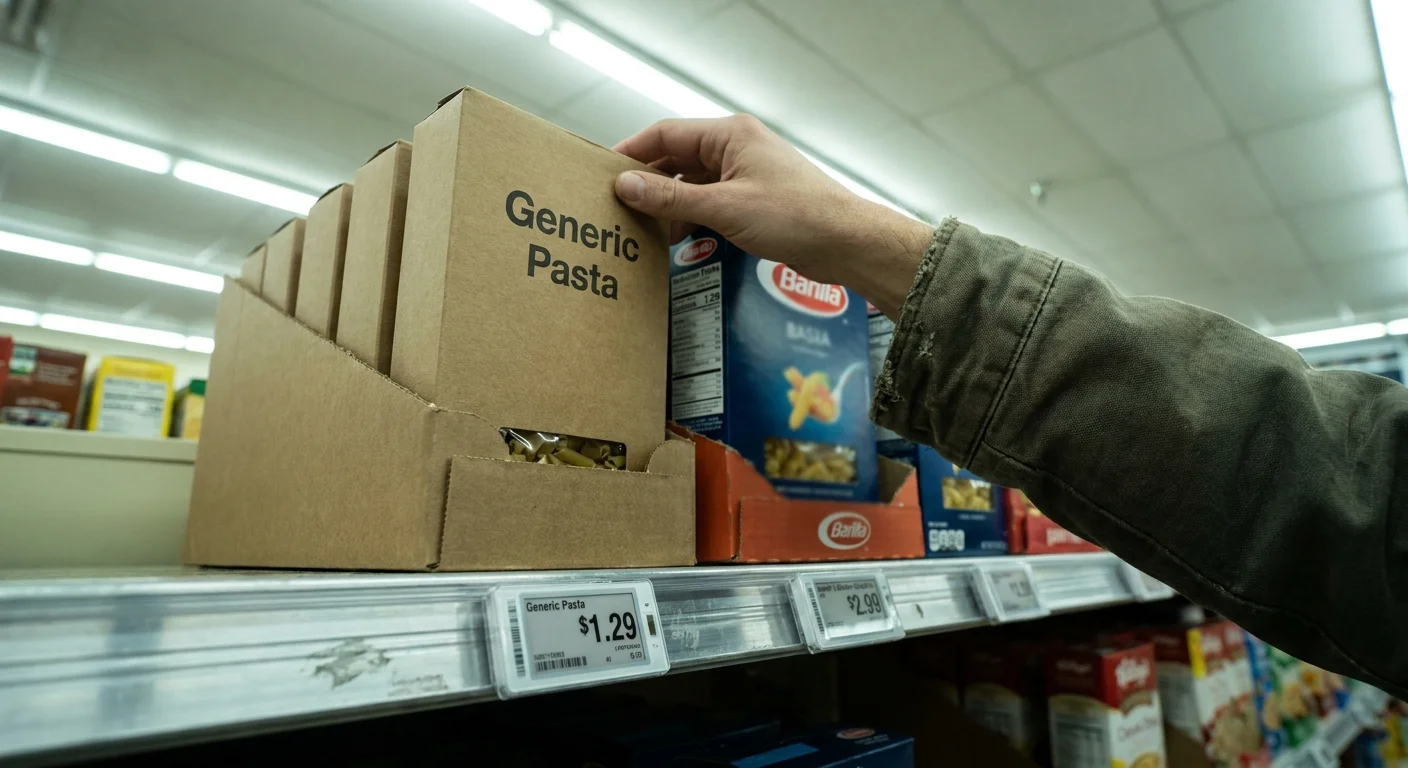
Things to Watch Out For
Navigating these high-priced aisles requires vigilance. Supermarkets employ sophisticated pricing strategies designed to make you feel like you are saving money, even when you are overpaying. Keep an eye out for these specific pitfalls:
- The Illusion of BOGO Deals: Many premium grocery chains mask their high baseline prices with prominent “Buy One, Get One Free” promotions. While this feels like a massive discount, the original price of the item is often artificially inflated. You might find that buying a single item at a discount grocer like Aldi or WinCo is cheaper than the combined “deal” at a high-end store.
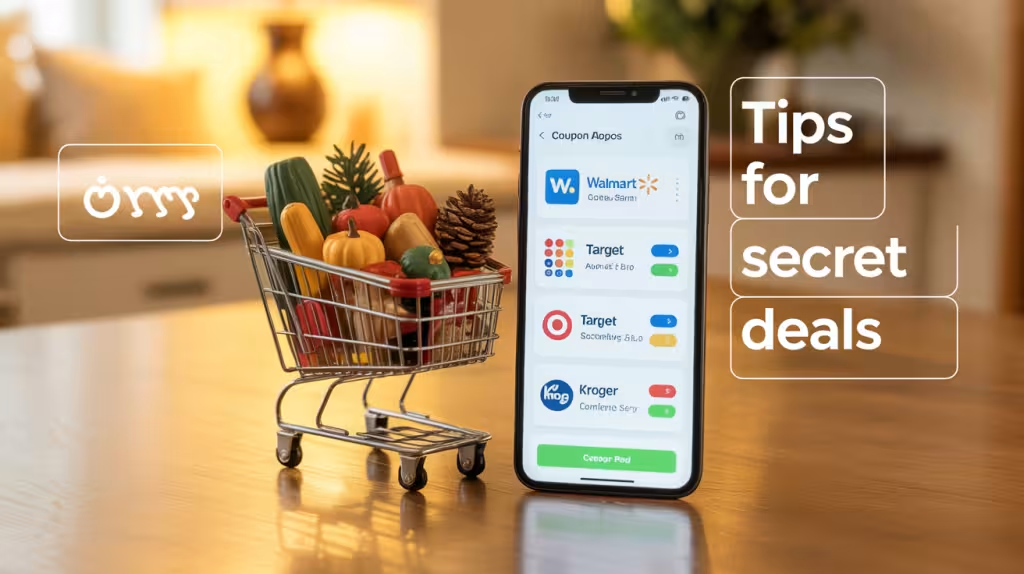
- Digital Coupon Dependency: Chains like Safeway, Albertsons, and Kroger have aggressively shifted their best sales to digital-only platforms. If you walk into the store and grab an item off the shelf without explicitly clipping the offer in the store’s mobile app, you will be charged the maximum retail markup. The shelf tag might show a low price, but read the fine print—it usually requires digital activation.
- Shrinkflation in Disguise: Rather than raising the sticker price to a level that causes sticker shock, many brands and grocers simply shrink the package size. You pay the exact same amount for a box of cereal or a bag of coffee, but you walk away with two fewer ounces of product. Always check the unit price (the cost per ounce or per pound) located on the shelf tag to understand the true cost.
- Premium Private Label Markups: We are conditioned to believe that store brands are inherently cheaper than name brands. However, luxury supermarkets have developed “premium” private labels that carry markups rivaling or exceeding national brands. Do not blindly grab the store brand assuming it is the budget option; compare its unit price directly against the alternatives.
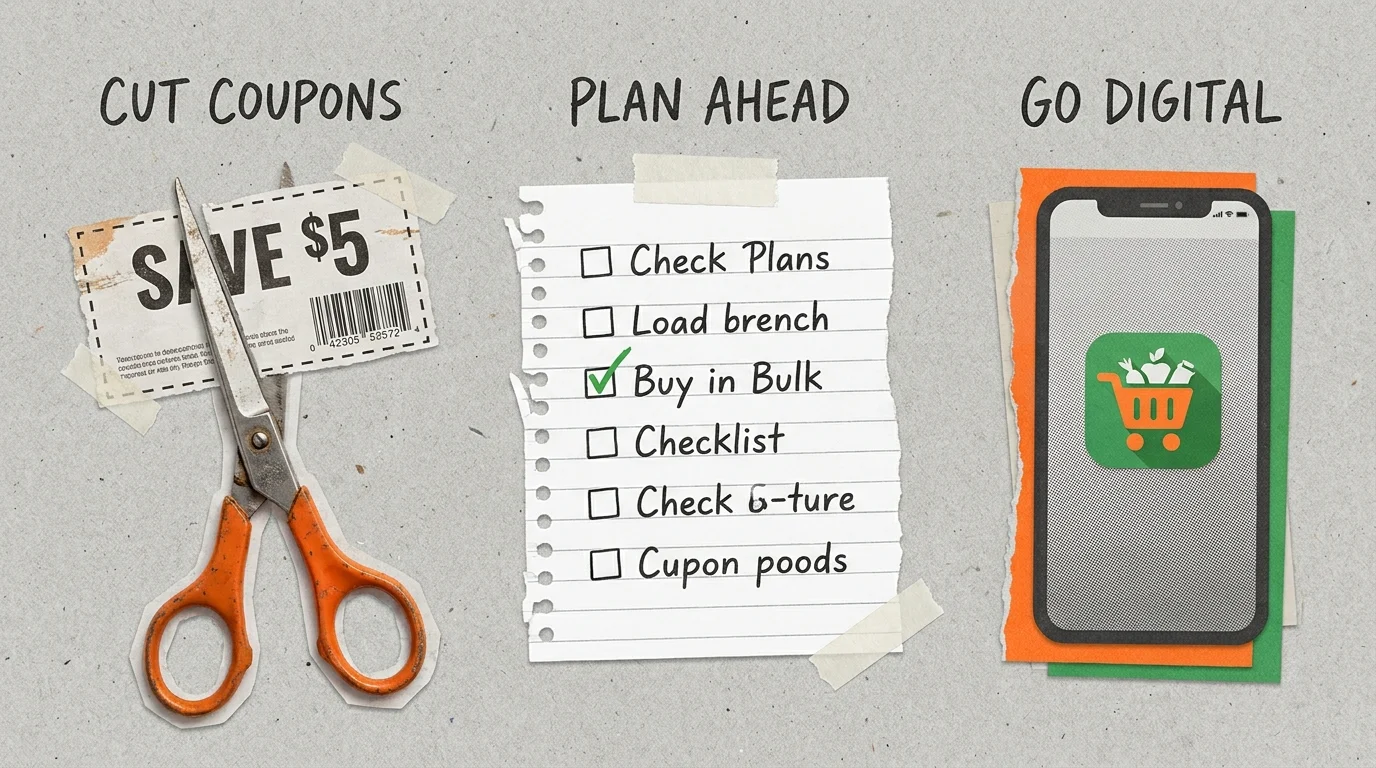
3 Actionable Ways to Shield Your Budget From Grocery Inflation
You do not have to accept a bloated grocery bill as an inevitable fact of life. By adjusting your shopping habits and diversifying where you buy your food, you can effectively combat supermarket price hikes.
1. Capitalize on Warehouse Clubs and Hard Discounters
If you want to immediately drop your grocery expenses, shift the bulk of your shopping away from traditional mid-tier and premium supermarkets. Data consistently shows that warehouse clubs like Costco, Sam’s Club, and BJ’s Wholesale offer prices approximately 20% lower than the national baseline. If you prefer not to pay an annual membership fee, pivot to hard discounters like Aldi, Lidl, or WinCo. These stores keep overhead incredibly low by displaying products in their original shipping cartons and limiting brand variety, passing profound savings directly to you.
2. Implement a Split-Shopping Strategy
You do not have to abandon your favorite high-end supermarket entirely, but you should stop buying everything there. Use a split-shopping method: buy your basic pantry staples, canned goods, dairy, and cleaning supplies at a hard discounter or Walmart. Then, visit premium stores like Wegmans or Publix strictly for their “loss leaders”—the heavily discounted items featured on the front page of their weekly ad—or for specific fresh items you cannot find anywhere else. This approach requires an extra stop but yields significant monthly savings.
3. Monitor the USDA Food Price Outlook to Time Purchases
Knowledge is your best leverage. The USDA Economic Research Service publishes regular forecasts detailing which food categories are experiencing the highest inflation. If you know that beef prices are projected to spike due to constrained cattle herds, you can adjust your meal planning to feature more cost-effective proteins like pork, poultry, or plant-based alternatives. By adapting your diet to broader economic trends, you bypass the most severe markups entirely.
Frequently Asked Questions
Why are grocery prices still rising in 2026?
Even though the rapid, headline-grabbing inflation of 2022 has subsided, the underlying costs of bringing food to market remain high. Supermarkets still face elevated energy costs for refrigeration and transport, ongoing labor shortages that drive up wages, and lingering supply chain frictions. Because their profit margins are so small, retailers must pass these structural costs onto the consumer to remain viable.
Which grocery chains offer the lowest prices?
Pricing studies continually identify warehouse clubs like Costco and BJ’s Wholesale Club as the most affordable options for bulk shoppers. For traditional cart shopping, hard discounters such as Aldi, Lidl, and WinCo consistently beat national average prices, often undercutting major traditional chains by 10% to 20%.
Will supermarket prices ever go back down?
Broad deflation across the entire grocery sector is incredibly rare. While the price of highly volatile commodities—such as eggs during an avian flu outbreak or specific produce during a regional drought—may drop back to normal levels, overall supermarket prices tend to stabilize rather than decrease. Your best strategy is to optimize where and how you shop rather than waiting for prices to magically reset to 2019 levels.
Taking control of your grocery budget requires stepping out of autopilot. The convenience of buying all your weekly items at the closest neighborhood supermarket often comes with a steep financial penalty. By recognizing which chains apply the heaviest markups and strategically shifting your staple purchases to discount retailers, you can successfully navigate today’s challenging economic landscape and keep more money in your bank account.
This article provides general information only. Every reader’s situation is different—what works for others may not be the right fit for you. For personalized guidance on health, legal, or financial matters, consult a qualified professional.
Last updated: May 2026. Rules, prices, and details change—verify current information with official sources before acting on it.