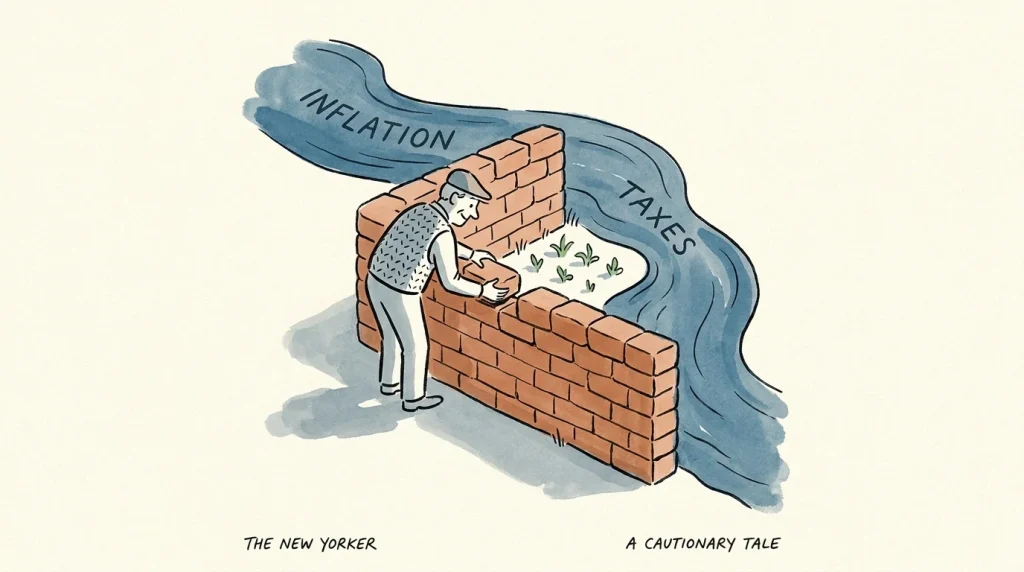
A massive retirement account balance looks great on paper, but everyday financial peace actually stems from the routines you build around your money. Transitioning from saving for decades to spending your nest egg often triggers unexpected anxiety, regardless of your total wealth. Retirees who report the highest levels of financial confidence do not obsess over daily market fluctuations. Instead, they rely on specific, repeatable money management habits that anchor their daily lives. By prioritizing cash flow and control, you insulate yourself from economic surprises. These seven practical routines keep your budget aligned with your goals, prevent unexpected expenses from derailing your plans, and ultimately provide a stronger sense of security than a large bank balance.
Track the Needs Versus Wants Buckets
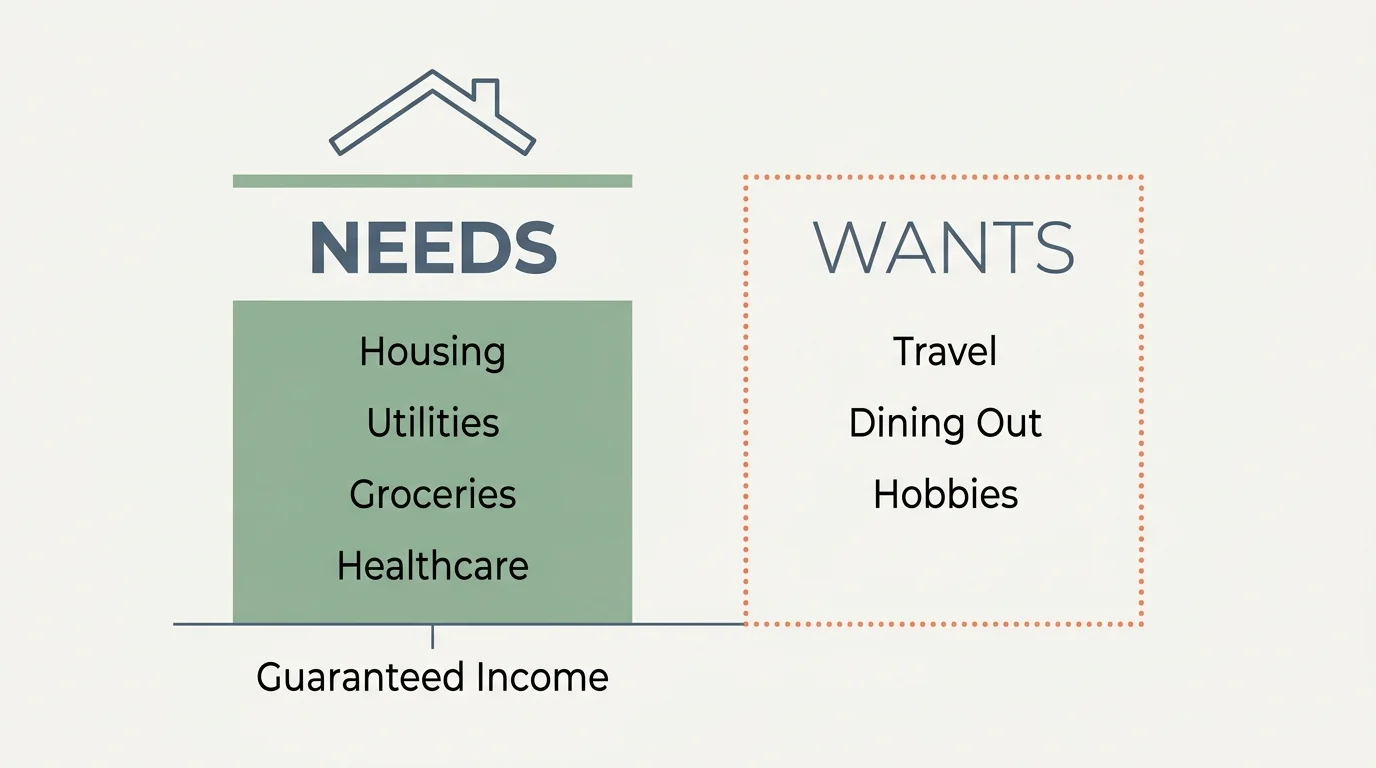
When you are working, your paycheck dictates your lifestyle. In retirement, you must create your own boundaries to ensure your money outlasts your lifespan. The most financially secure retirees mentally and functionally separate their expenses into two distinct categories: non-negotiable needs and discretionary wants.
Your “needs” bucket covers housing, utilities, insurance premiums, groceries, and baseline medical care. Ideally, guaranteed income sources like Social Security benefits and any pensions should cover the entirety of this bucket. If they do not, you will know exactly how much you must withdraw from your portfolio just to keep the lights on. Your “wants” bucket—which funds travel, dining out, and hobbies—is where you draw from your remaining investments.
According to guidance from the Consumer Financial Protection Bureau, getting a realistic picture of where your money goes is the cornerstone of protecting your retirement lifestyle. By tracking these two buckets separately, you know exactly where to cut back if the stock market experiences a severe dip; your needs stay funded, while your wants temporarily shrink.

Maintain a Dedicated 1-to-2-Year Cash Cushion
Market volatility is a normal part of investing, but it becomes actively dangerous once you start pulling money out of your accounts. If you are forced to sell stocks during a market crash just to pay for your groceries, you lock in those losses permanently. This threat is known as “sequence of returns risk,” and it can devastate a portfolio if a bear market hits early in your retirement.
To combat this, financially secure retirees maintain a substantial cash cushion—typically one to two years’ worth of living expenses—held in highly liquid, safe vehicles like high-yield savings accounts or short-term certificates of deposit. This cash reserve acts as a shock absorber. If the market takes a dive, you simply live off your cash cushion while giving your investment portfolio time to recover.
“The goal of retirement planning is not just to eliminate risk, but to manage it so you have enough growth to support a long retirement and enough safety to sleep at night.”

Run a Monthly “Stress Test” on Your Budget
A budget is not a static document; it is a living framework that requires regular maintenance. Retirees who feel in control of their finances do not wait until tax season to see how much money they spent. Instead, they conduct a brief, realistic “stress test” at the end of every month.
During this review, you compare your actual spending against your projected budget. Did inflation drive your grocery bill 15 percent higher than expected? Did a spike in utility rates throw off your housing costs? By identifying these trends early, you can make micro-adjustments—such as cooking at home more often next month or renegotiating a cable bill—before a small leak becomes a massive drain on your retirement finances.

Earmark a Dedicated Healthcare Reserve
One of the most dangerous myths in retirement planning is the assumption that Medicare will cover all of your medical needs. In reality, traditional Medicare does not cover most dental work, vision care, hearing aids, or long-term custodial care. Furthermore, you are still responsible for premiums, deductibles, and co-pays.
Data released in March 2026 by the Employee Benefit Research Institute highlights just how massive these costs can be. According to their research, a couple enrolled in a Medigap plan with average premiums might need up to $405,000 in savings to have a 90 percent chance of covering their medical expenses in retirement. Even a single 65-year-old man needs an estimated $120,000 just to hit a 50 percent chance of covering those costs.
Because healthcare inflation historically outpaces general inflation, successful retirees treat medical costs as a separate, highly prioritized savings goal. Whether they use a funded Health Savings Account (HSA) carried over from their working years or a dedicated high-yield savings account, having earmarked funds specifically for medical emergencies prevents healthcare shocks from wiping out their broader retirement savings.

Automate Your Essential Withdrawals
Decision fatigue is a very real phenomenon, especially when it comes to managing a portfolio. If you have to manually log into your brokerage account every month, decide which assets to sell, and transfer the money to your checking account, you are subjecting yourself to unnecessary psychological stress. Watching your portfolio balance drop every single month can trigger anxiety, even if your withdrawal rate is perfectly safe.
The solution is automation. Set up automatic transfers so that a fixed amount moves from your cash cushion or dividend-producing accounts directly into your checking account on the first of every month. By mimicking the predictable cadence of a traditional paycheck, you remove the emotion from the process and free up your mental energy for more enjoyable pursuits.

Practice the 48-Hour Rule for Discretionary Spending
When you are working, a standard five-day workweek naturally limits your opportunities to spend money. In retirement, every day feels like a Saturday—which means every day offers a new opportunity to browse online, visit a home improvement store, or book an impulse trip. This sudden abundance of free time often leads to “spending creep.”
To keep discretionary spending in check without feeling deprived, adopt the 48-hour rule. If you encounter a non-essential purchase that exceeds a certain threshold—say, $100—force yourself to wait two full days before pulling the trigger. This brief cooling-off period is usually enough time for the emotional urge to fade, allowing your rational brain to evaluate whether the purchase actually aligns with your long-term goals.
Conduct a Quarterly “Leak” Audit
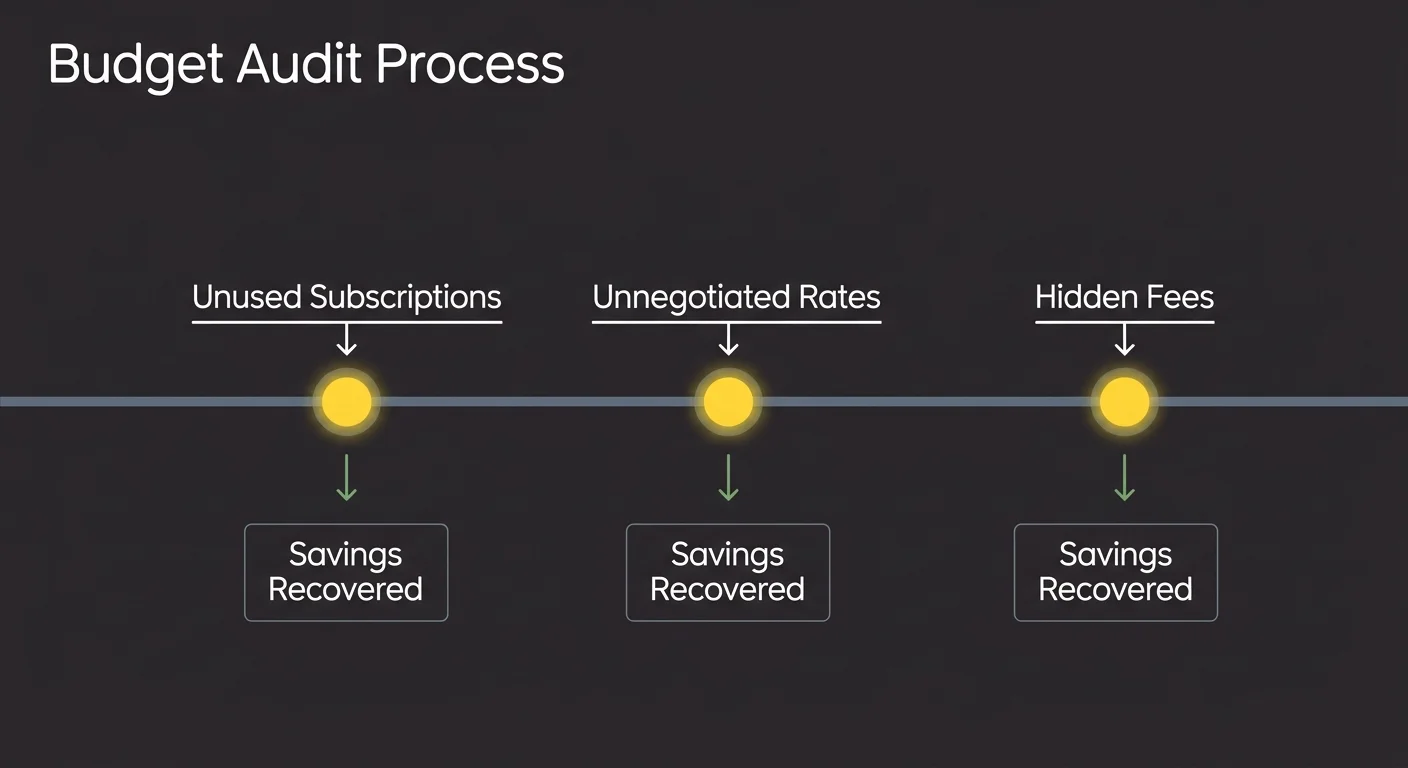
Small, recurring charges are the silent killers of a fixed income. Because these expenses are automatically deducted from your credit card or checking account, they are incredibly easy to ignore. Financially secure retirees make it a habit to audit their bank statements every three months to plug these hidden leaks.
A thorough quarterly audit should target:
- Streaming and Subscription Bloat: Cancel digital subscriptions, magazine deliveries, or premium app charges that you have not used in the past 90 days.
- Insurance Premiums: Home and auto insurance rates frequently creep up upon renewal. Compare rates annually to ensure you are not overpaying for coverage.
- Bank and Maintenance Fees: Comb through your accounts for new account-keeping fees, ATM charges, or creeping portfolio management fees from your brokerage.
- Gyms and Memberships: If you joined a health club but find yourself walking the neighborhood instead, pause or cancel the membership.

What This Means for You
True financial security is less about achieving a specific net worth and more about engineering predictability into your daily life. A massive portfolio that is poorly managed will generate far more anxiety than a modest nest egg that is tightly controlled. By adopting these seven habits, you transition from being a passive observer of your wealth to an active manager of your lifestyle.
| The “Big Check” Mentality | The “Small Habits” Reality |
|---|---|
| Obsessing over a single net-worth number | Focusing on monthly cash flow and liquidity |
| Panicking during stock market corrections | Relying on a 1-to-2-year cash cushion |
| Assuming Medicare covers all health needs | Earmarking funds for substantial out-of-pocket costs |
| Manually selling assets to pay bills | Automating monthly “paychecks” to reduce stress |
| Ignoring small recurring monthly charges | Conducting quarterly audits to plug budget leaks |
What Can Go Wrong
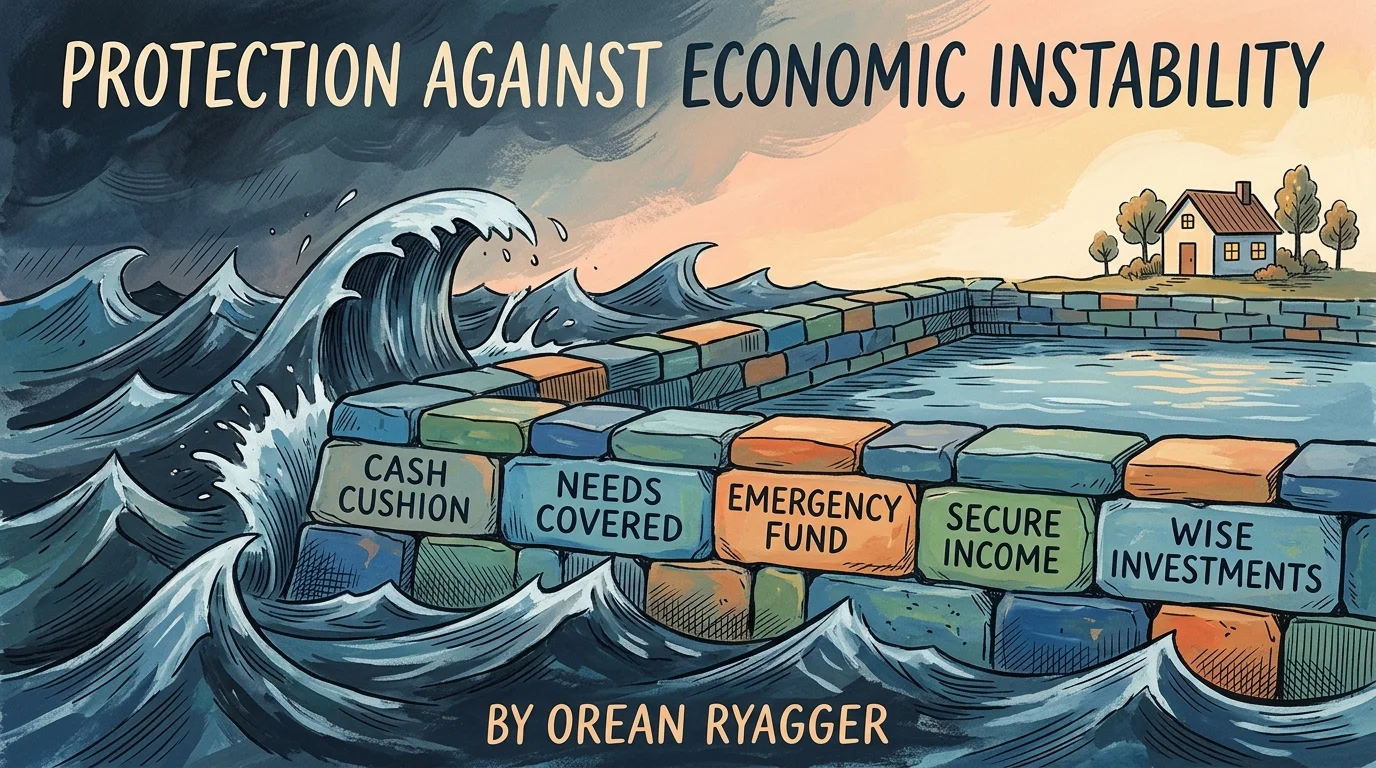
Even the best money management routines can hit a snag if you ignore broader economic forces or let a habit turn into a blind spot. Here are a few scenarios where these habits require careful balancing:
- Holding Too Much Cash: While a cash cushion is critical, hoarding five or six years’ worth of expenses in a low-yield savings account means your money is losing purchasing power to inflation. Stick to the one-to-two-year rule.
- Ignoring Large Irregular Expenses: Budgeting for groceries and utilities is straightforward, but failing to account for a new roof, a replacement vehicle, or major dental work can instantly derail your monthly cash flow.
- Refusing to Adjust Your Withdrawal Rate: If you strictly adhere to a set withdrawal amount even during a severe, multi-year market downturn, you risk depleting your portfolio prematurely. Flexibility is a requirement, not an option.

Where Outside Advice Pays Off
While tracking daily expenses and managing your budget are tasks you handle yourself, certain aspects of retirement planning require a heavier lift; this is where professional guidance truly pays off.
- Structuring Tax-Efficient Withdrawals: Pulling money from a mix of pre-tax 401(k)s, Roth IRAs, and standard brokerage accounts creates a complex tax puzzle. A tax professional can help you sequence these withdrawals to minimize your lifetime tax burden and avoid triggering Medicare premium surcharges.
- Navigating Medicare Enrollment: Missing your initial Medicare enrollment window carries permanent financial penalties. Insurance experts can help you compare Medigap and Advantage plans based on your specific health history and preferred doctors.
- Estate and Legacy Planning: Setting up trusts, updating beneficiaries, and planning for cognitive decline requires ironclad legal documentation. An estate attorney ensures your assets transfer smoothly and your healthcare directives are legally binding.
Building wealth takes decades of discipline, but keeping it requires an entirely different set of daily behaviors. By managing your cash flow, automating your basics, and anticipating future costs, you transform a pile of savings into a sustainable lifestyle.
This article provides general information only. Every reader’s situation is different—what works for others may not be the right fit for you. For personalized guidance on health, legal, or financial matters, consult a qualified professional.
Last updated: July 2026. Rules, prices, and details change—verify current information with official sources before acting on it.