
Walk into almost any American town — big or small — and there’s a familiar blue sign nearby. Maybe it’s glowing at the edge of the highway. Maybe it’s sitting next to a gas station, a fast-food chain, and a massive parking lot. You already know the place.
For many Americans, shopping at Walmart isn’t a choice driven by love, loyalty, or even preference. It’s driven by reality.
People complain about Walmart all the time. The lighting. The crowds. The long lines. The feeling that you somehow walked in for paper towels and walked out questioning your life choices. And yet… millions of Americans keep going back.
Why?
Because for a huge portion of the population, Walmart isn’t just a store. It’s a financial pressure valve, a time-saver, and sometimes the only realistic option.
This article isn’t about defending Walmart or criticizing it. It’s about understanding why so many Americans rely on it — even when they don’t love it.

1. Walmart Fits the Way Americans Actually Live
American life is busy, fragmented, and often exhausting.
Many households are juggling:
-
Two working adults
-
Long commutes
-
Kids’ schedules
-
Side gigs
-
Aging parents
-
Tight budgets
-
Little free time
In that reality, convenience isn’t a luxury. It’s survival.
Walmart lets people:
-
Buy groceries, toiletries, pet food, clothes, school supplies, and medication in one trip
-
Shop late at night or early in the morning
-
Park easily
-
Avoid hopping between multiple specialty stores
For people who are tired, stressed, or stretched thin, Walmart reduces decision fatigue. You don’t have to plan five stops. You just go.
Even if the experience isn’t “pleasant,” it’s efficient.
2. Price Still Matters — Even for People Who “Could Shop Elsewhere”
There’s a myth that only low-income Americans shop at Walmart. That’s simply not true.
Middle-class families, retirees, young professionals, and even higher earners shop there regularly — often quietly.
Why?
Because inflation changed everything.
When groceries, utilities, rent, insurance, and healthcare keep climbing, even people who technically have enough money start looking for ways to stretch it.
Saving:
-
$20–$40 per grocery trip
-
$10–$15 on household basics
-
$5–$10 on personal care items
adds up fast over a month.
Walmart may not always be the absolute cheapest, but it’s consistently affordable, predictable, and easy to budget around. That matters more than perfection.
3. Walmart Is Often the Only Option — Especially Outside Big Cities
In many rural and suburban areas, Walmart isn’t just popular.
It’s dominant.
Small towns have watched local grocery stores, pharmacies, and general stores disappear over the years. What’s left?
-
A Walmart Supercenter
-
A dollar store
-
A gas station convenience shop
For millions of Americans, Walmart is:
-
The closest full grocery store
-
The nearest pharmacy
-
The easiest place to buy clothing or home goods
Driving an extra 30–45 minutes to shop elsewhere isn’t realistic for everyone — especially seniors, families with kids, or people working multiple jobs.
Sometimes it’s not about preference at all. It’s about access.
4. Walmart Helps People Feel “Financially In Control”
Here’s something people don’t talk about enough:
Shopping stress isn’t just about money — it’s about uncertainty.
Many Americans walk into higher-end grocery stores already anxious:
-
“How much is this going to cost?”
-
“Should I put this back?”
-
“Am I overspending again?”
Walmart offers psychological relief.
Shoppers know:
-
Prices won’t shock them
-
Store brands are available
-
Budget substitutions are easy
That sense of control — even if imperfect — is comforting. When life feels expensive and unstable, predictability matters more than ambiance.
5. Walmart Is a Judgment-Free Zone (Whether People Admit It or Not)
Some stores make people feel watched, rushed, or subtly judged.
Walmart doesn’t.
At Walmart:
-
No one cares what you’re wearing
-
No one questions why you’re buying store brands
-
No one blinks if you’re using coupons, EBT, or cash
It’s one of the few retail spaces where everyone blends in — regardless of income, age, or background.
For people who feel financial shame or pressure, that neutrality matters.
6. Store Brands Make Stretching Money Easier
Walmart’s private labels — especially Great Value and Equate — are a big reason people return.
They allow shoppers to:
-
Cut costs without sacrificing essentials
-
Avoid brand loyalty traps
-
Stick to budgets without feeling deprived
For many households, store brands aren’t a downgrade. They’re a strategy.
And during periods of high inflation, Americans have become far more open to switching away from name brands — especially when the difference is mostly packaging.
7. Online Pickup and Delivery Changed the Game
Walmart’s expansion into online ordering wasn’t just convenient — it was strategic.
Curbside pickup and delivery allow people to:
-
Stick to a list
-
Avoid impulse buying
-
See totals before checkout
-
Save time and energy
For busy parents, seniors, and anyone trying to manage spending, this is huge.
Many Americans don’t enjoy wandering aisles anymore. They want efficiency, clarity, and control — and Walmart adapted faster than many competitors.
8. People Don’t “Love” Walmart — They Rely on It
This is the key distinction.
Most Americans don’t shop at Walmart because they enjoy the experience. They shop there because it works.
It fits:
-
Their budget
-
Their schedule
-
Their location
-
Their reality
In a country where wages haven’t kept up with living costs for decades, Walmart fills a gap — not emotionally, but practically.
People complain because they’re frustrated with the system, not just the store.
9. Walmart Reflects Bigger Economic Truths
Walmart’s popularity isn’t just about retail. It’s a mirror.
It reflects:
-
Stagnant wages
-
Rising living costs
-
Shrinking local options
-
The pressure to “do more with less”
When people say, “I hate shopping at Walmart,” what they often mean is:
-
“I wish I had better choices.”
-
“I wish money stretched further.”
-
“I wish life felt less tight.”
Walmart didn’t create those conditions — but it benefits from them.
10. Why People Keep Going Back (Even After Saying They Won’t)
Many Americans say they’re “done with Walmart.”
And then:
-
A bill hits
-
Gas prices rise
-
Groceries spike again
And they’re back.
Not because they failed — but because they adapted.
Shopping at Walmart isn’t a moral statement. It’s a coping strategy in a high-cost economy.
Walmart Isn’t the Villain or the Hero
Walmart is neither the savior nor the enemy of American households.
It’s a tool.
For millions of people, it’s the most realistic way to:
-
Feed their families
-
Stay within budget
-
Save time
-
Reduce stress
And until everyday life becomes more affordable, Walmart will remain a central part of how Americans manage money — even if they never quite learn to love it.
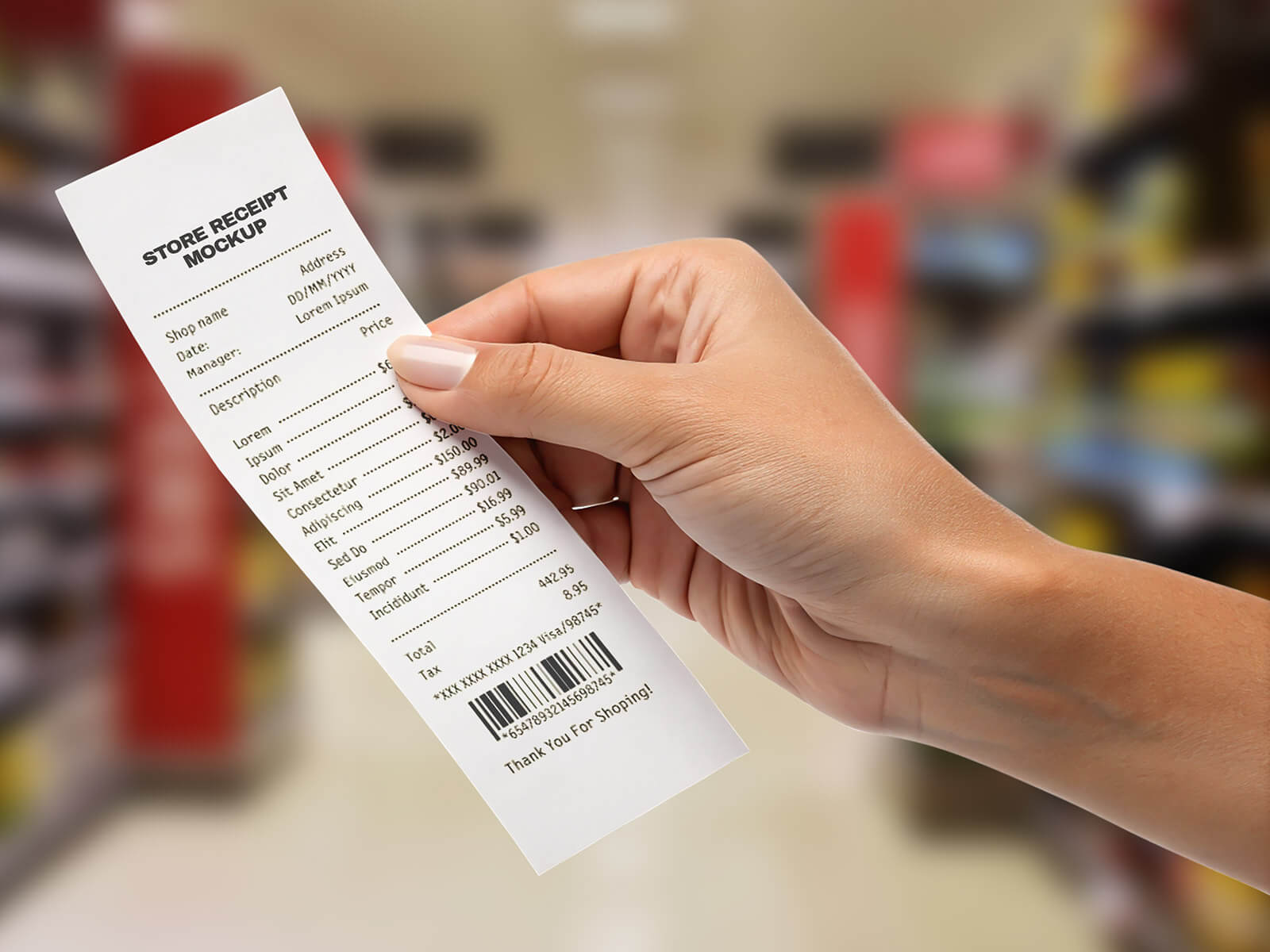
Sometimes survival looks like a full cart, a manageable total, and a receipt that doesn’t ruin your week.
And for better or worse, that’s why so many Americans keep shopping there.
Read next: The Psychology Behind Impulse Buying







Leave a Reply