
At some point, many Americans stopped buying household basics in physical stores — and didn’t even notice when it happened.
Paper towels. Trash bags. Light bulbs. Cleaning supplies. Phone chargers. Toothpaste. Storage bins.
These items used to live on weekly shopping lists. Now they arrive quietly in cardboard boxes, dropped on doorsteps, porches, and apartment lobbies across the country.
This shift isn’t about laziness or impulse shopping. It’s about time, predictability, stress reduction, and control — especially in an economy where every decision feels heavier than it used to.
Here’s why more Americans are buying household items on Amazon instead of in stores — and why the habit keeps growing.

1. Americans Are Tired — and Errands Are the First Thing to Go
Modern American life is stretched thin.
Between:
-
Long work hours
-
Commutes
-
Family responsibilities
-
Side gigs
-
Mental overload
Errands have become one more source of friction.
Going to a store for “just a few things” often means:
-
Driving
-
Parking
-
Walking large stores
-
Standing in lines
-
Navigating crowds
For items that don’t require touching, tasting, or trying on, many Americans ask a simple question:
Why leave the house at all?
Amazon removes the errand entirely. No prep, no travel, no wasted energy. For busy or burned-out households, that matters more than small price differences.
2. Household Items Don’t Feel “Worth the Trip”
There’s a psychological distinction Americans make between experience purchases and maintenance purchases.
Household items fall firmly into the second category.
No one enjoys shopping for:
-
Trash bags
-
Toilet bowl cleaner
-
Sponges
-
Batteries
These items don’t feel rewarding — they feel necessary.
Ordering them online removes the emotional weight of buying things that don’t spark joy but keep life functioning. Americans increasingly reserve in-store shopping for food, clothing, or social outings — not maintenance tasks.
3. Price Predictability Feels Safer Than Sale Hunting
In physical stores, prices fluctuate constantly:
-
Weekly sales
-
Loyalty cards
-
Regional pricing
-
Store-specific promotions
That creates uncertainty.
Amazon offers:
-
Stable pricing
-
Easy comparison
-
Subscription discounts
-
Price tracking
Even when Amazon isn’t the absolute cheapest, predictability reduces anxiety.
Many Americans prefer knowing the price upfront rather than wondering:
-
“Was this cheaper last week?”
-
“Should I wait for a sale?”
-
“Is this store overcharging?”
Consistency feels like control — especially when budgets are tight.
4. Subscriptions Reduce Mental Load (Not Just Cost)
Amazon’s Subscribe & Save feature quietly changed how Americans think about household spending.
Instead of remembering to buy:
-
Detergent
-
Dish soap
-
Toilet paper
-
Vitamins
They automate it.
This doesn’t just save money — it saves mental bandwidth.
For households managing:
-
Kids
-
Elder care
-
Health issues
-
Multiple jobs
One less thing to track is worth a lot.
Many Americans are willing to trade a few cents per item for fewer decisions.
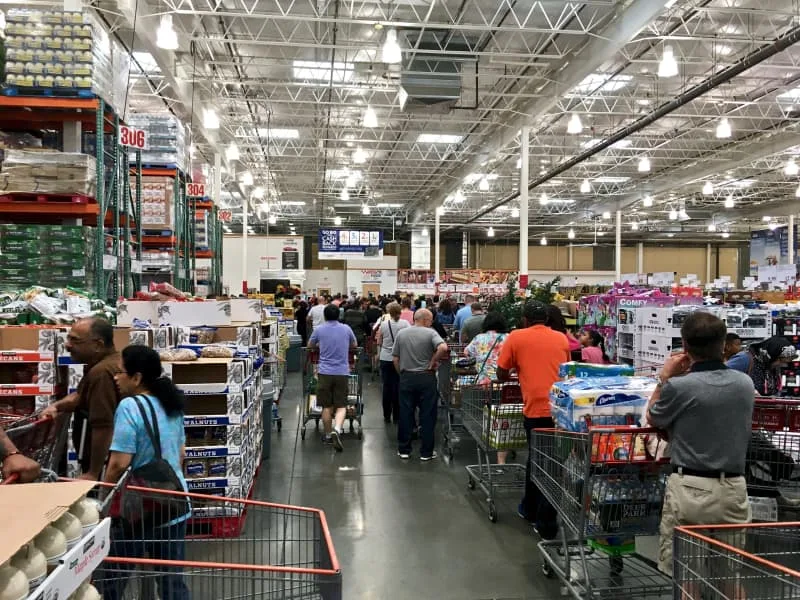
5. In-Store Shopping Encourages Overbuying in a Different Way
It’s often assumed that online shopping fuels impulse buying. That’s only partially true.
In physical stores:
-
Displays are engineered to trigger impulse
-
Seasonal items distract
-
End caps push unplanned purchases
When buying household basics in stores, Americans often walk out with:
-
Extra cleaning products
-
Decorative items
-
Snacks
-
Items unrelated to the original list
Online shopping, especially for reorders, is more task-focused.
Click. Reorder. Done.
For people trying to control spending, that simplicity is powerful.
6. Time Is Now a Bigger Currency Than Money
For many Americans, saving $3 isn’t worth losing an hour.
Between:
-
Rising wages for some
-
Exhaustion for others
-
Childcare logistics
-
Gas costs
Time has become the most protected resource.
Amazon converts time into convenience:
-
No commute
-
No waiting
-
No planning
This is especially true for:
-
Parents
-
Seniors
-
Remote workers
-
People with limited mobility
Household items don’t justify the time cost of a store visit anymore.
7. Amazon Feels Neutral — No Pressure, No Judgment
Physical stores come with social friction:
-
Crowds
-
Noise
-
Lines
-
Interactions
For some Americans, especially introverts or people under stress, that friction matters.
Amazon is quiet, neutral, and impersonal.
No one sees:
-
What brand you chose
-
How much you’re buying
-
Whether you’re using coupons
For people experiencing financial anxiety or fatigue, that neutrality feels safer.
8. Delivery Normalized “Out of Sight, Out of Mind” Spending
Household spending used to feel visible.
You saw items pile up in carts. You felt totals at checkout.
Amazon made spending quieter:
-
No cart judgment
-
No physical receipt shock
-
No visible total accumulation
This can be dangerous — but it’s also why people like it.
The absence of friction makes routine purchases feel lighter, even when totals add up over time.
Many Americans prefer smooth spending over emotionally charged spending.
9. Stores Don’t Always Stock What People Want Anymore
Retail inventory has changed.
Local stores often:
-
Carry fewer brands
-
Push store labels
-
Run out of basics
Amazon’s selection feels endless.
When Americans find:
-
A specific detergent
-
A specific filter
-
A specific brand that works
They stick with it.
Amazon becomes a reliability anchor — not just a store.
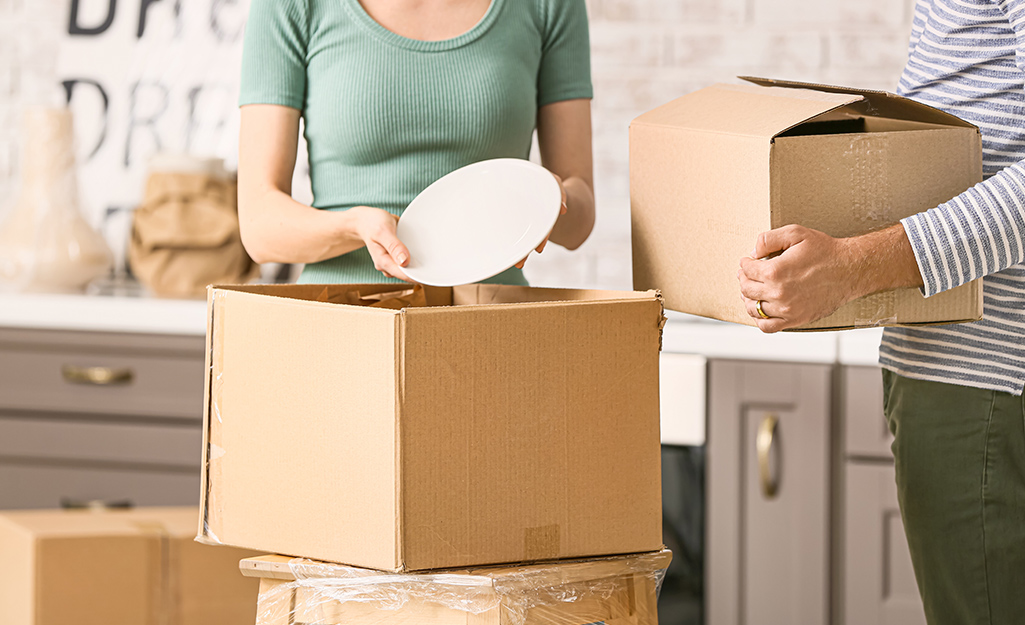
10. Free Shipping Changed Expectations Permanently
Once Americans experienced:
-
Free shipping
-
Fast delivery
-
Easy returns
It reset expectations.
Driving to a store, paying tax, and carrying items home now feels inefficient — especially for non-urgent goods.
Amazon made waiting acceptable — as long as effort is removed.
11. Buying Household Items Online Feels Like “Being Smart”
There’s a quiet identity shift happening.
Buying basics online signals:
-
Efficiency
-
Organization
-
Planning
For many Americans, especially middle-class households, this feels like a form of competence.
It’s not about luxury — it’s about staying ahead.
12. The Trade-Offs Americans Accept (Knowingly or Not)
Americans aren’t unaware of the downsides:
-
Over-ordering
-
Subscription creep
-
Supporting large corporations
-
Less local spending
But convenience often wins — especially when alternatives feel harder.
The decision isn’t moral. It’s practical.
Amazon Didn’t Change Americans — It Adapted to Them
Americans didn’t stop buying household items in stores because they became careless.
They stopped because:
-
Life got heavier
-
Time got scarcer
-
Mental load increased
-
Convenience became essential
Amazon stepped into that gap.
For better or worse, it fits the way Americans now manage daily life — quietly, efficiently, and with as little friction as possible.
Household items aren’t about joy or discovery. They’re about keeping life running.
And Americans increasingly want that part of life handled with one click.
Read next: The 50/30/20 Rule Explained Simply








Leave a Reply