
Money Anxiety in the Middle Class: Too “Rich” for Help, Too “Poor” to Relax
For a large portion of the American middle class, financial stress doesn’t arrive as an emergency. It doesn’t show up as obvious crisis, visible hardship, or complete instability. Instead, it settles in quietly, becoming part of everyday life.
Bills are paid.
Life functions.
Nothing is actively falling apart.
And yet, there is a constant, low-level anxiety around money—one that never fully goes away.
Many middle-class Americans find themselves stuck in an uncomfortable middle ground: earning too much to qualify for meaningful assistance, yet not enough to feel safe, relaxed, or truly secure. They are expected to manage on their own, while carrying financial pressure that is rarely acknowledged or validated.
This is the reality of money anxiety in the middle class.
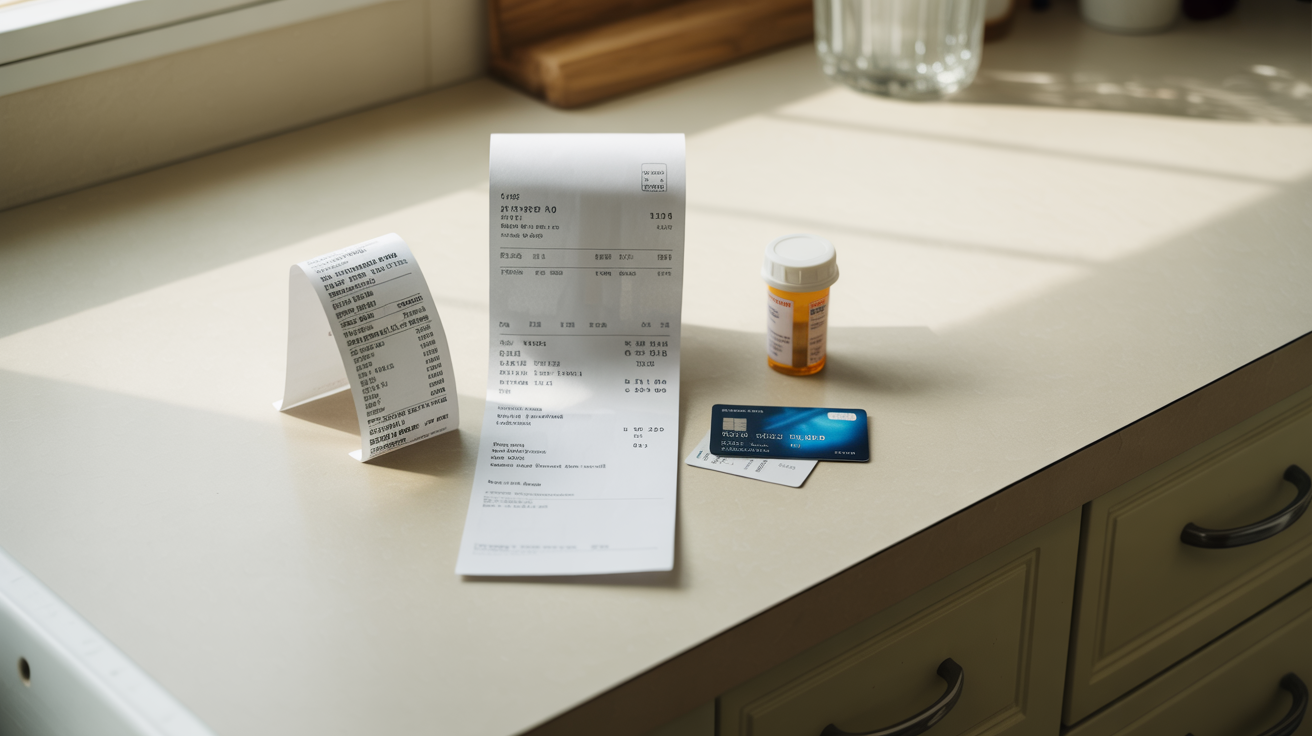
The Middle Class Is Functioning, Not Comfortable
Middle-class life is often described as “doing okay.” And in many ways, that description is accurate.
Rent or mortgage gets paid.
Utilities stay on.
Groceries are bought.
Life moves forward.
But functioning is not the same as feeling secure.
For many households, finances work only because everything lines up precisely. Income arrives on time. Expenses stay within expected ranges. Nothing unexpected happens. The system holds—as long as nothing disrupts it.
That conditional stability is what creates anxiety. Comfort requires margin. Functioning does not.
Too “Rich” for Help, Too “Poor” to Feel Safe
One of the most painful aspects of middle-class money anxiety is the lack of support options.
Many middle-class households:
-
Earn too much to qualify for government assistance
-
Don’t meet criteria for financial aid programs
-
Are expected to absorb costs independently
At the same time, they often lack:
-
Significant savings
-
Flexible income
-
Affordable safety nets
When something goes wrong, there is no clear place to turn. The assumption is that they should be able to handle it—because on paper, they are “fine.”
That gap between expectation and reality creates isolation.
Why Financial Stress Feels Invalid in the Middle Class
Middle-class financial anxiety is often dismissed—by society and by individuals themselves.
People tell themselves:
-
“Others have it worse.”
-
“I shouldn’t complain.”
-
“I’m lucky compared to most.”
Gratitude becomes a silencing mechanism.
Because there is no visible crisis, people feel their stress isn’t legitimate enough to acknowledge. They downplay it, internalize it, and carry it quietly.
But stress doesn’t require crisis to be real. It only requires pressure without relief.
The Weight of Fixed Costs
One reason middle-class anxiety is so persistent is the rise of fixed expenses.
Housing, healthcare, insurance, transportation, childcare, and debt payments now consume a significant portion of income. These costs are not optional, and they don’t adjust easily.
When most income is already allocated before it arrives, flexibility disappears.
This creates a fragile balance:
-
There’s little room to reduce expenses quickly
-
Unexpected costs create immediate strain
-
Even small disruptions feel destabilizing
Middle-class anxiety often isn’t about overspending. It’s about lack of maneuverability.
Living Without Financial Margin
Margin is what turns income into security.
Margin allows:
-
Recovery after setbacks
-
Space to make mistakes
-
Freedom to plan long-term
-
The ability to rest mentally
Many middle-class households have income but no margin. Everything goes somewhere. Nothing accumulates easily.
Without margin, money requires constant attention. Accounts are monitored closely. Spending decisions carry emotional weight. Relaxation feels irresponsible.
That constant vigilance is exhausting.
Why “Just Budget Better” Misses the Point
Middle-class households are often already budgeting carefully.
They track expenses.
They plan payments.
They limit unnecessary spending.
The issue is rarely lack of discipline. It’s lack of slack.
When advice focuses only on optimization—cutting more, saving more, planning better—it ignores the structural reality: many budgets are already tight by design.
You can’t budget your way out of having no margin.

The Psychological Cost of Always Being Responsible
Middle-class anxiety is closely tied to responsibility.
People feel responsible for:
-
Maintaining stability
-
Supporting family members
-
Avoiding visible failure
-
“Doing the right thing” financially
That responsibility creates pressure to never slip.
There’s little room for rest, risk, or experimentation. Every decision feels consequential. Every mistake feels amplified.
Over time, this creates a constant state of low-grade stress that becomes normalized.
Why Relaxation Feels Earned — and Rare
For many middle-class Americans, relaxation feels conditional.
They relax only when:
-
Bills are paid
-
No expenses are pending
-
Nothing unexpected is looming
Even then, the relaxation is temporary.
There’s always something ahead:
-
A renewal
-
A repair
-
A future expense
-
A “just in case” scenario
This makes it difficult to feel at ease in the present. The mind stays slightly ahead of the moment, scanning for what might go wrong next.
The Emotional Gap Between Income and Security
One of the most confusing aspects of middle-class money anxiety is the disconnect between earnings and emotions.
From the outside, income looks sufficient. From the inside, security feels fragile.
This creates self-doubt:
-
“Why am I stressed if I earn this much?”
-
“What am I doing wrong?”
-
“Shouldn’t this feel easier by now?”
When income doesn’t translate into peace of mind, people assume they’ve failed in some invisible way.
But the issue isn’t personal—it’s structural.
How Middle-Class Anxiety Shapes Life Choices
This kind of anxiety influences decisions quietly but powerfully.
People may:
-
Stay in jobs they dislike for stability
-
Avoid career risks or changes
-
Delay family plans
-
Postpone travel or experiences
-
Resist long-term commitments
Not because they don’t want more—but because they can’t afford instability.
The goal shifts from growth to preservation.

Why Comparison Makes It Worse
Middle-class anxiety is intensified by comparison—especially upward comparison.
People see others:
-
Buying homes
-
Traveling freely
-
Seeming relaxed about money
What’s invisible are the differences in support systems, debt, inheritance, location, or risk tolerance.
Comparing internal stress to external appearances deepens the sense of inadequacy, even when circumstances are fundamentally different.
The Silence Around Middle-Class Struggle
Middle-class struggle often goes unnamed because it doesn’t fit existing narratives.
It’s not poverty.
It’s not wealth.
It’s not crisis.
So it doesn’t have a clear language or place in public conversation.
As a result, people assume they’re alone in feeling this way—when in reality, many are carrying the same quiet tension.
What Actually Helps Ease Middle-Class Money Anxiety
Relief doesn’t come from pretending things are fine or aiming for perfection.
It starts with:
-
Naming the anxiety without shame
-
Recognizing that margin—not income—is the issue
-
Redefining progress as resilience, not accumulation
-
Building small buffers where possible
-
Allowing rest without constant justification
Understanding the source of the anxiety softens its grip.
Redefining What “Enough” Means
For the middle class, “enough” isn’t about luxury.
It’s about:
-
Predictability
-
Recoverability
-
Flexibility
-
Mental ease
Enough means knowing one expense won’t undo everything.
That definition looks different today—and acknowledging that shift matters.
The Quiet Truth
Middle-class money anxiety exists in the space between visibility and neglect.
Too “rich” for help.
Too “poor” to relax.
Not failing—but not free.
Recognizing this reality doesn’t fix the system. But it removes the shame of feeling stressed in a life that looks “fine.”
And sometimes, that understanding is the first form of relief.
Read next: Why So Many Americans Feel Behind Financially








Leave a Reply