
9 Common Monthly Expenses You’re Probably Paying Too Much For
If your money seems to disappear faster than it should, you’re not imagining it.
Most people assume overspending comes from big mistakes—luxury purchases, bad decisions, or reckless habits. But in reality, financial stress usually comes from small monthly expenses that quietly pile up.
They don’t feel dramatic.
They don’t trigger guilt.
They don’t look like “bad money choices.”
They just… exist.
A few dollars here. A recurring charge there. Something you signed up for months ago and never revisited. Over time, these costs become invisible—yet they quietly drain your income every single month.
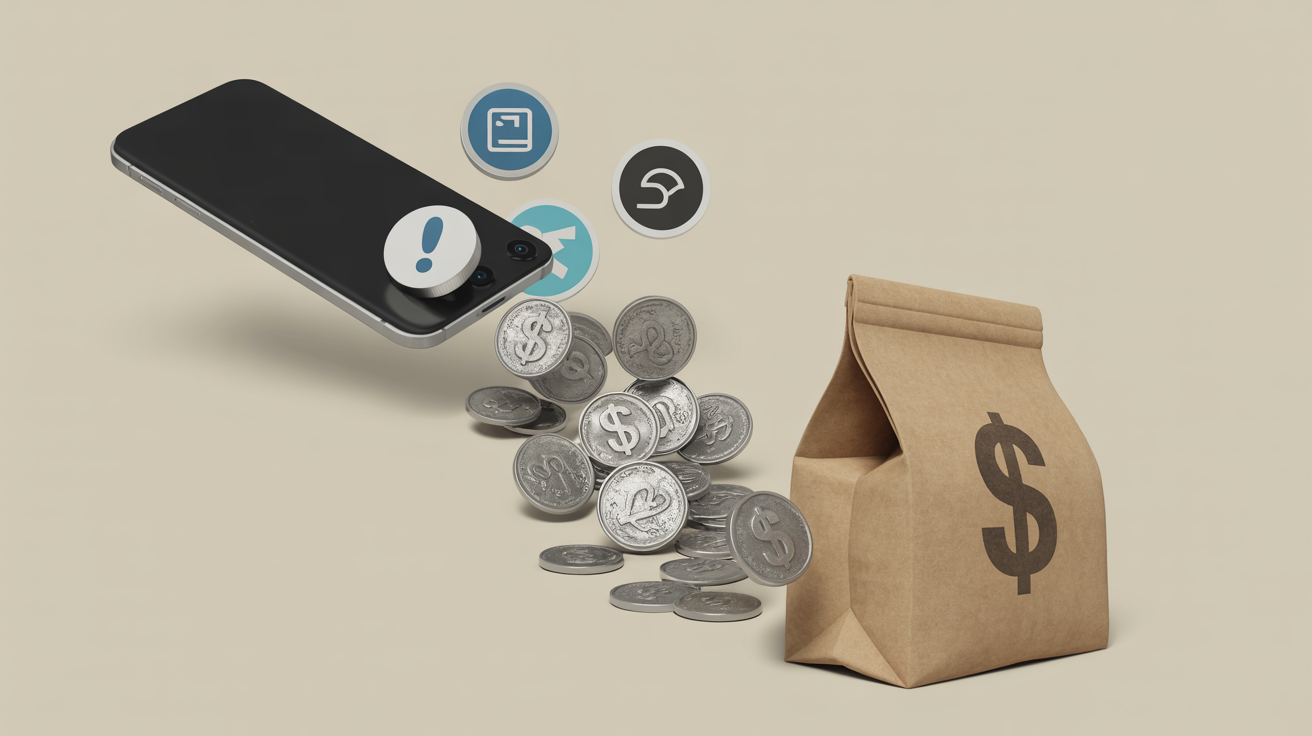
The good news? You don’t need to stop enjoying your life to fix this. You don’t need extreme budgeting, spreadsheets, or deprivation. You just need awareness—and a few smart adjustments.
Here are 9 common things people overpay for every month, plus realistic ways to fix them without feeling restricted.

1. Streaming Subscriptions You Rarely Use
Streaming services are designed to feel harmless. A few dollars here. Another app there. Before you realize it, you’re subscribed to five or six platforms—many of which you barely open.
What makes this expense tricky is psychological comfort. You keep subscriptions “just in case.” Just in case a new show drops. Just in case you want background noise. Just in case.
But convenience you don’t use is still a cost.
Many households spend $80–$120 per month on streaming alone, often watching content on just one or two platforms.
How to stop overpaying:
-
Cancel anything you haven’t used in the last 30 days
-
Rotate subscriptions instead of keeping them all year
-
Downgrade plans (most people don’t need premium tiers)
You’re not giving up entertainment—you’re just choosing it more intentionally.
2. Your Cell Phone Plan
Phone bills are one of the most normalized forms of overpaying.
Unlimited data plans. Add-ons you forgot about. Insurance you’ve been paying for years. Old contracts that haven’t been competitive in a long time.
A $90–$120 phone bill has become “standard,” even though many people use far less data than they think.
Why this happens:
-
Carriers rely on inertia
-
People fear losing service quality
-
Plans are intentionally confusing
How to stop overpaying:
-
Check your actual data usage for the past 3 months
-
Switch to a prepaid or smaller carrier
-
Remove add-ons like insurance or international features you never use
Dropping your phone bill by $30–$50 per month won’t change your daily life—but it will change your monthly breathing room.
3. Food Delivery and Convenience Spending
Food delivery apps don’t feel expensive because the costs are broken into pieces.
The food seems reasonable.
The delivery fee seems small.
The service fee feels unavoidable.
The tip feels polite.
But together? That $14 meal becomes $28 without you even noticing.
The issue isn’t ordering food sometimes—it’s letting convenience become routine.
Why this adds up fast:
-
Inflated menu prices
-
Multiple stacked fees
-
Habitual ordering when tired or stressed
How to stop overpaying:
-
Limit delivery to once a week or once a month
-
Choose pickup instead of delivery
-
Keep 2–3 ultra-easy meals at home for low-energy days
You don’t need to cook every night. You just don’t need to pay double for basic meals.
4. Bank Fees You Shouldn’t Be Paying
Monthly maintenance fees. ATM fees. Overdraft charges. “Account service” fees.
Many people assume these charges are unavoidable—but they’re often completely optional.
Banks make billions every year from customers who don’t question small recurring fees.
Why people overpay:
-
They opened accounts years ago
-
Fees feel too small to fight
-
Switching feels inconvenient
How to stop overpaying:
-
Switch to a no-fee checking account
-
Set low-balance alerts
-
Turn off overdraft “protection” if it keeps triggering fees
Paying a bank to hold your money is one of the most unnecessary expenses you can eliminate.
5. Auto Insurance That Was Never Re-Shopped
Insurance companies reward new customers and quietly penalize loyal ones.
If you haven’t compared rates in years, there’s a strong chance you’re overpaying—even with a clean driving record.
Why this happens:
-
People assume loyalty equals savings
-
Premium increases feel gradual
-
Shopping feels time-consuming
How to stop overpaying:
-
Compare rates once a year
-
Ask about discounts you’re not using
-
Adjust deductibles if your emergency fund allows it
Even a small reduction can save hundreds per year without reducing coverage.
6. Gym Memberships You Don’t Fully Use
Gym memberships are emotional expenses.
They represent who you want to be, not always how you live right now. That makes them harder to cancel—even when you’re barely using them.
Many people pay $60–$120 per month while going only a few times.
Why it’s hard to let go:
-
Guilt
-
Hope
-
Identity attachment
How to stop overpaying:
-
Downgrade to a cheaper plan
-
Freeze your membership instead of canceling
-
Switch to pay-per-class or home workouts
Fitness isn’t about where you work out—it’s about consistency. And consistency doesn’t have to be expensive.

7. Internet and Cable Bundles
Cable and internet bills often stay untouched for years.
People pay for:
-
Channels they never watch
-
Speeds they don’t need
-
Bundles that stopped saving money long ago
Providers count on customers avoiding the phone call.
How to stop overpaying:
-
Compare competitor pricing in your area
-
Call and ask for a loyalty discount
-
Cut cable and stream intentionally
Yes, it’s annoying. But a 20-minute call can save $300–$600 per year.
8. Subscription Apps You Forgot About
Free trials. App upgrades. Storage plans. Editing tools. Meditation apps.
These subscriptions are small enough to ignore—but powerful enough to add up fast.
Why they’re dangerous:
-
Charges are easy to miss
-
Names aren’t always recognizable
-
They renew automatically
How to stop overpaying:
-
Review your bank statements line by line
-
Cancel anything you don’t recognize immediately
-
Do a subscription audit every 3–6 months
If you don’t know what it is, you probably don’t need it.
9. Household Utilities on Autopilot
Utilities feel fixed—but they’re often more flexible than people think.
Many households overpay simply because they never look at usage trends or available programs.
How to stop overpaying:
-
Compare month-to-month usage
-
Ask about budget billing or efficiency programs
-
Replace small items like LED bulbs or power strips
You don’t need to live uncomfortably—you just need to stop paying for invisible waste.
The Real Problem Isn’t Spending—It’s Awareness
Most people don’t struggle financially because they’re reckless.
They struggle because recurring expenses run on autopilot.
Fixing even three of these areas can free up enough money to:
-
Build savings without stress
-
Pay down debt faster
-
Feel calmer about money every month
You don’t need perfection.
You don’t need restriction.
You just need intention.
Small changes compound—and that’s where real financial relief begins.
Read next: Unlearning Financial Trauma and Money Guilt: How to Heal Your Relationship With Money








Leave a Reply