
When headlines reveal that a billionaire actor or chart-topping musician paid a surprisingly low tax bill, reactions are often split between disbelief and frustration. “How is that even legal?” people ask. The truth is, most celebrities aren’t evading taxes — they’re strategically managing them.
Celebrities don’t have secret laws written just for them. They operate under the same tax codes as everyone else, but with one major difference: they use the rules deliberately, proactively, and consistently. And while you may not have a Hollywood salary, many of the principles they rely on are accessible to everyday earners, freelancers, and business owners.
Let’s take a closer look at how celebrities legally reduce their tax bills — and, more importantly, what you can learn from their approach.

1. They Think of Taxes as a Year-Round Strategy, Not a Deadline Panic
One of the biggest advantages celebrities have is mindset. Taxes aren’t something they think about in April — they’re part of ongoing financial planning.
Actors, athletes, and influencers typically work with tax professionals year-round. Every contract, investment, and purchase is considered through a tax lens before it happens. This allows them to structure income and expenses in the most efficient way possible.
What you can learn
You don’t need a full-time accountant to adopt this approach. Simply shifting from “tax season panic” to year-round awareness can dramatically reduce what you owe.
-
Track income monthly, not annually
-
Keep receipts as you go
-
Review deductions quarterly
-
Ask tax questions before making big financial moves
Proactive planning almost always beats last-minute filing.
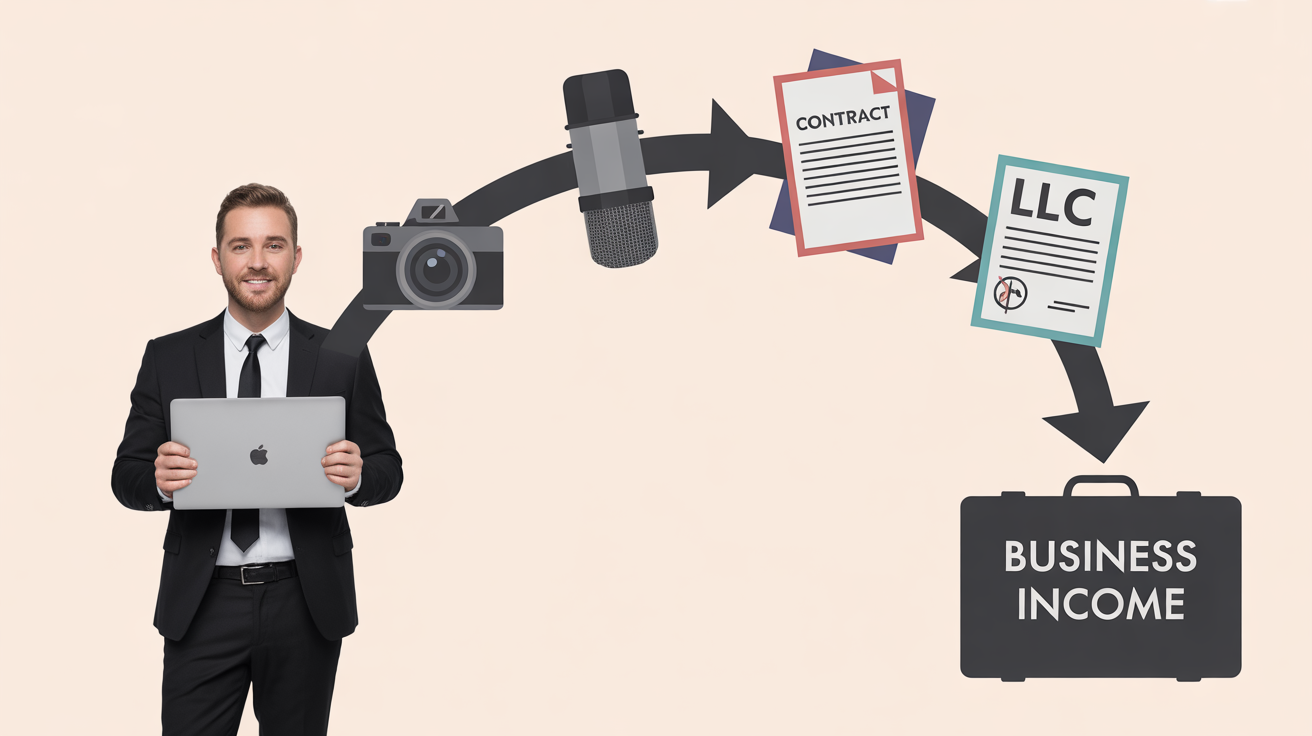
2. They Turn Their Careers Into Businesses
Most celebrities don’t earn income as “employees.” Instead, they operate through business entities, such as LLCs or corporations. Their acting career, music brand, or influencer presence is treated as a business — not just a job.
This allows them to deduct a wide range of expenses related to earning income, including:
-
Travel
-
Styling and wardrobe
-
Agents and managers
-
Marketing and PR
-
Office space
-
Equipment and technology
When income flows through a business, taxes become more flexible and manageable.
What you can learn
If you freelance, consult, create content, or earn money outside a traditional paycheck, you may also qualify to operate as a business.
Even a simple side hustle can open the door to:
-
Home office deductions
-
Phone and internet write-offs
-
Software and tools
-
Professional services
You don’t need fame — you need legitimate income-generating activity.
3. They Use Income Timing to Their Advantage
Celebrities often earn income in irregular bursts — a movie deal one year, royalties the next, touring income later on. Because of this, income timing becomes a powerful tool.
They may:
-
Delay receiving income until a lower-tax year
-
Spread income across multiple years
-
Accelerate deductions into high-income years
This helps smooth out tax liability instead of paying peak rates all at once.
What you can learn
While employees have less control over timing, freelancers and business owners often have options.
Examples include:
-
Invoicing late in December instead of early
-
Prepaying deductible expenses before year-end
-
Contributing to retirement accounts to lower taxable income
Even small timing adjustments can reduce what you owe.
4. They Invest — and Let the Tax Code Reward Them
Many celebrities earn far more from investments than from their primary careers. Real estate, stocks, private equity, and businesses all come with tax advantages when managed correctly.
Common strategies include:
-
Long-term capital gains (taxed lower than regular income)
-
Depreciation on real estate
-
Losses that offset other income
-
Tax-deferred growth in certain accounts
The tax system often favors assets over paychecks.
What you can learn
You don’t need millions to benefit from investing wisely.
Start by understanding:
-
The difference between short-term and long-term gains
-
Tax-advantaged accounts (like retirement plans)
-
How losses can offset gains
Investing isn’t just about growing money — it’s about controlling how it’s taxed.
5. They Donate Strategically, Not Emotionally
Many celebrities are known for philanthropy, but charitable giving is rarely random. Donations are often planned to maximize tax benefits while supporting causes they care about.
Some donate appreciated assets instead of cash, avoiding capital gains taxes. Others bundle donations into high-income years to maximize deductions.
What you can learn
Charitable giving can be both generous and tax-efficient.
-
Keep donation receipts
-
Understand deduction limits
-
Consider donating assets, not just cash
-
Time larger donations strategically
Giving back doesn’t have to mean giving up financial stability.

6. They Live Where Taxes Are Lower (When Possible)
You’ve probably noticed that many celebrities live in places with no state income tax or favorable tax laws. While not everyone can relocate, location plays a major role in tax planning.
Celebrities often:
-
Establish residency in tax-friendly states
-
Carefully track time spent in different locations
-
Structure businesses in favorable jurisdictions
What you can learn
Relocation isn’t always realistic, but awareness matters.
-
Understand your local and national tax rules
-
Factor taxes into major life decisions
-
Avoid accidental tax residency issues
Even knowing your region’s deductions and credits can make a difference.
7. They Pay for Expertise — and Save More Than It Costs
One of the most underrated celebrity tax strategies is simple: they don’t DIY complex finances. Tax professionals, accountants, and financial advisors help them avoid costly mistakes and uncover savings most people miss.
The fee paid to professionals is often far less than the taxes they help save.
What you can learn
You don’t need a celebrity-level team, but even occasional professional advice can pay off.
-
Consult a tax preparer for complex years
-
Ask questions, don’t assume
-
Use expertise when income increases
Think of professional help as an investment, not an expense.
8. They Understand That Tax Reduction Isn’t Tax Evasion
A crucial distinction: most celebrity tax strategies are legal. They follow the law closely and structure finances accordingly. Tax evasion — hiding income or lying — carries serious consequences, even for the rich and famous.
Smart tax planning is about:
-
Using deductions legally
-
Structuring income properly
-
Following reporting rules carefully
What you can learn
Aggressive shortcuts often backfire. Sustainable savings come from knowing the rules and playing within them.
Final Thoughts: The Real Celebrity Tax Advantage
The biggest advantage celebrities have isn’t money — it’s intentionality. They:
-
Plan ahead
-
Treat income seriously
-
Understand the system
-
Use tools available to them
You don’t need fame to adopt the same mindset.
By thinking strategically, educating yourself, and making deliberate financial choices, you can reduce stress, avoid surprises, and keep more of what you earn — legally and responsibly.
Because in the end, the smartest tax move isn’t copying celebrity loopholes.
It’s learning how the system works and using it wisely.
Read next: Strange but True Tax Write-Offs You Didn’t Know About









Leave a Reply