
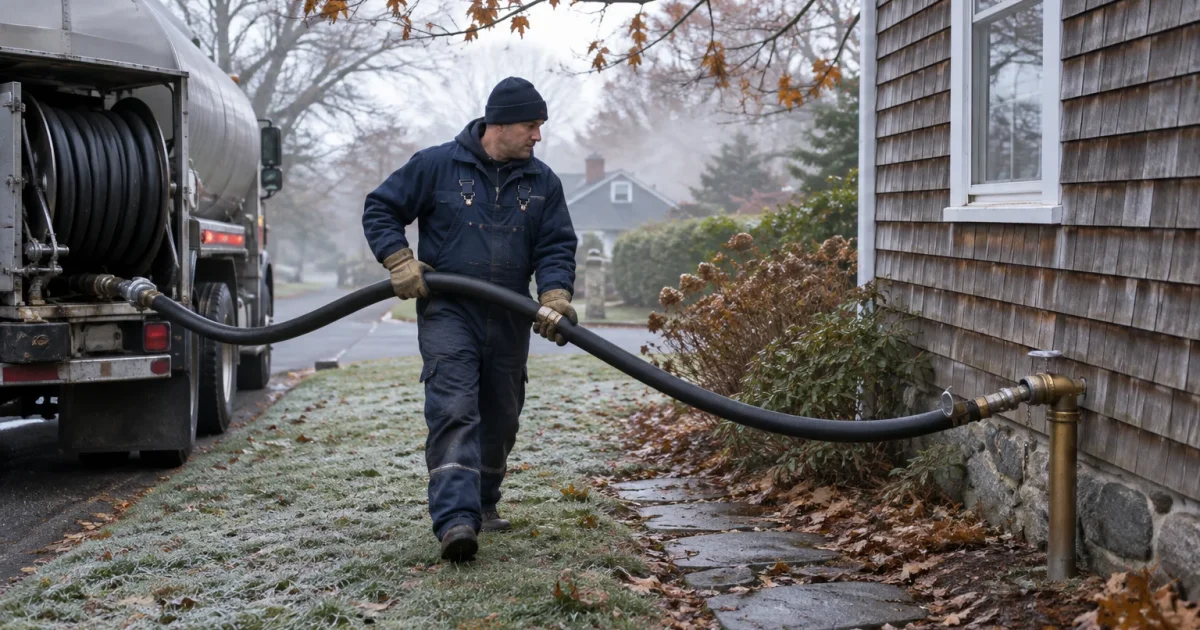
Heating oil prices are pushing household budgets to the limit this winter, with average bills projected to top $2,100. You can lower these costs right away by changing how you buy fuel and claiming available aid.
National residential prices recently hovered near $5.47 per gallon, leaving many families searching for relief. Locking into the wrong plan today could trap you in peak market rates for the rest of the season.
Practical steps exist to protect your home heating budget, from regional buying co-ops to thousands of dollars in state grants. Here are seven legitimate ways to cut your heating oil expenses before deep freezes arrive.
1. Join a Regional Fuel-Buying Co-op
Heating oil co-ops pool thousands of local households to negotiate wholesale volume discounts. Groups like the Citizens Oil Co-op use combined buying power to secure contracts with established local fuel dealers.
You keep standard full-service benefits, including 24-hour emergency repairs and automatic deliveries. However, you pay a negotiated rate that typically sits 15 to 30 cents per gallon below state averages.
Most co-ops charge a small annual membership fee between $15 and $35. A single winter delivery usually saves enough money to cover that cost immediately.
2. Avoid Bad Fixed Contracts and Buy on Spot Dips
Fixed-price contracts sound safe, but locking in a rate during market peaks can cost you hundreds of dollars. Oil dealers add high risk premiums when wholesale prices spike.
According to the U.S. Energy Information Administration (EIA), residential heating oil averaged $5.468 per gallon in late November 2026. The agency projects retail prices will ease toward $5.15 per gallon by March 2027.
Consider buying fuel on a cash-on-delivery (COD) basis instead of signing an expensive fixed plan. Ordering online during price dips lets you capture falling prices throughout the winter.
3. Apply for LIHEAP Winter Fuel Grants
You do not have to carry soaring fuel costs alone if your income dropped recently. The federal Low Income Home Energy Assistance Program (LIHEAP) provides direct cash grants for heating bills.
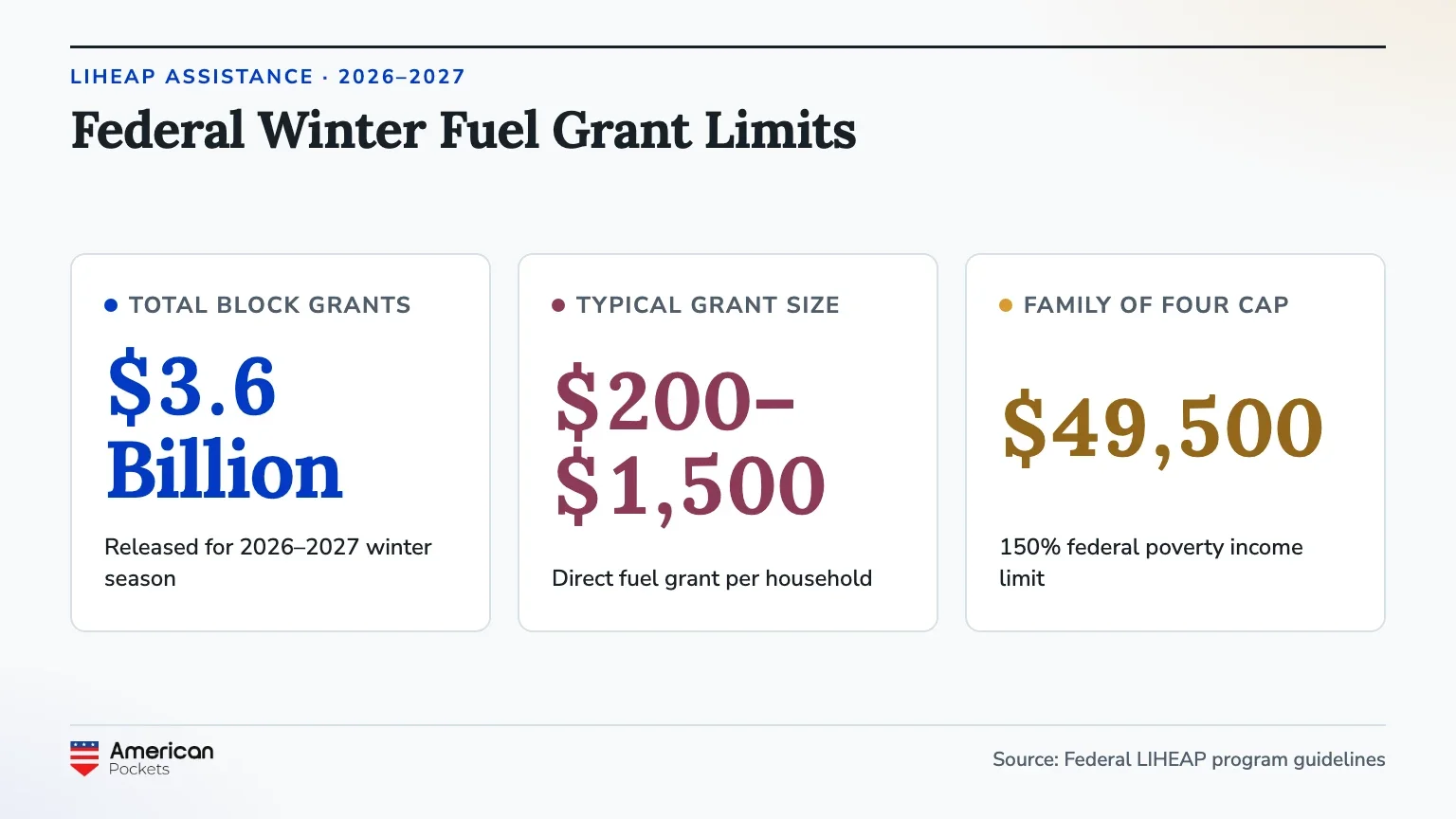
The federal government released $3.6 billion in LIHEAP block grants for the 2026–2027 heating season. In most states, grants range from $200 to $1,500 per household.
Eligibility generally reaches up to 60% of state median income or 150% of federal poverty guidelines. That limit equals $23,940 for an individual and $49,500 for a family of four.
You can search for your local intake agency through energyhelp.us to submit an application. Apply as soon as possible because state funding pools can run out before spring.
4. Tap the Free Weatherization Assistance Program
Reducing how much oil your furnace burns is the most permanent way to save money. The Department of Energy runs the Weatherization Assistance Program to upgrade homes for qualifying residents.
Households earning up to 200% of federal poverty guidelines can qualify for free home improvements. That cutoff is $31,920 for a single person and $66,000 for a family of four.
The program spends an average of $8,813 per home on insulation, air sealing, and burner safety checks. These free upgrades save households an average of $372 or more on energy bills every year.
5. Use State Rebates Instead of Expired Federal Tax Credits
Do not count on federal energy tax credits for heating upgrades this winter. The Section 25C and Section 25D credits expired on December 31, 2025, under federal law.
You cannot claim federal tax credits on your 2026 tax returns for heat pumps or insulation. However, state-level Home Energy Rebates funded by the federal government remain active.
Fourteen states have launched rebate programs that offer up to $14,000 for income-qualified electric and weatherization upgrades. Check your state energy office to see if funding is open before booking a contractor.
6. Schedule a Burner Tune-Up to Boost Efficiency
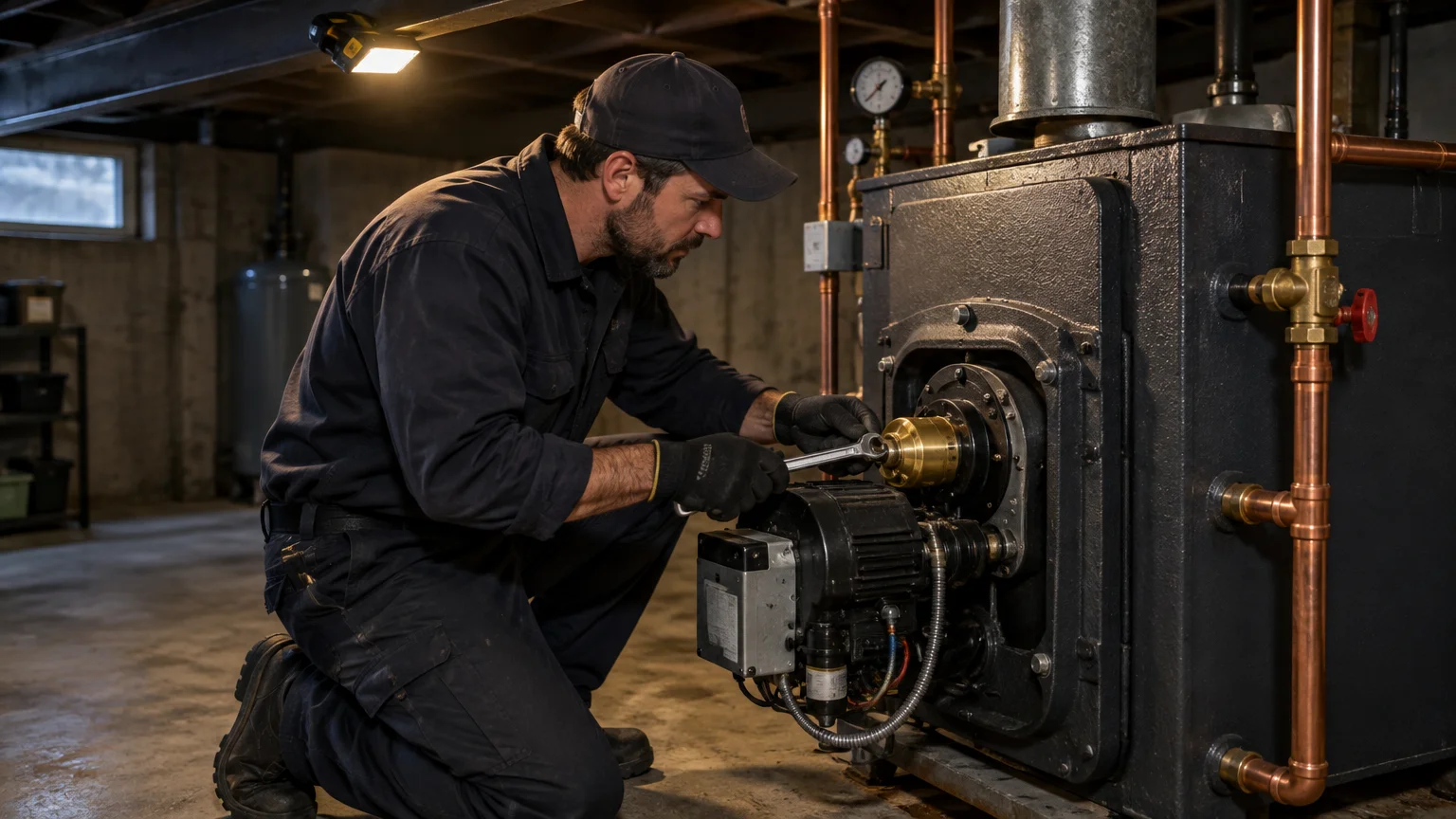
A dirty heating system burns extra gallons of oil just to reach your thermostat’s target temperature. Soot buildup on heat exchanger surfaces traps heat inside the exhaust instead of warming your home.
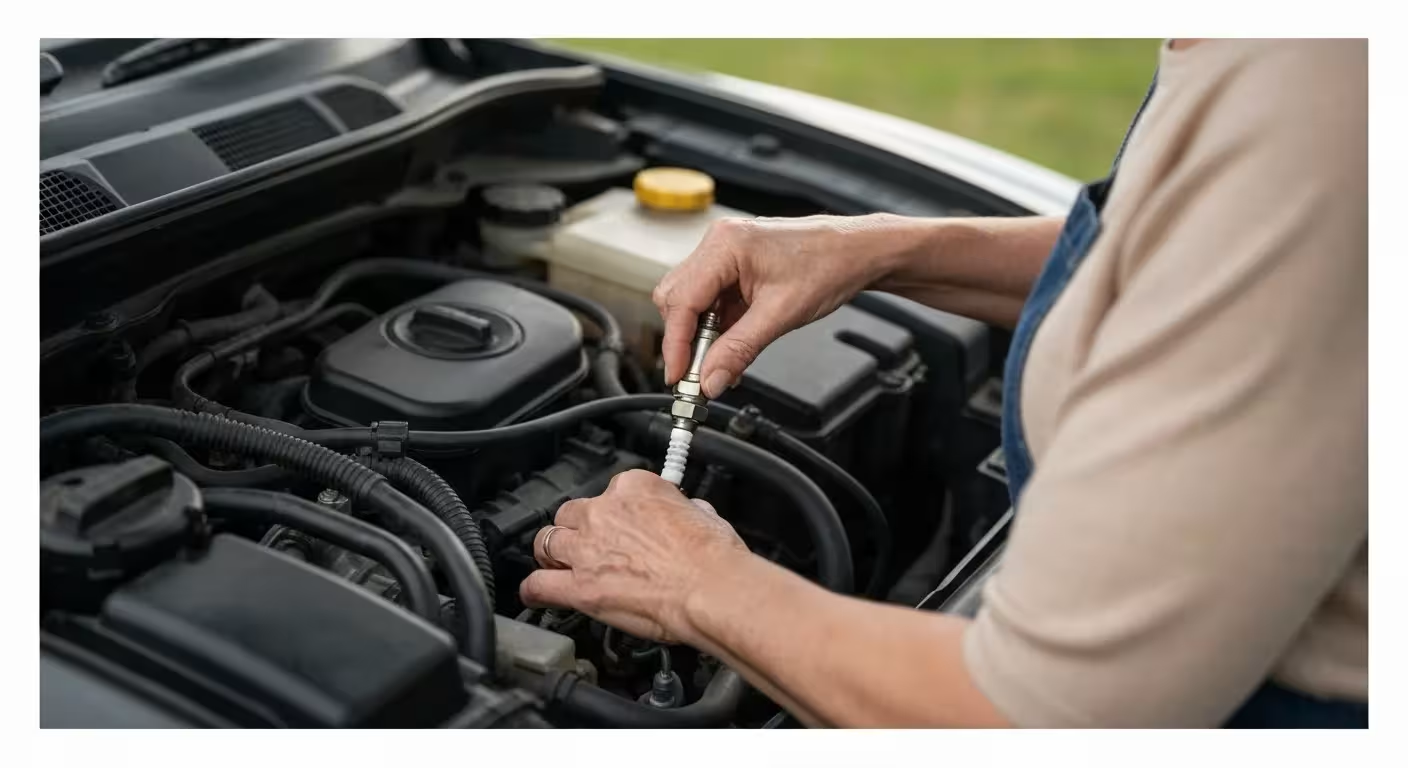
A licensed technician cleans the burner, inspects the combustion chamber, and replaces the nozzle and filter. This service visit typically costs between $150 and $250.
Regular maintenance improves combustion efficiency by 5% to 10%. Over a full winter, that efficiency gain can easily save 50 to 100 gallons of expensive fuel.
7. Optimize Thermostat Settings and Plug Drafts
Small daily adjustments trim your fuel use without sacrificing basic comfort. Lowering your thermostat by 7 to 10 degrees for eight hours a day can save up to 10% a year.
Keep your daytime temperature around 68 degrees when you are home, and drop it lower while sleeping. A programmable thermostat automates these setbacks so your furnace never runs needlessly in empty rooms.
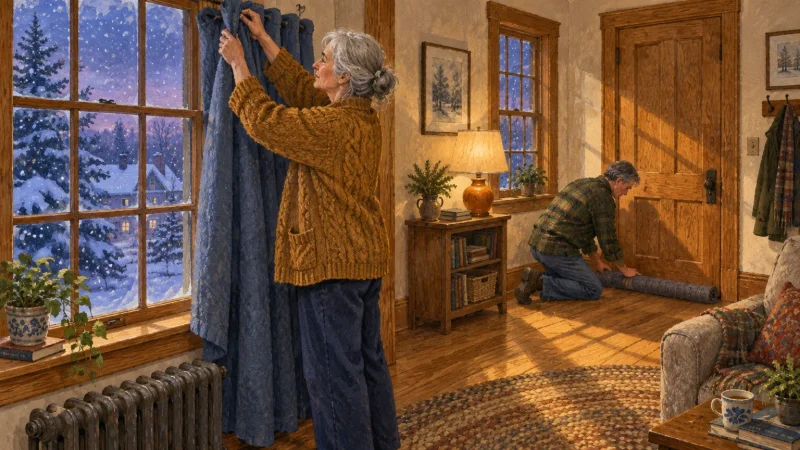
Take simple steps around the house to stop heat loss:
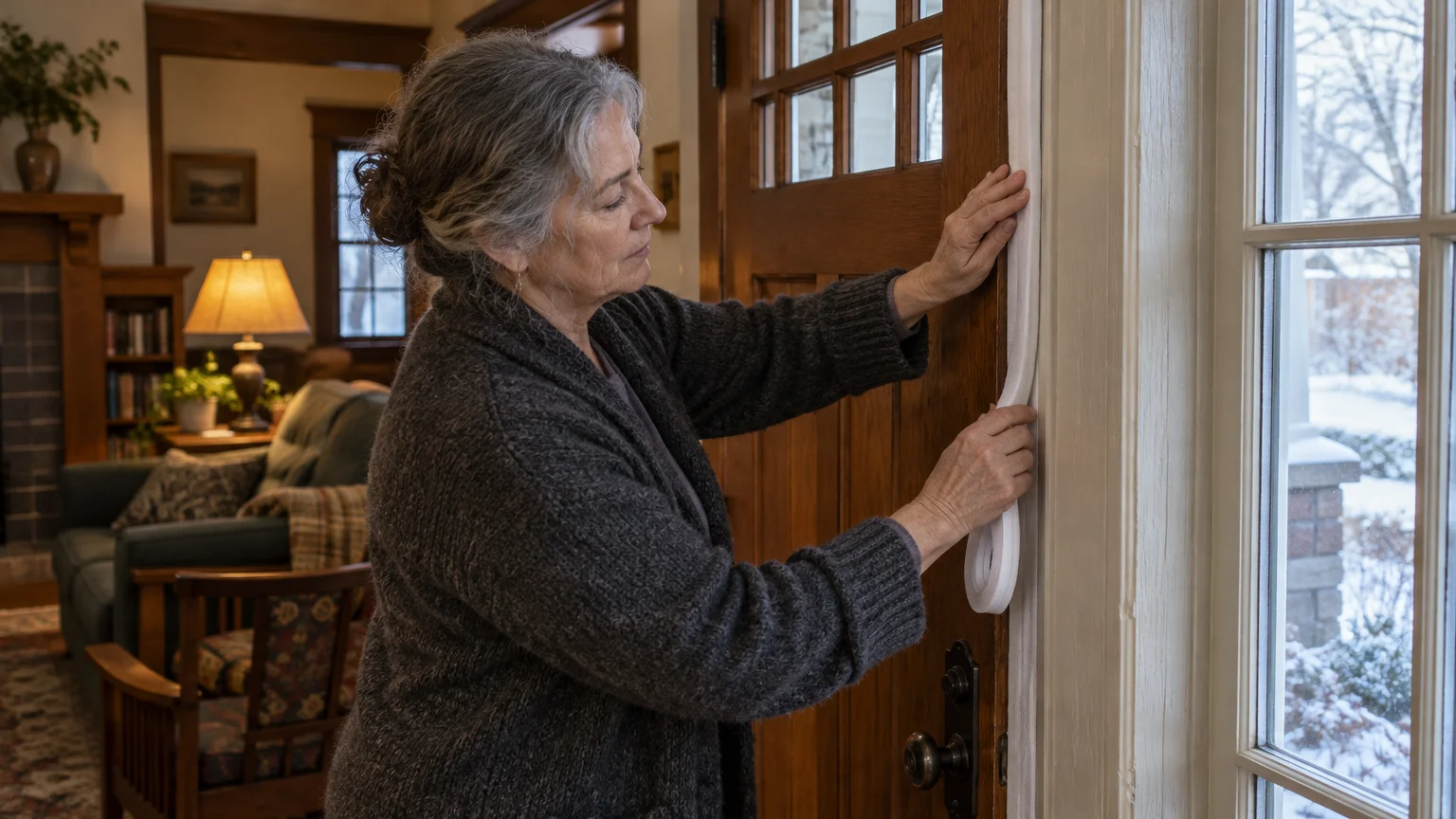
- Add adhesive foam weatherstripping around drafty exterior door frames.
- Install clear plastic window insulation kits over older, drafty window panes.
- Seal open gaps around basement rim joists with expanding spray foam.
- Close fireplace dampers tightly whenever you are not burning wood.
Comparing Fuel Savings and Assistance Options
Different strategies offer different financial trade-offs depending on your household income and heating setup. Here is how the top options compare.
| Strategy | Upfront Cost | Typical Savings | Best For |
|---|---|---|---|
| Fuel-Buying Co-op | $15–$35 annual fee | 15¢ to 30¢ per gallon | Homeowners wanting automatic delivery with lower pricing |
| COD Spot Orders | None | 20¢ to 50¢ per gallon | Households tracking daily oil market price drops |
| LIHEAP Grant | Free to apply | $200 to $1,500 grant | Income-qualifying families needing winter fuel assistance |
| Annual Burner Tune-Up | $150–$250 | 5% to 10% fuel reduction | Any oil-heated home that skipped maintenance this year |
Worth Keeping in Mind
Before you switch fuel dealers or order oil, keep several practical factors in mind.
Never let your heating oil tank run completely dry. Drawing from the very bottom pulls heavy sludge into your fuel lines, which clogs the burner and triggers expensive emergency repair bills.
Most discount cash-on-delivery dealers enforce a minimum order of 100 to 150 gallons per trip. Make sure your tank has enough physical room and that you have funds ready before scheduling delivery.
If you rent your home, you can still access relief. Renters can receive LIHEAP grants directly and qualify for free weatherization if their landlord signs an approval form.
Next Steps for Lower Winter Bills
Managing your home heating budget requires quick action before freezing temperatures set in. Check spot prices in your area, join a local fuel co-op, and apply for state assistance if your household qualifies.
The information here is meant for educational purposes. Specific circumstances—including health conditions, finances, location, and goals—may require different approaches. When in doubt, consult a licensed professional or check official sources directly.
Last updated: November 2026. Rules, prices, and details change—verify current information with official sources before acting on it.






Leave a Reply