
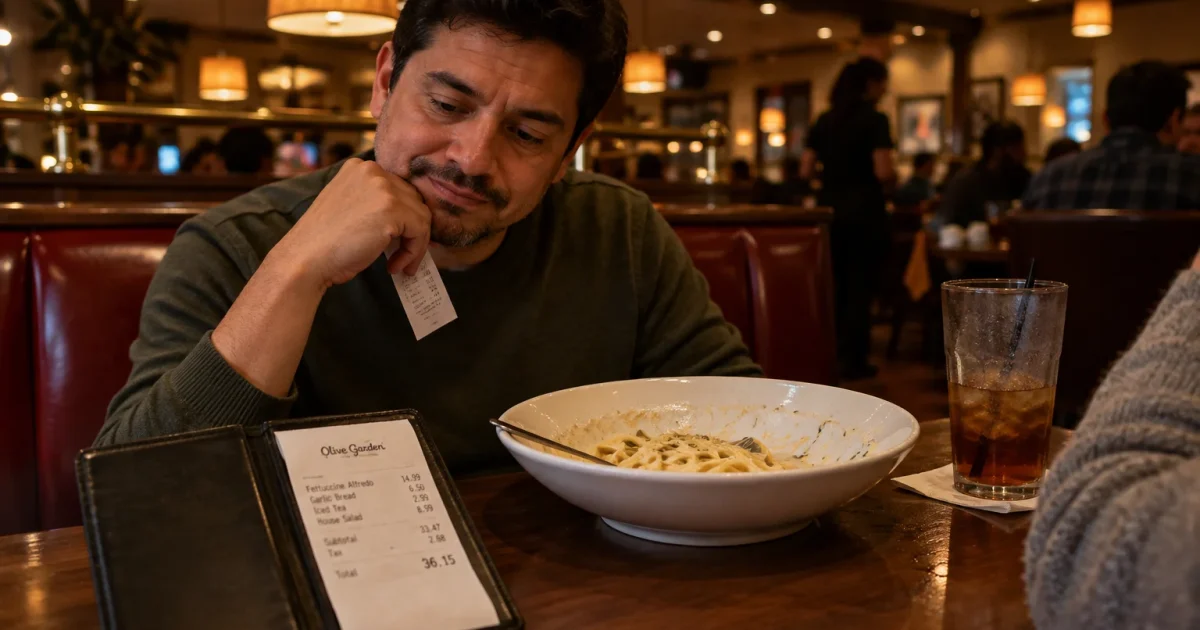
Every time you sit down at a casual chain restaurant, menu engineers steer you toward high-margin, low-cost dishes. Spotting these overpriced traps helps you slash dining expenses without sacrificing a fun night out.
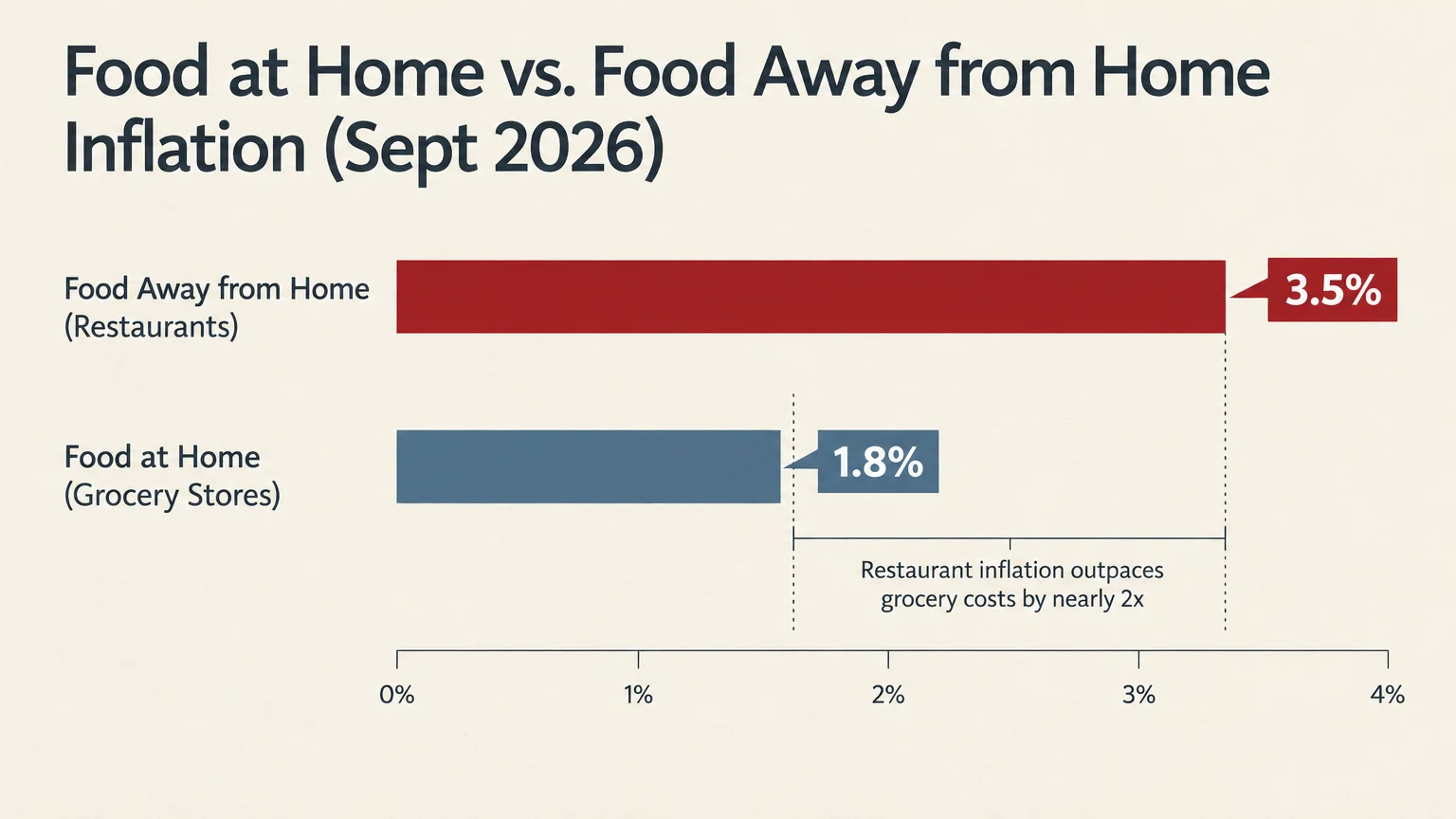
With restaurant prices climbing nearly double the rate of grocery store inflation, ordering the wrong item wastes serious money. Knowing which plates deliver poor value protects your monthly budget.
Here are eight chain restaurant dishes that consistently fail to justify their steep price tags, along with smarter swaps to order instead.
The Widening Gap Between Grocery Bills and Restaurant Menus
Dining out has become significantly more expensive over the past few years. You feel the pinch every time the server hands you the final check.
According to the U.S. Bureau of Labor Statistics, the food away from home index rose 3.5% year-over-year in September 2026. In contrast, grocery store prices increased by only 1.8% during the same period.
Restaurant pricing pressures continued into the fall. Monthly consumer data revealed a 0.5% jump in dining costs in October 2026, driven by a 0.7% surge in full-service meals.
Research from the USDA Economic Research Service confirms that restaurant markups continue to outpace supermarket costs. Chains must cover surging commercial rents, rising utility rates, and higher hourly wages.
To preserve profit margins, casual dining chains target an overall food cost between 28% and 35% of menu prices. Fast-casual concepts run even leaner, targeting food costs between 25% and 30%.
When ingredient prices rise on premium proteins, operators do not raise all menu prices evenly. Instead, they inflate prices on cheap, carbohydrate-heavy items to subsidize more expensive cuts of meat.
Understanding which plates carry massive markups helps you avoid paying prime prices for pantry staples. Let us look at the worst offenders across the country.
1. Meatless Pasta Dishes at The Cheesecake Factory
The Cheesecake Factory boasts an enormous menu spanning hundreds of items. However, its pasta section contains some of the steepest markups in the entire casual dining industry.
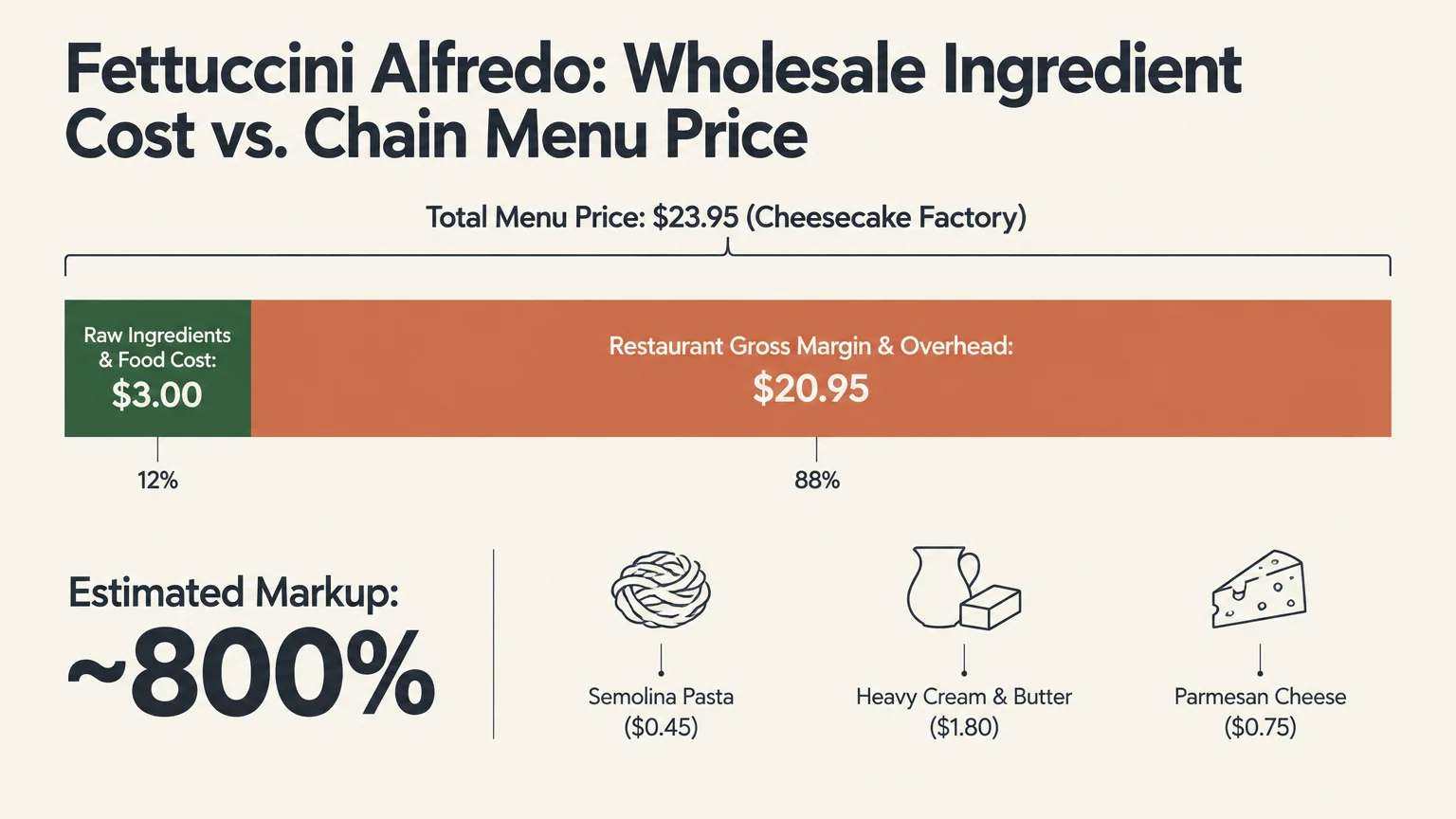
Meatless options like Fettuccini Alfredo, Four Cheese Pasta, and Pasta Carbonara range from $23.95 to $29.95 depending on your local market. Evelyn’s Favorite Pasta, which simply combines penne with garden vegetables, climbs as high as $31.50.
Dry semolina pasta costs restaurants pennies per serving, even when purchased in small wholesale batches. Heavy cream, garlic, butter, and grated cheese add minimal expense to the actual plate.
The total food cost for a giant bowl of Fettuccini Alfredo rarely exceeds $3.00. That means you pay a markup approaching 800% for boiled wheat and dairy.
Adding protein inflates the damage even further. Tossing chicken or shrimp into your Fettuccini Alfredo pushes the total price between $30.95 and $39.90 before tax and tip.
For nearly $40, you could buy several pounds of fresh butcher-shop seafood and prepare high-end meals at home. Ordering simple pasta at this price point delivers remarkably poor financial value.
If you crave pasta when dining out, seek complex recipes that require hours of culinary labor. Dishes with slow-braised short ribs or house-made stuffed ravioli justify their cost far better than melted butter and noodles.
2. Starch-Heavy Platters and Combos at Olive Garden
Olive Garden built an empire on unlimited soup, salad, and warm breadsticks. Diners often perceive the brand as a budget-friendly family sanctuary.
Yet a close look at the menu reveals surprisingly aggressive pricing on plain starch dishes. A basic plate of meatless Fettuccine Alfredo runs between $16.49 and $20.59 depending on location.
Similarly, the Five Cheese Ziti al Forno costs $17.79 to $19.29 across most metropolitan markets. This dish consists almost entirely of baked pasta, bulk marinara sauce, and melted mozzarella.
Pasta and pizza typically carry raw ingredient food costs of only 18% to 25% across the restaurant industry. Shelf-stable dry pasta and canned tomato bases represent some of the cheapest inventory a kitchen buys.
Olive Garden’s famous combination platter, the Tour of Italy, costs between $22.99 and $27.49. This dish combines small portions of Chicken Parmigiana, Lasagna Classico, and Fettuccine Alfredo.
While the variety appeals to indecisive eaters, the plate remains overwhelmingly dominated by carbohydrates. You pay premium dining prices for ingredients that cost the kitchen less than $4.50 combined.
If you want real value at Olive Garden, skip the standalone pasta plates entirely. Focus instead on protein-forward entrées or fill up on the unlimited soup and salad combination during lunch hours.
3. Ground Beef Burgers at Texas Roadhouse
Steakhouses purchase beef in massive wholesale volumes, giving them favorable bulk pricing from commercial distributors. You visit a steakhouse specifically to enjoy professional, high-heat grilling on premium cuts.
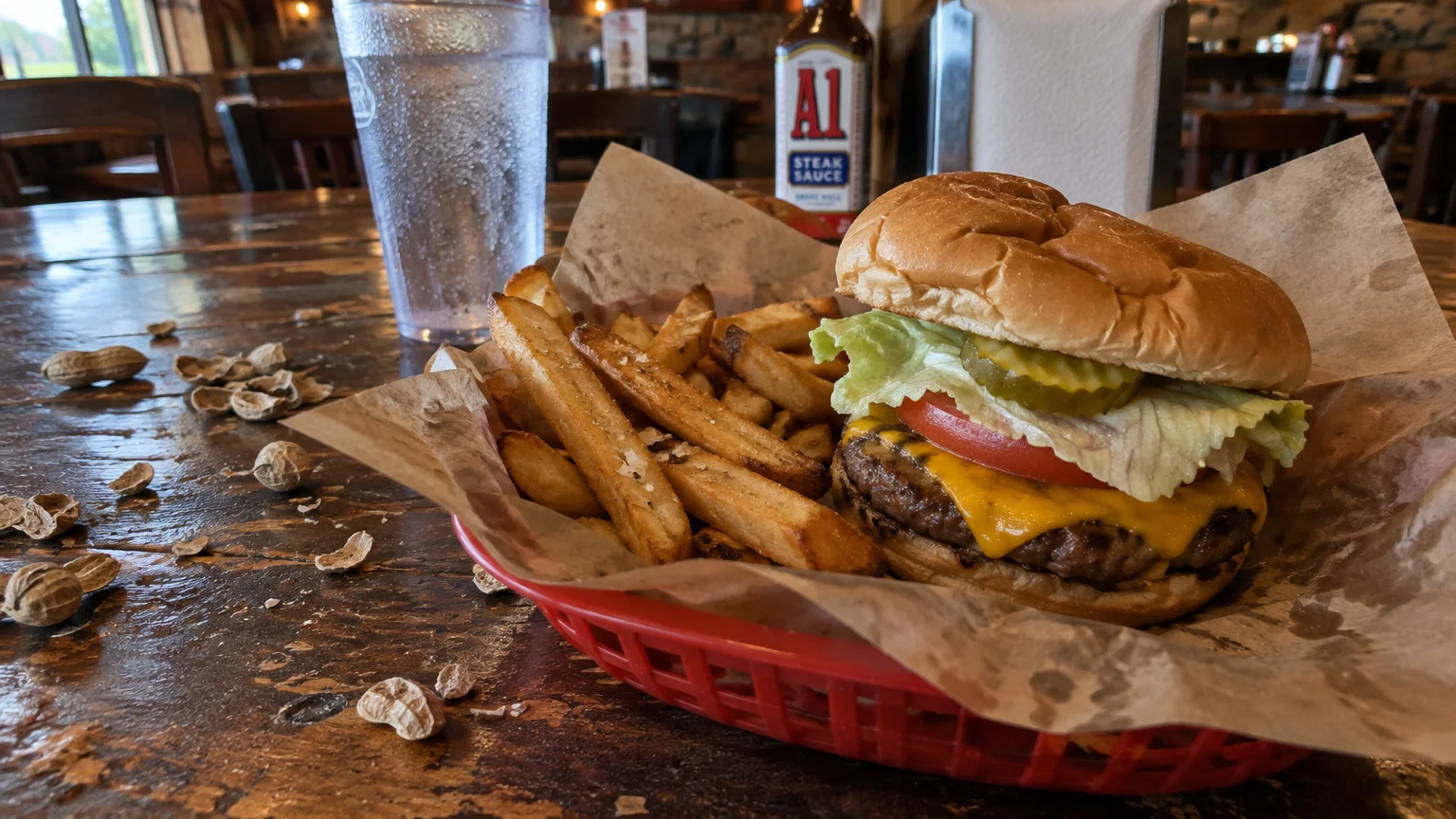
Ordering a basic burger or sandwich at Texas Roadhouse turns that value proposition completely upside down. Following a 1.9% menu-wide price increase in April 2026, burgers and sandwiches run between $12.49 and $14.49.
A ground beef patty costs the kitchen significantly less than whole-muscle beef cuts. Paying nearly $15 for ground chuck represents one of the worst relative values on the entire menu.
For that exact same $14.49 price tag, you can order a 6-ounce hand-cut USDA Choice sirloin steak dinner. That steak entrée includes your choice of two scratch-made side dishes and endless fresh-baked rolls.
During weekday “Early Dine” promotions, that same hand-cut sirloin dinner often drops between $9.99 and $13.99. That makes the steak dinner cheaper than the standard bacon cheeseburger.
Ground beef dries out quickly on commercial charbroilers, resulting in a mediocre sandwich. Whole-muscle steaks cooked to medium-rare offer superior texture, better flavor, and far greater bang for your buck.
When you sit down at Texas Roadhouse, stick to the core specialty. Avoid ground beef sandwiches and let the kitchen prepare the hand-cut steaks they specialize in sourcing.
4. Standard “You Pick Two” Orders at Panera Bread
Panera Bread pioneered the fast-casual combo meal with its signature “You Pick Two” promotion. Customers love the illusion of customizing a half-sandwich, half-salad, or cup of soup.
However, ordering full-size standard entrées at Panera now ranges from $8.00 to over $13.00 each. As a result, pairing two standard half-portions through the traditional menu frequently totals $14.00 to $17.00.
For quick-service counter ordering, paying $16.00 for half a turkey sandwich and a small cup of broccoli cheddar soup is excessively steep. The tiny portions leave many diners hungry an hour later.
Recognizing customer pushback against high prices, Panera introduced a dedicated “Mix & Match” value menu in February 2026. This menu allows diners to bundle two to ten half-portions for a flat $4.99 per item.
The catch lies in the menu selection. That $4.99 pricing only applies to a specific list of 10 designated value items, such as the Mediterranean Greens salad or Creamy Tomato soup.
If you order outside that designated 10-item roster, Panera automatically charges regular “You Pick Two” rates. You end up paying up to 60% more for nearly identical ingredient portions.
To avoid overpaying, review the counter display carefully before ordering your combo. Stick strictly to the qualified $4.99 Mix & Match roster or order a single full-size sandwich instead.
5. Single-Scoop Guacamole on Meat Entrées at Chipotle Mexican Grill
Chipotle Mexican Grill built a loyal customer following by offering fast, customizable burritos and bowls. Yet subtle add-ons can quietly drive your lunch bill well past reasonable limits.
In late October 2026, a standard chicken bowl averaged between $9.65 and $10.85 across 50 surveyed U.S. locations. Choosing steak or barbacoa raised the base price to between $11.75 and $12.25.
Adding a single scoop of guacamole to any meat-based bowl or burrito costs an additional $2.95. That single scoop represents an immediate 25% to 30% price upcharge on a chicken entrée.
A single whole Haas avocado retails for $1.00 to $1.50 at most local supermarkets. Paying nearly $3.00 for roughly one-third of a mashed avocado represents an astonishing markup.
The real secret lies in the vegetarian ordering rules. If you order a “Veggie” burrito or bowl for $9.65, Chipotle includes the guacamole at no additional charge.
Chipotle packs veggie bowls with black beans, pinto beans, and sautéed fajita vegetables alongside free guacamole. The resulting dish delivers plenty of fiber, healthy fats, and clean protein without extra surcharges.
If you must have meat in your bowl, buy an avocado at the grocery store on your way home. Adding your own fresh guacamole saves you almost $3.00 per visit.
6. Premium Upgrades on the Applebee’s “2 for $25” Menu
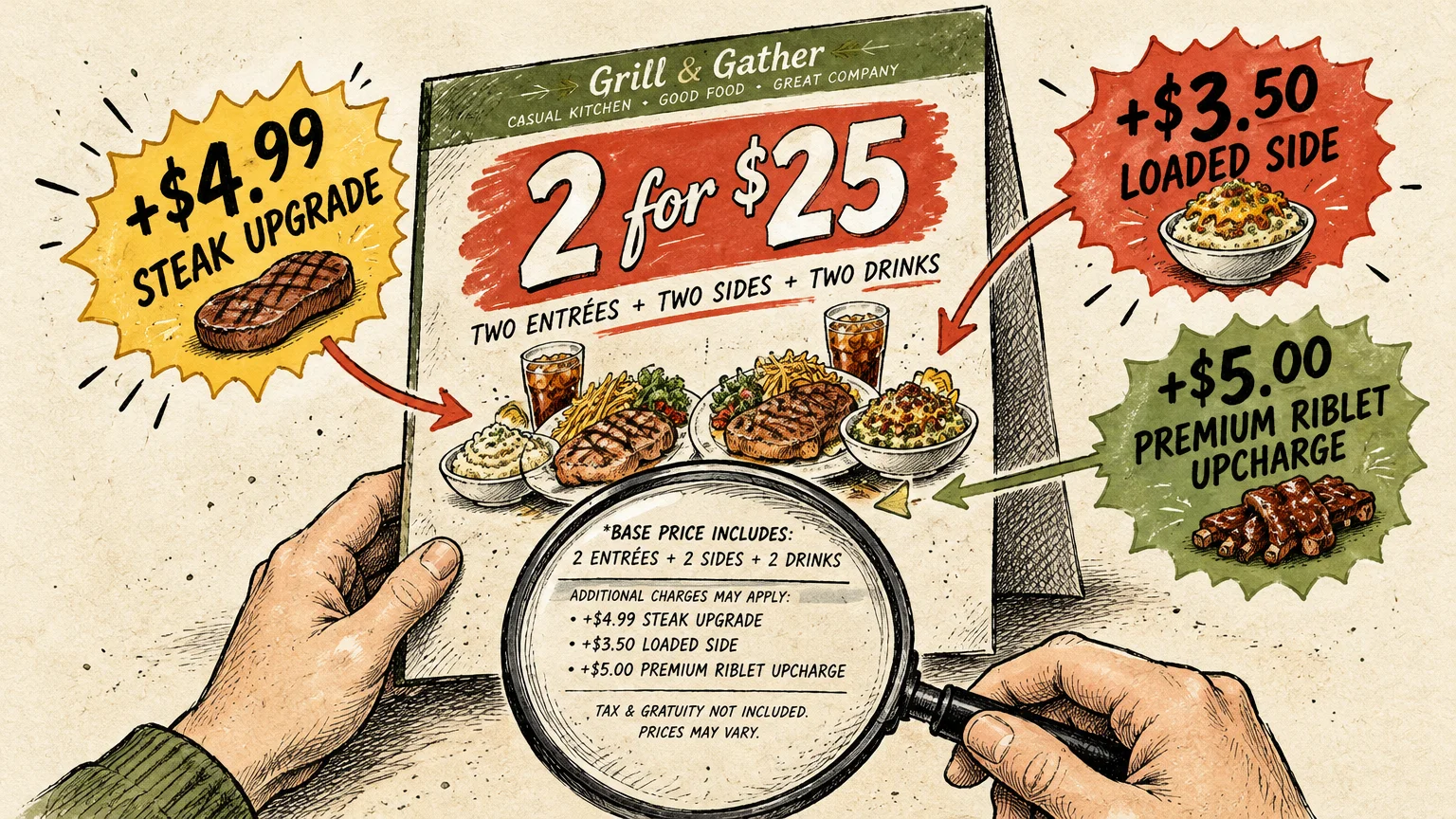
Applebee’s heavily advertises its “2 for $25” promotion to draw budget-focused diners through its doors. The package includes one shared full-size appetizer and two complete dinner entrées.
Standard appetizer inclusions feature popular favorites like boneless wings, mozzarella sticks, or Bacon Cheeseburger Wonton Tacos. Standard entrées include the Classic Bacon Cheeseburger, Fiesta Lime Chicken, or crispy chicken tenders.
When you stick to the base menu items, the promotion provides genuine, budget-conscious value. Two people can enjoy a hearty sit-down dinner for roughly $12.50 per person before tax and tip.
The financial trap occurs when you look at the enticing premium upgrade options. The menu prompts diners to substitute standard items for 6-ounce sirloin steaks, Bourbon Street Chicken, or rib platters.
Each premium entrée carries an individual surcharge ranging from $3.50 to $6.00 per plate. Upgrading both entrées instantly pushes your $25.00 promotional total to $32.00 or $37.00.
Suddenly, your affordable neighborhood meal costs the same as an upscale, independent sit-down restaurant. The perceived discount vanishes entirely under layered menu fees.
If you choose the “2 for $25” deal, resist the urge to upgrade your proteins. Stick strictly to the base qualifying entrées to lock in the advertised savings.
7. Casual Dining Fountain Drinks and Specialty Teas
Ordering a beverage with your meal feels like second nature when the server greets your table. However, non-alcoholic drinks represent the single highest profit center in the modern restaurant industry.
Fountain sodas, iced teas, and standard drip coffees carry a food cost of just 8% to 15%. A typical 16-ounce fountain soda costs the restaurant roughly $0.20 to $0.40, including the syrup, carbonated water, cup, and straw.
Yet casual dining chains routinely price sodas between $3.25 and $4.50 each. That produces an eye-popping profit margin between 85% and 90% on every single glass poured.
Specialty flavored lemonades and sweet teas cost even more, often topping $5.00 for fruit syrup squirted into tap water. Even with complimentary refills, you rarely consume enough liquid to justify a $4.00 charge.
For a family of four, ordering fountain drinks adds $14.00 to $18.00 to the final bill before tax and tip. That single beverage decision can easily represent 20% of your total check.
Casual dining alcoholic beverages carry similar markup dynamics. Well drinks and draft beers maintain pour costs between 14% and 22%, meaning a $9.00 cocktail contains roughly $1.60 in raw ingredients.
The smartest dining move remains the simplest: order iced tap water with lemon. Eliminating paid drinks instantly cuts your total bill by double-digit percentages without diminishing your meal.
8. Loaded Potato and Cheese Appetizers Across Chains
Chain restaurant appetizer menus excel at taking the cheapest agricultural commodities and dressing them in melted fat. Loaded cheese fries, potato skins, and fried mozzarella sticks represent prime examples of this tactic.
Potatoes rank among the most inexpensive commercial food crops on earth. A 50-pound sack of standard russet potatoes costs commercial kitchens roughly $18.00 to $25.00 wholesale.
Yet casual dining chains charge between $10.99 and $14.99 for a plate of loaded potato wedges or waffle cheese fries. Adding a dusting of pre-cooked bacon bits and shredded cheddar cheese adds less than $1.00 in cost.
The resulting dish carries a staggering retail markup exceeding 900%. Furthermore, eating high-calorie starch appetizers dulls your palate and ruins your appetite before the main entrée arrives.
Fried mozzarella sticks follow the exact same economic formula. Frozen, breaded cheese sticks cost kitchens less than $0.30 per piece, yet a basket of six commands $10.00 or more on casual menus.
You pay entrée-level money for frozen finger foods that require nothing more than dropping a wire basket into boiling fryer oil. These dishes offer zero culinary skill and dreadful nutritional return.
If your party wants an appetizer, select items that require specialized equipment or labor-intensive preparation. Wood-fired flatbreads or fresh seafood skewers deliver vastly superior culinary value for your dollar.
Cost Comparison: Menu Price vs. At-Home Ingredient Value
Comparing restaurant retail prices against raw wholesale ingredient costs illustrates just how much you pay for convenience. The table below breaks down the estimated food cost percentages for standard chain dishes.
| Chain Dish Category | Average Menu Price | Estimated Wholesale Food Cost | Typical Food Cost Percentage |
|---|---|---|---|
| Meatless Fettuccine Alfredo | $18.50 – $26.50 | $2.25 – $3.25 | 12% – 15% |
| Baked Pasta (Ziti / Lasagna) | $17.50 – $22.00 | $2.75 – $3.50 | 14% – 18% |
| Casual Steakhouse Burger | $12.50 – $14.50 | $3.00 – $3.80 | 24% – 26% |
| Hand-Cut Sirloin Steak (6 oz.) | $14.50 – $16.50 | $5.00 – $6.20 | 35% – 38% |
| Loaded Cheese Fries Appetizer | $11.00 – $14.00 | $1.20 – $1.80 | 10% – 13% |
| Fountain Soda / Iced Tea | $3.25 – $4.25 | $0.25 – $0.45 | 8% – 11% |
| Single Guacamole Add-On | $2.95 | $0.40 – $0.60 | 14% – 20% |
Notice the massive variance between categories. While a hand-cut sirloin runs at a healthy 35% to 38% food cost, pasta and fountain beverages drop to near single digits.
When you buy low-cost items, the restaurant captures immense profit margins. Choosing dishes with balanced food costs ensures your hard-earned dollars pay for actual edible value rather than corporate overhead.
Psychological Menu Engineering Tricks to Watch Out For
Restaurants do not design menus by accident. Hospitality consulting firms use sophisticated behavioral psychology to direct your eyes toward high-margin menu items.
One common technique is called price anchoring. A chain places an exorbitantly expensive $42.00 ribeye at the top of the menu page.
When you see that $42.00 steak, the $26.00 pasta dish directly below it suddenly feels like an affordable bargain. In reality, that pasta dish remains wildly overpriced relative to its production cost.
Chains also eliminate currency signs from menu layouts. Studies show diners spend significantly more money when prices appear as simple numerals like “24” rather than “$24.00.”
Another classic psychological tactic involves visual framing and boxed callouts. Menus place low-cost, high-margin appetizers inside decorative borders or highlight them with bright, contrasting background colors.
Your gaze naturally gravitates to boxed items first. Menu planners intentionally fill those boxes with loaded fries, cheese dips, and fried dough rather than high-cost proteins.
Sensory-rich adjectives also trick your brain into accepting inflated prices. A menu never lists “frozen deep-fried cheese sticks.”
Instead, the description highlights “artisanal Wisconsin mozzarella batons encased in seasoned herb panko.” Descriptive wordplay allows restaurants to increase menu prices by up to 27% on basic comfort foods.
Things to Watch Out For
Navigating modern chain restaurant pricing requires vigilance beyond just reading the item names. Here are four common pricing pitfalls that quietly inflate your final bill:
- Third-Party Delivery App Markups: Ordering chain meals via DoorDash or Uber Eats carries heavy hidden markups. Chains routinely increase base menu prices by 15% to 30% on apps to offset platform commission fees.
- Deceptive Combo Pricing: Value bundles often create the illusion of savings while forcing you to buy items you would not otherwise want. Always calculate the cost of buying individual items before selecting a pre-set meal deal.
- Automatic Gratuity and Service Fees: Check your itemized receipt closely before adding a voluntary tip. Many chain locations now automatically insert 18% service charges or kitchen wellness fees, leading unwary diners to tip twice.
- The “Free Refill” Illusion: Servers often bring fresh sodas or sweet teas without asking when your glass reaches halfway. If the beverage is an unadvertised specialty drink without free refills, each glass adds another $4.00 charge.
Staying aware of these subtle billing traps ensures you pay only for what you intended to consume. Keep your guard up from the moment you scan the menu until the final credit card slip arrives.
Smarter Dining Out Tips That Stretch Your Dollars
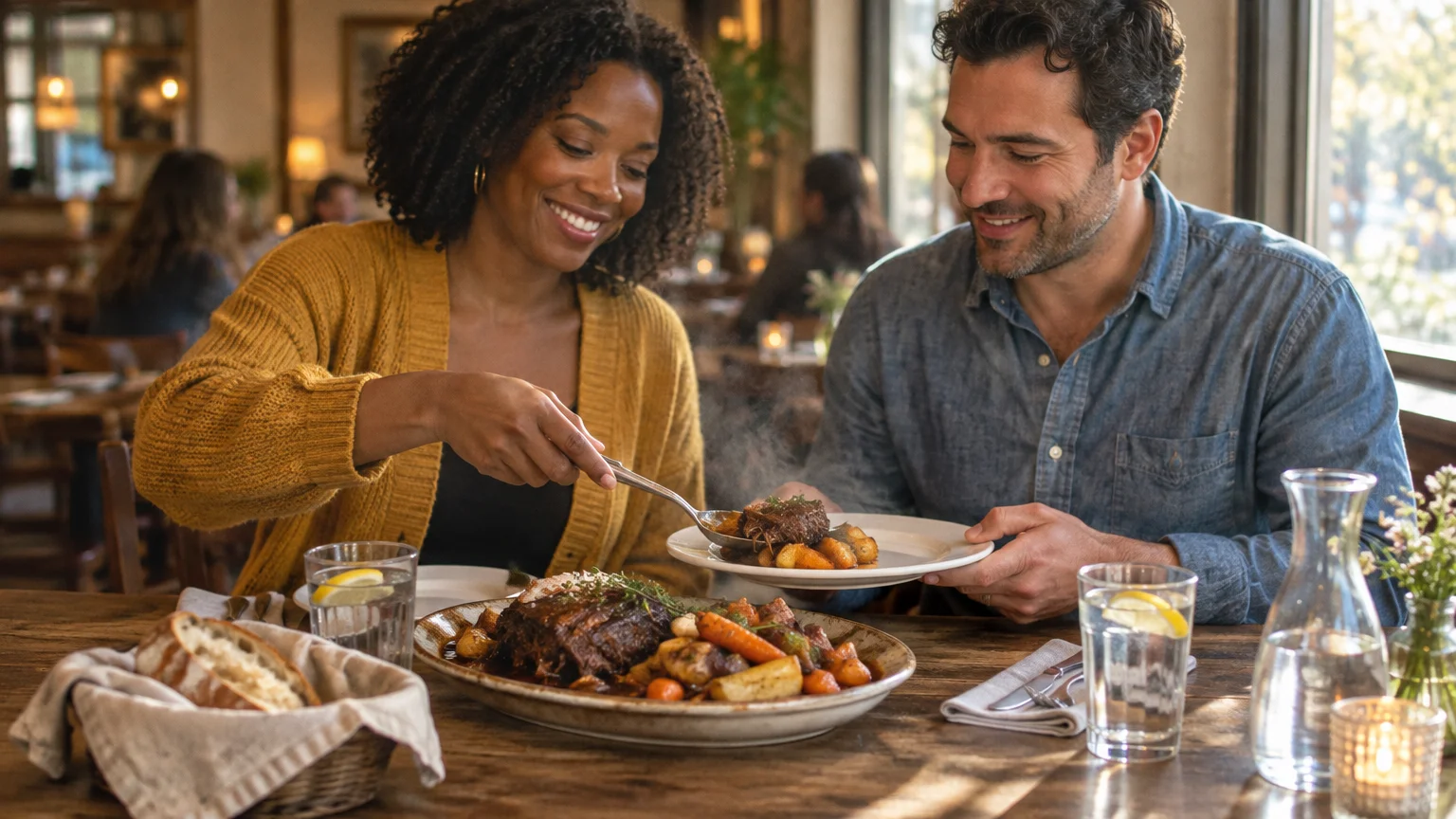
Slashing your restaurant expenses does not require quitting dining out altogether. Making targeted behavioral adjustments allows you to enjoy social meals while keeping costs firmly under control.
Always plan your visits around happy hours and early dining promotions. Ordering a sirloin steak during Texas Roadhouse Early Dine hours provides an exceptional discount on prime food.
Take advantage of retail gift card deals at warehouse clubs before you leave home. Retailers like Costco and Sam’s Club regularly sell $100 in chain restaurant gift cards for $75 to $80.
That immediate 20% discount applies across the entire menu, including taxes. Stacking gift card savings with promotional menu deals maximizes your purchasing power.
When portion sizes are massive, split an entrée with your dining partner. Chains like The Cheesecake Factory serve dishes containing well over 1,500 calories, which easily satisfy two full appetites.
Most restaurants provide an extra plate for free or charge a nominal splitting fee of $2.00. Splitting a single large entrée cuts your food bill straight in half while preventing unwanted food waste.
Finally, leverage chain loyalty applications on your smartphone. Major brands routinely distribute coupons for free appetizers, buy-one-get-one deals, and cash-back rewards directly through their proprietary apps.
According to consumer guidance from the Federal Trade Commission, monitoring promotional terms and digital discounts ensures you avoid deceptive marketing claims. Verifying loyalty rewards before sitting down prevents unpleasant surprises when paying.
Frequently Asked Questions
Why is pasta so expensive at chain restaurants?
Restaurants use low-cost pasta dishes to balance their overall food budgets. Because pasta ingredients cost pennies per serving, high prices generate massive profit margins that offset expensive proteins like beef and seafood.
Are chain restaurant burgers ever a good value?
Burgers offer reasonable value at fast-food joints or specialized burger pubs. However, ordering ground beef at an upscale steakhouse represents poor value because hand-cut steaks frequently cost the exact same price.
Is the Panera You Pick Two deal still worth ordering?
The traditional You Pick Two is generally overpriced when ordering premium menu items. To get real value, choose items exclusively from Panera’s $4.99 Mix & Match menu, which caps costs on select half-portions.
Does skipping restaurant drinks really make a big financial difference?
Yes. Soda, tea, and specialty beverages carry markups exceeding 800%. Cutting out paid beverages for a table of four immediately saves between $14.00 and $20.00 per dining visit.
Dining out should provide relaxation and enjoyment rather than financial regret. By skipping high-margin filler dishes, you keep more money in your wallet while enjoying the meals you truly love.
This article provides general information only. Every reader’s situation is different—what works for others may not be the right fit for you. For personalized guidance on health, legal, or financial matters, consult a qualified professional.
Last updated: November 2026. Rules, prices, and details change—verify current information with official sources before acting on it.






Leave a Reply