

Many of us have spent decades making purchasing decisions, from everyday groceries to significant investments like homes and cars. We’ve learned a lot about value, budgeting, and the difference between a fleeting want and a genuine need. Yet, even with all that experience, it’s easy to get caught up in the moment or be swayed by clever marketing. That’s where having a mental spending checklist can be incredibly helpful. By practicing mindful shopping and strengthening our impulse control, we can ensure our purchases align with our financial goals and bring us lasting satisfaction rather than regret.
This isn’t about depriving ourselves of things we enjoy or need. It’s about fostering a deliberate approach to spending. By pausing and asking ourselves a few key questions before opening our wallets or clicking “buy now,” we can make more intentional choices, avoid unnecessary expenses, and keep our finances on a steady course. This is especially important when managing a fixed income or aiming to preserve savings. Let’s explore seven simple yet powerful questions to consider before every purchase.
1. Do I Truly Need This, or Do I Just Want It?
This is perhaps the most fundamental question. It requires an honest assessment of whether the item fills a genuine need (e.g., replacing a broken essential appliance, buying necessary medication, purchasing food) or if it’s driven by a desire, a whim, or an emotional impulse.
Why it’s important: Distinguishing between needs and wants is crucial for effective budgeting and avoiding clutter. While it’s perfectly fine to buy “wants” that fit your budget and bring you joy, consistently prioritizing needs helps ensure your essential expenses are covered and your savings goals are met. For example, needing a new pair of comfortable walking shoes is different from wanting a fifth pair of decorative sandals that might rarely be worn.
Putting it into practice: Before you buy, pause and really think about the item’s role in your life. Will it solve a problem, improve your well-being significantly, or is it more of a fleeting desire? This simple question can be a powerful tool for impulse control.
2. Can I Genuinely Afford This Right Now?
This question goes beyond just having enough money in your bank account at this very moment. It means considering if the purchase fits comfortably within your overall budget without straining other financial obligations or derailing your savings plans.
Why it’s important: It’s easy to rationalize a purchase if the money is technically available, but true affordability means it won’t cause financial stress later. This is particularly relevant for larger purchases. Can you buy it without having to dip into emergency funds, neglect other important bills, or rely on credit you can’t immediately pay off? Many seniors are on a fixed income, so ensuring each purchase is truly affordable within that framework is key.
Putting it into practice: Review your monthly budget. Does this purchase fit into a designated category (e.g., “household goods,” “entertainment,” “clothing”)? If not, where will the money come from, and what might you have to give up or postpone as a result?
3. Is This the Best Possible Price, or Can I Find It Cheaper Elsewhere?
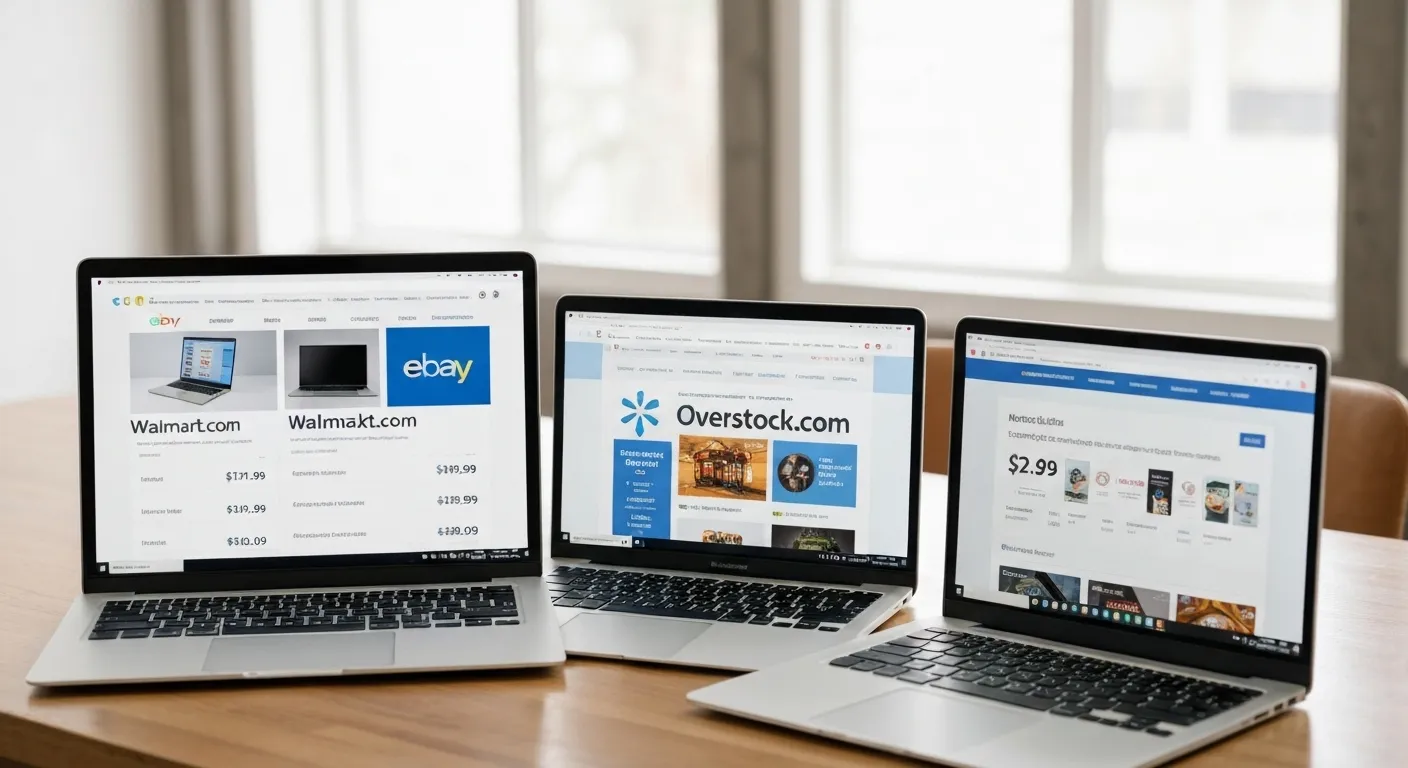
Once you’ve decided you need or can responsibly afford an item, the next step is to ensure you’re getting the best value. This involves a bit of comparison shopping, which is easier than ever with online tools.
Why it’s important: Prices for the exact same item can vary significantly between retailers. Taking a few minutes to compare prices online, check for sales, or look for coupons can save you a surprising amount of money over time. This is a core principle of mindful shopping. For example, before buying a new small appliance, a quick search on a price comparison website or checking a few major retailers’ sites could reveal a much better deal.
Putting it into practice: For anything beyond minor purchases, do a quick online search. Use price comparison websites or apps. Check if the store offers price matching. Look for discount codes or loyalty program benefits.
4. Have I Considered Alternatives or Cheaper Options?
Sometimes we get fixated on a specific brand or a particular model, but there might be equally good (or even better) alternatives available at a lower price. This could mean considering a different brand, a generic version, or even a used item in good condition.
Why it’s important: Brand loyalty is understandable, but it can sometimes cost you more. Being open to alternatives can lead to significant savings without sacrificing quality or functionality. For instance, store-brand medications often have the exact same active ingredients as name brands but cost much less. Or, perhaps a slightly older model of an electronic device has all the features you need at a lower price than the very latest release.
Putting it into practice: Read reviews for comparable products. Consider if a generic or store brand would suffice. Explore secondhand options for items like books, tools, or even some furniture, especially if you enjoy finding unique pieces or are environmentally conscious.
5. What is the Real “Cost Per Use” or Long-Term Value?
For items you’ll use frequently or keep for a long time, the initial purchase price is only part of the equation. Considering the “cost per use” – how much it costs each time you use it over its lifespan – can help you make smarter decisions about quality and durability.
Why it’s important: A cheap item that breaks quickly or needs frequent replacement can end up costing more in the long run than a slightly more expensive, well-made item that lasts for years. This is particularly true for things like quality footwear, durable outerwear, or reliable appliances. Many seniors appreciate investing in items that are built to last.
Putting it into practice: For durable goods, research brands known for quality and longevity. Read customer reviews focusing on durability. Ask yourself: “Will this item stand the test of time, or will I likely need to replace it soon?” Sometimes paying a bit more upfront for quality is the more frugal choice.
6. How Will This Purchase Affect My Long-Term Financial Goals?
Every purchase, especially larger ones, has an impact on your overall financial picture. It’s important to consider if a particular expenditure moves you closer to or further away from your long-term goals, such as maintaining a comfortable retirement, funding travel, helping family, or leaving a legacy.
Why it’s important: This question helps keep your spending aligned with your broader life objectives. A series of small, unconsidered purchases can collectively divert significant funds from your goals. For example, if one of your goals is to travel more, consistently asking how each discretionary purchase impacts that travel fund can provide powerful motivation to be more selective.
Putting it into practice: Regularly remind yourself of your most important financial goals. Before a non-essential purchase, ask: “Is this item more important to me right now than making progress towards [your specific goal]?” This perspective can shift your spending checklist priorities.
7. If I Wait a Week (or 30 Days), Will I Still Want/Need This Just as Much?
This is the classic “cooling-off period” strategy, a powerful tool for exercising impulse control. Many desires are fleeting, and the urgency to buy can diminish significantly with a little time and distance.
Why it’s important: This delay helps separate emotional impulses from rational decision-making. Often, after a waiting period, you might realize you don’t need the item after all, or your desire for it has waned. This simple habit can prevent many regretful purchases and save a lot of money.
Putting it into practice: For any non-urgent, non-essential purchase over a certain amount (you can set your own threshold, e.g., $50 or $100), make a note of the item and revisit the idea in a week or, for larger items, even 30 days. If the desire is still strong and it passes your other checklist questions, then you can proceed with more confidence.
By making these seven questions a regular part of your purchasing process, you transform shopping from a potentially impulsive activity into a more thoughtful and mindful shopping experience. This isn’t about being overly restrictive; it’s about being intentional and ensuring your spending reflects your values, needs, and financial goals. As individuals with a wealth of life experience, incorporating this simple spending checklist can further enhance our already strong financial acumen and lead to even greater peace of mind.








Leave a Reply