
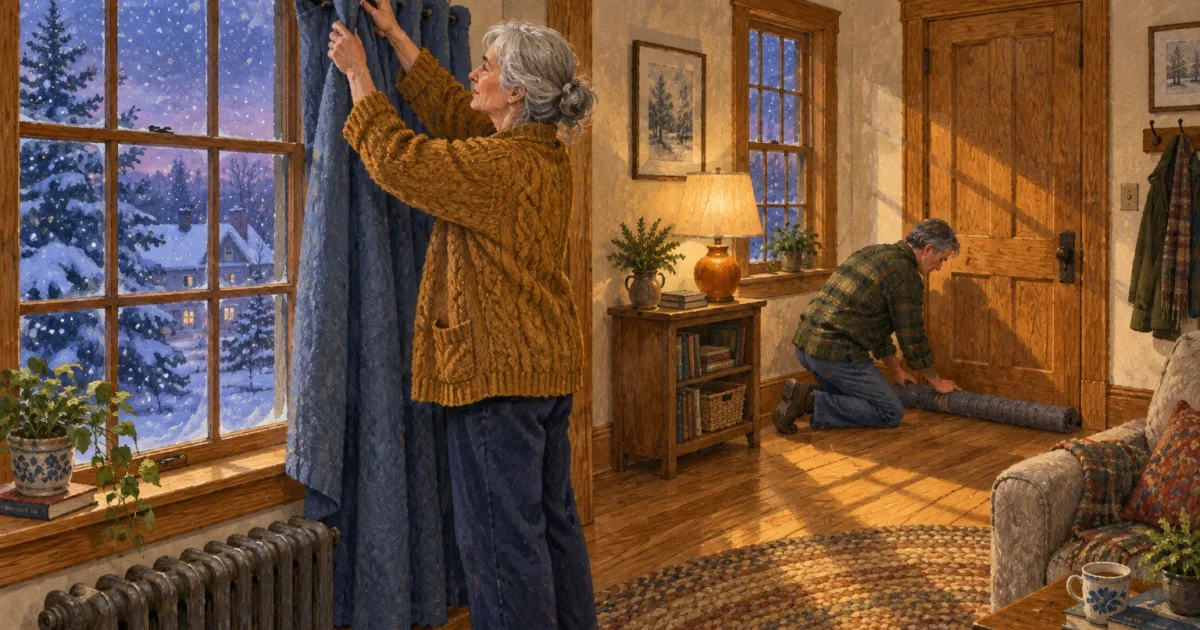
Cold winter months can strain a retirement budget fast, especially when unpredictable heating bills collide with fixed monthly incomes. You can protect your nest egg by adopting deliberate habits practiced by seasoned retirees.
These time-tested routines cut household overhead without sacrificing your daily comfort or physical safety. By focusing on targeted energy conservation and seasonal adjustments, you keep your hard-earned money where it belongs.
From tracking seasonal fuel shifts to timing routine expenses, small behavioral shifts create substantial financial breathing room. Here are ten reliable winter habits retirees swear by to protect their seasonal cash flow.
1. Audit Your Heating Fuel Strategy Before the Freeze
Experienced retirees never wait for the first Arctic blast to think about heating expenses. They assess their fuel supply early in the autumn to secure predictable pricing before delivery demand peaks.
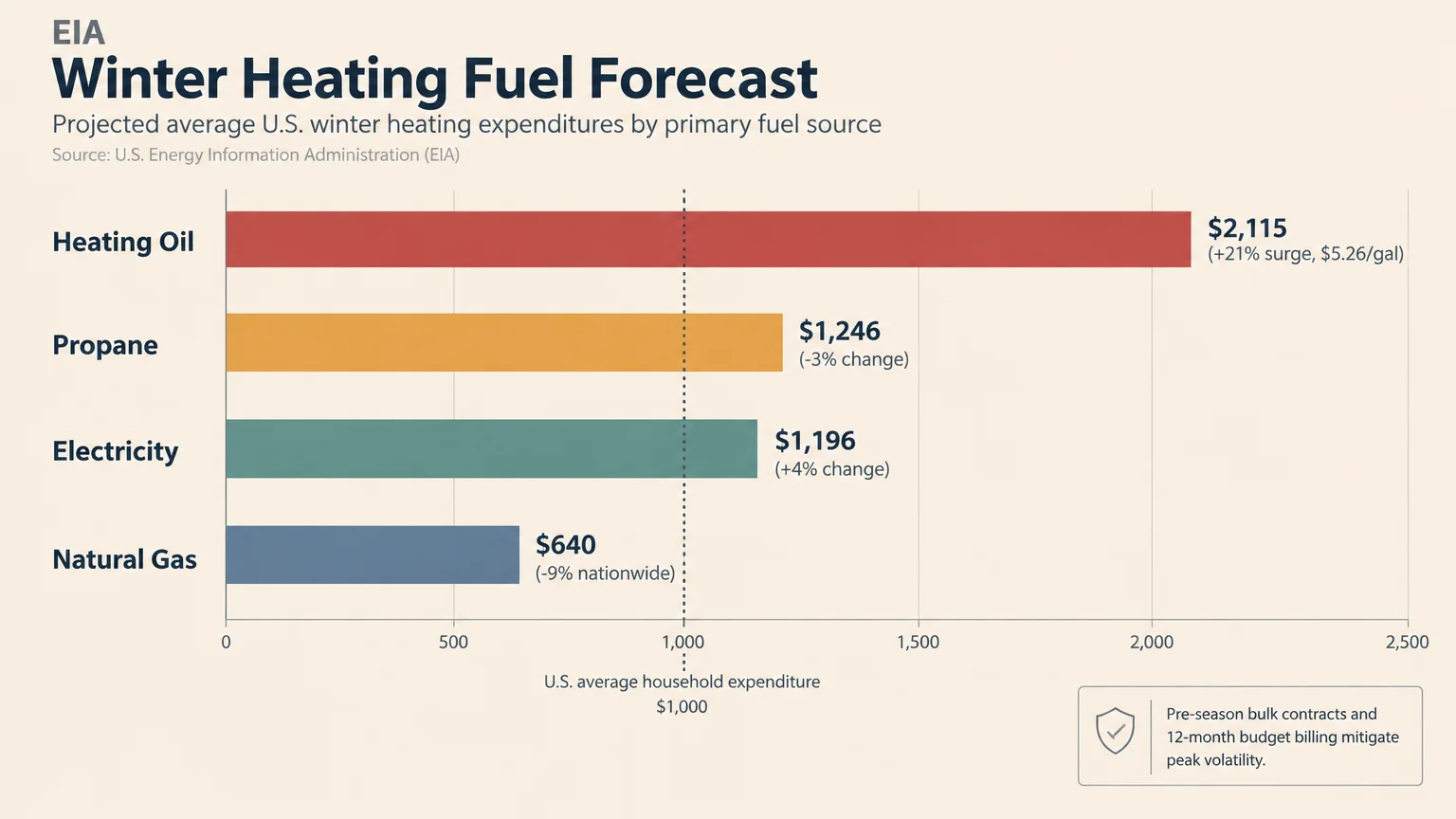
According to the U.S. Energy Information Administration (EIA), winter heating expenses vary significantly based on your primary fuel source. Knowing your fuel forecast helps you prepare your cash reserves accurately.
Heating oil customers face the steepest seasonal surge, with average expenditures projected to rise 21% to $2,115. A projected 34% jump in heating oil prices to $5.26 per gallon drives this increase.
Electric heating costs are projected to climb 4% to an average of $1,196. In contrast, propane expenditures are expected to decline 3% to $1,246 nationwide.
Households heating with natural gas can expect nationwide bills to drop 9% to an average of $640. However, Western states face an estimated 7% increase due to colder local temperatures and higher consumption.
Retirees manage these variations by contacting their utility or fuel suppliers before winter sets in. Many sign up for annual budget billing plans to spread seasonal spikes across twelve equal payments.
If you rely on delivered fuels like oil or propane, explore pre-season bulk delivery discounts. Locking in pre-purchased gallons during late autumn prevents budget surprises during peak winter freezes.
2. Master the Art of Micro-Climate Heating
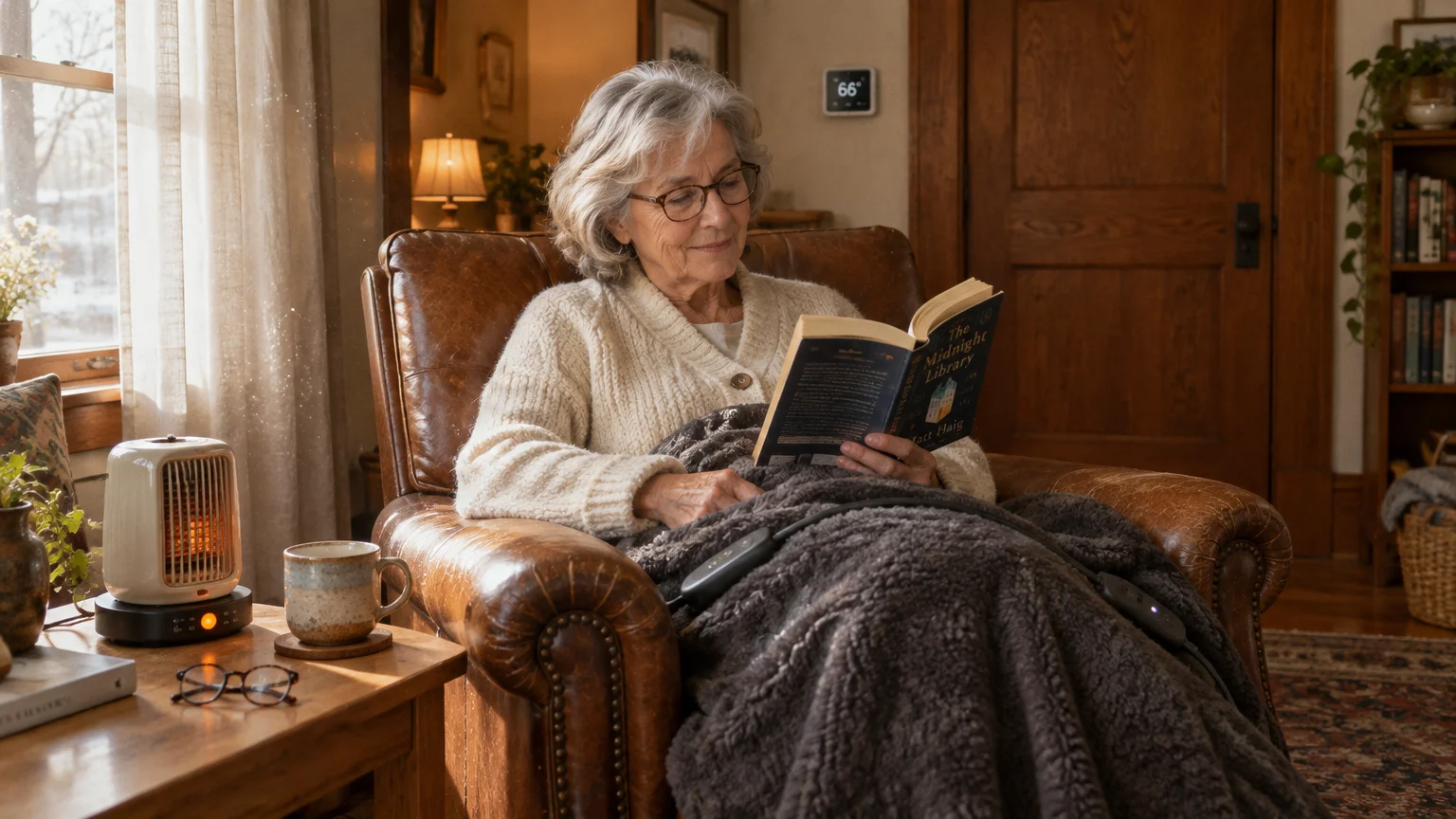
Heating an entire four-bedroom home when you use only two rooms wastefully drains your monthly retirement cash. Frugal retirees practice micro-climate heating by warming the person rather than the empty structure.
You can lower your central thermostat setting to 65 or 66 degrees during daytime hours. Then, introduce efficient supplemental heat only in the specific room you occupy.
Electric heated throws and micro-plush blankets serve as the cornerstone of this strategy. A standard electric throw consumes only 50 to 100 watts of power during operation.
Running a 100-watt heated blanket for eight hours costs merely pennies a day. In contrast, running a central furnace continuously to heat vacant guest bedrooms burns hundreds of dollars monthly.
Portable ceramic heaters can also warm a small home office or den efficiently. Choose units with built-in digital thermostats, automatic tip-over switches, and timer functions to prevent unnecessary power draw.
Always close doors to unused rooms, storage areas, and guest bathrooms. Shutting off heating vents in unoccupied spaces redirects valuable warm airflow directly into your primary living quarters.
3. Stop Air Leaks with Low-Cost DIY Weatherization
Drafty doorways and leaking window frames force your heating system to run longer cycles. Savvy retirees seal these thermal bridges themselves using inexpensive hardware supplies.
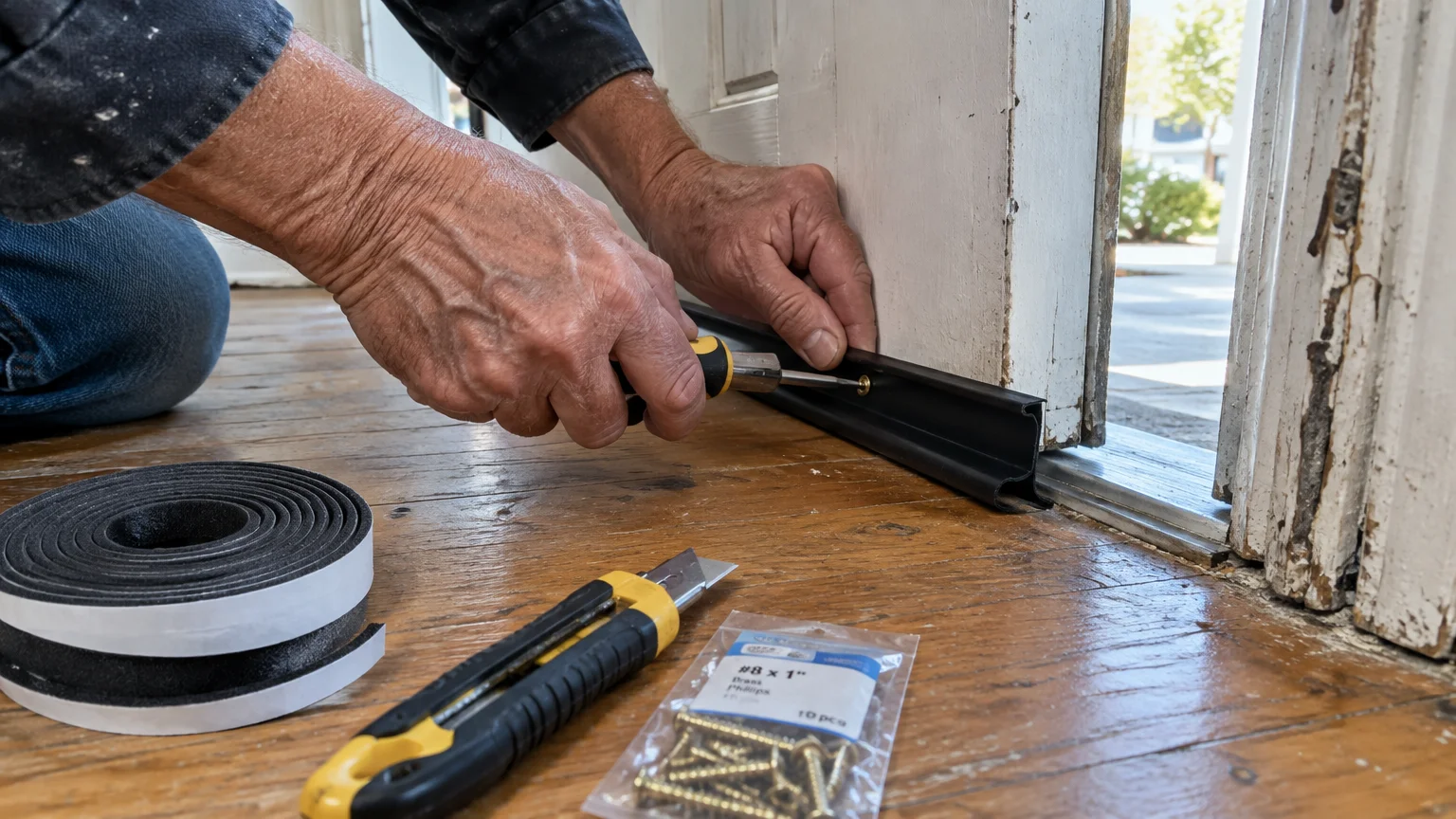
Begin by inspecting the perimeter of exterior doors for visible light gaps. Replacing worn adhesive foam weatherstripping costs under ten dollars and takes less than thirty minutes per door.
Install heavy silicone door sweeps along the bottom threshold of every exterior entryway. Fabric draft snakes placed against drafty doors create an additional thermal barrier that stops cold floor drafts immediately.
Window insulation shrink-wrap kits provide an effective solution for older double-hung windows. You apply double-sided tape along the trim, position clear plastic film, and shrink it tight with a hairdryer.
This simple plastic layer creates a dead-air space that mimics modern double-pane glass. It prevents convective air currents from pulling warm air out of your living room.
Do not count on federal tax credits for these winter weatherization purchases. The Section 25C Energy Efficient Home Improvement Credit and Section 25D Clean Energy Credit expired on December 31, 2025.
Because federal tax subsidies for new windows, insulation, and heat pumps are no longer available, low-cost DIY measures offer the highest return on investment. Check your local municipal electric utility for direct equipment rebates instead.
4. Capitalize on the Medicare Open Enrollment Window
Smart winter budgeting extends well beyond home utility bills to encompass major seasonal healthcare decisions. Experienced retirees treat late autumn as an essential financial planning period.
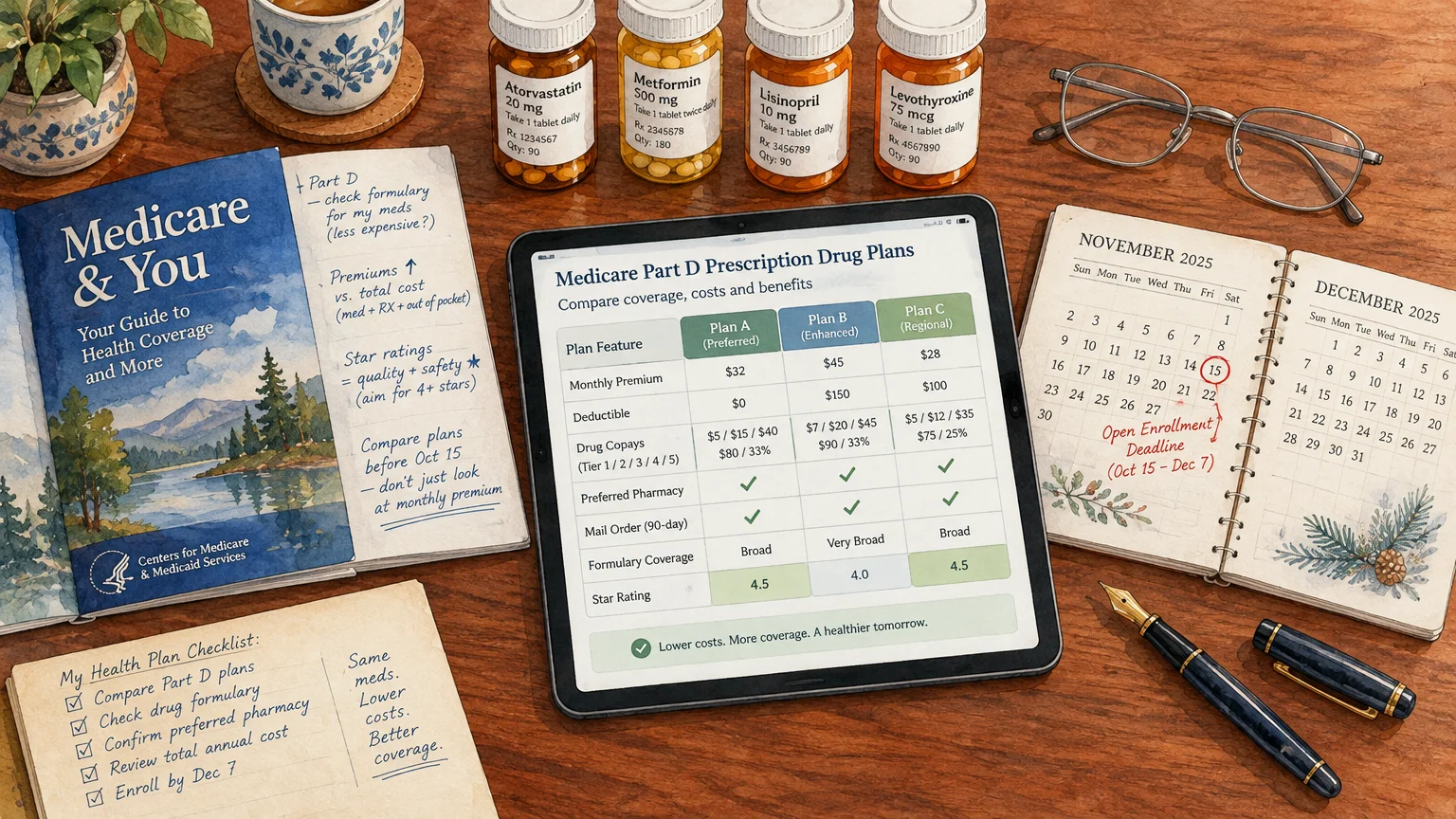
The annual Medicare Open Enrollment period runs each fall and closes promptly on December 7. Using this window to optimize your coverage protects your out-of-pocket cash throughout the coming year.
Health plans routinely modify their prescription drug formularies, monthly premiums, and provider networks every January. Staying on automatic renewal without reviewing your plan can trigger unexpected price hikes.
According to Medicare.gov, the Part D out-of-pocket prescription drug spending cap reaches $2,400 for 2027. The maximum standard Part D deductible rises to $700.
Meanwhile, the standard monthly Medicare Part B premium is projected to increase by $6.60 to $209.50 in 2027. Reviewing drug tiers and provider copays before December 7 prevents high pharmacy expenses during the coldest months.
Log into your secure account on Medicare’s official portal to compare all available drug plans. Entering your exact medication dosages ensures you enroll in the plan offering the lowest total annual cost.

5. Optimize Batch Cooking and Appliance Utilization
Retirees who keep winter utility bills low treat their kitchen as both a cooking and heating asset. Preparing hearty meals from scratch generates comfort while cutting retail food expenses.
Winter invites batch cooking recipes such as stews, lentil soups, casseroles, and pot roasts. Buying dry beans, root vegetables, and whole cuts of meat in bulk minimizes grocery register totals.
When you bake or roast, your kitchen absorbs the ambient warmth generated by your appliance. Once you finish baking, turn the oven off and leave the oven door slightly cracked to release residual heat into the room.
Never use an open oven as an active home heating source, as this creates a serious safety hazard. Capturing residual warmth from standard cooking, however, provides a safe and practical thermal bonus.
For daily reheating, use slow cookers, countertop toaster ovens, or multi-cookers instead of your full-sized range. These compact countertop units draw up to 70% less electricity than heating a large, empty oven.
Run your dishwasher only when it reaches complete capacity to conserve hot water and power. Select the air-dry setting rather than heated dry to cut your appliance electricity usage instantly.
6. Shift Everyday Errands into Consolidated Off-Peak Trips
Cold winter weather significantly reduces automobile fuel efficiency while accelerating battery wear. Retirees preserve vehicle longevity and fuel dollars by abandoning frequent, spontaneous errands.
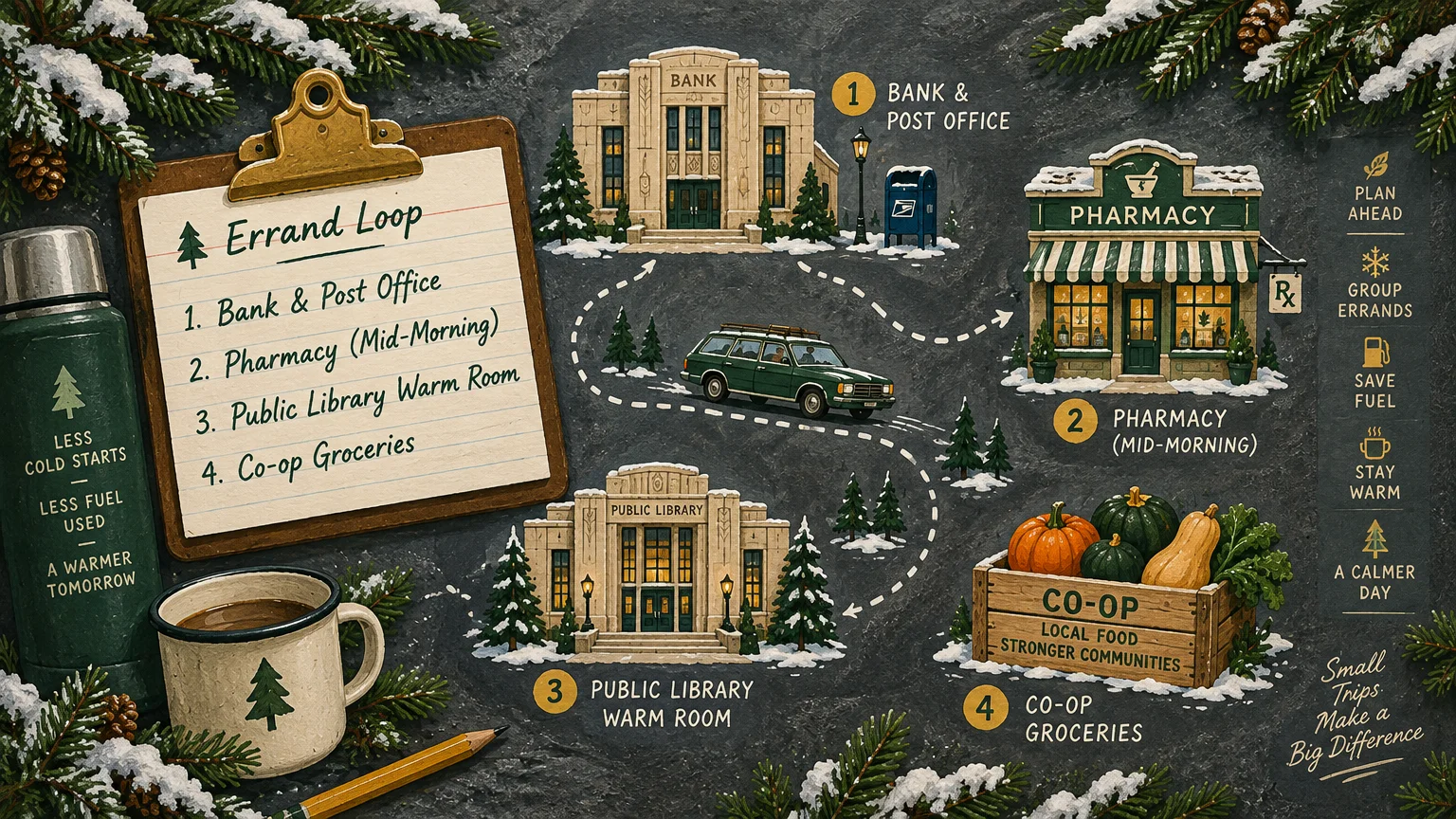
A cold car engine consumes considerably more fuel during the first five miles of travel. Consolidating multiple stops into a single continuous loop allows your vehicle engine to remain warm and efficient.
Plan your weekly outings for mid-day hours when winter sunshine warms road surfaces. Traveling between 11:00 AM and 2:00 PM reduces hazardous encounters with morning black ice and evening commuter traffic.
Driving on clear, sun-warmed roads lowers your risk of winter collisions, keeping auto insurance deductibles untouched. It also minimizes stop-and-go idling that burns expensive gasoline during freezing morning temperatures.
Coordinate routine visits so your grocery store, pharmacy, bank, and post office align along one route. Reducing total vehicle miles traveled preserves your tires, motor oil, and fuel reserves all winter long.

7. Leverage Local Public Libraries for Warmth and Enrichment
Frugal retirees understand that staying home all day throughout winter drives residential energy consumption upward. Local public libraries serve as heated, fully funded community hubs that protect household budgets.
Spending three or four afternoons a week at your municipal library lets you dial down your home thermostat without feeling chilly. You enjoy free high-speed wireless internet, clean workspaces, and comfortable seating.
Libraries also eliminate expensive winter entertainment expenses from your monthly bank statements. Cardholders access extensive collections of new-release books, current magazines, audiobooks, and large-print publications without paying a dime.
Most library systems partner with digital platforms like Libby, Kanopy, and Hoopla. You can stream movies, television documentaries, and classical music at home completely free of charge.
Using library streaming services allows you to cancel auxiliary paid video subscriptions during the colder months. You stay mentally engaged and socially connected while keeping your discretionary spending at zero.
8. Rebalance Subscriptions and Winter Utility Budget Billing
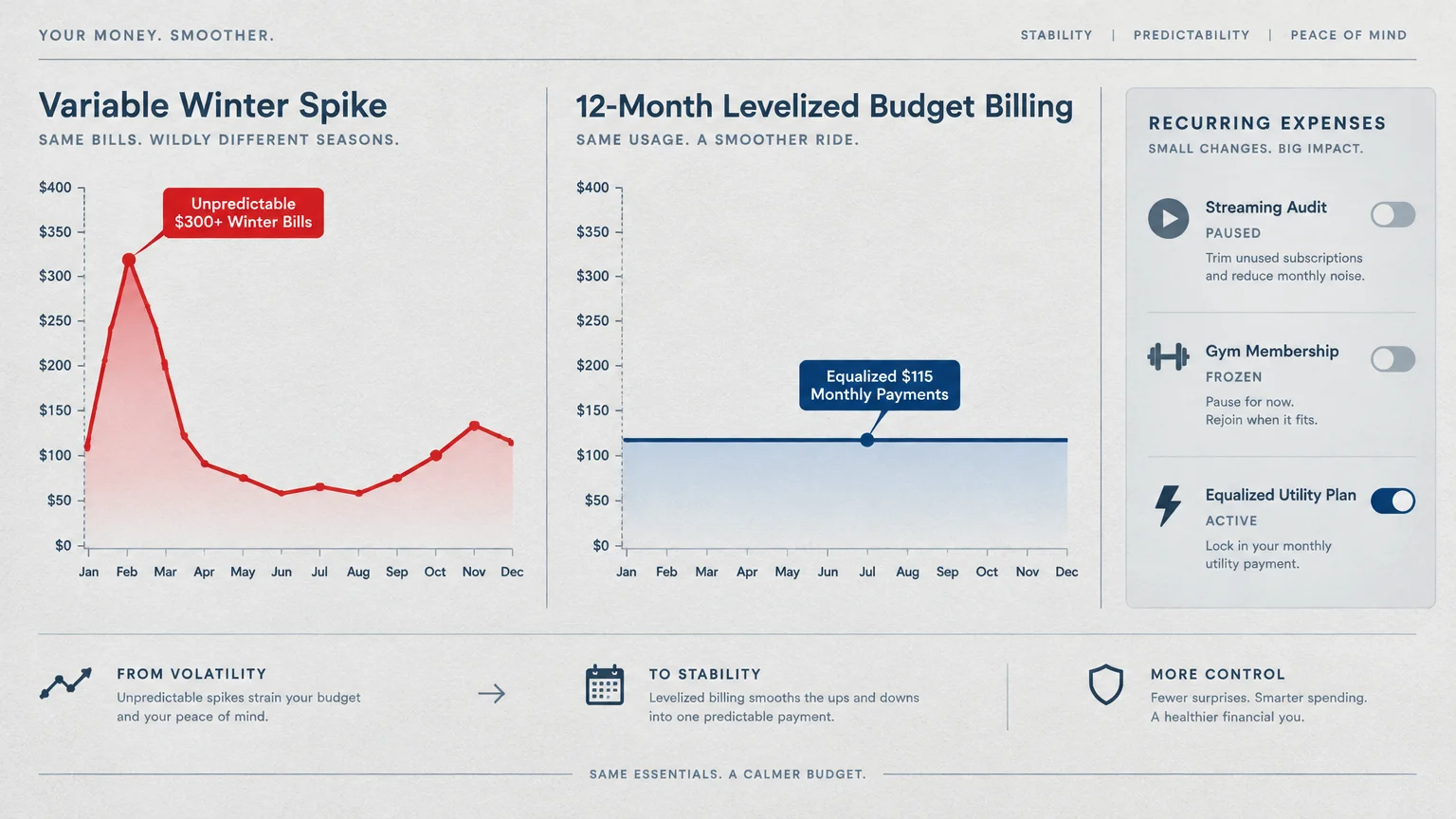
Winter is the ideal season to audit recurring automated debits linked to your checking account. Pruning inactive services offsets unavoidable seasonal heating and utility increases.
Cancel warm-weather expenses such as seasonal car wash memberships, golf club fees, and specialized gardening subscriptions. You can reactivate these memberships when spring temperatures return.
Combine subscription cuts with strategic income planning for the new year. According to the Social Security Administration (SSA), beneficiaries receive a 3.6% Cost-of-Living Adjustment (COLA) for 2027.
Announced on October 14, 2026, this 3.6% boost increases the average monthly retirement benefit by approximately $75 beginning in January 2027. SSI recipients receive their updated payments starting on December 31, 2026.
The maximum monthly federal SSI payment rises to $1,029 for an eligible individual and $1,544 for an eligible couple. Channeling these benefit increases directly toward winter utility cushions prevents balance drawdowns.
Enroll in levelized utility budget billing to stabilize cash flow across the entire calendar year. Your utility averages your annual energy usage, allowing you to pay an identical, predictable bill each month.
9. Maximize Winter Senior Discounts and Utility Relief Programs
Many retirees overlook available public and private discount programs designed to ease winter financial burdens. Taking advantage of these resources protects fixed incomes against seasonal inflation.
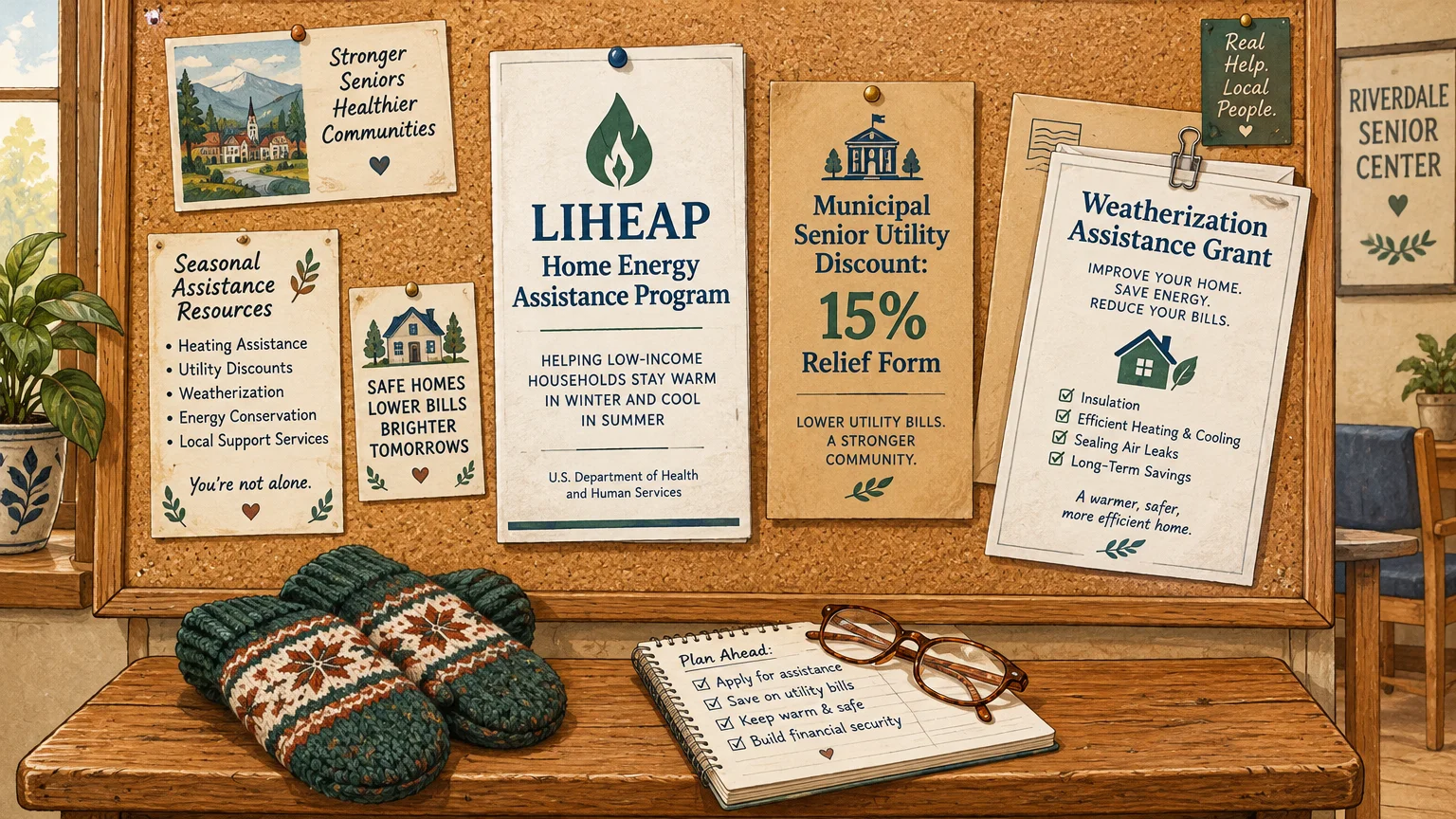
Research municipal utility discounts available through your local city hall or electric cooperative. Many water, sewer, and sanitation departments provide 10% to 25% bill discounts for residents aged 65 and older.
Explore the Low-Income Home Energy Assistance Program (LIHEAP) if your household income falls within qualifying guidelines. LIHEAP provides federally funded grant assistance paid directly to heating fuel vendors to resolve winter energy debt.
Retail grocers and pharmacy chains frequently host designated senior discount days during the first week of every month. Align your non-perishable winter pantry stocking with these discount windows to capture 5% to 15% savings.
Look into municipal transit passes or community center athletic discounts for low-cost indoor winter walking tracks. Staying active in subsidized community facilities maintains cardiovascular health while avoiding expensive commercial gym memberships.
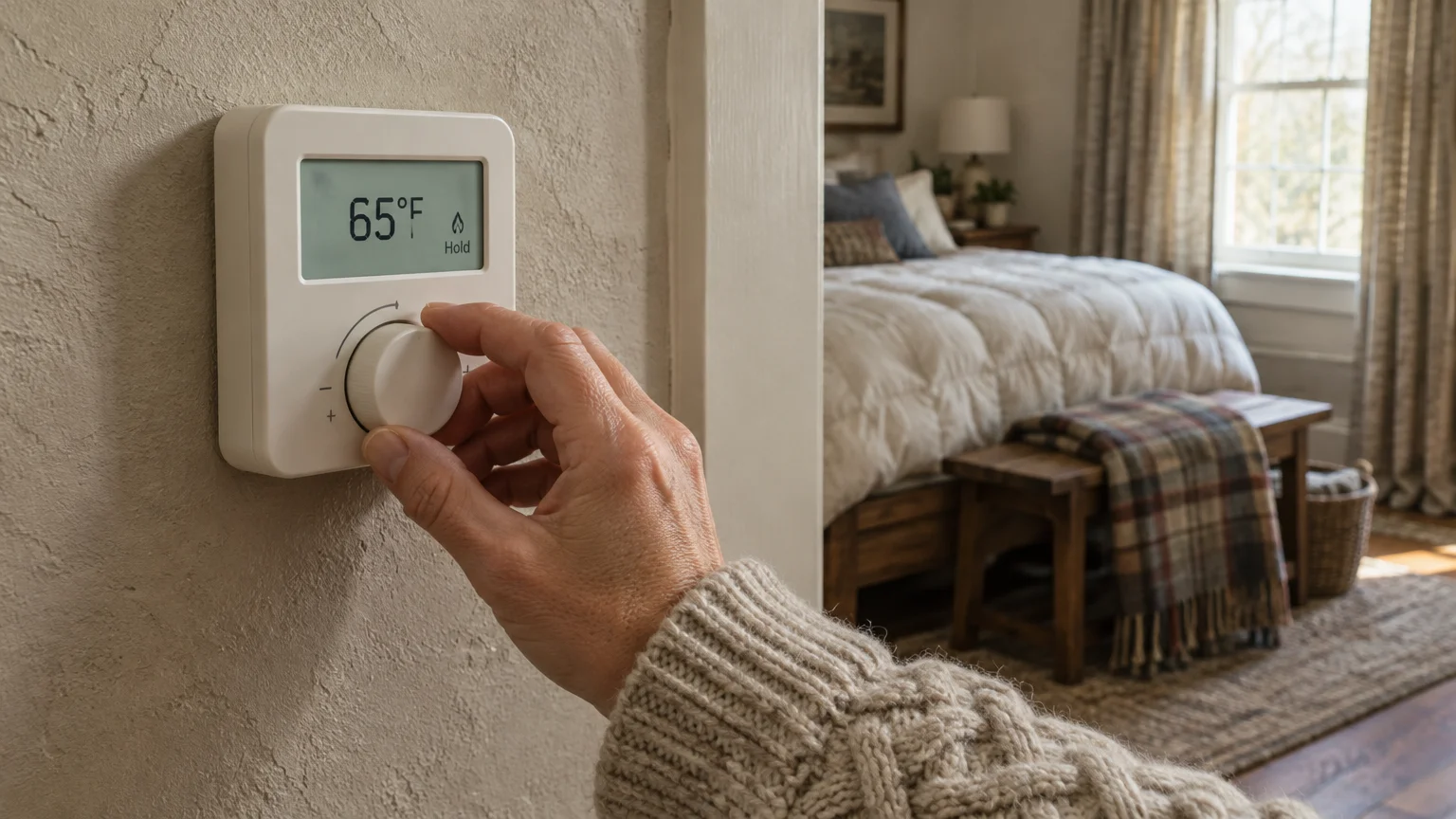
10. Adjust Thermostats Strategically and Layer Textiles
The simplest habit remains the most effective lever for reducing winter utility overhead. Strategic thermostat management combined with warm personal attire delivers immense compounding savings.
Research from the U.S. Department of Energy indicates that lowering your thermostat 7 to 10 degrees for eight hours a day can save up to 10% annually on heating bills.
Retirees establish consistent temperature set points: 68 degrees while active during the day, dropping to 60 or 62 degrees at night. Heavy flannel sheet sets, down comforters, and fleece blankets keep you warm throughout sleep.
Dress indoors using base layers of moisture-wicking synthetic fabrics or lightweight merino wool. Layering a thermal undershirt beneath a comfortable cardigan or fleece vest retains body heat naturally.
Put on thick wool socks and insulated, non-skid indoor house slippers every morning. Cold floors rapidly conduct heat away from bare feet, making your entire body feel uncomfortably chilled.
Check the rotation direction of your ceiling fans as winter approaches. Setting the motor to rotate clockwise at its lowest speed pushes trapped warm air downward from the ceiling without generating a draft.
Hang thermal insulated blackout curtains over large windows, especially those facing north and east. Keep curtains open during bright sunny afternoons to harvest passive solar warmth, then close them tightly at dusk.
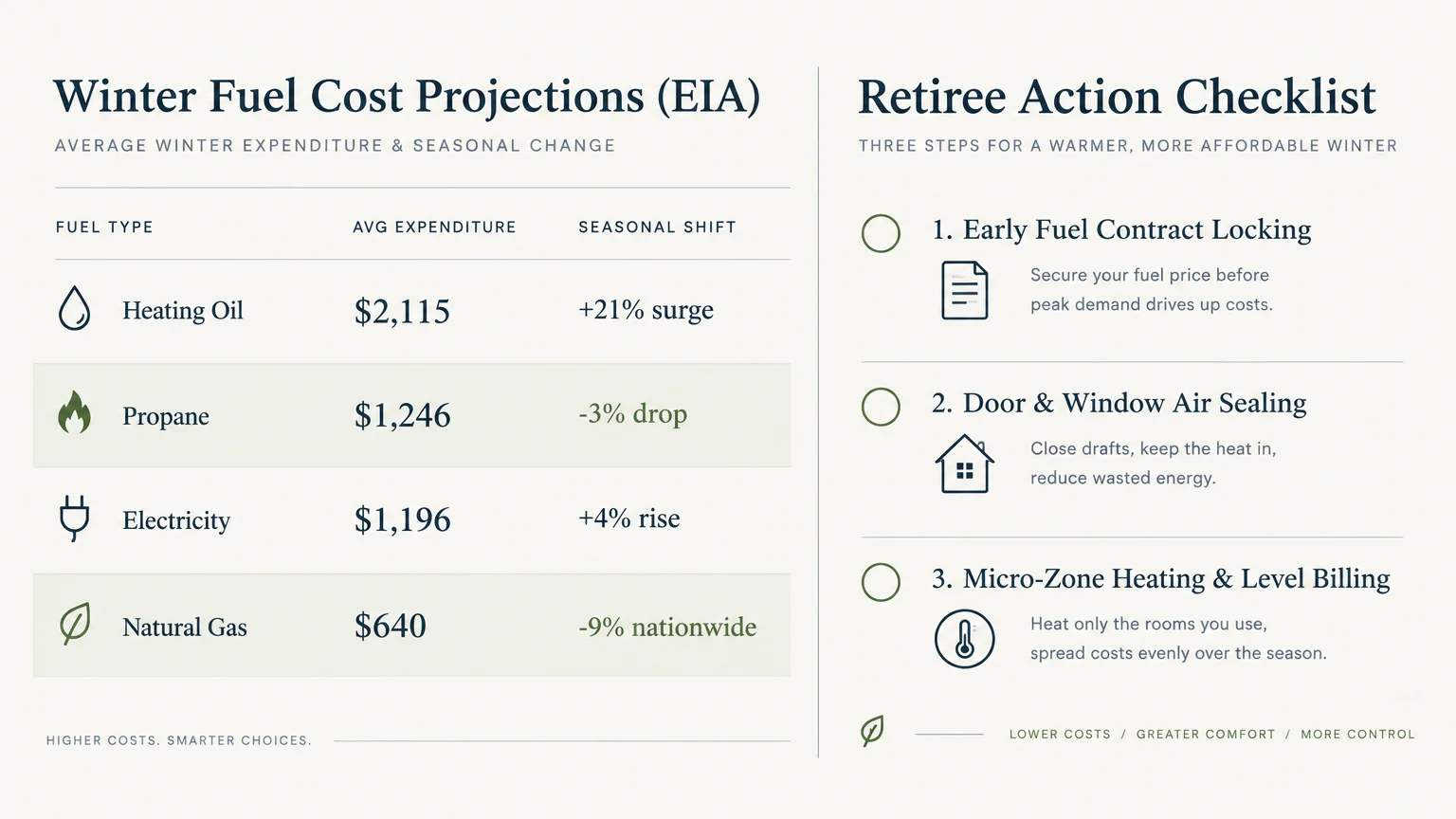
Winter Fuel Comparison and Retiree Action Plan
Heating expenses depend heavily on regional fuel dynamics. Reviewing the latest official outlook helps you prioritize low-cost efficiency habits that match your specific fuel type.
| Fuel Type | Projected Average Cost | Expected Price Trend | Actionable Retiree Habit |
|---|---|---|---|
| Heating Oil | $2,115 | Up 21% nationwide | Lock in contract caps early; aggressively seal all exterior door drafts. |
| Electricity | $1,196 | Up 4% nationwide | Use 100W heated throws; run countertop cookers instead of ovens. |
| Natural Gas | $640 | Down 9% (Up 7% in West) | Lower thermostat to 68°F; service furnace filters every 30 days. |
| Propane | $1,246 | Down 3% nationwide | Monitor tank levels; avoid emergency mid-winter top-off delivery fees. |
Regardless of your home’s fuel type, combine physical weatherization with proactive utility management. Small adjustments yield tangible savings across the entire five-month heating season.
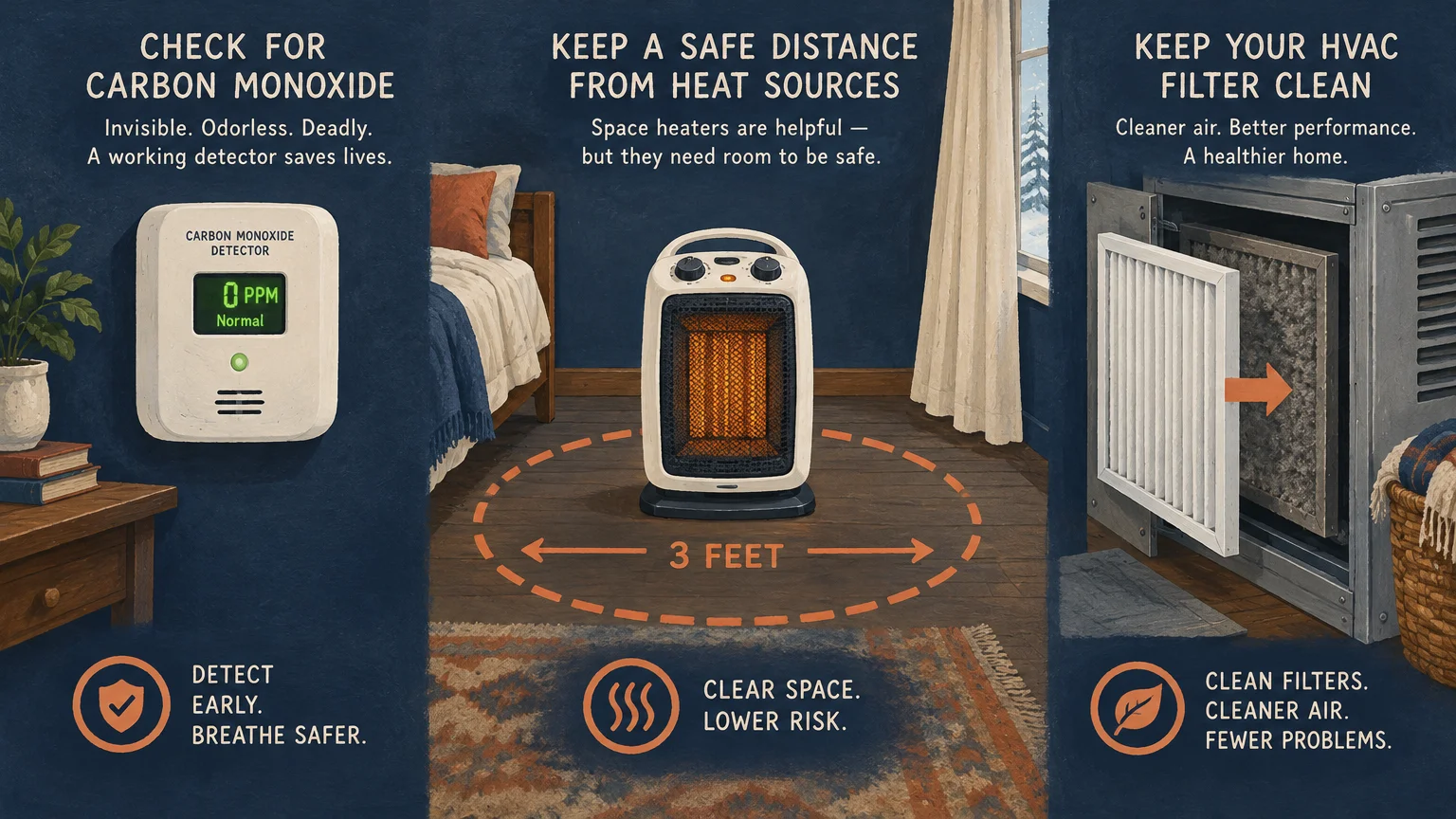
Things to Watch Out For
Adopting frugal winter habits should never compromise your physical safety or damage your home’s structural integrity. Avoid these four common pitfalls when cutting seasonal costs.
- Electric Space Heater Overload: Running multiple 1,500-watt portable heaters simultaneously can overload household wiring and trip circuit breakers. Space heaters account for a high percentage of home heating fires; keep them three feet away from curtains and bedding.
- The Expired Federal Tax Credit Trap: Do not buy expensive replacement windows or heat pumps assuming you can claim expired federal tax credits. The Section 25C and 25D credits ended on December 31, 2025; rely solely on confirmed local utility rebates.
- Dropping Thermostats Below Safe Thresholds: Setting your thermostat below 55 degrees risks freezing indoor water supply lines during bitter overnight freezes. Older adults also face increased hypothermia risks at ambient room temperatures below 65 degrees.
- Neglecting Medicare Deadlines: Forgetting to review your Part D prescription plan before the December 7 deadline locks you into potentially higher copays for an entire year. A ten-minute plan check prevents hundreds of dollars in unnecessary pharmacy charges.
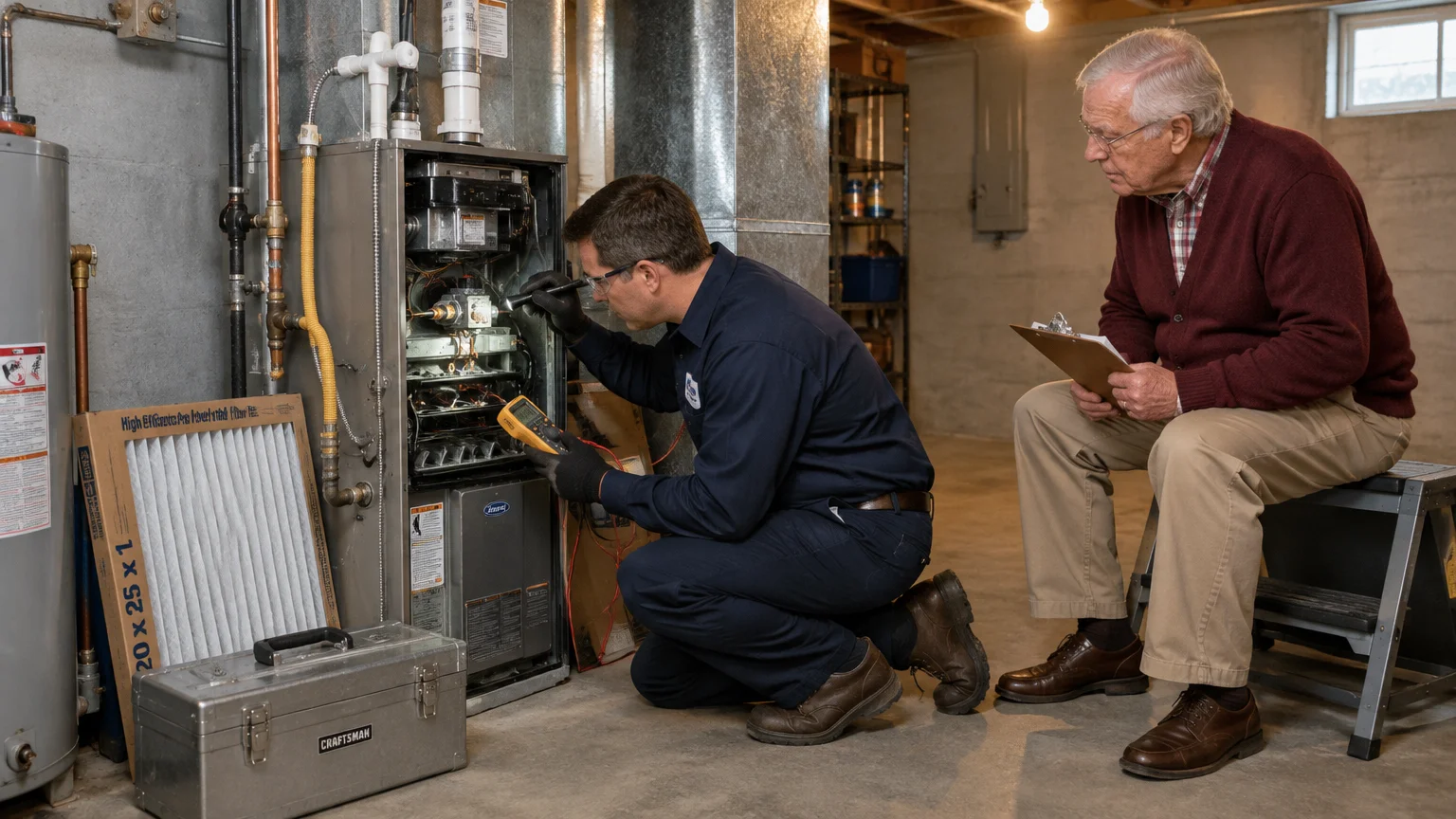
When DIY Isn’t Enough
While low-cost self-reliance saves substantial money, certain winter tasks require licensed professional intervention. Knowing when to call a specialist protects your health and personal finances.
Hire a licensed technician to perform an annual inspection of your gas furnace, oil burner, and chimney flue. Cracks in a heat exchanger can leak odorless, deadly carbon monoxide into your living quarters without warning.
Consult a certified State Health Insurance Assistance Program (SHIP) counselor if comparing Medicare plans feels overwhelming. SHIP provides free, unbiased, one-on-one assistance to help you navigate Part D tiers and supplemental coverage.
Contact your local community action agency if you face unaffordable heating bills. Case managers can guide you through formal LIHEAP applications and state-specific crisis heating grants that cover emergency fuel deliveries.
Hire a licensed electrician if you notice flickering lights, warm wall outlets, or buzzing breaker panels when running space heaters. Professional repairs prevent severe electrical hazards and safeguard your property.
Frequently Asked Questions
How much can I save by lowering my thermostat setting?
Lowering your thermostat by 7 to 10 degrees for eight hours a day can reduce your annual heating bill by up to 10%. Pairing lower ambient settings with heated blankets preserves personal comfort while cutting utility consumption.
Can I still claim federal tax credits for winter home improvements?
No, you cannot claim federal credits for energy-efficiency upgrades completed this season. Both the Section 25C and Section 25D federal tax credits expired on December 31, 2025. Contact your local power utility directly to find municipal cash rebates.
How does the 2027 Social Security COLA help with winter costs?
The 3.6% Social Security COLA adds roughly $75 per month to the average retirement benefit starting in January 2027. SSI recipients receive increased payments on December 31, 2026. This extra monthly cash helps offset elevated winter heating expenses.
What is the safest minimum indoor temperature for retirees?
Health experts recommend keeping living areas at 65 to 68 degrees Fahrenheit for older adults. Setting the thermostat lower increases the risk of hypothermia, which can develop quietly in older individuals even when indoors.
Protect Your Retirement Budget This Winter
Safeguarding your retirement savings during winter does not require uncomfortable sacrifices or expensive home renovations. By adopting disciplined daily habits, you retain full control over your household cash flow.
Focus on sealing drafts, micro-heating occupied spaces, and capitalizing on community resources like public libraries. These manageable, practical steps keep your home warm and your finances secure all winter long.
This is general informational content based on widely accepted guidance. Individual results vary. Verify current details—rules, prices, eligibility, regulations—with official sources before making important decisions.
Last updated: October 2026. Rules, prices, and details change—verify current information with official sources before acting on it.









Leave a Reply