
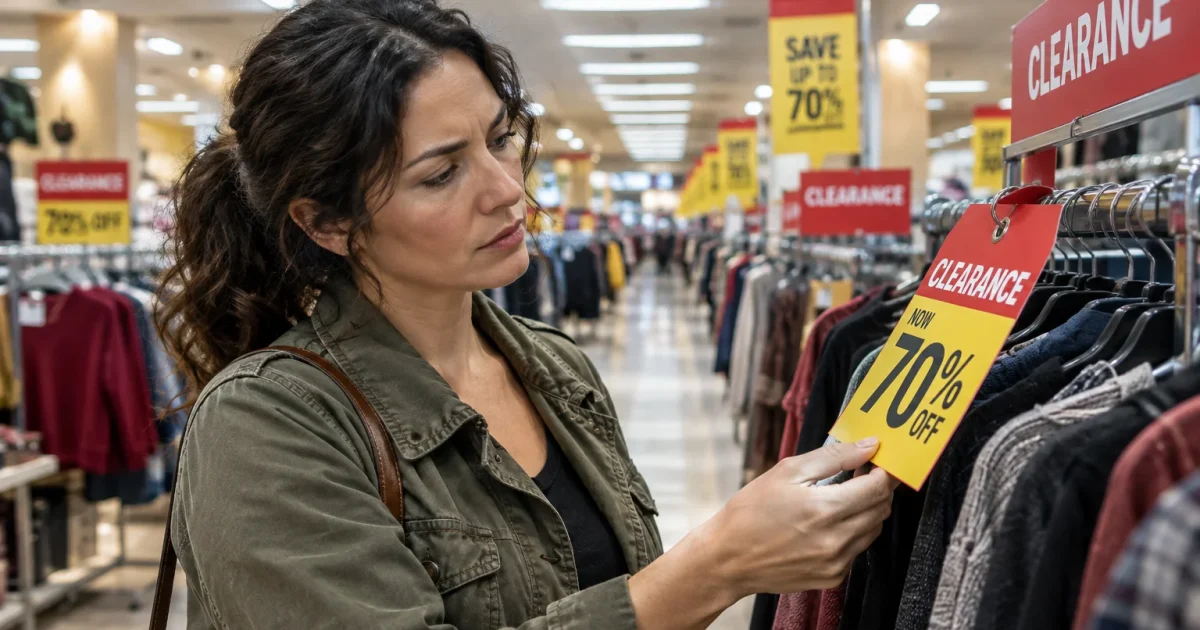
Retail sales displays are designed to make you feel like you are winning money rather than spending it. Stores use precise psychological levers to make standard everyday prices look like once-in-a-lifetime bargains.
When you learn to identify these pricing illusions, you immediately regain control of your household budget. You stop buying items simply because an aisle tag claims they are heavily discounted.
From inflated list prices to deceptive volume bundles, retail tricks exploit natural cognitive habits. Here are nine widespread store pricing tactics and the concrete steps you can take to outsmart them.

1. Artificial Reference Pricing and Continuous “Sales”
The most common store tactic involves displaying a high “original” price next to a lower “sale” price. Retailers cross out the list price with a bold red slash to draw your eyes directly to the discount.
In many instances, the item never sold at that inflated reference price. The merchant invents a high anchor to make the current retail tag look like an exceptional deal.
A comprehensive November 2025 investigation by the nonprofit consumer group Consumers’ Checkbook tracked prices on more than 25 items across 25 major national retail chains for 24 weeks. The study found that 21 out of 25 retailers kept tracked items at promotional or “sale” prices more than half the time.
In fact, several national chains offered items at supposed discounts virtually every single week of the investigation. When an item is perpetually on sale, the discounted tag is simply its regular price.
Federal law technically regulates this practice. Under the Federal Trade Commission Guides Against Deceptive Pricing (16 CFR Part 233), an advertised former price must be a genuine, bona fide price offered to the public for a reasonably substantial period.
Setting an artificially high regular price merely to advertise a dramatic markdown constitutes deceptive advertising under Section 5 of the FTC Act. Despite these federal rules, aggressive list pricing remains widespread across retail aisles and online storefronts.
To defeat artificial reference pricing, ignore the crossed-out figure entirely. Evaluate whether the product is worth the asking price today based on your budget, not the fictional savings percentage printed on the sticker.
2. Drip Pricing and Hidden Checkout Fees
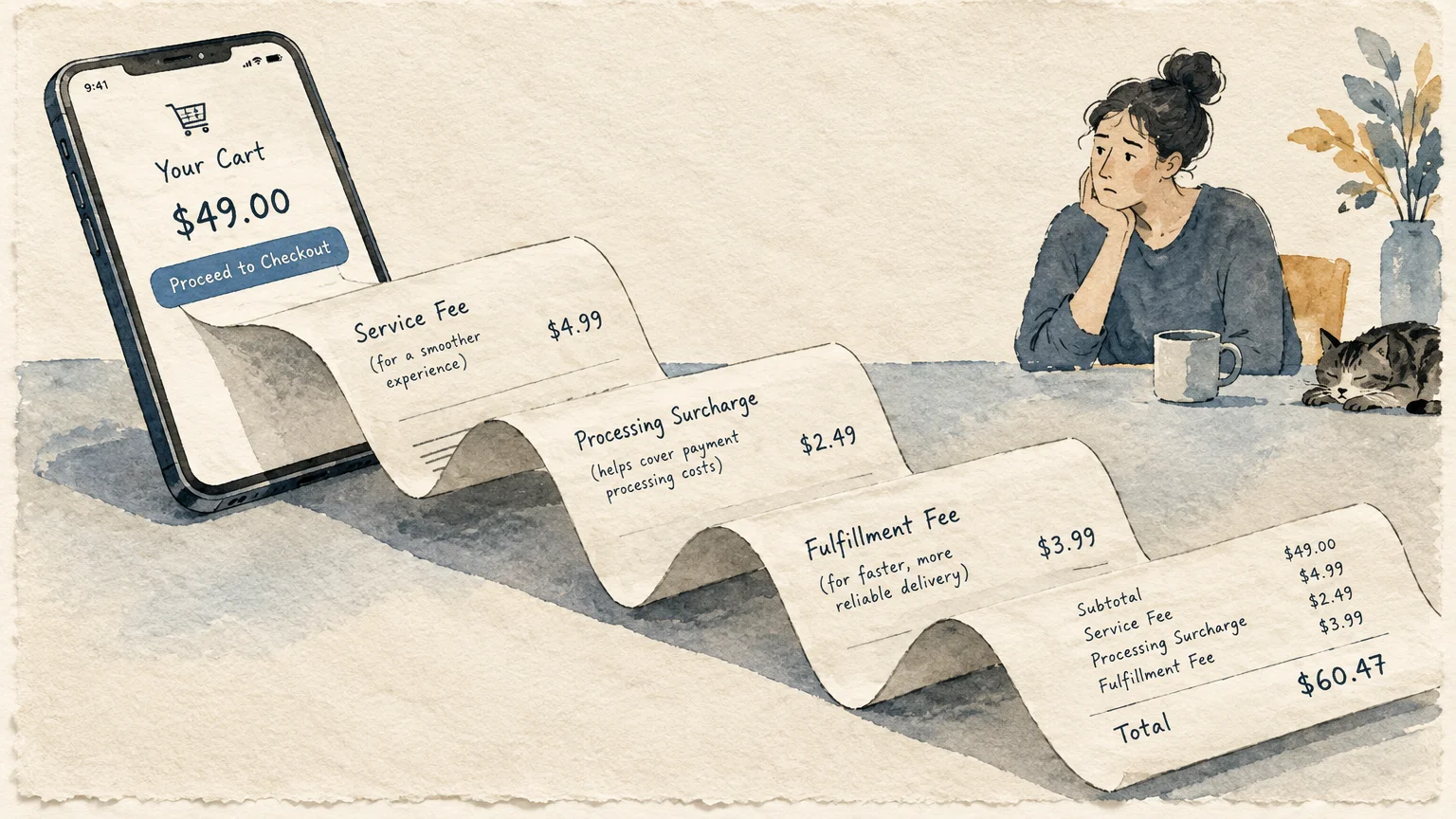
Drip pricing occurs when a store advertises a low headline price upfront, only to reveal mandatory add-on fees as you move through the payment process. This tactic is rampant in digital storefronts and app-based shopping.
Retailers know that once you spend ten minutes selecting items and entering your payment information, you develop an emotional attachment to the purchase. You are far less likely to abandon your cart over a surprise fee revealed at the final checkout screen.
Online merchants often disguise these charges under vague labels such as “service fees,” “processing charges,” or “order fulfillment surcharges.” These fees pad store profit margins while keeping the initial advertised sale price artificially low.
Regulatory scrutiny around drip pricing has intensified significantly. The Federal Trade Commission issued its Trade Regulation Rule on Unfair or Deceptive Fees (16 CFR Part 464), establishing strict federal standards against hidden charges and drip pricing mechanisms.
State agencies have enacted even broader consumer protections. For example, the California Department of Justice enforces the state’s Honest Pricing Law (SB 478), which took effect on July 1, 2024.
This landmark statute makes it illegal for businesses selling consumer goods or services to advertise a price that fails to include all mandatory fees up front, excluding only government taxes and shipping charges. Similar pricing transparency laws have spread to other states, including Minnesota and Massachusetts.
When shopping online, calculate the final landed cost before committing to a purchase. If a merchant hits you with surprise fulfillment fees at the final screen, cancel the transaction and purchase from a transparent competitor.
3. The Decoy Effect and Asymmetric Dominance
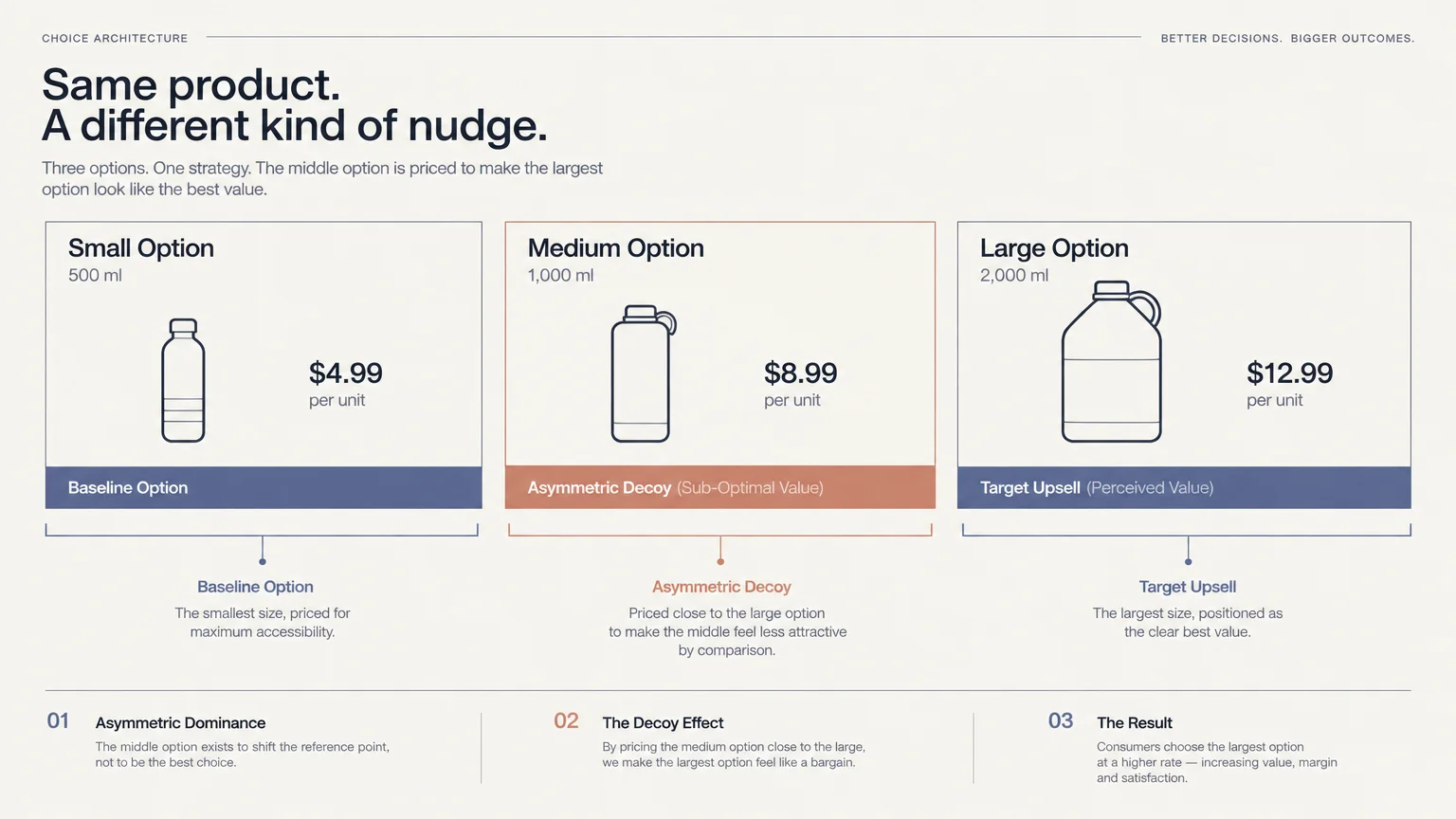
Stores regularly manipulate your choices by placing three tiers of a product side by side: budget, mid-range, and premium. Marketers often have no intention of selling the most expensive model.
Instead, they introduce an overpriced premium option solely to serve as a psychological “decoy.” This phenomenon, known in behavioral economics as asymmetric dominance, alters your perception of value.
Imagine a basic coffee maker priced at $40, a feature-rich model priced at $80, and a deluxe version priced at $140. The $140 model makes the $80 machine feel like a sensible compromise rather than a significant expense.
Retailers also use decoys with sizes and quantities. Movie theaters and fast-food chains famously price small sodas at $4.50, medium sodas at $6.00, and large sodas at $6.50.
Your brain immediately perceives the extra 50 cents for the large as outstanding value. In reality, the store successfully nudged you to spend $6.50 when you initially planned to spend far less.
To counter the decoy effect, define your exact specifications before you browse store displays. Buy the tier that matches your actual requirements, rather than upgrading simply because the next step up seems like a bargain.
4. Quantity Anchoring and Multi-Buy Illusions
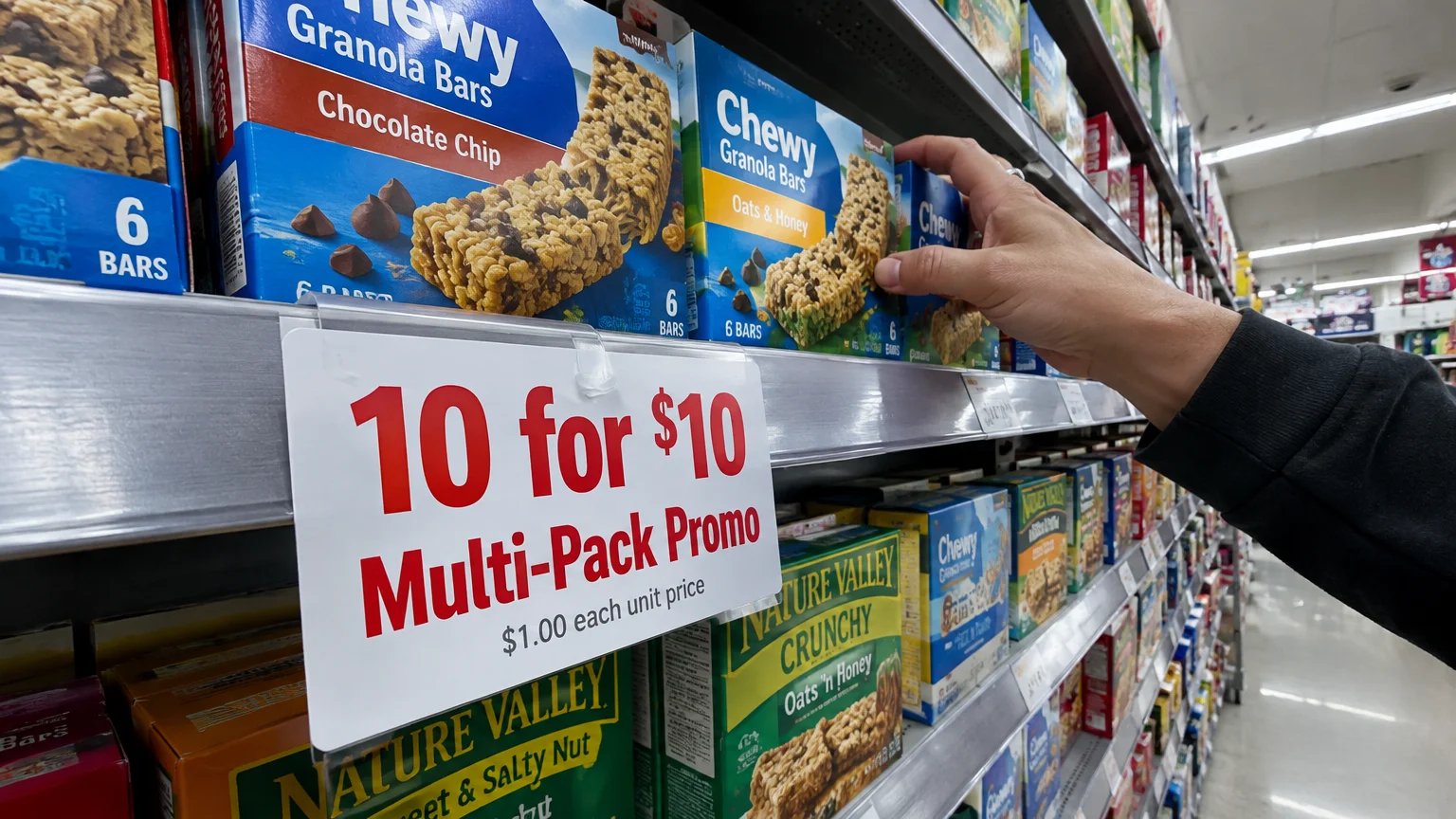
Grocery aisles and big-box retailers rely heavily on quantity anchoring promotions. You routinely see bold endcap signage announcing “10 for $10” or “Buy 4 for $8.”
These signs suggest that you must purchase the entire bundle to receive the advertised per-unit discount. In most supermarkets, however, purchasing a single can or package still costs exactly $1.00 or $2.00.
Retailers know that numbers act as behavioral anchors. When a display mentions the number ten, shoppers instinctively place more items into their cart than they originally intended.
This tactic inflates your checkout total and accelerates household inventory turnover. Unless a store sign explicitly states “Must Buy 10” or specifies a minimum quantity on your register receipt, individual items ring up at the discounted rate.
Always inspect the fine print on shelf tags to see if single items receive the sale price. Purchasing three items you need at the sale price is smart; purchasing ten items that spoil in your pantry wipes out any theoretical savings.
5. Charm Pricing and Left-Digit Manipulation
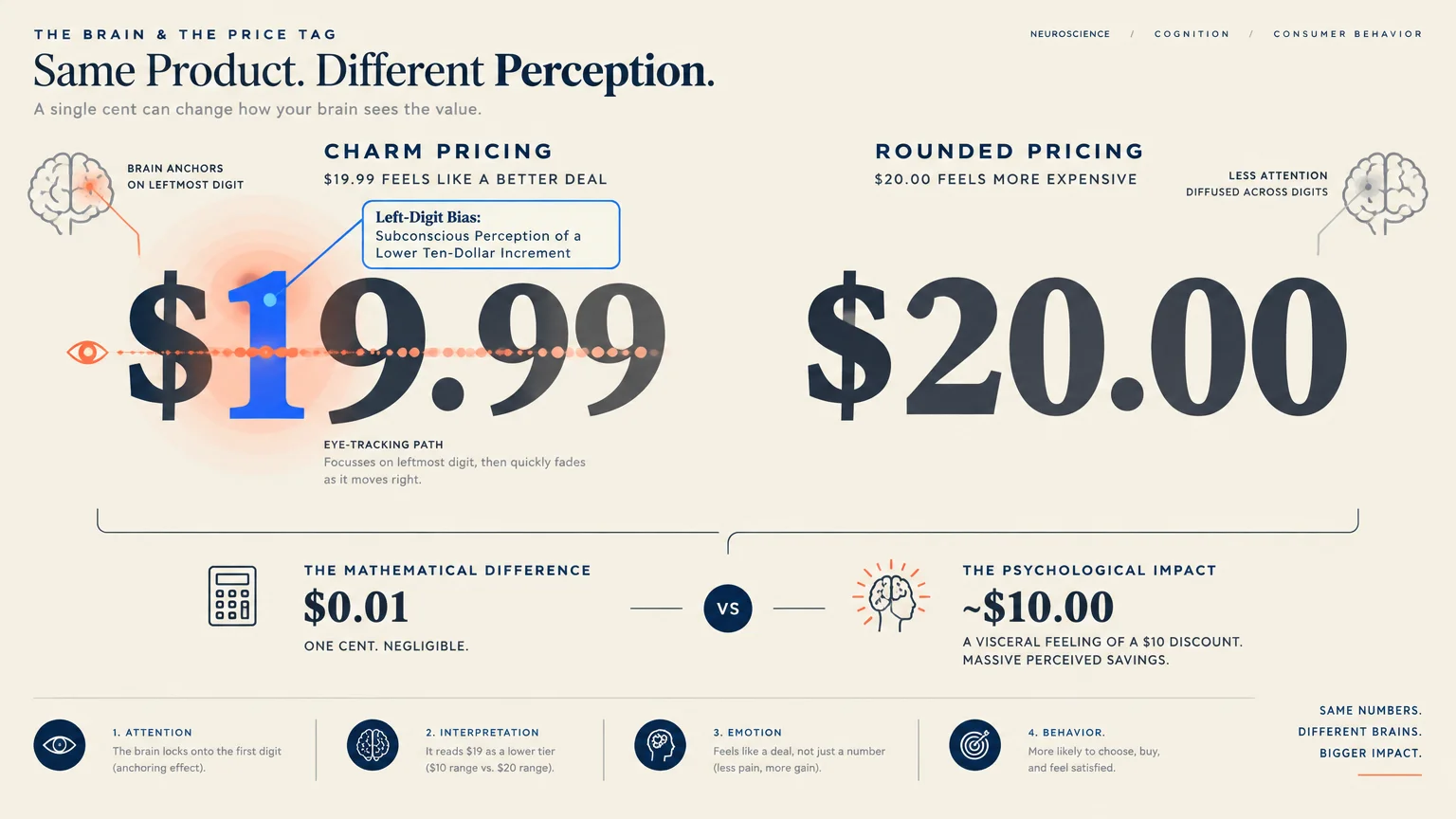
Ending a sale price in 99, 95, or 97 cents is one of the oldest retail tricks in history. Known as charm pricing, this strategy takes direct advantage of how the human brain processes numerical data.
People read numerical digits from left to right. Because our minds process the first digit instantly, a price of $19.99 registers mentally closer to $19.00 or even $10.00, rather than the practical reality of $20.00.
Retailers also use specific cent endings as proprietary operational codes. Many warehouse clubs and department stores end regular-priced goods in .99, while manager markdowns end in .97 or .00.
The visual presence of an odd ending gives consumers the subconscious impression that the price has been trimmed to the absolute bone. You assume someone calculated the margins precisely, creating an illusion of rock-bottom discounting.
Combat left-digit bias by training yourself to round every price up to the nearest whole dollar immediately. When evaluating a $49.95 item, evaluate it firmly as a $50.00 expense against your monthly budget.
6. “Up To” Framing and Clearance Bluffs
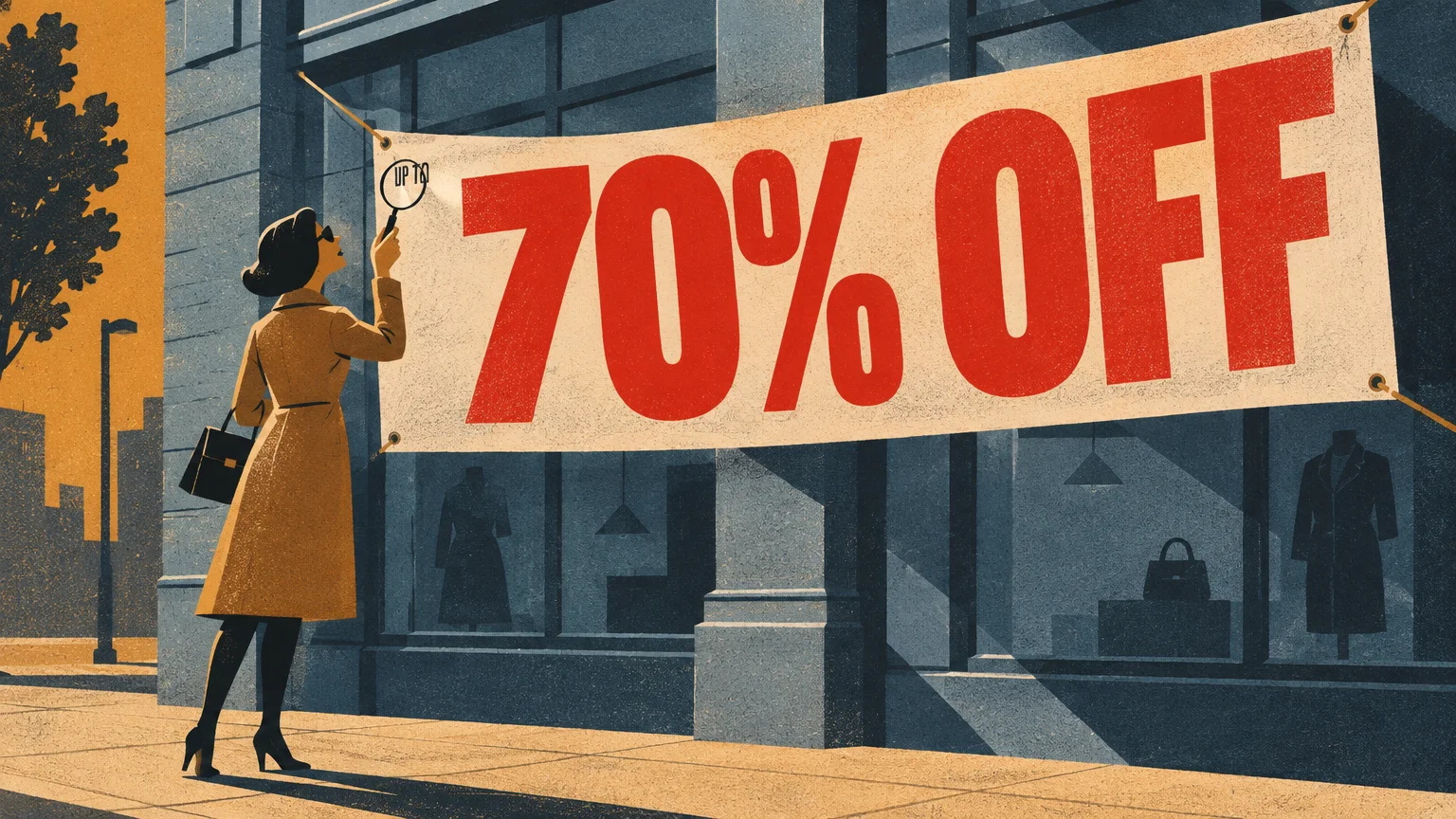
Walk past any clothing retailer or browse an online clearance portal, and you will encounter banners advertising “Up to 70% Off.” This framing triggers intense curiosity and shopping excitement.
In retail reality, the words “Up to” do all the heavy lifting. Only a tiny fraction of clearance inventory—often undesirable sizes or out-of-season merchandise—carries the full 70% markdown.
The vast majority of the merchandise on those racks carries modest discounts of 10% to 15%. Stores use the dramatic headline figure as promotional bait to get you browsing through the aisles.
Once you are actively flipping through merchandise hangers, retail momentum takes over. You find an item you like, discover it is only discounted by 10%, and purchase it anyway because you are already invested in the shopping trip.
Treat “Up to” promotions as standard inventory clear-outs rather than blanket clearance events. Focus on the final price tag on individual items rather than the broad percentage promised on the storefront banner.

7. Shrinkflation Masquerading as Everyday Value
When manufacturing and shipping costs rise, consumer packaged goods companies face a strategic choice. They can raise the sticker price, or they can quietly shrink the product contents.
Most manufacturers choose the latter, a retail phenomenon known as shrinkflation. A cereal box might retain its identical $3.99 promotional price tag while the net weight drops from 16 ounces down to 13.5 ounces.
Brand designers redesign packaging to conceal these reductions from casual observation. They indent container bottoms, narrow the width of plastic jars, or increase the internal air pocket inside snack bags.
Because the shelf price appears stable, shoppers believe they are continuing to enjoy the same value as last year. In economic terms, your household experiences an unannounced price hike per ounce or gram.
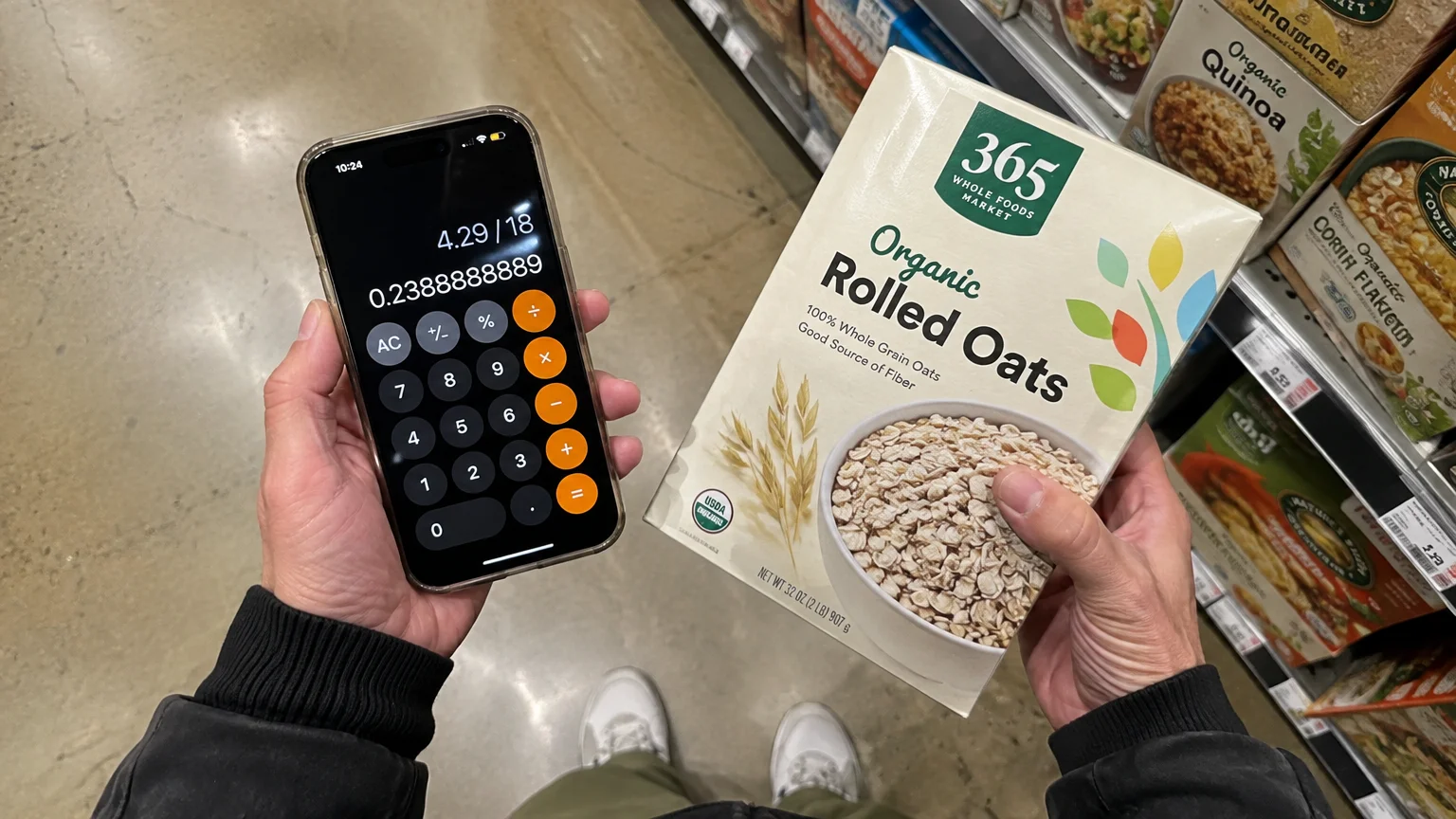
Neutralize shrinkflation by shifting your attention entirely away from the large retail price and focusing on the unit price. Supermarket shelf labels print the price per ounce, pound, or count in smaller typography on the corner of the tag.
Tracking unit pricing across your regular grocery staples reveals stealth price increases instantly. When a brand downsizes, private-label store brands often provide significantly better volume per dollar.
8. Made-for-Outlet Merchandise Dilution
Millions of consumers visit outlet malls and off-price department stores under the assumption that they are buying overstock from luxury retailers. Store displays feature labels showing high “Comparable Value” prices next to steep outlet discounts.
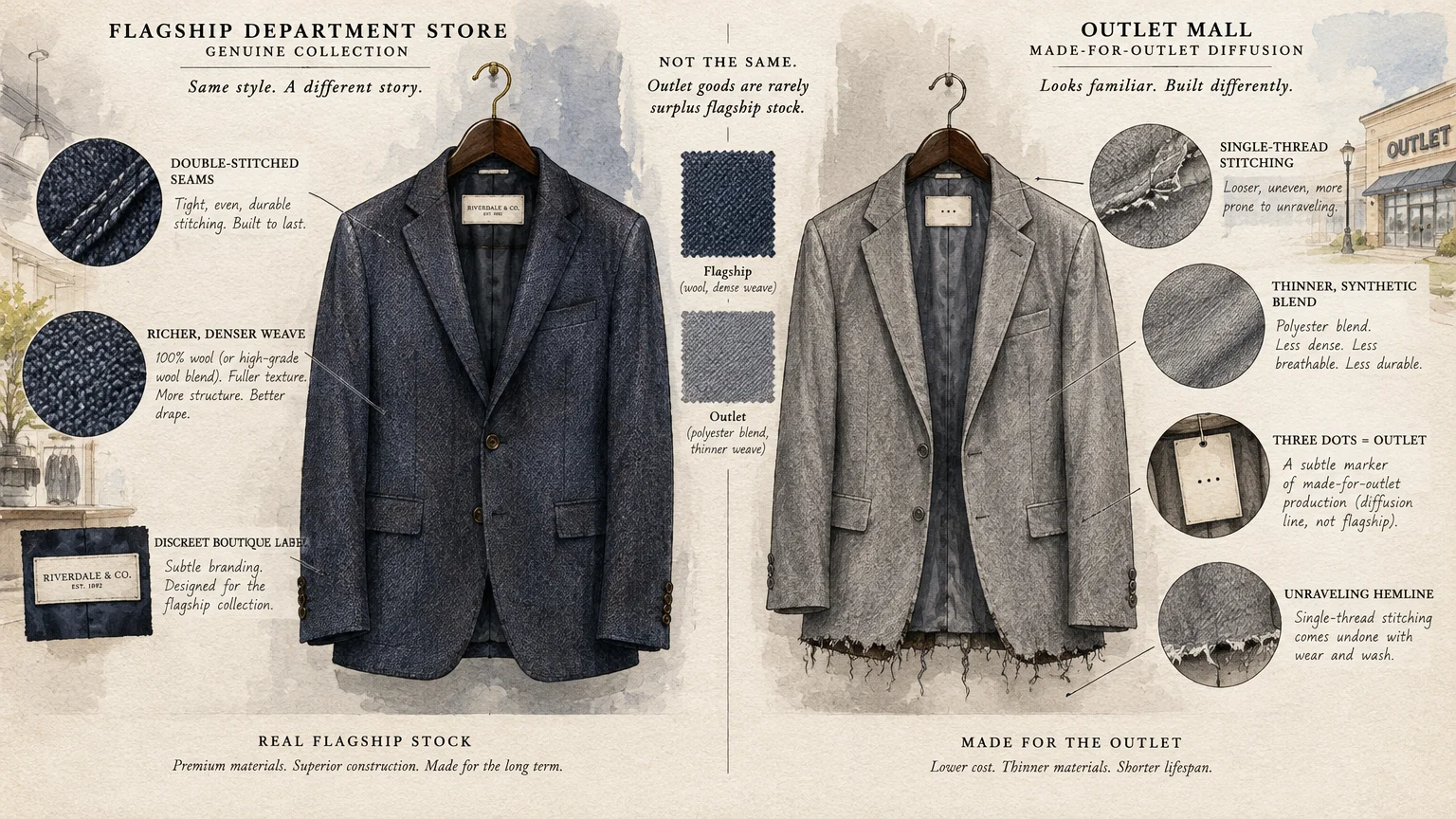
In most instances, that merchandise never hung on the racks of a flagship luxury boutique. Major fashion brands operate entirely separate manufacturing lines specifically engineered for outlet and factory stores.
These made-for-outlet garments feature lower thread counts, synthetic material blends, thinner leather, and plastic zippers. The manufacturer manufactures them at a fraction of the cost of their mainline retail counterparts.
The “Original Price” or “Compare At” figure printed on outlet tags is frequently a manufactured fiction. It represents what the brand claims an item of comparable quality might sell for, not an actual historical transaction.
Examine the physical construction, fabric composition, and stitching of outlet items before assuming you scored designer overstock. Judge the garment solely on its immediate quality relative to its asking price.
9. Artificial Scarcity and Digital Countdown Clocks
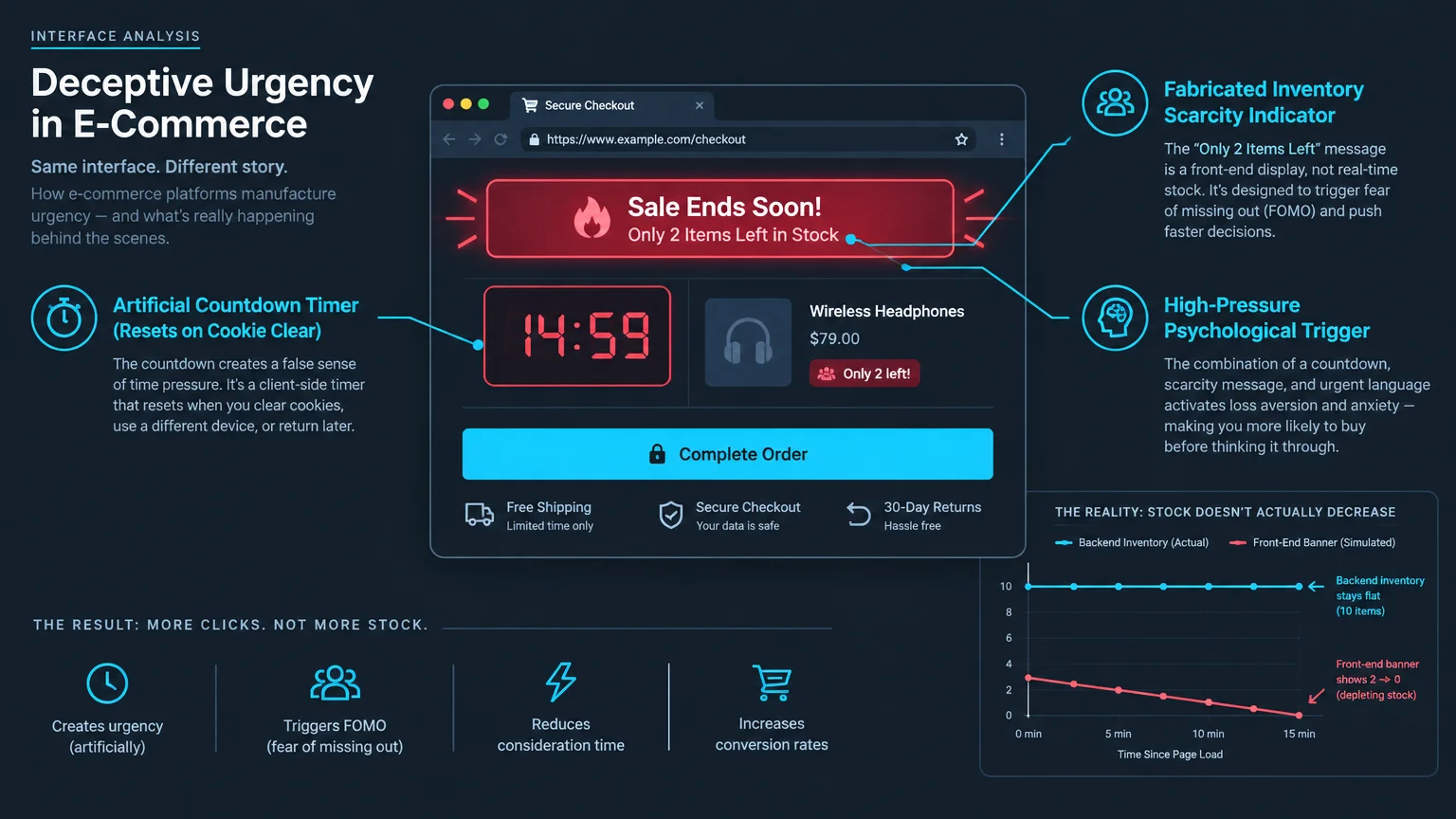
E-commerce websites excel at triggering loss aversion through artificial urgency. You frequently see prominent countdown clocks warning that a promotional sale expires in two hours and fourteen minutes.
Online product listings also employ dynamic badges alerting you that “Only 2 items left in stock!” or “18 people are looking at this item right now.” These alerts bypass rational deliberative thinking.
Behavioral psychology proves that humans fear missing out on an opportunity more than they enjoy finding a bargain. Digital timers generate synthetic pressure, prompting you to enter credit card details before thinking through the purchase.
If you refresh that same product page tomorrow or open it in a private browser window, the countdown timer often resets back to 24 hours. The inventory counter remains unchanged because the shortage is fabricated code.
Defeat manufactured urgency by imposing an intentional cooling-off period on all non-essential purchases. If an item is truly a necessity, the price will still be acceptable after you take 24 hours to consider it calmly.
The primary objective of retail sale architecture is not to give consumers a bargain, but to create psychological justification for spending money on non-essential items.
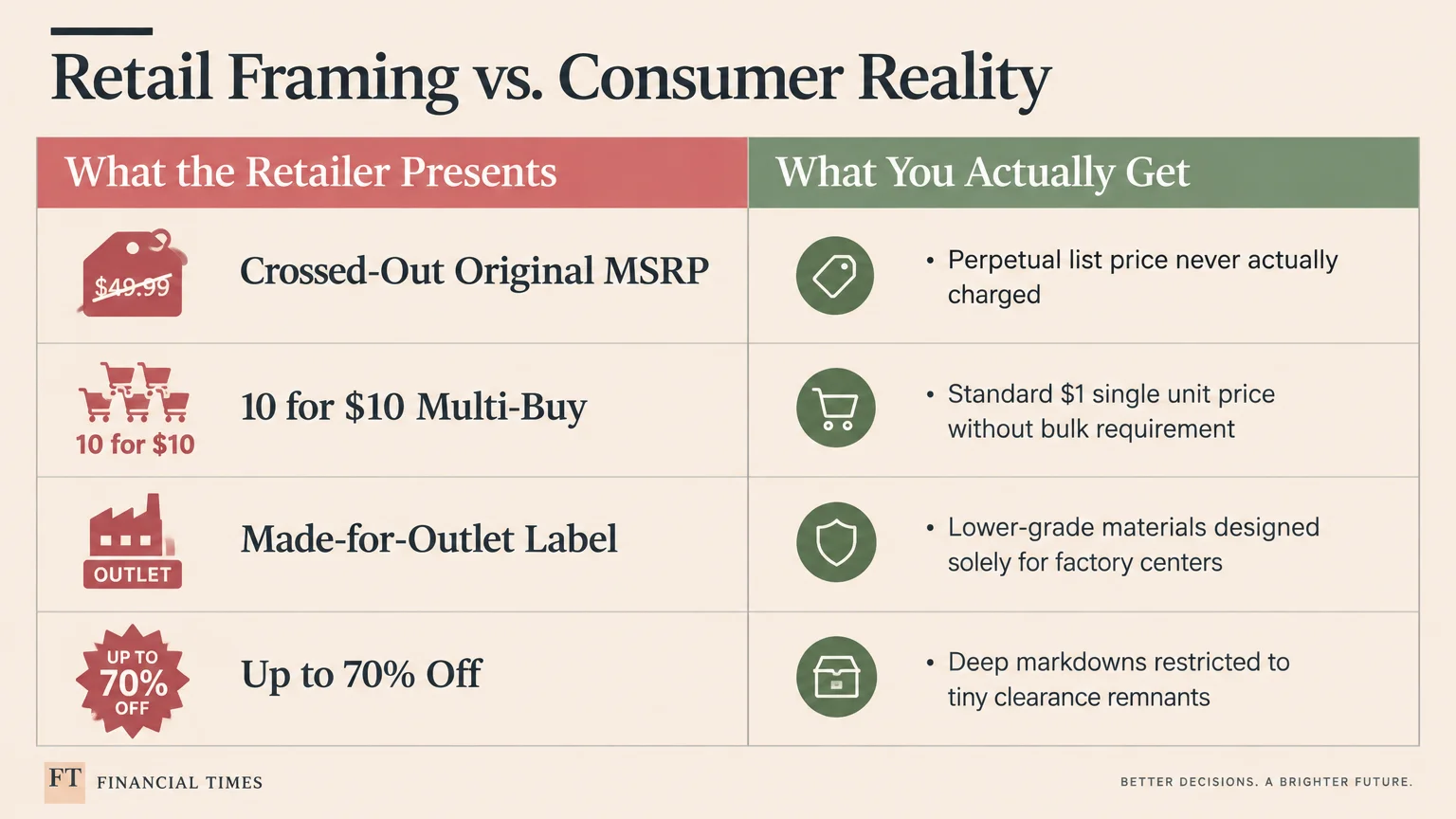
Comparing Retail Framing With Consumer Reality
Understanding the gap between promotional language and retail reality protects your savings. The following table summarizes how stores present everyday sales versus what is actually occurring behind the counter.
| Store Marketing Tactic | What the Retailer Advertises | What Is Actually Happening | Smart Shopper Counter-Strategy |
|---|---|---|---|
| Artificial Anchoring | “Was $120, Now $60 (50% Off!)” | The item rarely or never sold for $120; its regular market value is $60. | Ignore the strikethrough price; check multi-month price history. |
| Drip Pricing | “$25 Base Flash Sale” | Mandatory checkout fees, processing, and handling inflate the total to $42. | Calculate total landed cost before shopping; abandon carts with junk fees. |
| Quantity Anchors | “10 for $10 Stock-Up Event” | Single items ring up at $1.00; buying ten items causes unnecessary spending. | Read shelf tag terms; purchase only the exact quantity your household consumes. |
| Charm Pricing | “$29.99 Special Price” | Exploits left-to-right reading habits so the brain registers $20 rather than $30. | Mentally round up all tags to the nearest whole dollar immediately. |
| “Up To” Clearance | “Up to 70% Off Storewide” | Only 5% of obsolete stock has 70% off; 95% of items have tiny markdowns. | Check individual clearance tags; ignore the broad storefront promotional claim. |
| Made-for-Outlet | “Compare at $250, Now $89” | Item was manufactured specifically for the outlet using cheaper materials. | Inspect fabric, seams, and hardware rather than trusting brand prestige. |
| Synthetic Urgency | “Sale Ends in 01:45:00!” | Scripted browser timers reset automatically to force impulsive purchases. | Enforce a mandatory 24-hour waiting rule before finalizing online checkouts. |
Four Common Shopping Mistakes to Avoid
Even seasoned bargain hunters fall into psychological traps when navigating promotional sales. Avoiding these four frequent mistakes will keep your hard-earned dollars in your bank account.
- Spending extra to hit free shipping thresholds: Adding a $15 item to your digital cart to avoid a $6 shipping charge means you spent an extra $9 on something you did not need.
- Assuming warehouse clubs always offer the lowest unit price: Bulk packaging creates an assumption of automatic savings, but standard supermarkets frequently beat warehouse club prices during seasonal sales.
- Confusing high percentage discounts with real cash value: Saving 80% on a decorative kitchen gadget you never use is not an $80 savings; it is a $20 waste of your household cash.
- Failing to track unit prices across changing package sizes: When manufacturers downsize packages, the eye focuses on the familiar shelf price while your cost per ounce jumps significantly.
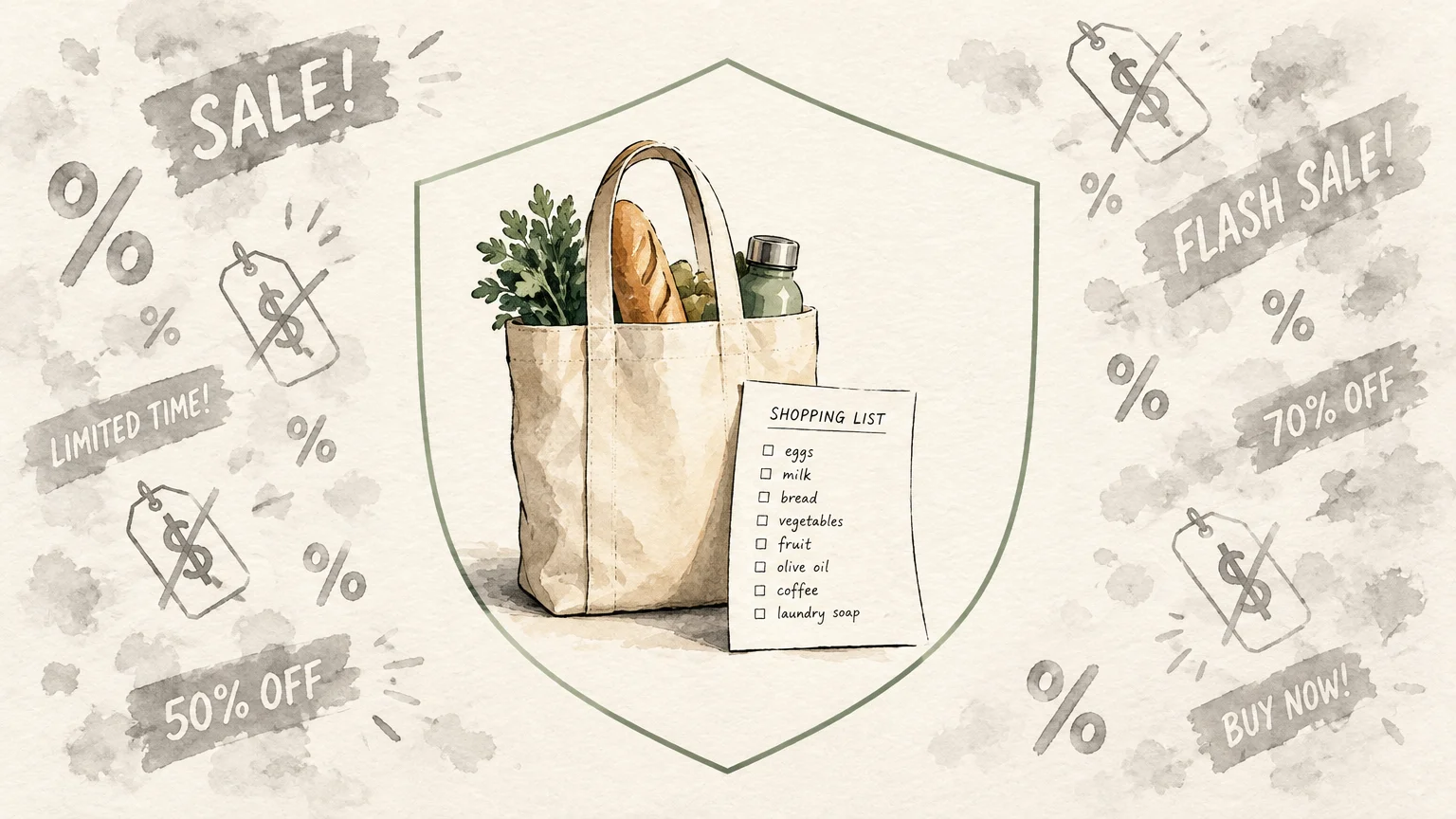
Actionable Habits to Beat Retail Pricing Psychology
Overcoming retail sales tactics requires replacing emotional reactions with systematic shopping habits. When you change how you evaluate sale items, store merchandising tricks lose their persuasive power.
First, always calculate the price per unit rather than reading the sale price. Whether you are buying paper towels, laundry detergent, or canned goods, the price per ounce or sheet reveals genuine value.
Second, utilize price tracking browser extensions when shopping online. Third-party tracking tools maintain transparent price histories for millions of products across major e-commerce platforms.
A price tracker demonstrates whether an advertised holiday markdown is truly the lowest price of the year or an artificial bump designed for the promotion. You can set automated price alerts that notify you when an item hits an honest low.
Third, adopt a strict 24-hour cooling-off rule for all discretionary purchases. Impulse buying thrives on the excitement of the moment, which evaporates quickly when you step away from the store display.
Finally, keep a concise price book of household essentials you buy repeatedly. Knowing your baseline price for coffee, olive oil, and cleaning supplies gives you an immediate defense against deceptive retail signage.
Frequently Asked Questions
Are stores legally allowed to raise prices right before a major sale?
Under federal regulations enforced by the FTC, a retailer cannot artificially inflate a regular price immediately before a promotion to make the markdown appear larger. However, enforcement varies, and stores frequently cycle regular and promotional pricing to stay within technical compliance.
Do I have to buy the full amount listed in a “10 for $10” grocery promotion?
In most American grocery stores, you do not have to buy all ten items to receive the promotional rate. Unless the tag explicitly states “Must buy 10” or “Quantity 10 required,” individual items ring up at the discounted $1.00 rate at checkout.
How can I verify if an outlet store item is made specifically for the outlet?
Examine internal tags and fabric composition carefully. Many clothing brands print distinct symbols, such as three consecutive dots or the word “Factory” beneath the brand logo, to signify made-for-outlet production lines.
What should I do if an online retailer adds surprise fees during checkout?
Under recent FTC guidelines and state transparent pricing statutes, hidden mandatory fees are increasingly scrutinized. You should abandon the cart, report deceptive drip pricing to your state attorney general, and purchase from transparent competitors.
Protecting Your Hard-Earned Dollars
Retailers invest millions of dollars researching consumer psychology and designing promotional pricing that triggers impulse spending. When you recognize that most sales are carefully orchestrated illusions, you take the power back into your own hands.
Focus on your family budget, prioritize your genuine needs, and inspect the fine print on every shelf tag. True financial progress comes from buying what you need at fair prices, rather than accumulating bargains you never intended to purchase.
The information here is meant for educational purposes. Specific circumstances—including health conditions, finances, location, and goals—may require different approaches. When in doubt, consult a licensed professional or check official sources directly.
Last updated: October 2026. Rules, prices, and details change—verify current information with official sources before acting on it.







Leave a Reply