

You can trim hundreds of dollars from your household budget simply by shifting specific purchases to digital storefronts. Traditional retailers face heavy overhead expenses like commercial rent and showroom staffing, which inflate the shelf prices you encounter in physical aisles.
When you know which consumer goods carry the steepest retail markups, you can bypass local stores and buy directly on the web. This targeted approach keeps more cash in your bank account without forcing you to sacrifice quality.
Here are twelve everyday products that consistently cost significantly less when you purchase them through online merchants.
The Retail Math Behind Online Discounts
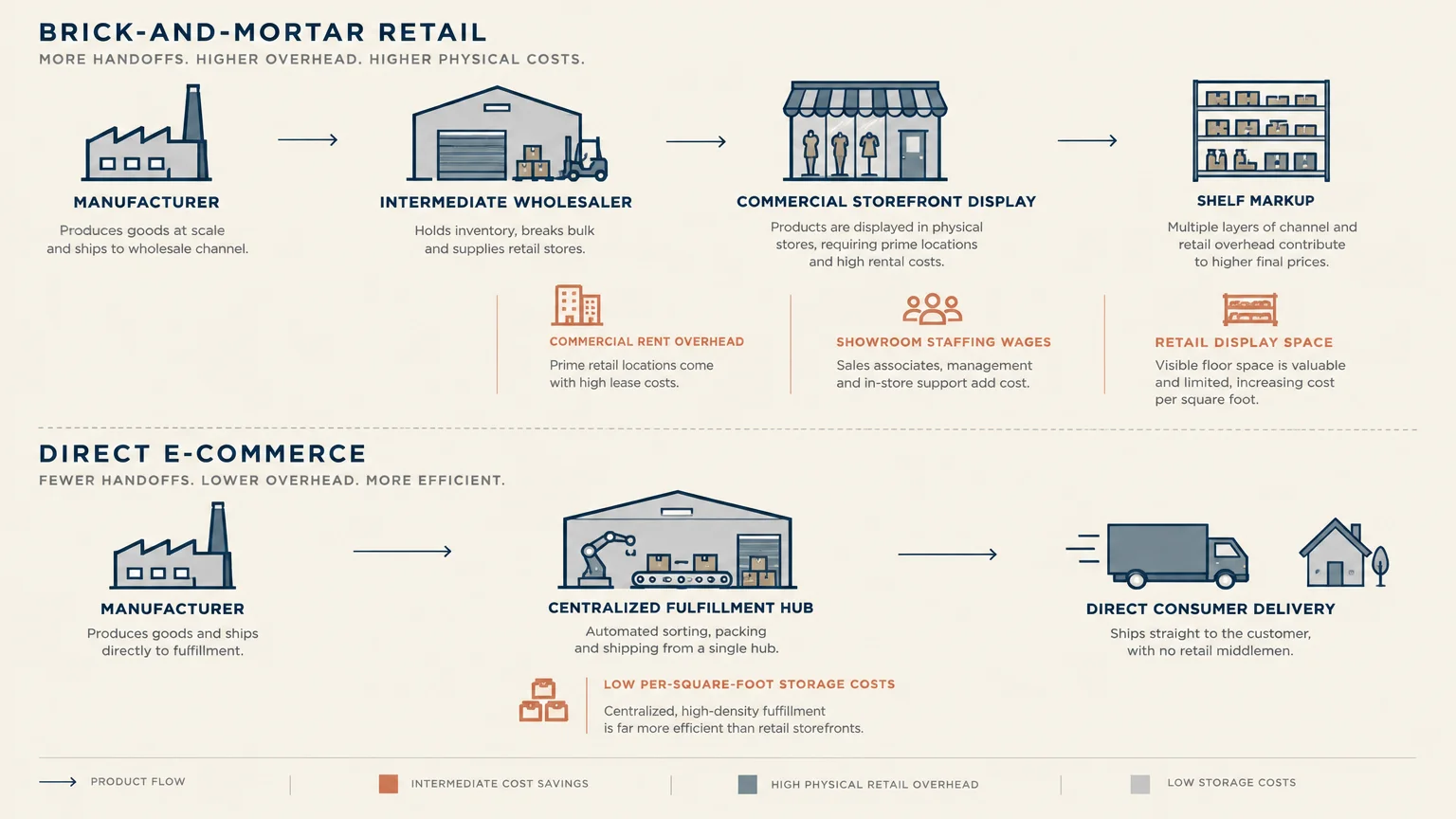
Physical stores incur substantial operational expenses to keep their doors open. They must pay for prime commercial real estate, utility bills, visual merchandising displays, and on-site sales staff.
Store managers must also account for unsold inventory taking up limited shelf capacity. These built-in operating expenses force brick-and-mortar merchants to increase retail margins across high-margin product categories.
In contrast, e-commerce retailers rely on centralized distribution centers where storage costs per square foot remain low. Automated fulfillment centers pack and ship items at massive volume, slashing labor costs per unit.
Online merchants also manage direct relationships with wholesale manufacturers, eliminating intermediate distributors. These supply-chain efficiencies produce durable price advantages that online sellers pass directly to you.
1. Cables and Audio-Video Accessories
Walk into any big-box electronics retailer, and you will notice television display walls surrounded by shelves of audio-video cables. Retailers price primary electronics competitively, often operating near razor-thin margins on televisions and home computers.
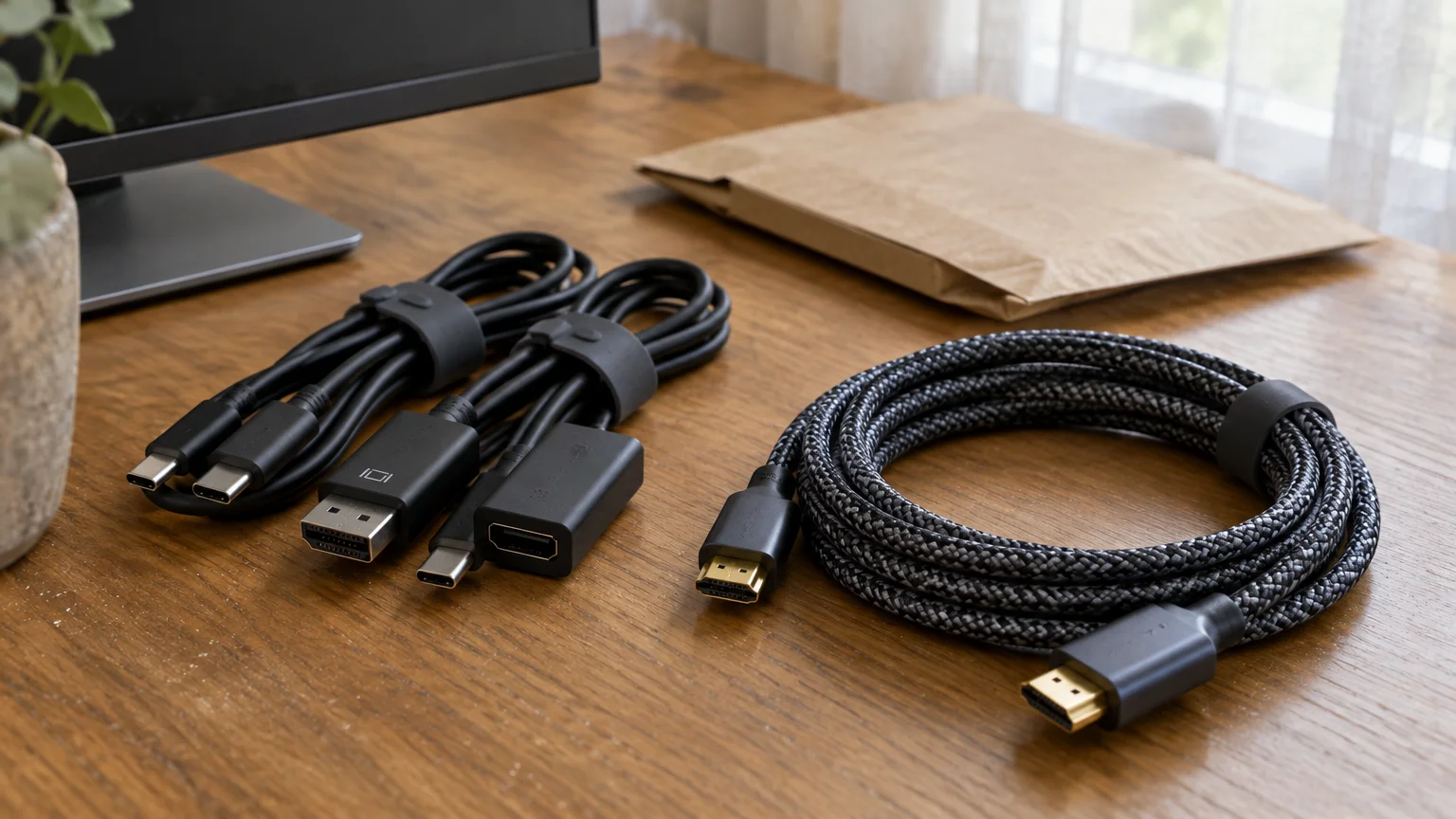
To recoup their profits, retail chains place astronomical markups on auxiliary accessories. Basic high-definition multimedia interface (HDMI) cables, optical audio cords, and display adapters carry some of the highest markups in modern retail.
Online suppliers, on the other hand, treat these standard cords as simple commodity hardware. Because digital signals transmit through binary pulses, an expensive cord rarely outperforms a basic, well-shielded generic cord.
When you order cables online, you bypass retail showroom margins entirely. You can purchase durable braided cords, multi-packs of charging cables, and specialized display adapters for pocket change compared to electronics store registers.

2. Prescription Eyeglasses and Contact Lenses
Traditional optical boutiques combine clinical services with luxury frame displays in high-traffic shopping centers. They bundle frame fabrication, in-house lab equipment, and retail consultant salaries into the final price of your eyewear.
Online optical storefronts operate on an entirely different economic structure. By manufacturing custom lenses in centralized optical laboratories and selling proprietary frame designs, digital retailers strip out retail markups.
You only need your current prescription, your pupillary distance measurement, and an internet connection to order custom frames online. You can select premium lens treatments—such as anti-reflective and blue-light coatings—for a tiny fraction of boutique prices.
Contact lenses follow the same savings pattern. According to the Federal Trade Commission Contact Lens Rule, eye doctors must provide a copy of your prescription at no extra charge, allowing you to shop across competitive digital suppliers.

3. Mattresses and Sleep Foundations
Traditional mattress showrooms occupy massive retail spaces filled with dozens of display beds. Because the average consumer only purchases a mattress every seven to ten years, showroom operators must collect substantial profit margins on every single sale.
Showroom prices routinely cover floor commissions for aggressive sales personnel and costly inventory floor plans. Furthermore, manufacturers often distribute identical mattress models under different brand names across competing stores, frustrating your efforts to comparison shop.
Direct-to-consumer sleep companies solved this problem by compressing high-density foam and hybrid coil mattresses into shippable boxes. By bypassing intermediary retail showrooms, these online brands deliver equivalent or superior materials straight to your front doorstep.
Online mattress companies also mitigate consumer risk by offering generous home sleep trials. You can test a bed inside your own bedroom for several months, returning the mattress for a full refund if it fails to suit your sleeping preferences.

4. Pet Medications and Prescription Flea Prevention
Veterinary clinics maintain small in-house dispensaries to provide immediate treatments during acute health emergencies. However, maintaining a small on-site pharmacy requires significant capital, leading clinics to mark up maintenance medications and preventative treatments.
When your pet requires recurring heartworm preventatives, flea medications, or chronic arthritis treatments, purchasing directly from local clinics quickly drains your budget. Online veterinary pharmacies buy pharmaceuticals in bulk volume, securing steep wholesale discounts.
Reputable online pet dispensaries employ licensed pharmacists who review your veterinary orders directly. You simply provide your veterinarian’s contact details, and the online dispensary manages prescription verification behind the scenes.
Before ordering treatments, confirm that the digital pharmacy is fully accredited. Guidance from the Food and Drug Administration on buying medicine online safely highlights the importance of using certified pharmacies to ensure product authenticity and safe handling.

5. Physical Books and Audiobooks
Physical bookstores offer delightful community browsing, but their real estate footprint limits their pricing flexibility. Books arrive with publisher-printed retail prices on their back covers, which brick-and-mortar stores must charge to cover operating overhead.
Online book retailers operate massive regional fulfillment hubs that stock millions of unique titles simultaneously. Because warehouse shelving costs far less than city retail space, online vendors routinely discount new hardcovers and paperbacks below list price.
Digital storefronts also host active third-party used-book marketplaces. You can acquire out-of-print titles, college textbooks, and gently used paperbacks for pennies on the dollar plus standard delivery.
If you prefer listening to stories, digital audiobook platforms offer monthly credit models that drastically undercut the retail cost of physical audio disc collections. You receive instant delivery to your smartphone without showroom markups.
6. Phone Cases and Screen Protectors
Mobile carrier stores and franchise retail outlets rely heavily on impulse accessory purchases to generate cash flow. When you spend significant money on a new smartphone, sales representatives immediately urge you to buy protective cases and screen shields.
In-store protective accessories frequently carry prices that rival the cost of minor electronics. The plastic or silicone used to manufacture these protective shells costs manufacturers pennies, yet physical stores charge premium fees for display packaging.
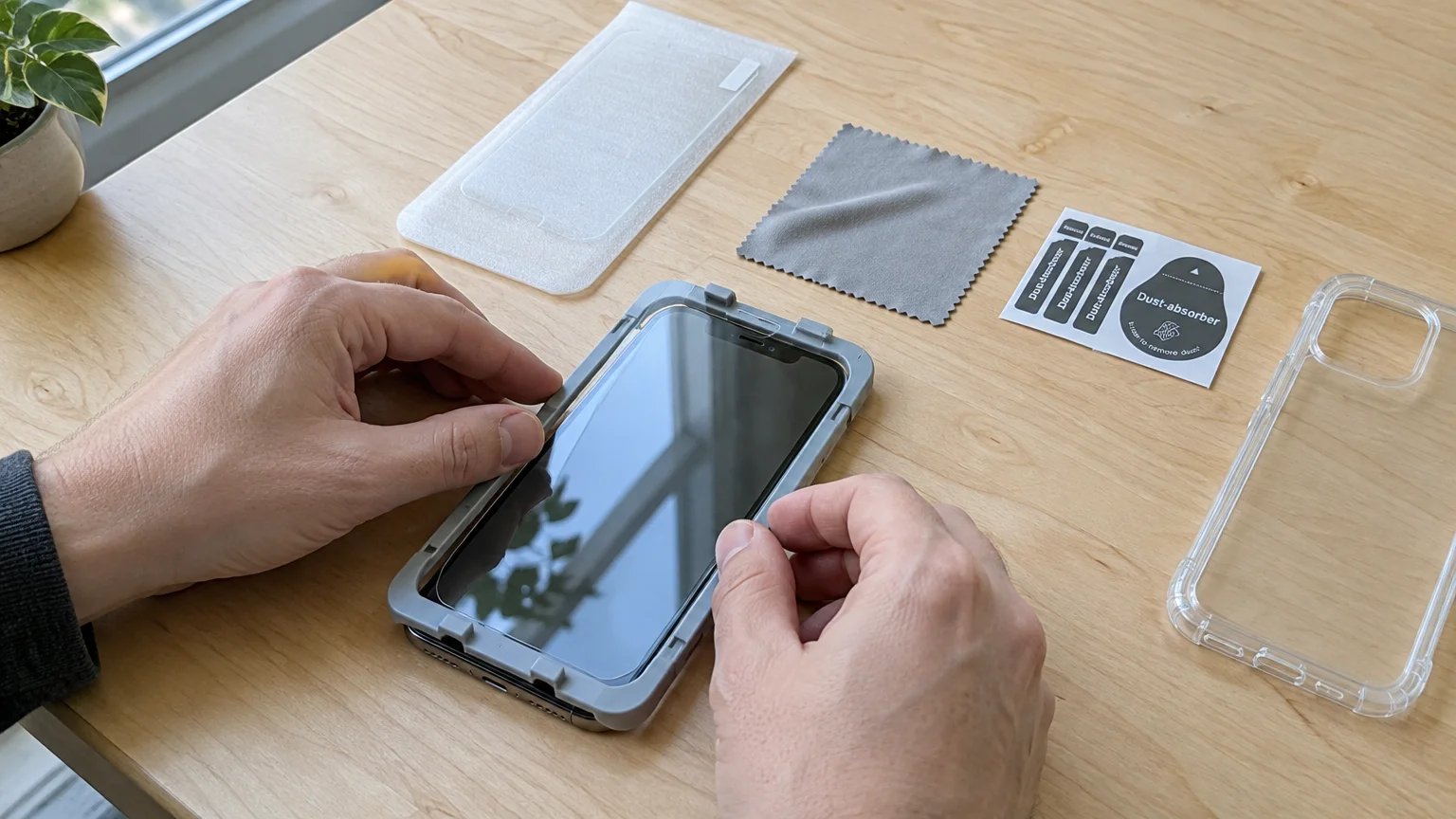
Online accessory specialists offer identical drop protection and aesthetic styles at wholesale-adjacent pricing. You can choose from hundreds of colors, textures, and protective ratings that brick-and-mortar pegboards cannot match.
Tempered-glass screen protectors showcase the greatest pricing divide. Online merchants routinely sell multi-packs containing alignment trays and cleaning kits for less than the cost of a single in-store application.
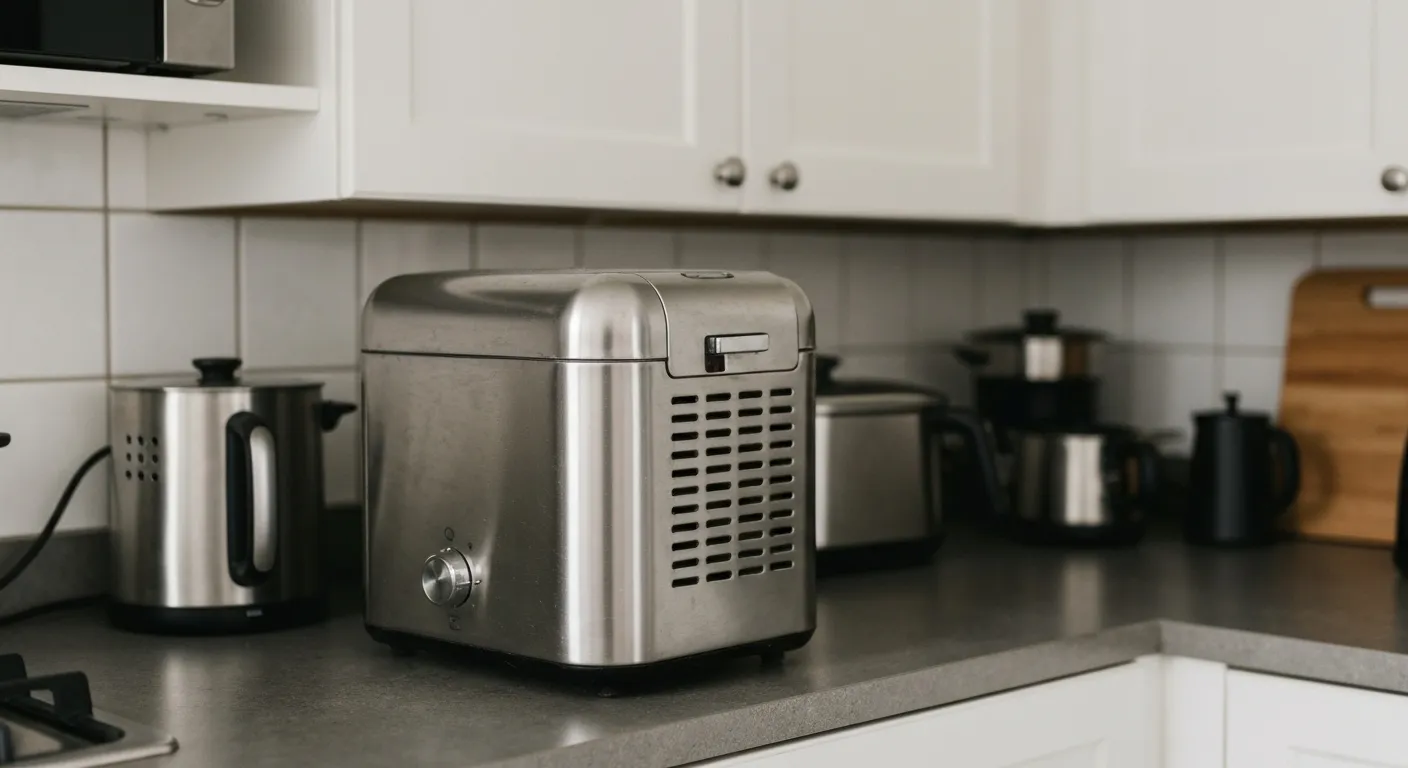
7. Small Kitchen Countertop Appliances
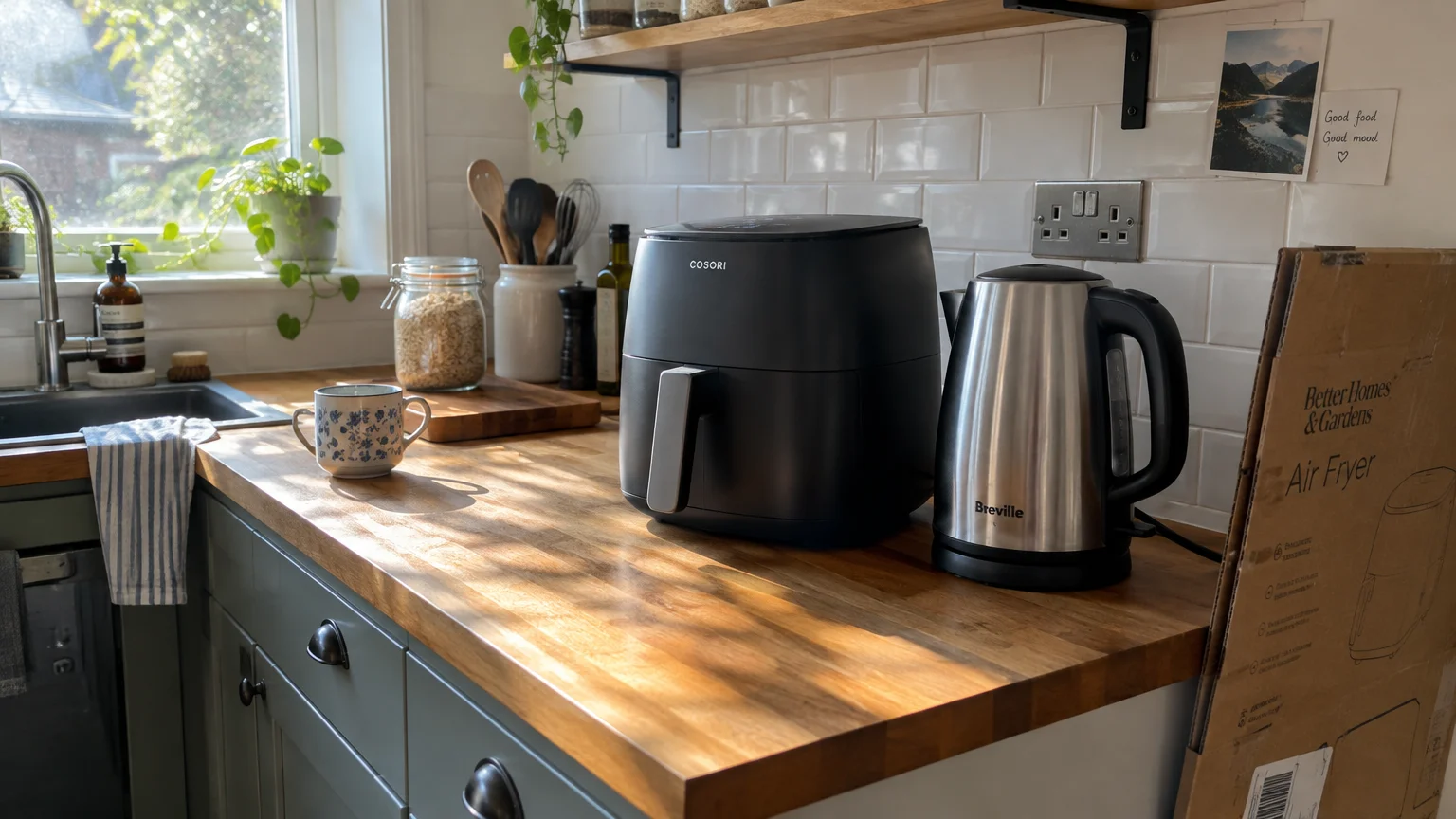
Department stores, specialty kitchen boutiques, and home goods chains dedicate vast floor space to display coffee makers, stand mixers, and blenders. Maintaining these culinary display vignettes requires substantial inventory investments.
Because physical retail space remains constrained, traditional stores only stock a handful of models from prominent legacy brands. This limited selection reduces direct shelf competition and preserves high retail pricing.
Online retailers manage automated pricing algorithms that match or beat competing web offers within minutes. When multiple digital merchants compete for your purchase, prices drop dynamically across small kitchen appliances.
Online stores also provide thousands of verified customer reviews detailing real-world durability and motor performance. You gain access to customer feedback and lower prices simultaneously, helping you avoid overpriced culinary gear.

8. Bulk Vitamins and Dietary Supplements
Pharmacies and health-food stores place vitamins and dietary supplements in premium aisle locations. A sixty-count bottle of everyday multivitamins or calcium tablets often carries an elevated price tag at your neighborhood drugstore.
Because retail shelf space is precious, physical stores prioritize smaller package sizes that force you to repurchase frequently. This distribution model maximizes the retailer’s revenue per square foot while draining your wallet.
Online wellness distributors excel at offering high-volume, multi-month packaging. You can buy six-month or annual supplies of vitamin D, omega-3 capsules, or daily probiotics at substantial per-serving discounts.
Many online health merchants also provide recurring subscription options that knock additional percentages off your order total. These automated shipments save you money while ensuring you never run out of daily essentials.
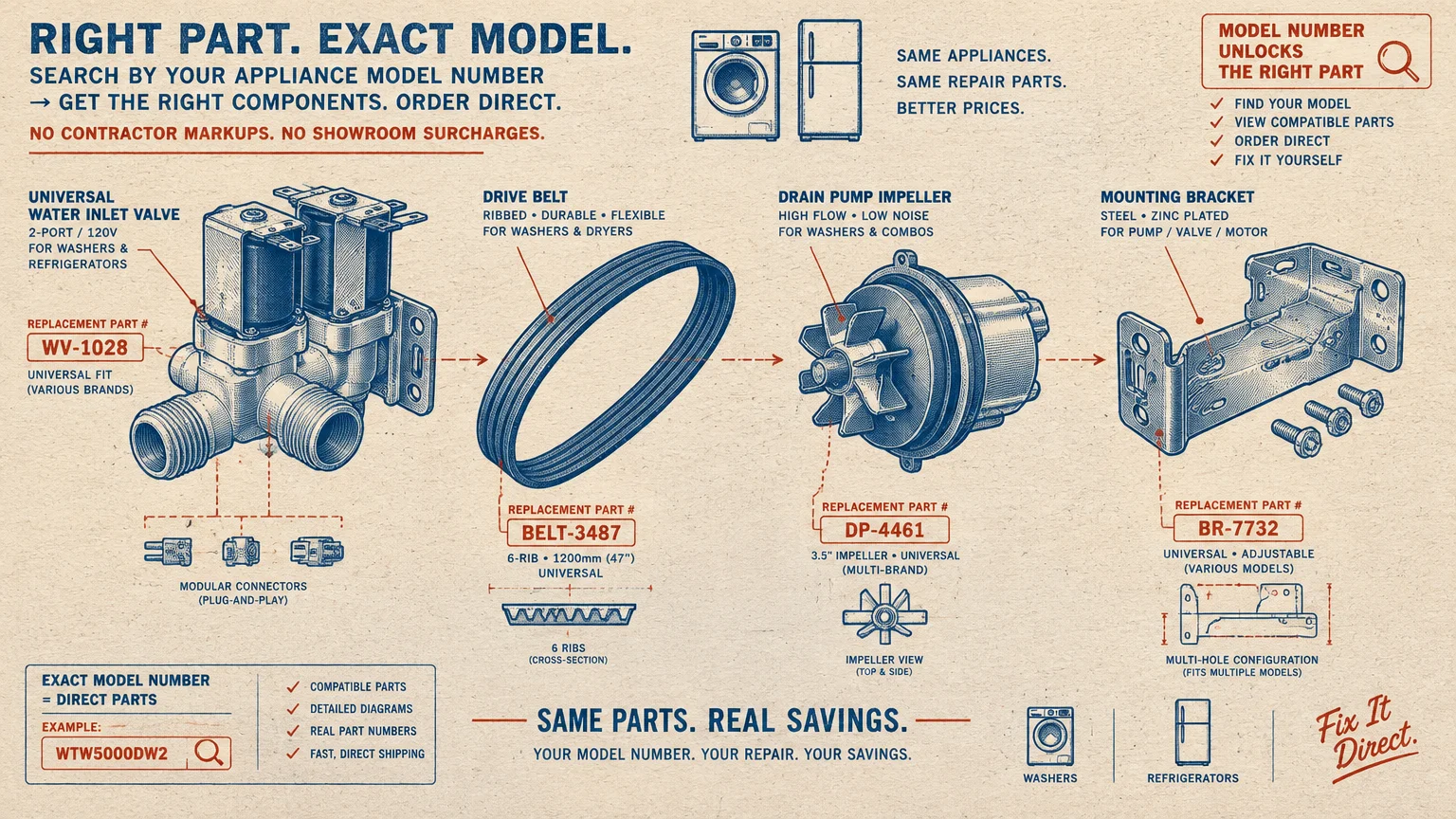
9. Specialty Hardware and Appliance Replacement Parts
When an internal washing machine valve fails or a refrigerator door gasket tears, your local home improvement store might let you down. Brick-and-mortar hardware stores must prioritize fast-moving items like standard light bulbs and common screws.
If a local supply shop does happen to carry your specific replacement part, they usually charge an astronomical convenience markup. They understand that homeowners facing broken appliances often feel desperate for an immediate fix.
Specialized online replacement parts warehouses catalog millions of schematic diagrams and components for vintage and modern appliances alike. By entering your appliance’s model number, you can pinpoint the exact original-equipment or certified aftermarket part.
These online parts distributors ship directly from centralized warehouses, bypassing regional supply-house markups. You can fix your household machinery for a fraction of the price charged by professional retail parts counters.

10. Baby Gear and Diaper Subscriptions
Parenthood brings an avalanche of recurring expenses, from disposable diapers and wipes to strollers and car seats. Baby supply stores and regional supermarkets capitalize on busy parents by charging high shelf prices for infant consumables.
Brick-and-mortar grocery stores rarely stock mega-pack diaper boxes due to shelf-depth constraints. Instead, they sell smaller packages that carry a much higher unit cost per diaper.
Online subscription platforms allow you to order industrial-sized diaper cartons and baby wipe bundles delivered straight to your porch. Scheduled delivery services eliminate emergency runs to the local drugstore while unlocking bulk-tier pricing.
Larger juvenile products like travel systems and convertible cribs also cost less through digital retailers. You can compare safety specifications, fabric options, and crash-test ratings across dozens of brands without navigating crowded showroom floors.

11. Luggage Sets and Travel Bags
Luggage displays demand an extraordinary amount of physical retail square footage. Suitcases cannot be compressed easily on showroom floors, forcing department stores to allocate massive floor plans to display rolling luggage collections.
To justify this floor usage, department stores impose steep retail margins on luggage sets. Retailers frequently inflate the list prices on suitcase tags simply to advertise artificial “fifty percent off” sales promotions.
Direct-to-consumer luggage brands and digital travel discounters eliminate retail distributor margins. Online sellers pass durable polycarbonate shells, aluminum frames, and smooth spinner wheels directly into consumer hands at transparent price points.
Furthermore, online luggage outlets offer access to past-season colorways and discontinued collection lines. You can easily purchase top-tier travel gear without absorbing department store display overhead.

12. Designer Fragrances and High-End Beauty Tools
Department store beauty counters are expensive operations. Luxury perfume houses fund illuminated glass counters, branded display pedestals, and salaried beauty consultants to sample scents for passing shoppers.
These experiential marketing elements add enormous overhead to every bottle of eau de parfum or hot styling tool sold at retail counters. When you buy perfume in a department store, you are largely paying for the retail presentation.
Reputable online fragrance warehouses buy surplus inventory, overstocked seasonal releases, and unboxed tester bottles directly from authorized distributors. They resell these authentic scents at dramatic discounts to digital consumers.
Professional beauty appliances like salon-grade hair dryers and ceramic straightening irons also sell for lower prices online. Digital specialty retailers run routine promotional codes that luxury retail counters strictly prohibit.
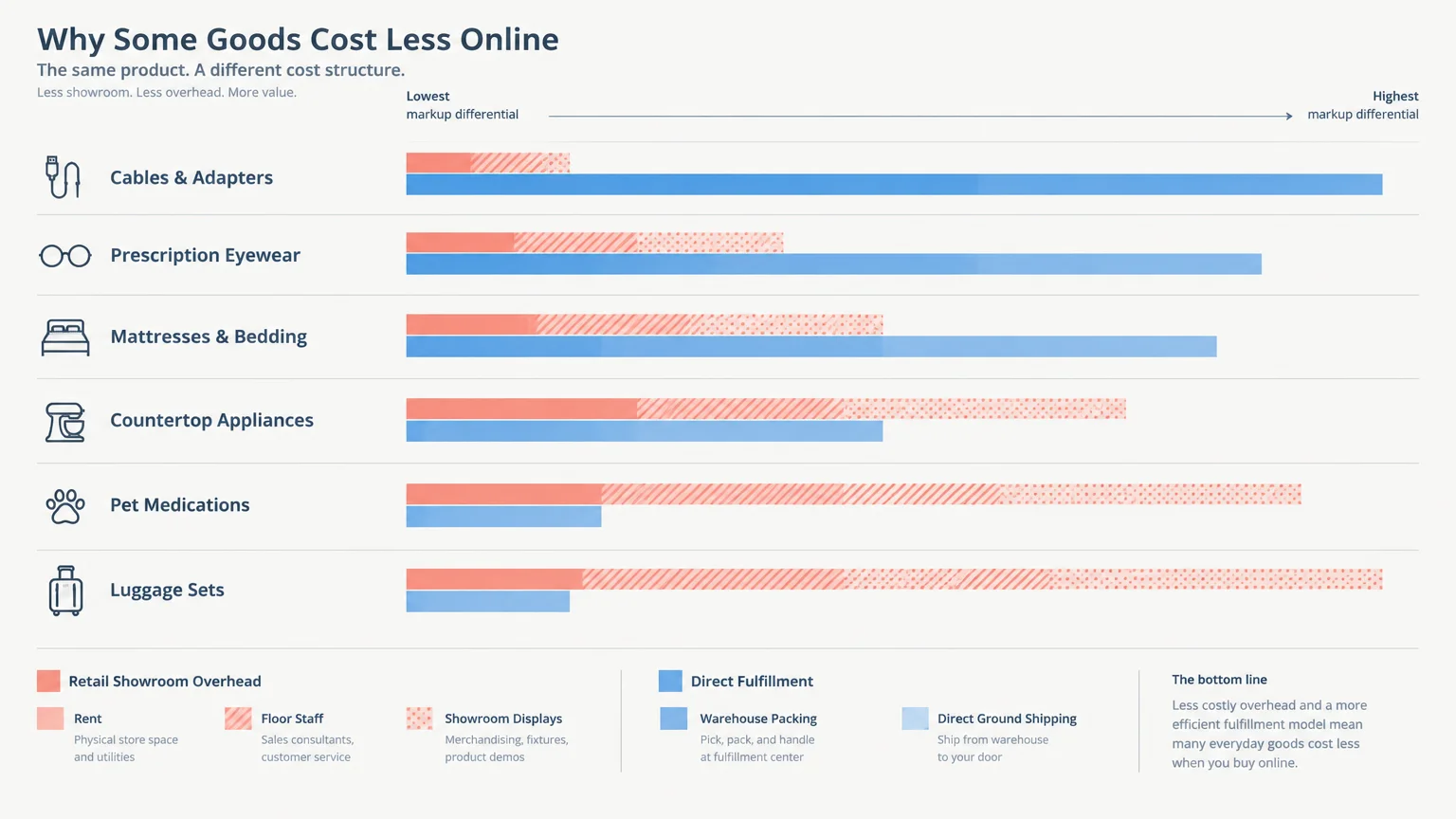
Comparing In-Store Markups to Online Advantages
The following table illustrates the structural economic drivers that make these product categories cheaper through digital retail channels.
| Product Category | Primary In-Store Cost Driver | Online Shopping Advantage | Relative Savings Opportunity |
|---|---|---|---|
| AV Cables & Accessories | Auxiliary profit subsidies for low-margin electronics | Direct manufacturer sourcing and generic bulk packaging | Extremely High |
| Prescription Eyewear | High showroom rent and licensed in-house opticians | Centralized digital optical labs and proprietary frame lines | High |
| Mattresses & Foundations | Sales commissions and bulky showroom display costs | Direct-to-consumer compressed shipping and home trials | High |
| Pet Medications | Small-scale clinical pharmacy inventory markups | Bulk pharmaceutical purchasing and automated refills | Moderate to High |
| Phone Cases & Glass | Impulse accessory markups at carrier storefronts | Low manufacturing costs passed directly to consumers | Extremely High |
| Baby Diapers & Wipes | Limited grocery shelf depth requiring smaller packaging | Automated recurring subscriptions and bulk packaging | Moderate |
| Specialty Appliance Parts | Local distributor markups on rare SKU inventories | Comprehensive central cataloging across millions of parts | High |
| Designer Fragrances | Luxury counter staffing, samplers, and store leases | Authorized surplus warehousing and unboxed inventory | Moderate to High |
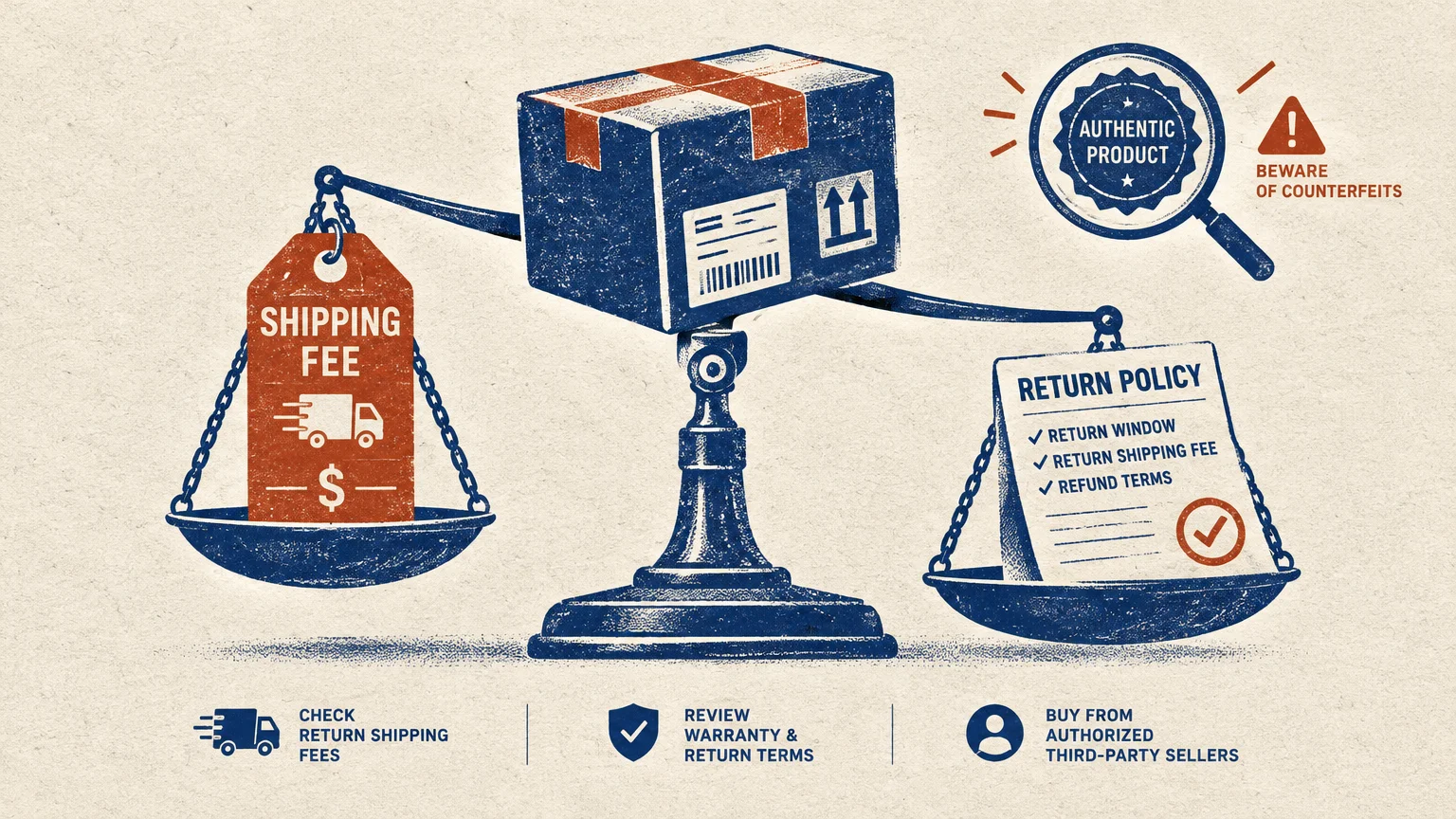
Things to Watch Out For
While online shopping offers undeniable price advantages, digital transactions require caution. Blindly chasing the lowest price tag on the internet can sometimes backfire if you ignore merchant policies.
First, watch out for counterfeit merchandise when browsing open online marketplaces. Third-party seller platforms often host unauthorized distributors peddling imitation cosmetics, counterfeit smartphone chargers, or expired pet medications.
Second, scrutinize the merchant’s return shipping policies and restocking fees. A mattress or large piece of luggage might look affordable online until you discover that returning an unsuitable product requires you to pay return freight shipping.
Third, beware of deceptive shipping thresholds that negate your savings. A digital vendor might offer an item for five dollars less than a local store, only to add costly shipping fees at final checkout.
Fourth, examine product warranty terms before purchasing gray-market electronics. Some manufacturers refuse to honor standard warranties unless you purchase their hardware through specifically authorized retail partners.
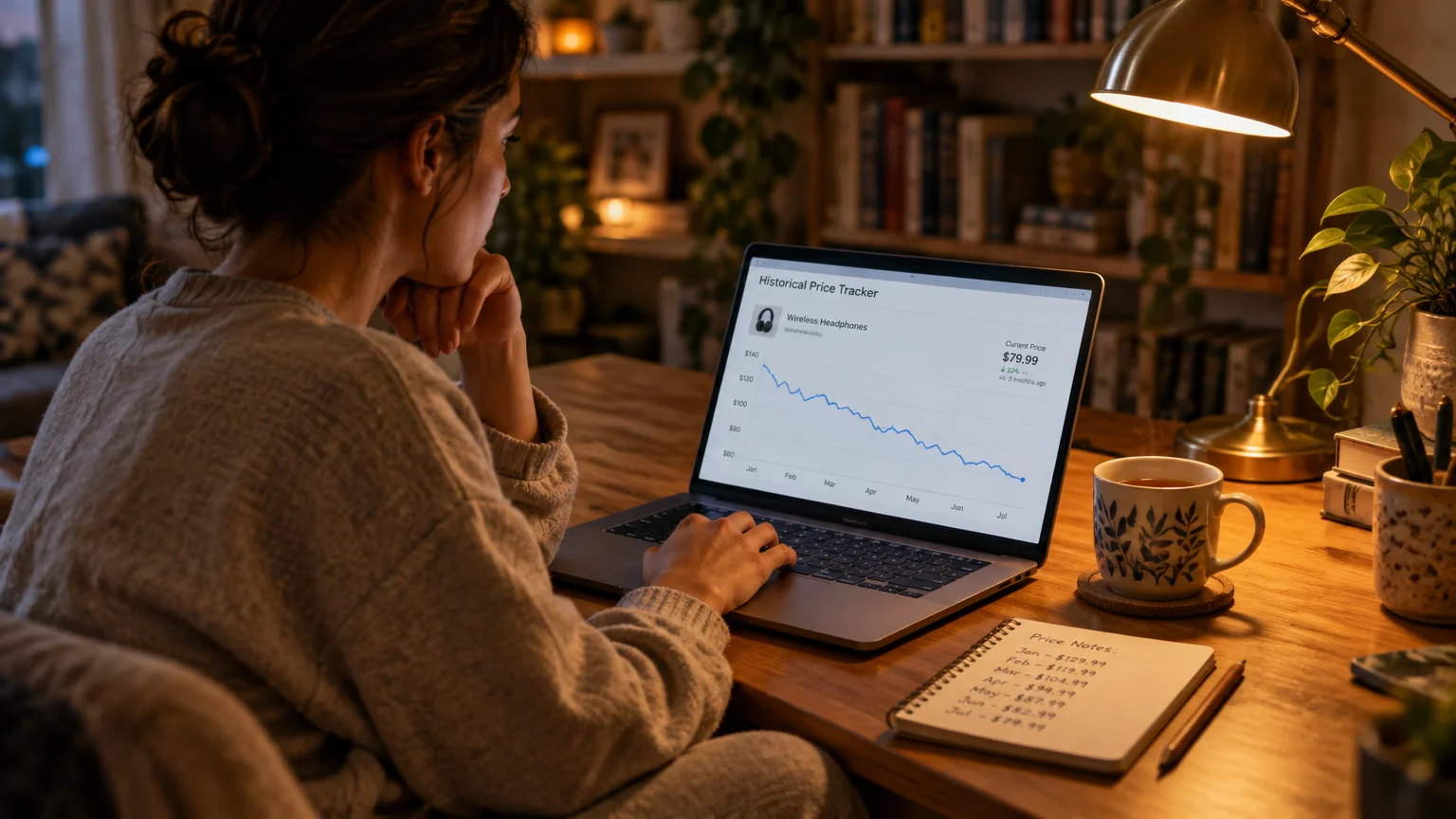
Smart Habits for Maximizing Online Savings
To capture the deepest digital discounts, integrate deliberate shopping strategies into your spending routine. Simple digital tools can help you time your purchases perfectly.
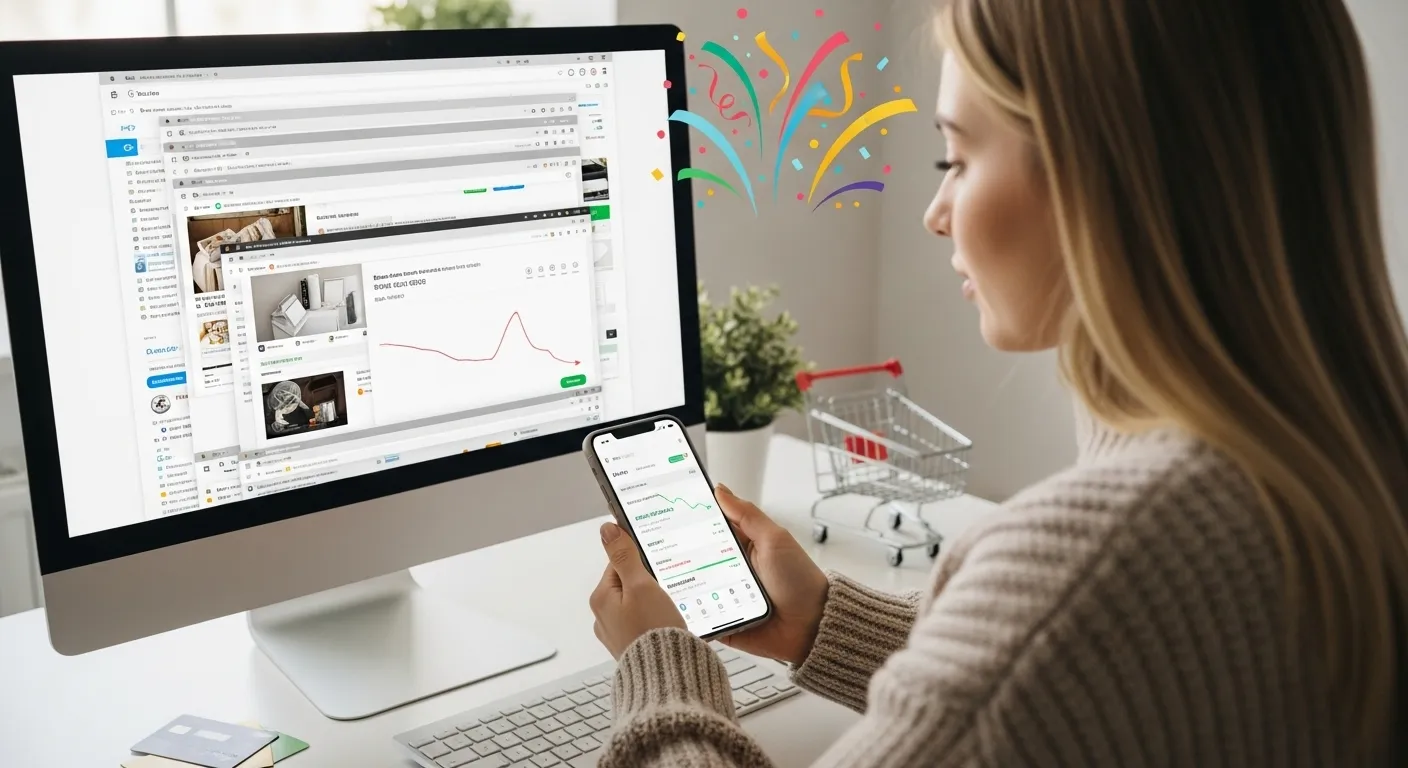
- Deploy browser price-tracking extensions: Automated browser tools monitor price histories across digital storefronts, alerting you when an item drops to its historic low point.
- Consolidate purchases to meet free shipping thresholds: Avoid paying unnecessary delivery fees by bundling recurring household necessities into a single scheduled shipment.
- Utilize digital cash-back portals: Route your everyday web purchases through rebate portals to earn cash back alongside your credit card reward points.
- Keep items in your virtual cart: Many online retailers automatically email discount coupons to registered shoppers who leave items sitting in their carts for twenty-four hours.
- Opt for refurbished or open-box goods: Authorized online outlet stores sell certified refurbished kitchen gear and electronics with full factory warranties for major markdowns.
Before completing any major transaction, take time to review federal consumer protections. The Federal Trade Commission guidelines on online shopping outline merchant shipping deadlines and your right to prompt order cancellations.
Using a credit card rather than a debit card provides an added layer of safety. According to consumer guidelines from the Consumer Financial Protection Bureau, credit cards offer robust statutory protections when resolving unauthorized charges or delivery disputes.
Frequently Asked Questions
Are online prescription glasses the same quality as boutique glasses?
Yes. Online optical laboratories use the same precision digital lens-cutting machinery and impact-resistant materials as local optical boutiques, provided you enter accurate prescription measurements.
Why are HDMI cables so much cheaper on the internet?
In-store retailers mark up cables by hundreds of percent to offset small profit margins on major appliances, whereas online merchants sell standard digital cables as low-cost commodities.
Is it safe to buy pet medications from online dispensaries?
Yes, provided you order from properly licensed, accredited veterinary pharmacies that require an authentic prescription from your pet’s veterinarian.
Will buying gray-market fragrances mean getting a fake scent?
Not necessarily. Established online fragrance discounters purchase genuine surplus inventory and overstocked batches, though you should always buy from established platforms with transparent return policies.
Shifting your spending habits away from physical showrooms on high-markup items gives you immediate control over your discretionary budget. By targeting the specific categories where physical stores face excessive overhead, you keep your hard-earned money working for you.
This article provides general information only. Every reader’s situation is different—what works for others may not be the right fit for you. For personalized guidance on health, legal, or financial matters, consult a qualified professional.
Last updated: May 2026. Rules, prices, and details change—verify current information with official sources before acting on it.




Leave a Reply