
Rising Prices Don’t Have to Break You: Smart Ways to Protect Your Money Today
If you’ve recently done a grocery run, filled up your gas tank, or opened your energy bill and felt a mini heart attack, you’re not alone. Essentials—food, energy, rent, and basic services—have been steadily climbing in price. Even when your paycheck arrives on time, it feels like it’s just not stretching as far as it used to. That slow squeeze on your finances can leave anyone feeling frustrated or overwhelmed.
The good news? Rising costs don’t have to dictate your life. With some awareness, strategy, and a few practical adjustments, you can protect your money, make smarter choices, and even create breathing room in your budget. You don’t have to sacrifice the things that matter most—you just need to approach your finances with clarity and intention. Here’s how.

Why Essentials Keep Getting More Expensive
Before we dive into solutions, it helps to understand why costs are rising. This isn’t about blaming anyone—it’s about seeing the bigger picture so you can act confidently.
1. Energy Costs Affect Everything
Energy may seem like a separate expense—your gas or electricity bill—but it affects nearly everything you buy. From transportation to food production, energy costs ripple across the economy. When oil, gas, or electricity prices rise, the cost to grow, transport, and store food rises too. Even services like cleaning, deliveries, or manufacturing become more expensive. It’s a domino effect that quietly increases the price of almost everything you use.
2. Rent and Housing Demand
Rent has become one of the biggest financial pressures, especially in cities where demand outpaces supply. Even modest apartments now cost more than what a few years ago might have seemed reasonable. Rent increases often outpace salary growth, leaving a bigger chunk of your income devoted to housing and less for saving, investing, or enjoying life.
3. Supply Chains Are Still Feeling It
Global supply chains are fragile. The disruptions of recent years—pandemics, shipping delays, political tensions—have left lasting effects. Goods are more expensive to produce and transport, and companies often pass these costs on to customers.
4. Inflation and Wage Gaps
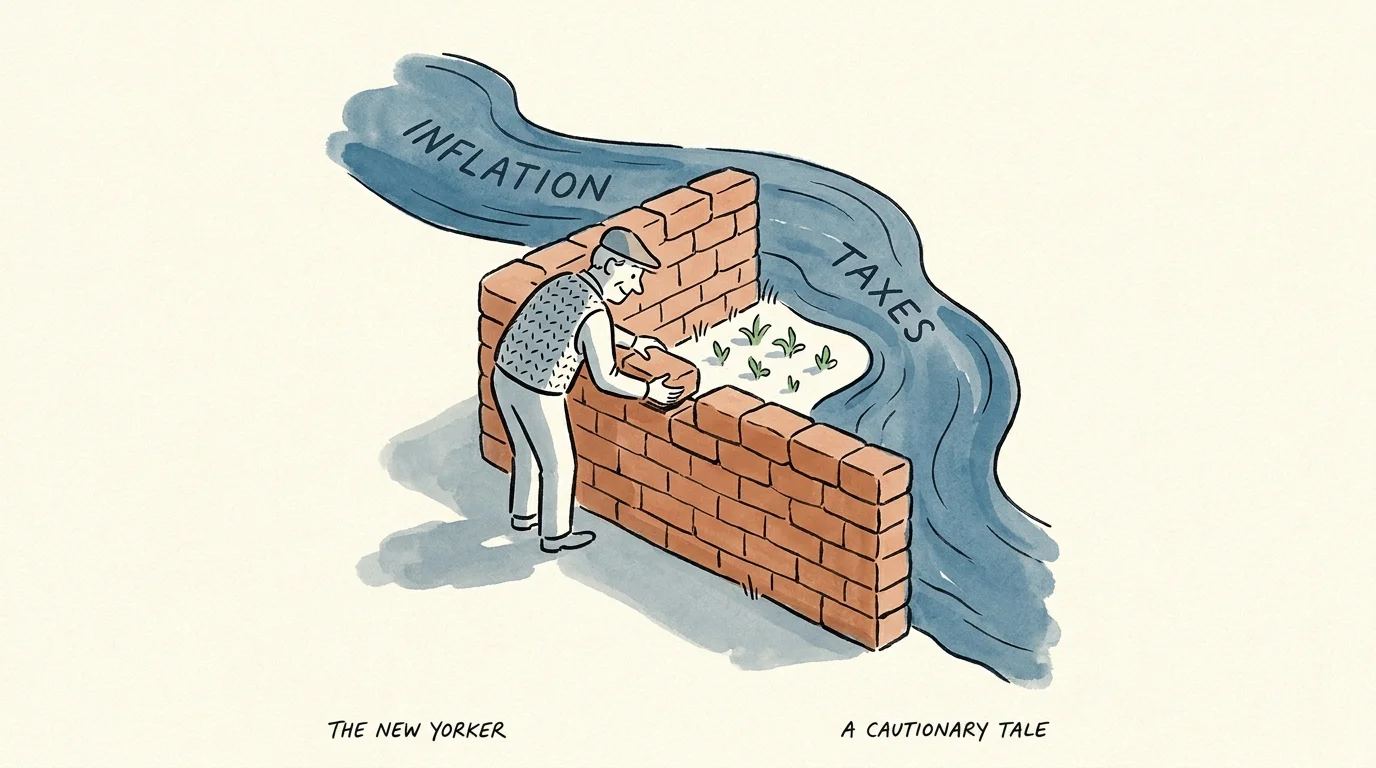
Even if your wages increase, the rise rarely matches inflation exactly. Prices creep up faster than your paycheck, slowly eroding purchasing power. Over time, this means your money buys less, making everyday life feel more expensive without any obvious change in your lifestyle.
How Rising Costs Affect Daily Life
It’s easy to see rising prices as a “numbers problem,” but the real impact is felt emotionally and practically:
-
Stress and anxiety: The constant worry about bills and budgets can be exhausting.
-
Reduced financial freedom: There’s less room for spontaneity, travel, or experiences.
-
Pressure to earn more: Many people turn to side hustles, overtime, or extra jobs just to keep up.
-
Delayed goals: Saving for a home, building an emergency fund, or investing for the future can feel impossible.
Rising costs don’t just affect what you buy—they affect how you live.

Practical Steps to Take Control of Your Money
The good news? You don’t have to accept financial stress as normal. There are concrete actions you can take today to protect your money and regain control.
1. Track Your Spending
Start with awareness. For one month, track every single expense. Yes, even the small ones. A morning coffee, a delivery fee, a subscription you barely use—these all add up.
When you see the numbers in front of you, it’s easier to make intentional decisions. Tracking isn’t about restriction—it’s about clarity. Once you know where your money is going, you can redirect it to what really matters.
2. Negotiate What You Can
Many people underestimate the power of negotiation. Rent, internet, phone plans, insurance, or subscription services can often be lowered just by asking.
-
Rent: If you’ve been a reliable tenant, landlords may agree to a small discount or freeze on increases.
-
Utilities & services: Call providers and ask for promotional rates or loyalty discounts.
-
Subscriptions: Cancel what you don’t use, or negotiate bundle deals.
Even small savings add up over time, leaving you with extra breathing room in your budget.
3. Build Flexible Income Streams
Relying solely on one source of income leaves you vulnerable. Flexible income streams give you a cushion, and in some cases, freedom.
Consider options like:
-
Freelancing or consulting in your field of expertise
-
Monetizing a hobby (art, photography, writing, crafts)
-
Tutoring or teaching online
-
Reselling items or creating digital products
You don’t need a side hustle that consumes your life. The goal is income optionality—extra money without burnout.
4. Start Smart Investing Early
Even if your budget feels tight, small, consistent investments can make a difference over time. Investing isn’t just for the wealthy—it’s about keeping pace with inflation and letting your money work for you.
-
Consider automated investing platforms that allow you to start with small amounts.
-
Focus on long-term growth rather than quick wins.
-
Use investing to complement your savings, not replace it.
5. Make Inflation-Proof Choices
Think of spending as a strategy, not just a transaction.
-
Invest in quality over quantity: durable items, long-lasting technology, or clothing that lasts multiple seasons.
-
Develop skills that increase earning potential: certifications, online courses, or learning new tools.
-
Prioritize health and wellness: preventive health habits reduce future costs.
Smart spending today reduces financial stress tomorrow.

Mindset Matters
Financial pressure isn’t just about dollars—it’s about mindset. Feeling trapped by rising costs is natural, but it doesn’t define your future.
-
Be intentional: Every purchase, every subscription, every investment decision counts.
-
Focus on control, not perfection: You don’t need to cut everything out or become obsessed with savings. You need to make deliberate, informed choices.
-
See opportunity in challenge: Rising costs highlight areas where you can optimize, negotiate, or create new income.
Yes, essentials are getting more expensive, and yes, it’s frustrating. But you have tools at your disposal. By understanding why prices rise, tracking spending, negotiating costs, creating flexible income streams, and investing smartly, you can protect your money and maintain control over your life.
Rising costs don’t have to dictate your lifestyle—they’re a signal to act intentionally. Your financial peace of mind isn’t out of reach. With clarity, strategy, and a few small adjustments, you can thrive even in a world where prices keep climbing.
Start today. Track, negotiate, invest, and build your income options. Your future self will thank you.
Read next: Are You on the List for the $25,000 Health Tax Deduction Coming in 2026?







Leave a Reply