
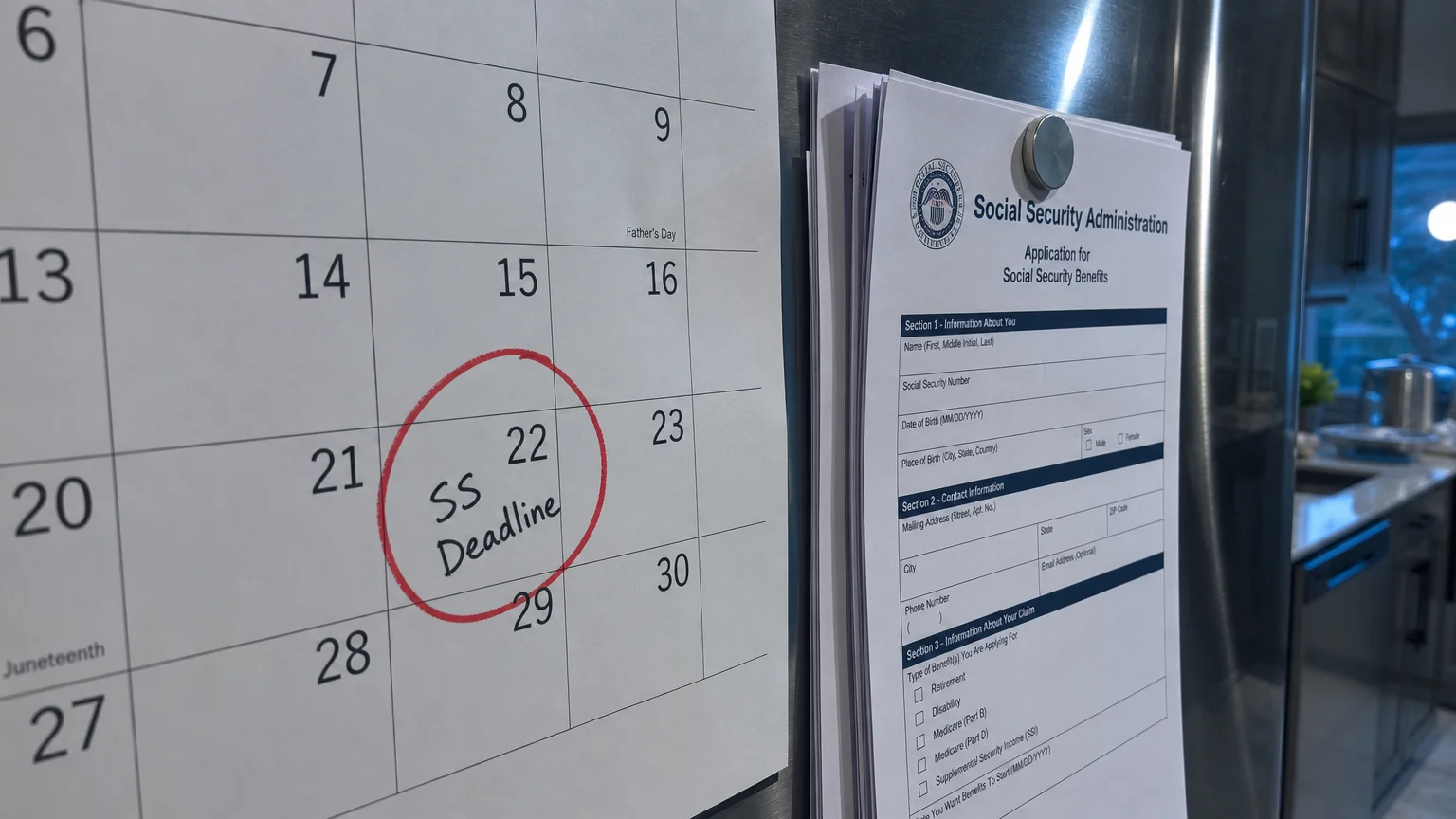
Working, Taxes, and Deadlines
11. Earning over $24,480 before full retirement age triggers the earnings penalty
If you claim Social Security before your full retirement age but continue working, your income is subject to the retirement earnings test. For 2026, the standard earnings limit is $24,480.
If you earn more than this threshold, the SSA withholds $1 of your benefits for every $2 you earn over the limit. In the specific calendar year you reach full retirement age, the limit jumps to $65,160, and the penalty drops to $1 withheld for every $3 earned above the limit—counting only earnings made before your birthday month.
12. Withheld money from the earnings test is not lost forever
Many couples mistakenly believe the earnings penalty permanently confiscates their benefits. It does not. The money withheld due to the Social Security earnings limit is simply deferred.
Once you reach your full retirement age, the SSA recalculates your monthly benefit upward to account for the months you did not receive a check. Over the rest of your retirement, this higher monthly payment returns the withheld funds, assuming you live into your average life expectancy.
13. Full retirement age is firmly set at 67 for most upcoming retirees
The concept of full retirement age dictates exactly when you get 100% of your earned benefit, your spousal benefit, and avoids the earnings penalty. For anyone born in 1960 or later, full retirement age is exactly 67. The age scale slowly increased from 65 to 67 over several decades, but that transition is now complete. Miscalculating this age by assuming it is 65 will result in a permanent reduction to your lifetime monthly income.
14. The $255 death benefit requires swift action
When a spouse passes away, the surviving spouse is typically eligible for a one-time lump-sum death payment of $255. While the amount is incredibly modest—it has not increased since the 1950s—it is a guaranteed benefit meant to offset immediate costs. However, you must formally apply for this payment within two years of the date of death. Miss the deadline, and the funds are forfeited entirely.









My wife passed away June of 2024…am I entitled to any of her Social security …?