
When deciding on a career path, understanding which occupations offer the highest financial rewards helps you make a strategic choice. Data from the Bureau of Labor Statistics (BLS) consistently shows that medical specialists, top executives, and specialized managers dominate the upper tiers of American incomes. Reaching these lucrative salaries almost always requires advanced degrees, extensive clinical training, or decades of corporate experience. However, sectors like technology and aviation also provide reliable pathways to top-tier earnings. If you want to maximize your potential income, reviewing this list of the 30 highest-paying jobs in the US reveals exactly where the capital flows. Below is a detailed breakdown of these top-earning careers.

Healthcare Specialists: The Highest-Earning Medical Fields
1. Cardiologists
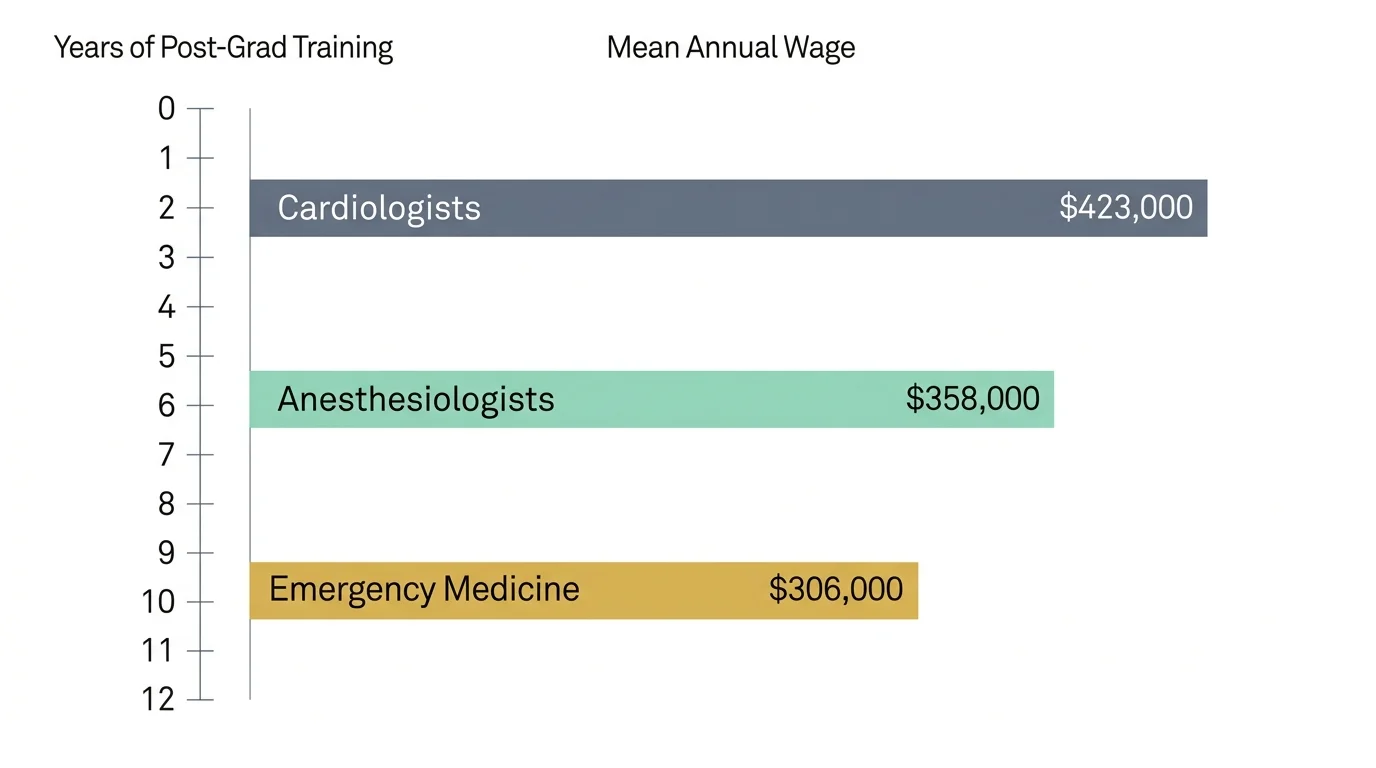
Cardiologists diagnose and treat diseases of the cardiovascular system. Due to the complex nature of heart health and the years of specialized fellowship training required, they command the highest average salaries in the country. According to recent Bureau of Labor Statistics data, cardiologists earn a mean annual wage of over $423,000. Managing heart failure, performing echocardiograms, and inserting stents require intense precision and carry significant patient risk. This heavy burden of responsibility fully justifies their top-tier compensation.
2. Anesthesiologists
Anesthesiologists administer pain-relieving drugs and monitor vital signs during surgery. They hold the patient’s life in their hands, making split-second adjustments to maintain stable breathing and blood pressure. This immense responsibility translates to a mean annual wage of roughly $358,000. Becoming an anesthesiologist involves four years of medical school followed by a four-year residency, ensuring they possess the clinical expertise to safely handle high-stakes surgical environments.
3. Dermatologists
Dermatologists specialize in treating conditions of the skin, hair, and nails. While they manage serious illnesses like melanoma, many also perform lucrative elective cosmetic procedures. This dual revenue stream pushes their mean annual income well past $342,000. Because dermatology offers regular office hours with fewer late-night emergencies compared to other medical specialties, competition for dermatology residency programs remains incredibly fierce.
4. Oral and Maxillofacial Surgeons
Oral and maxillofacial surgeons operate on the face, jaw, and mouth. They remove impacted wisdom teeth, reconstruct facial trauma, and treat cleft palates. The role blends dentistry and surgical medicine, requiring professionals to hold a dental degree and complete a rigorous hospital-based surgical residency. This intense level of specialization allows them to run highly profitable private practices and secure spots among the top medical earners.
5. Emergency Medicine Physicians
Emergency medicine physicians thrive in high-pressure environments, stabilizing patients suffering from acute illnesses and traumatic injuries. They make rapid decisions that often mean the difference between life and death. The demanding nature of shift work and the high stress of the emergency room yield a mean annual wage exceeding $306,000. These doctors must possess a broad knowledge base to diagnose anything from a heart attack to a severe allergic reaction.
6. Orthopedic Surgeons
Orthopedic surgeons repair the musculoskeletal system, performing joint replacements, setting broken bones, and treating spinal disorders. As the American population ages, the demand for knee and hip replacements continues to climb. This consistent volume of complex, high-value surgical procedures places orthopedic surgeons in the uppermost echelons of medical compensation, frequently earning well above the $300,000 threshold.
7. Radiologists
Radiologists use imaging technology—such as X-rays, MRIs, and CT scans—to diagnose diseases unseen by the naked eye. Other physicians rely heavily on their precise interpretations to map out treatment plans. Many radiologists work irregular hours or utilize teleradiology to read scans remotely from different time zones. The deep anatomical knowledge required to spot subtle abnormalities results in salaries that easily compete with top surgical specialties.
8. Obstetricians and Gynecologists (OB-GYNs)
OB-GYNs provide medical and surgical care related to the female reproductive system and manage childbirth. They guide patients through complex pregnancies, perform cesarean sections, and treat reproductive cancers. The unpredictable nature of labor means they often work irregular hours and carry significant malpractice insurance burdens. However, their critical role in maternal and fetal health ensures they remain some of the highest-paid doctors in the workforce.
9. Psychiatrists
Psychiatrists specialize in mental health, diagnosing and treating conditions like depression, schizophrenia, and bipolar disorder. Unlike psychologists, they are medical doctors who can prescribe medication. With mental health awareness increasing and a nationwide shortage of psychiatric providers, demand for their services has surged. This combination of high demand and specialized medical training pushes their average annual compensation firmly into the top tier.
10. Orthodontists
Orthodontists focus on diagnosing and correcting misaligned teeth and jaws. Because many orthodontic treatments, like braces and clear aligners, represent out-of-pocket expenses for patients rather than relying strictly on insurance reimbursements, successful orthodontists generate substantial revenue. After completing dental school, they undergo an additional two to three years of residency. Many operate private practices, allowing them tight control over their income and schedules.
11. General Internal Medicine Physicians
Internal medicine physicians act as primary care doctors for adults, managing chronic illnesses like diabetes, hypertension, and asthma. They focus on long-term preventative care and coordinate treatments with other specialists. While they earn slightly less than specialized surgeons, the sheer volume of patients requiring ongoing adult care guarantees a high and stable income, frequently topping $200,000 annually depending on their practice location and structure.
12. Pediatricians
Pediatricians manage the physical, behavioral, and mental care of children from birth through adolescence. They track developmental milestones, administer vaccines, and treat childhood illnesses. Although pediatricians typically earn less than doctors who treat adults, they still comfortably rank among the top earners in the US economy. Their work requires immense patience, strong communication skills with parents, and an expert understanding of pediatric medicine.
13. Nurse Anesthetists
Nurse anesthetists are advanced practice registered nurses who administer anesthesia and provide care before, during, and after surgical procedures. They offer a highly cost-effective alternative to anesthesiologists, making them incredibly valuable to hospitals and outpatient surgical centers. According to the Bureau of Labor Statistics, they pull in a mean annual wage of roughly $214,200. This role requires a specialized graduate degree and extensive critical care nursing experience.
14. Dentists
General dentists diagnose and treat problems with patients’ teeth, gums, and related parts of the mouth. They fill cavities, extract teeth, and educate patients on oral hygiene. The financial ceiling for dentists depends heavily on business acumen; those who own their own practices and manage overhead effectively frequently take home salaries rivaling specialized physicians. Dental school demands a massive upfront investment, but the long-term payoff remains robust.
15. Pharmacists
Pharmacists do much more than dispense medication; they advise patients on drug interactions, manage dosages, and administer immunizations. The rise of complex specialty drugs has expanded their clinical responsibilities. A Doctor of Pharmacy (Pharm.D.) degree takes four years to complete after undergraduate studies. Pharmacists working in clinical settings or managing large retail pharmacies typically earn around $136,000 annually, providing a stable, high-income career path.

Business and Management Leaders
16. Chief Executives (CEOs)
Chief executives direct the strategic goals of an organization, making high-stakes decisions that dictate a company’s success or failure. While the BLS reports their median wage around $175,000, this figure often excludes massive performance bonuses, stock options, and profit-sharing agreements that push total compensation into the millions for Fortune 500 leaders. The role demands intense dedication, heavy travel, and accountability to a board of directors.
17. Computer and Information Systems Managers
Often called IT directors or Chief Information Officers, these professionals plan and direct computer-related activities within a company. They oversee cybersecurity protocols, manage software upgrades, and ensure the technology infrastructure supports business goals. With a mean wage exceeding $180,000, this role rewards tech experts who possess strong leadership and project management skills. The rapid integration of artificial intelligence guarantees these managers will remain highly valued.
18. Architectural and Engineering Managers
Architectural and engineering managers coordinate the activities of technical teams on massive construction and product development projects. They draft budgets, determine equipment needs, and ensure projects meet strict safety regulations. Bringing complex engineering concepts from the blueprint to reality requires a deep technical background combined with sharp administrative skills. Their expertise commands average salaries well above $170,000, particularly in the manufacturing and civil infrastructure sectors.
19. Financial Managers
Financial managers oversee the financial health of an organization. They produce financial reports, direct investment activities, and develop strategies for long-term profit goals. Every major corporation, hospital, and government agency requires highly skilled financial managers to navigate tax laws and market volatility. Many hold master’s degrees in finance or business administration, and their ability to protect and grow corporate assets earns them top-tier compensation.
20. Marketing Managers
Marketing managers estimate the demand for products and services, identify potential markets, and develop pricing strategies to maximize profits. They direct advertising campaigns and analyze complex consumer data to keep their companies competitive. Because their direct efforts bring in revenue, corporations compensate them heavily. A successful marketing manager working in tech or finance can easily secure a salary surpassing $150,000, plus performance-based bonuses.
21. Natural Sciences Managers
Natural sciences managers supervise the work of scientists, including chemists, physicists, and biologists. They direct research and development projects in pharmaceutical manufacturing, government laboratories, and agricultural firms. By bridging the gap between scientific discovery and commercial viability, they play a crucial role in bringing new medications and sustainable technologies to the market. This specialized leadership role typically requires a Ph.D. and commands excellent pay.
22. Human Resources Managers
Human resources managers plan and direct the administrative functions of an organization. They oversee recruiting, manage employee benefits programs, and navigate complex labor laws. As remote work and dynamic labor markets complicate hiring and retention, companies rely heavily on HR managers to maintain a productive workforce. Senior HR professionals in large corporations hold significant strategic influence and are compensated accordingly, often reaching into the upper six figures.
23. Sales Managers
Sales managers direct organizational sales teams, set quotas, analyze data, and develop training programs. Because they directly influence the bottom line, their earning potential is often uncapped. A base salary combined with aggressive commission structures makes this one of the most lucrative non-medical careers available. Sales managers who understand complex business-to-business markets routinely rank among the highest earners.
24. Public Relations and Fundraising Managers
Public relations managers maintain a favorable public image for their employer, while fundraising managers coordinate campaigns to bring in capital. They write press releases, manage crisis communications, and court major donors. In sectors like higher education and healthcare, effective fundraising managers are treated like revenue generators. Protecting a brand’s reputation and securing large-scale donations require exceptional interpersonal skills and command steep premium salaries.

STEM, Law, and Specialized Careers
25. Airline Pilots, Copilots, and Flight Engineers
Airline pilots navigate commercial airplanes across the globe, responsible for the safety of hundreds of passengers per flight. The Federal Aviation Administration requires extensive training, thousands of flight hours, and strict medical clearances. Due to a persistent shortage of qualified pilots and the heavy demands of constant travel, major commercial airlines pay a mean annual wage exceeding $225,000. Senior captains flying international routes earn significantly more.
26. Judges and Magistrates
Judges and magistrates apply the law, overseeing legal proceedings in courts to ensure trials are conducted fairly. They issue legal decisions, instruct juries, and sentence defendants in criminal cases. Becoming a judge typically requires an extensive and successful career as a lawyer, followed by either an election or a political appointment. The immense civic responsibility and requirement for deep legal expertise guarantee them a prestigious, high-paying salary.
27. Lawyers
Lawyers advise and represent individuals, businesses, and government agencies on legal issues and disputes. While public defenders and small-town attorneys earn modest incomes, lawyers working at large corporate firms or handling massive class-action lawsuits earn staggering amounts. The profession requires three years of law school and passing a rigorous state bar examination. Those who make partner at prestigious firms comfortably rank among the highest earners.
28. Petroleum Engineers
Petroleum engineers design and develop methods for extracting oil and gas from deposits below the Earth’s surface. They determine the most efficient drilling techniques while ensuring strict environmental compliance. The energy sector is famous for its volatile boom-and-bust cycles, but base salaries remain incredibly high—often around $137,000—because extracting these resources generates massive global profits. The role requires a specialized bachelor’s degree and a willingness to travel frequently to remote drilling sites.
29. Software Developers
Software developers design the computer applications and operating systems that run modern life. They write the intricate code that powers everything from mobile banking platforms to artificial intelligence tools. While an entry-level developer earns a solid middle-class wage, senior developers and software architects at major technology companies pull in massive base salaries accompanied by highly lucrative stock options. The ability to build scalable software products makes these professionals essential to the digital economy.
30. Actuaries
Actuaries use mathematics, statistics, and financial theory to analyze the financial costs of risk and uncertainty. They primarily work for large insurance companies, designing policies and setting premium rates that ensure the company remains profitable while covering unexpected claims. The profession requires candidates to pass a series of notoriously difficult professional exams spread out over several years. This high barrier to entry keeps the supply of qualified actuaries low, ensuring their salaries remain exceptionally high.
What This Means for You
Reaching the top of the income ladder requires a calculated trade-off between upfront investment and long-term payoff. You must weigh the cost of advanced education against your expected future earnings.
| Career Path | Typical Educational Investment | Primary Earning Driver |
|---|---|---|
| Medical Specialists | 8-12+ years post-high school (MD/DO, Residency, Fellowship) | High-stakes patient care and specialized medical procedures |
| Corporate Management | 4-6 years (Bachelor’s or Master’s) plus 10+ years experience | Strategic decision-making, team leadership, and revenue generation |
| Tech and Engineering | 4 years (Bachelor’s), sometimes supplemented by coding bootcamps or certifications | Scalable technical skills and complex product development |
Official wage tracking from the Bureau of Labor Statistics provides the most accurate benchmark when evaluating whether a career pivot makes financial sense for your household.

What Can Go Wrong
Chasing a high salary without understanding the structural risks of the profession can lead to significant financial and personal strain. Keep these common pitfalls in mind as you map out your career strategy:
- Drowning in student debt: Financing a medical, dental, or law degree often results in hundreds of thousands of dollars in student loans. If you fail to complete the program or pivot to a lower-paying field, you carry the debt without the matching income to pay it down.
- Severe professional burnout: High-paying jobs frequently demand 60- to 80-hour workweeks, overnight shifts, or constant domestic travel. The continuous stress can quickly degrade your physical and mental health.
- Falling for lucrative job scams: If an unsolicited job offer promises executive-level pay for entry-level work, it is likely a fraud. The Federal Trade Commission warns about job scams that exploit people looking for high-paying remote work.
- Market saturation and layoffs: Highly paid technology and engineering roles occasionally face sudden mass layoffs when venture capital funding dries up or industry algorithms shift.

Where Outside Advice Pays Off
Making decisions about advanced education and career transitions involves complex financial planning. Here is where consulting a professional makes a tangible difference:
- Managing heavy student loans: A financial advisor can help you structure debt repayment so that interest does not consume your newly acquired high salary. Utilizing resources like the Consumer Financial Protection Bureau helps you safely navigate your repayment options.
- Negotiating compensation packages: Executive and tech pay often involves complicated equity structures, stock options, and performance bonuses. An employment lawyer or specialized career coach can help you negotiate a contract that fully protects your interests.
- Long-term tax planning: Jumping into a top tax bracket drastically changes your financial picture. A certified public accountant (CPA) will help you utilize tax-advantaged retirement accounts and legally limit your tax liability.
Frequently Asked Questions
Do I need a medical degree to earn a top salary?
No. While medical professionals dominate the absolute top spots on the income scale, executive leadership, aviation, and specialized technology roles easily break the $150,000 to $200,000 threshold without the burden of medical school debt.
Are these salaries guaranteed right out of school?
Almost never. The Bureau of Labor Statistics reports mean (average) wages, which include professionals with decades of experience. Entry-level salaries in law, technology, and business management are significantly lower until you prove your value in the open market.
How does location affect these high-paying jobs?
Geography plays a massive role in compensation. A software developer in San Francisco will earn considerably more than one in a rural town, though the higher salary must offset a drastically higher cost of living. Conversely, medical professionals sometimes earn higher wages in rural areas where severe specialist shortages exist.
Focusing on robust skill development, strategic education, and high-demand industries sets the foundation for a highly lucrative career. Choose a path that aligns with both your financial goals and your personal tolerance for stress.
Last updated: July 2026. The information here is meant for educational purposes. Specific circumstances—including health conditions, finances, location, and goals—may require different approaches. When in doubt, consult a licensed professional or check official sources directly.