

You can gauge your financial security in retirement by measuring your assets against real benchmarks rather than guesswork. If you have built a dependable cushion, you likely outpace the typical American retiree across several critical metrics.
Most national averages hide the reality of everyday households because ultra-wealthy savers skew the published figures. Examining median balances and real spending patterns reveals where you truly stand.
Here are nine unmistakable signs that your retirement finances are stronger, safer, and far more resilient than those of the average retiree today.
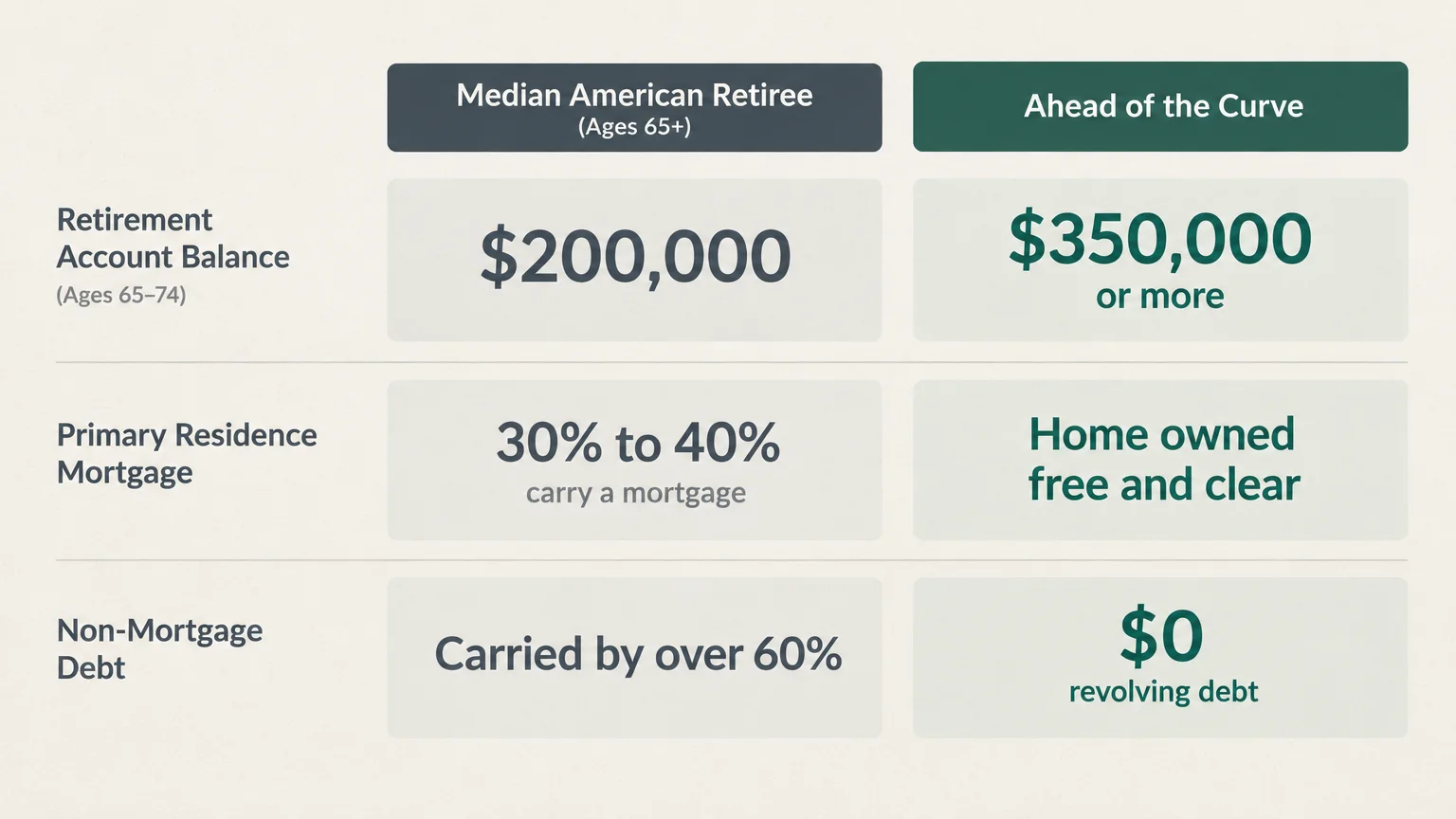
Retirement Wealth Benchmarks at a Glance
Headline statistics often paint an unrealistic picture of American retirement. Looking at median figures shows what typical retirees actually own, spend, and owe.
| Financial Metric | Median American Retiree (Ages 65+) | Ahead of the Curve |
|---|---|---|
| Retirement Account Balance (Ages 65–74) | $200,000 | $350,000 or more |
| Primary Residence Mortgage | 30% to 40% still carry a mortgage | Home owned free and clear |
| Non-Mortgage Consumer Debt | Carried by over 60% of retirees | $0 revolving debt or auto loans |
| Reliance on Social Security | Provides 50% or more of income for half of retirees | Supplies under 40% of total budget |
| Claiming Age for Social Security | Over 50% claim before Full Retirement Age (FRA) | Claimed at FRA (66–67) or delayed to 70 |
| Annual Household Spending | $57,000 to $62,000 per year | Spending covered by guaranteed income and safe withdrawals |
Comparing your personal numbers to these benchmarks gives you a clearer view of your financial foundation. Let’s examine the nine concrete signs that indicate you are in an enviable position.
1. Your Retirement Savings Exceed $200,000
Financial media frequently insists that every retiree needs millions of dollars to survive. While a seven-figure portfolio provides immense peace of mind, it does not represent typical American households.
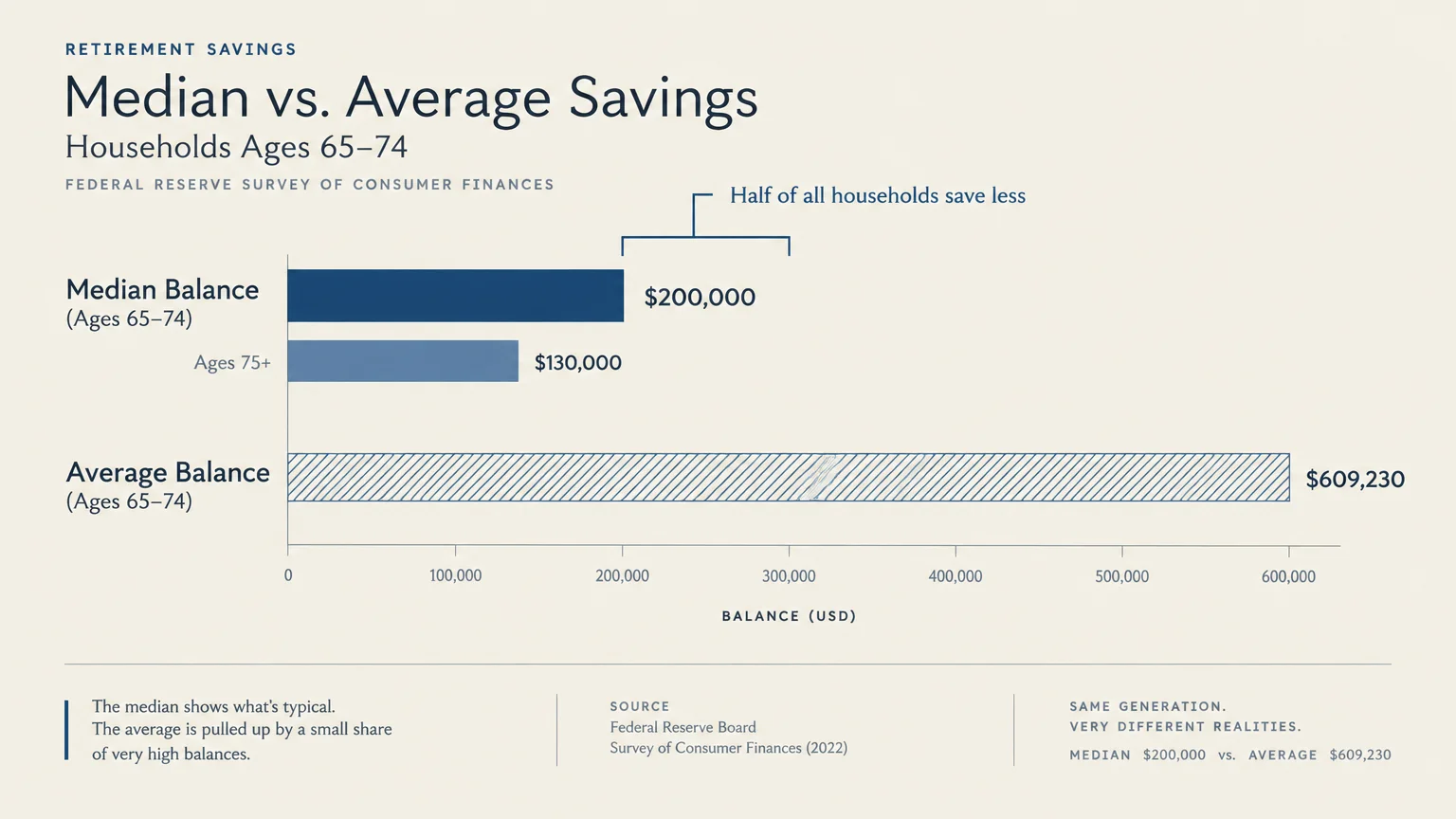
According to the Federal Reserve Survey of Consumer Finances, the median retirement account balance for households aged 65 to 74 is $200,000. For households aged 75 and older, that median figure drops to $130,000.
The overall average balance for the 65-to-74 age bracket sits at $609,230. That high number reflects massive balances held by top earners rather than typical savings.
If your dedicated retirement accounts hold more than $200,000, you have saved more than half of your peers. That nest egg gives you flexibility that most seniors simply do not have.

2. You Entered Retirement Without a Mortgage
Housing represents the single largest budget category for older Americans. Eliminating housing debt dramatically reduces the monthly income required to sustain your lifestyle.
Data from the Federal Reserve and mortgage industry reports indicate that between 30% and 40% of homeowners aged 65 and older still carry mortgage debt. Many continue paying thousands in principal and interest each month.
Entering retirement with a paid-off home provides an instant shield against rising living costs. You only need to budget for property taxes, insurance, routine maintenance, and utilities.
That single achievement frees up substantial cash flow. It allows you to redirect funds toward travel, healthcare, or family experiences without straining your investments.
3. You Carry Zero High-Interest Consumer Debt
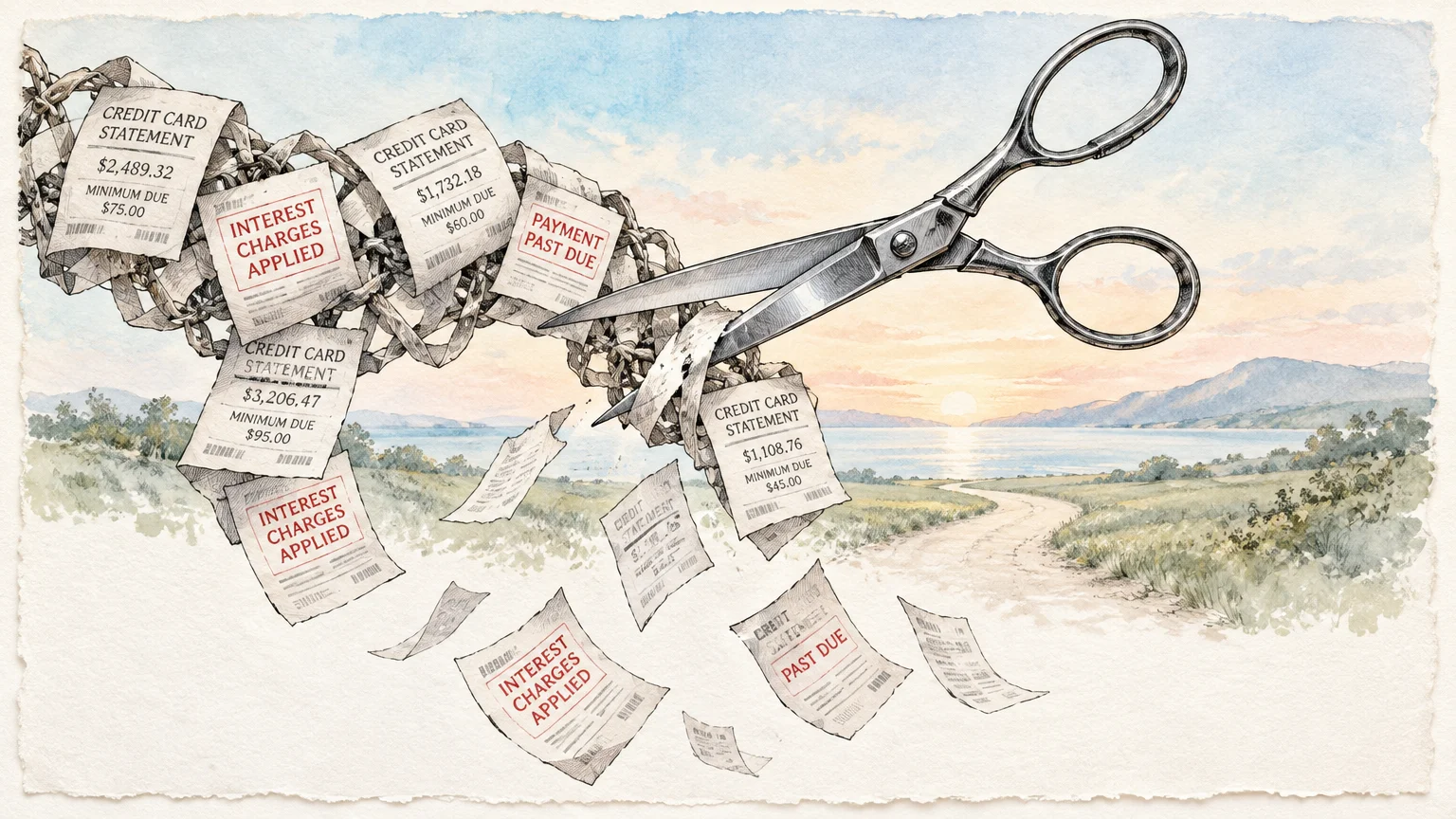
Carrying credit card debt into retirement can quickly destabilize an otherwise sound financial plan. High interest rates siphon away cash that you cannot easily replace on a fixed income.
Reports from the Consumer Financial Protection Bureau show that roughly 65% to 75% of households aged 65 and older carry some form of debt. Credit card balances make up a large portion of that total.
If you pay your credit cards in full each month, you avoid double-digit interest charges entirely. You also protect your hard-earned savings from predatory interest spirals.
Pairing zero credit card debt with paid-off vehicles leaves your monthly cash flow unencumbered. Every dollar you draw goes directly toward your actual cost of living.
4. Social Security Provides Less Than Half Your Income
Social Security remains one of the greatest safety nets in American history. However, relying on it as your sole financial pillar leaves little room for comfort.
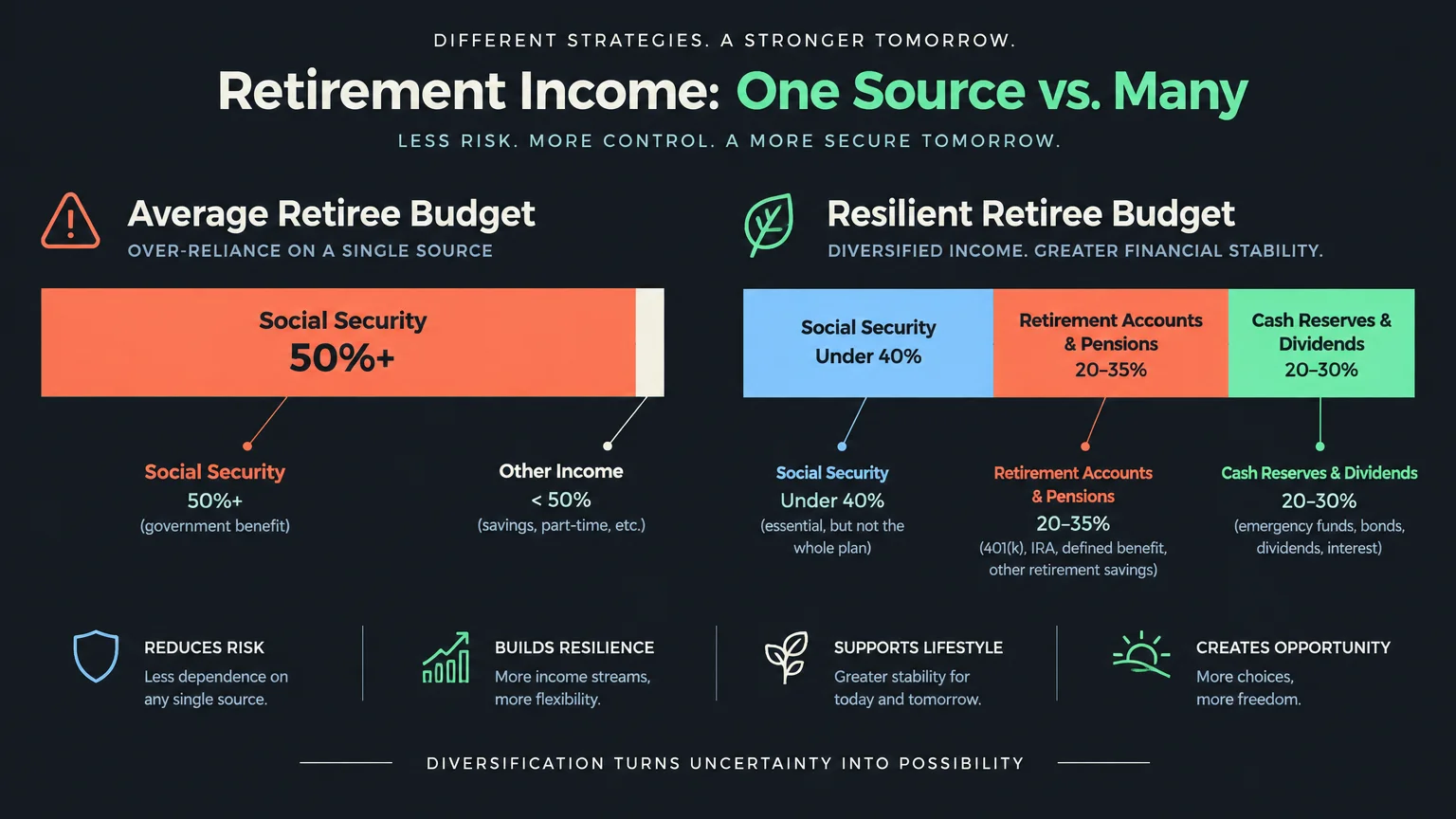
Data from the Social Security Administration shows that about 50% of older Americans rely on Social Security for at least half of their family income. Roughly 25% depend on it for 90% or more.
The average monthly benefit for a retired worker ranges between $1,975 and $2,030. That equates to roughly $24,000 per year—an amount that forces strict frugality.
If your retirement relies on Social Security for less than 50% of your total income, you have built genuine independence. Your pensions, dividends, or portfolio withdrawals provide a dependable second layer of security.
5. You Delayed Claiming Social Security Benefits
Choosing when to claim Social Security represents one of the most consequential decisions of your retirement. Claiming as early as possible remains the default choice for most Americans.
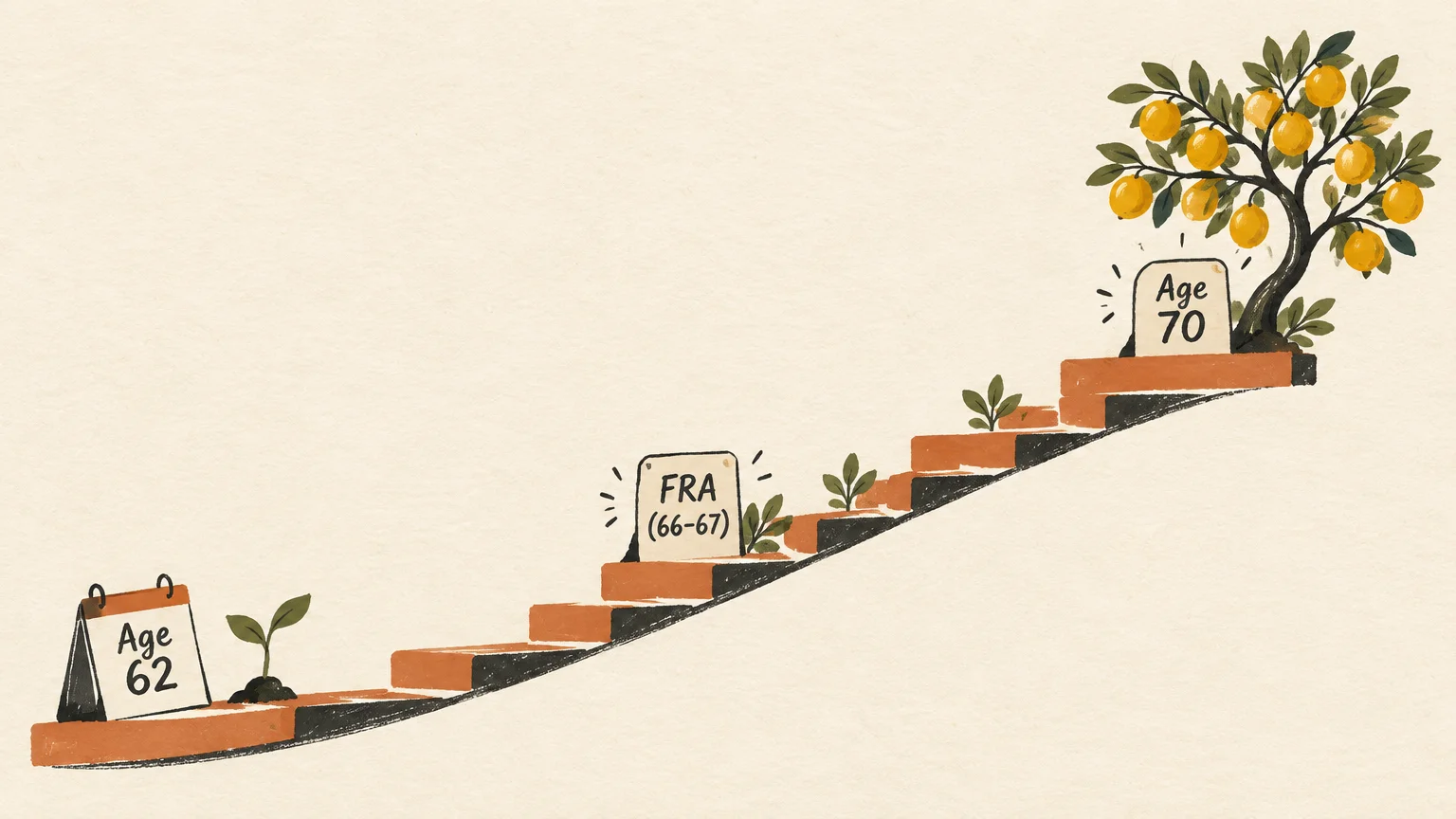
Social Security records confirm that over 50% of workers claim their retirement benefits before reaching their Full Retirement Age (FRA). By doing so, they lock in permanent benefit reductions of up to 30%.
If you delayed claiming until your full retirement age—or held out until age 70—you made a mathematically superior move. Benefits increase by roughly 8% per year for every year you delay past your FRA.
A higher baseline benefit also creates a larger, inflation-adjusted income floor for life. That cushion becomes especially valuable if you or your spouse experience prolonged longevity.

6. You Earmarked Funds for Future Healthcare Costs
Many individuals enter retirement assuming Medicare will cover all of their health-related needs. In reality, premiums, deductibles, prescription copays, and dental care add up quickly.
Fidelity Investments estimates that an average 65-year-old retiring today needs roughly $185,500 saved exclusively for out-of-pocket medical expenses throughout retirement. A retired couple needs over $370,000.
Crucially, that figure does not include long-term nursing care or assisted living expenses. The average retiree has no designated fund for these predictable expenses.
You stand well ahead of the curve if you maintain a dedicated Health Savings Account (HSA) or hold long-term care coverage. Having liquid reserves designated for medical needs protects your regular portfolio from catastrophic drains.
7. Your Portfolio Withdrawal Rate Stays Under 4%
Generating income from a nest egg requires balancing current lifestyle needs against future portfolio longevity. Withdrawing too much during market downturns risks premature depletion.
According to the Bureau of Labor Statistics Consumer Expenditure Survey, households aged 65 and older spend an average of $57,000 to $62,000 annually. Retirees with modest savings often pull 6% to 8% each year to bridge the gap.
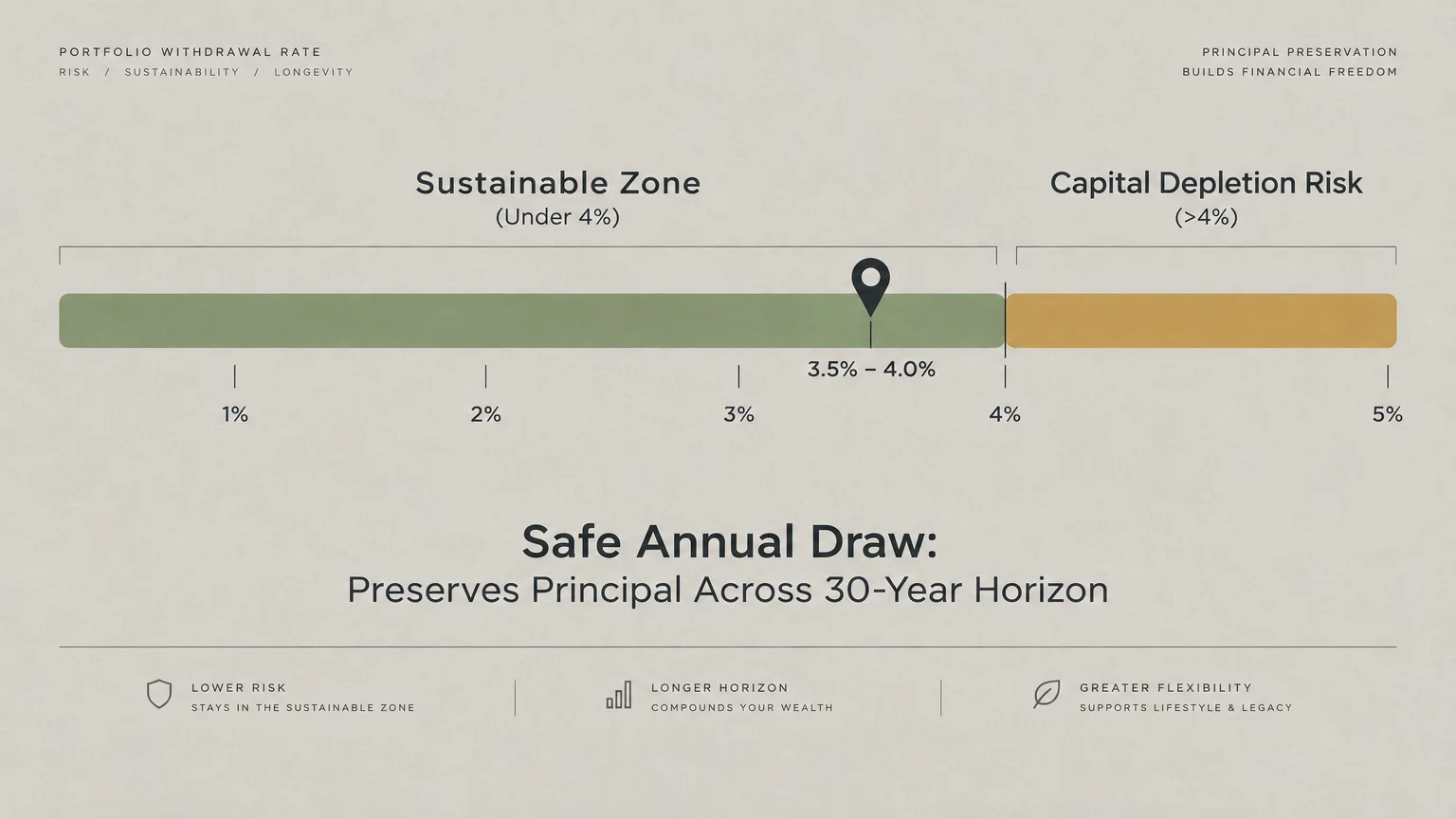
A sustainable distribution strategy keeps your initial annual portfolio withdrawal around 3% to 4%. If your portfolio generates enough yield and growth to support your spending within that range, your money will likely outlive you.
Maintaining a disciplined withdrawal rate shields you from sequence-of-returns risk. It ensures that temporary market drops do not cause permanent damage to your lifestyle.
8. You Rely on Multiple Predictable Income Streams
Relying on a single income stream creates vulnerability when economic conditions change. A diversified retirement budget resembles a multi-legged stool that remains stable even if one leg wobbles.
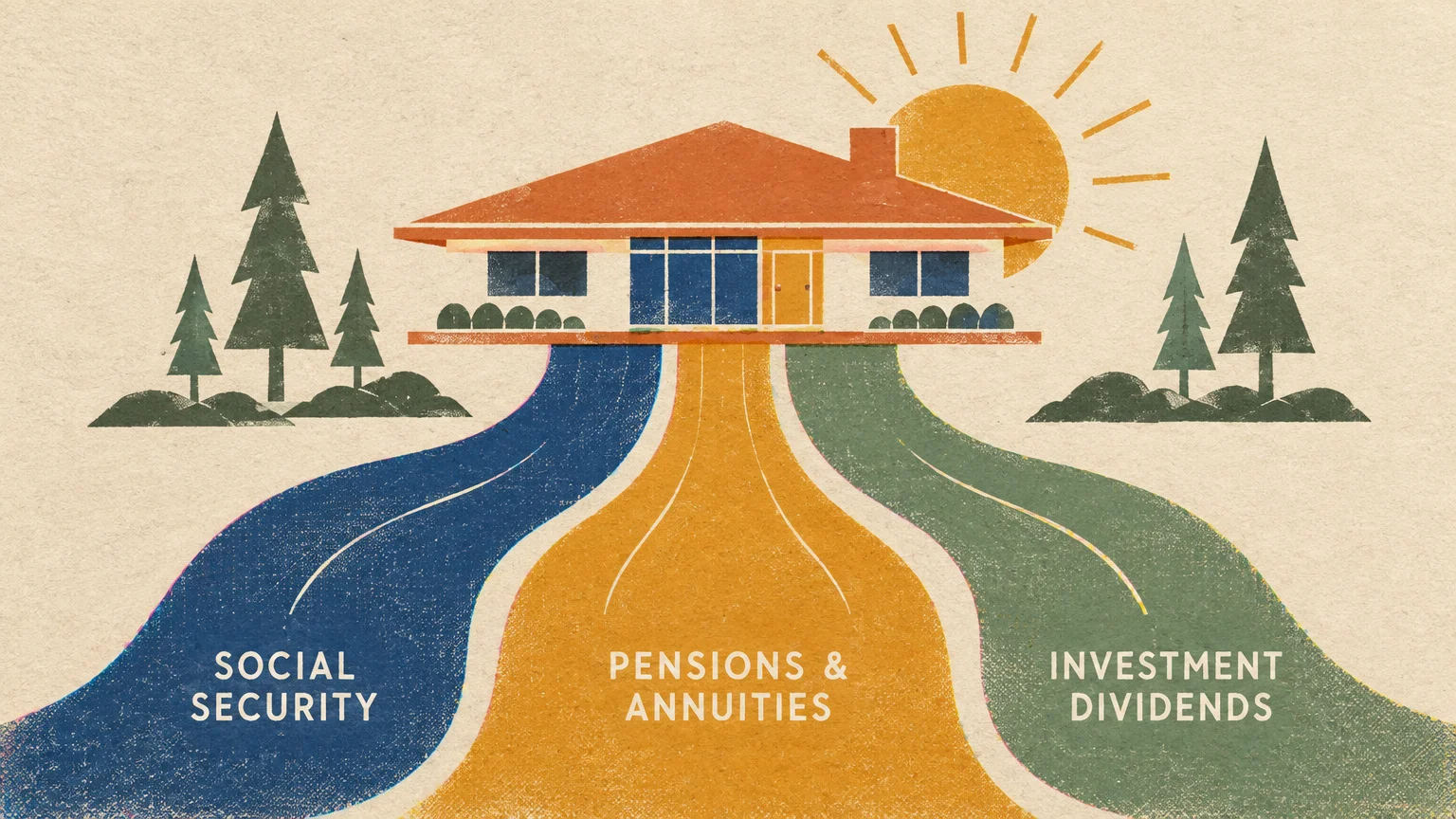
The most resilient retirees combine three or more distinct income sources. These often include Social Security, a traditional defined-benefit pension, rental real estate income, and taxable dividend distributions.
Having diverse cash streams means you never depend solely on selling stocks to buy groceries. When equity markets stumble, your non-market income sources continue paying on schedule.
If your fixed income covers all of your basic living necessities, your investment portfolio only needs to fund discretionary desires. That structure removes almost all financial stress from day-to-day life.

9. You Can Absorb Major Surprises Without Selling Stocks
Unexpected expenses do not vanish just because you stop working. Roof replacements, car repairs, family emergencies, and dental procedures happen on their own timeline.
Many retirees keep only minimal cash on hand, forcing them to sell equities during market corrections to cover sudden bills. That habit locks in paper losses and harms compounding returns.
If you maintain one to two years of living expenses in high-yield savings accounts or short-term Treasury bills, you have built a true liquidity buffer. You can handle a $5,000 emergency repair immediately without logging into a brokerage account.
This liquidity lets your equities recover naturally after market pullbacks. That patience separates confident retirees from those who live in constant fear of the next economic downturn.

Worth Keeping in Mind
Even if you meet several of these criteria, retirement planning requires ongoing adjustments. Economic conditions and personal health evolve constantly over a 20- to 30-year retirement.
- Inflation on fixed pensions: Traditional pensions rarely offer full cost-of-living adjustments, meaning purchasing power erodes over long retirements.
- Tax bracket changes from RMDs: Under the SECURE 2.0 Act, Required Minimum Distributions begin at age 73 (rising to age 75 in 2033), which can trigger higher tax brackets and Medicare surcharges.
- Surprise long-term care needs: Extended stays in memory care or assisted living facilities can exceed $6,000 to $9,000 per month.
- Spousal benefit drops: When the first spouse passes away, the household loses the smaller of the two Social Security checks, while tax brackets shift to single-filer rates.
Anticipating these hurdles early lets you structure your withdrawals and insurance protections before small complications become severe financial setbacks.

When to Get Professional Help
Handling day-to-day spending on your own is straightforward, but complex transition points benefit from specialized financial expertise. Certain life events warrant consulting an objective, fee-only fiduciary advisor.
Consider hiring a licensed financial planner or tax professional in these specific situations:
- Executing Roth conversion ladders: Converting pre-tax IRAs to Roth accounts between your retirement date and age 73 can lower lifetime taxes and reduce future RMD spikes.
- Navigating Medicare surcharges: High earners face Income-Related Monthly Adjustment Amount (IRMAA) surcharges on Medicare Parts B and D without careful capital gain management.
- Coordinating spousal claiming strategies: If you and your spouse have significant age or earnings differences, an optimal claiming schedule maximizes lifetime survivorship benefits.
- Evaluating hybrid long-term care insurance: Asset-based long-term care policies require careful underwriting analysis to ensure the premiums deliver true value.
A qualified professional can stress-test your portfolio against prolonged bear markets and high inflation scenarios to confirm that your wealth remains secure.
Frequently Asked Questions
What is the difference between median and average retirement savings?
The average retirement savings figure divides total wealth by the total number of savers. Extremely wealthy individuals pull the average up into the $600,000 range.
The median represents the exact midpoint, meaning half of retirees have more and half have less. The median of $200,000 offers a far more accurate benchmark for normal households.
At what age must I start taking Required Minimum Distributions?
Under the SECURE 2.0 Act, you must begin taking Required Minimum Distributions (RMDs) from traditional IRAs and 401(k) plans at age 73. That starting age increases to 75 beginning in 2033.
How does paying off a mortgage early benefit retirees?
Paying off a mortgage eliminates your largest recurring monthly expense. It lowers your necessary portfolio withdrawal rate, reduces tax exposure, and provides complete housing stability.
Can you live comfortably in retirement on Social Security alone?
Social Security replaces only about 40% of an average worker’s pre-retirement earnings. Living solely on the typical monthly check of roughly $2,000 requires strict frugality and leaves little room for emergencies.
Practical Takeaways for Your Retirement Plan
If you recognize your financial habits in several of these nine signs, give yourself credit. You have demonstrated remarkable discipline and positioned yourself far ahead of the typical American retiree.
Continue focusing on what you can control: managing investment expenses, keeping high-interest debt at zero, and preserving liquid reserves. Protecting your existing progress ensures your golden years remain fulfilling and stress-free.
The information here is meant for educational purposes. Specific circumstances—including health conditions, finances, location, and goals—may require different approaches. When in doubt, consult a licensed professional or check official sources directly.
Last updated: May 2026. Rules, prices, and details change—verify current information with official sources before acting on it.







Leave a Reply