

Turning your existing property or spare square footage into consistent cash flow can strengthen your retirement budget without exhausting your physical energy or nest egg. Many retirees hesitate to become landlords because they fear midnight plumbing emergencies, troublesome tenants, and complex tax compliance. Fortunately, you can generate reliable rental income using structured, lower-risk approaches that minimize hands-on labor and protect your financial security. From leveraging IRS tax-free rental windows and passive storage leasing to hiring full-service management or hosting traveling professionals, multiple models fit your exact comfort level. Here is how retirees are earning rental income safely while keeping their lifestyle intact.

Why Rental Income Appeals to Modern Retirees
Fixed incomes face relentless pressure from inflation, rising healthcare premiums, and market volatility. Traditional fixed-income assets like certificates of deposit and Treasury bonds offer stability, but real estate provides an inflation-hedging cash flow that frequently increases over time. More importantly, passive real estate income enjoys favorable treatment under federal regulations.
According to the Social Security Administration, passive rental income is classified as unearned investment income. This means your net rental profits do not count toward the Social Security Retirement Earnings Test. If you claim Social Security benefits before reaching your Full Retirement Age (FRA), you can collect unlimited passive rental income without triggering benefit withholding, provided you do not operate as a real estate professional offering substantial personal services like hotel-style daily maid care.
Furthermore, the tax code provides significant shelter for property owners. Under IRS Publication 527, you can deduct mortgage interest, property taxes, insurance, repairs, and annual depreciation spread over 27.5 years for residential buildings. This depreciation deduction often offsets your collected rent on paper, drastically reducing or even eliminating the immediate income taxes you owe on that cash flow.
1. Mid-Term Rentals for Traveling Healthcare and Corporate Professionals
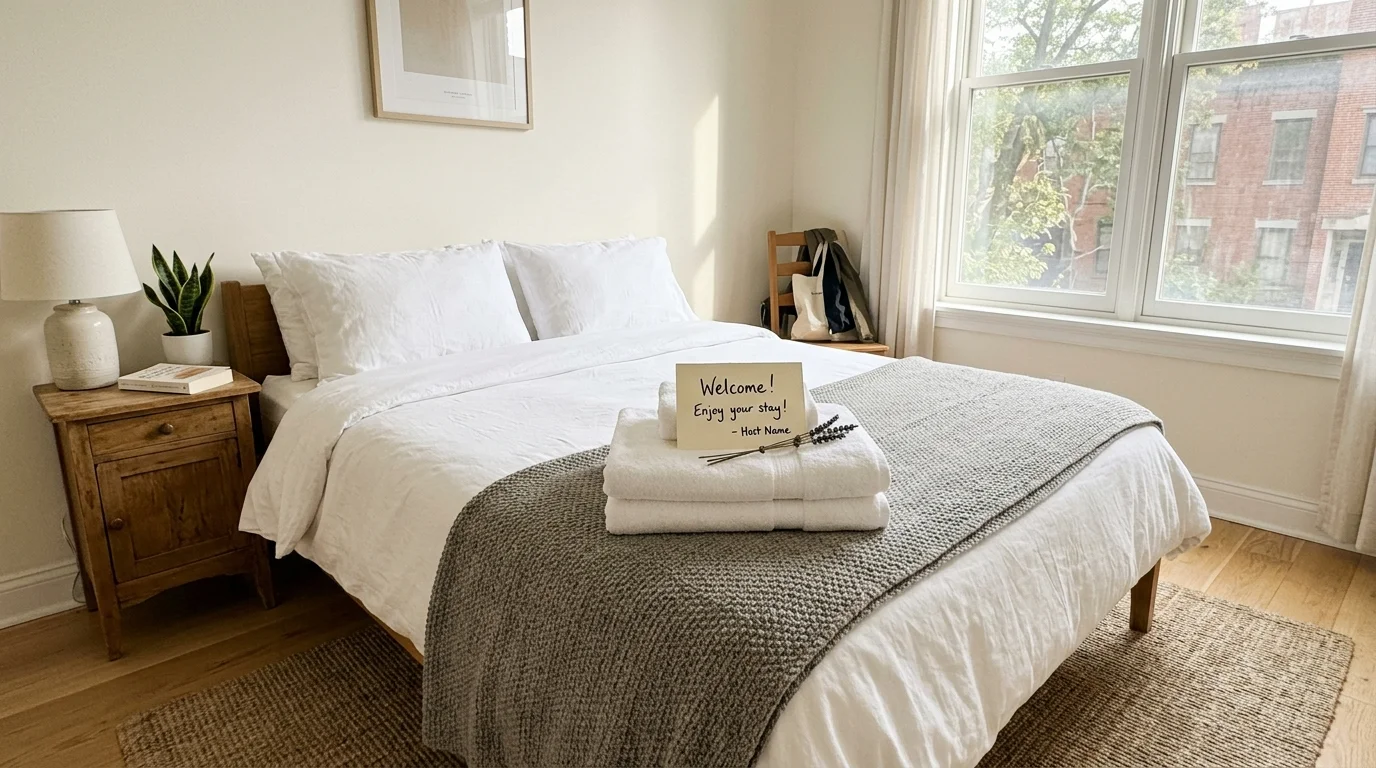
Mid-term rentals (MTRs)—typically defined as fully furnished leases lasting between 30 and 90 days—have become one of the safest sweet spots for retiree landlords. Rather than managing the constant turnover and local regulatory battles associated with weekend vacation rentals, you host traveling nurses, temporary corporate transfers, or families displaced during home insurance repairs.
This strategy offers three distinct layers of safety for retirees:
- Vetted, employed occupants: Tenants come with pre-screened employment contracts, clean background records, and reliable institutional stipends.
- Reduced property wear: Stays spanning several months mean far less wear-and-tear than nightly vacation guests, without locking you into multi-year leases with difficult-to-remove tenants.
- Exemption from hotel taxes: Stays exceeding 30 consecutive days bypass short-term lodging occupancy taxes and municipal vacation rental bans in most American jurisdictions.
You can list furnished spaces directly on platforms like Furnished Finder or corporate housing networks. You maintain consistent monthly income while retaining the flexibility to block off weeks for visiting family whenever you choose.
2. Peer-to-Peer Storage Leasing (Garages, Basements, and Driveways)
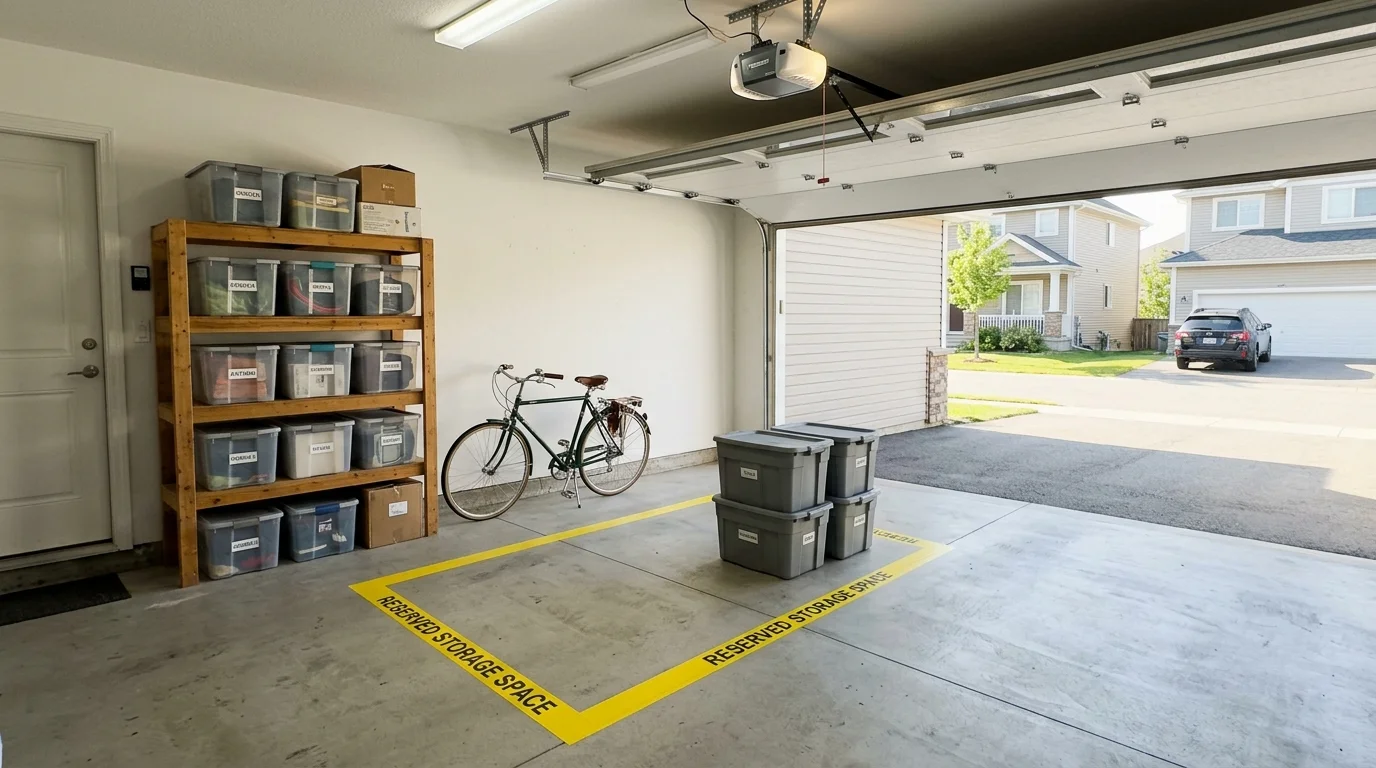
If you dislike the thought of people living on your property, you can monetize empty physical space instead. Peer-to-peer storage platforms, such as Neighbor.com, connect homeowners with local residents seeking affordable vehicle parking, boat storage, or household goods warehousing.
Renting out an unused two-car garage, an empty RV pad on your driveway, or a clean, dry basement offers unbeatable simplicity. You never receive middle-of-the-night maintenance calls for broken appliances, you have no plumbing to repair, and you do not navigate residential tenant eviction statutes. When hosting storage on dedicated platforms, you pay a modest host processing fee—typically around 4.9% plus $0.30 per monthly payout—while receiving up to $1,000,000 in host liability protection and automated payment processing.
3. The 14-Day “Augusta” Rule for High-Demand Local Events
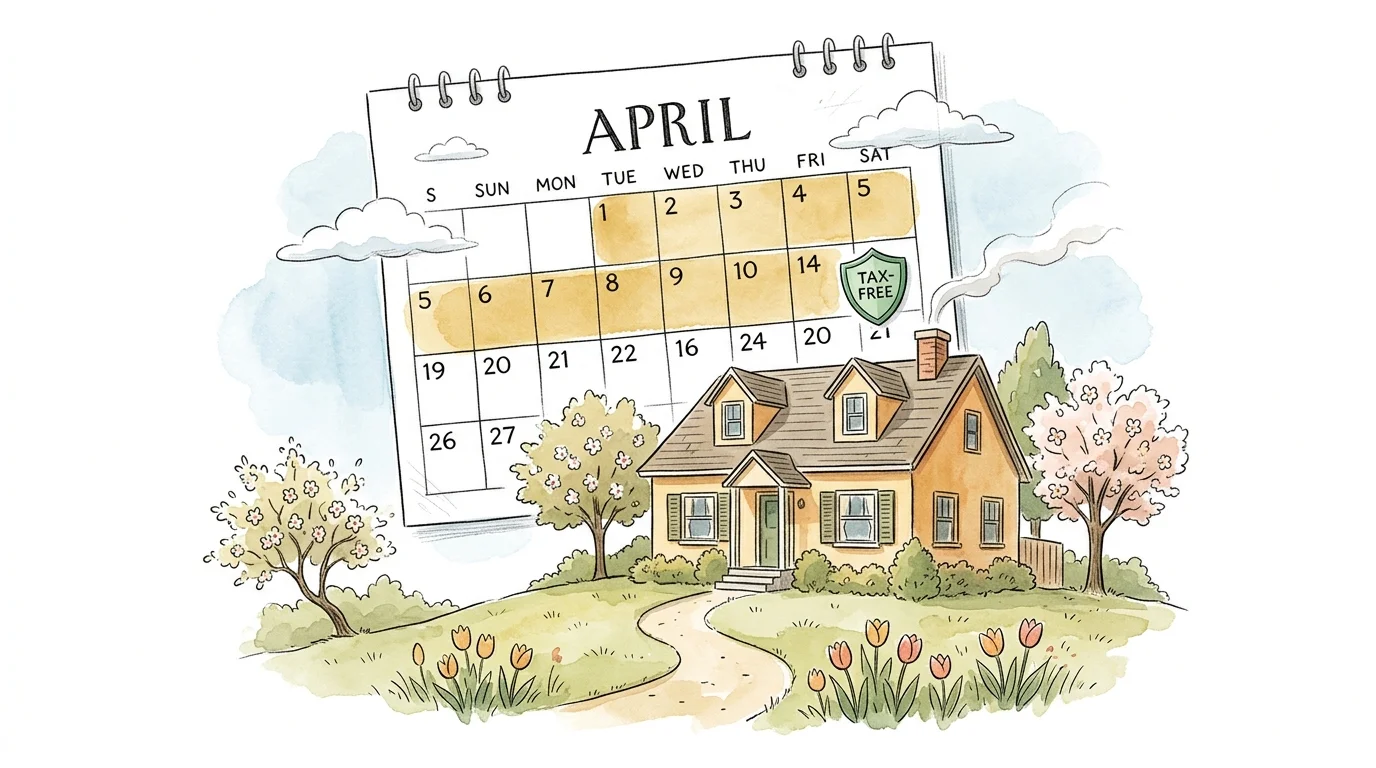
You do not need to operate a year-round rental business to extract meaningful revenue from your home. Under Internal Revenue Code § 280A(g)—commonly known as the “Augusta Rule”—homeowners can rent their primary or secondary residence for up to 14 days per calendar year completely free of federal income tax.
To take advantage of this provision safely:
- Target major regional events: Rent your home during high-traffic occasions such as PGA golf tournaments, college graduations, major music festivals, or championship sporting events when local hotel rates surge.
- Document local market rates: Keep printouts or screenshots showing comparable rental listings in your immediate neighborhood to justify the daily rental rate you charge.
- Track your calendar strictly: Never exceed the 14-day threshold. If you rent the property for 15 days or more, you forfeit the complete exclusion and must report all rental income for the year.
You pocket 100% of the gross proceeds without adding a single dollar to your adjusted gross income, preventing any unexpected bumps into higher Medicare Part B premium brackets or elevated tax tiers.

4. Detached Accessory Dwelling Units (ADUs) with Separate Access
Many retirees downsize their living footprint without leaving their beloved neighborhoods by adding an Accessory Dwelling Unit (ADU)—often called a granny flat, carriage house, or converted garage apartment. Modern modular construction and zoning reforms across numerous states make building an independent living space more accessible than ever.
An ADU delivers steady, premium monthly rent while preserving your personal peace. Because the structure features its own exterior entrance, separate utility sub-meters, and independent HVAC, you never share personal living spaces with your occupant.
Additionally, owner-occupied properties receive unique regulatory protections. Under the federal Fair Housing Act (42 U.S.C. § 3603(b)(2)), commonly referenced as the “Mrs. Murphy” exemption, owner-occupied buildings with four or fewer units are exempt from certain federal fair housing mandates. This grants resident owners greater latitude in screening and choosing compatible tenants who match their lifestyle expectations, provided they do not use real estate brokers or publish discriminatory advertisements.
5. Fully Outsourced Turnkey Long-Term Rentals
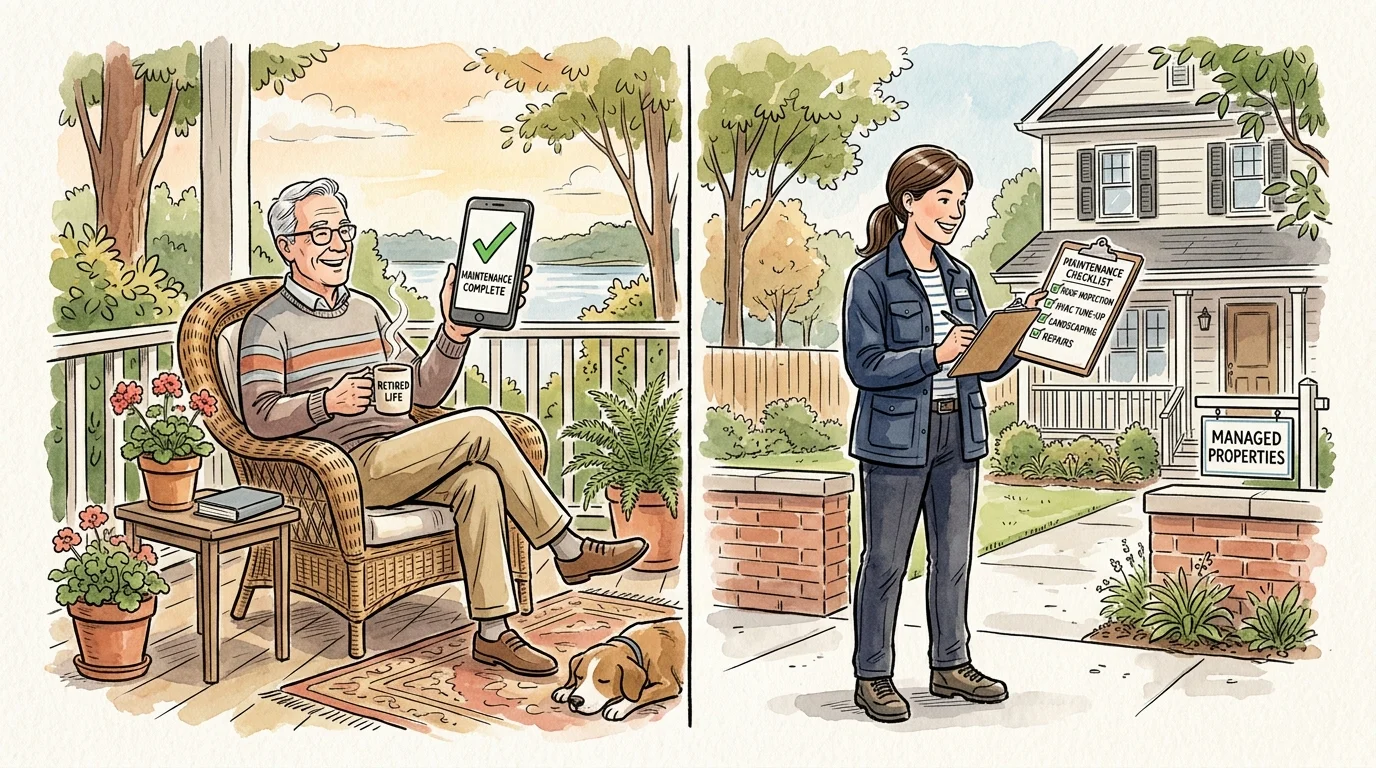
If you own an investment property or inherit a residential home, you do not have to perform the grueling day-to-day labor of becoming a landlord in retirement. Professional property management companies absorb the friction of tenant placement, rent collection, routine inspections, and emergency repairs.
Standard residential property managers charge between 8% and 12% of the monthly rent collected, alongside a one-time tenant placement fee generally ranging from 50% to 100% of the first month’s rent. While this fee reduces your gross yield, it buys total lifestyle freedom. A reputable manager enforces stringent screening criteria—running comprehensive credit checks, verifying gross monthly income at three times the rent, and examining past eviction registries—drastically lowering your exposure to non-paying tenants and costly legal disputes.

6. Peer Home-Sharing and Vetted Senior Roommates
Renting a spare bedroom to a compatible peer creates two distinct financial wins: direct monthly rental income and immediate reductions in your monthly household utility expenses. Known colloquially as the “Golden Girls” model, senior home-sharing has expanded rapidly through specialized matching platforms like Silvernest.
Safety in home-sharing stems from thorough upfront alignment. Successful peer home-sharing requires:
- Comprehensive national background checks and identity verification.
- Clearly drafted house agreements outlining quiet hours, guest policies, shared kitchen access, and refrigerator shelf allocations.
- Formal month-to-month or six-month residential leases with distinct termination clauses.
Beyond the financial boost, many retirees discover that home-sharing reduces isolation, enhances home security, and provides a built-in mutual support system for aging safely in place.

7. Leasing Land, Pasture, or RV Parking Pads
Retirees living on acreage or larger suburban parcels can generate safe rental income by monetizing ground space without constructing expensive housing units. Depending on your property layout and local zoning, low-impact land leasing options include:
- Paved RV or boat parking: Supplying a dedicated, secure parking pad with an electrical hookup (30-amp or 50-amp) to an RV owner who simply needs a dependable storage location.
- Agricultural and pasture leases: Permitting local farmers or hobbyists to graze livestock or cut hay on unused acreage, which often preserves valuable agricultural property tax exemptions for your land.
- Equestrian paddock rentals: Leasing fenced pasture or barn stalls to local horse owners who handle all animal feeding and care themselves.
Because these arrangements involve no interior residential structures, your physical maintenance remains practically zero, and property wear is confined entirely to the outdoors.

8. Passive Real Estate via Public REITs and Real Estate Debt
The safest way to earn rental income for some retirees involves eliminating property deeds and physical tenants altogether. Publicly traded Real Estate Investment Trusts (REITs) trade on major stock exchanges like ordinary equities, allowing you to invest directly in vast portfolios of residential apartments, medical offices, logistics warehouses, and retail centers.
Federal law requires REITs to distribute at least 90% of their taxable income annually to shareholders in the form of dividends. By investing in established residential or commercial REITs, you receive regular quarterly or monthly income distributions directly into your brokerage or retirement account. You gain institutional diversification across thousands of doors, zero personal liability, no tenant phone calls, and instant liquidity to sell your shares at market prices whenever you need cash.
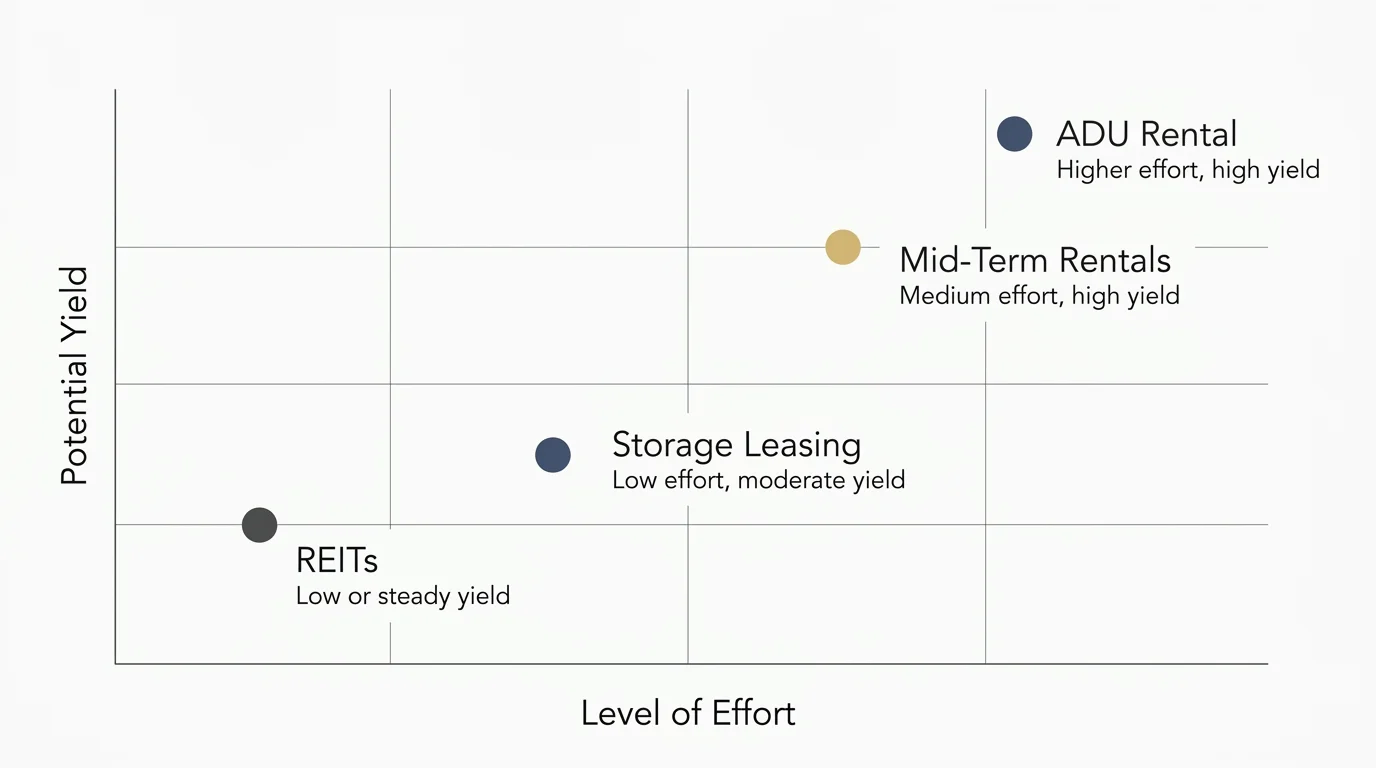
Comparing Safe Rental Income Strategies for Retirees
Selecting the right path depends on your available capital, existing property configuration, and how much personal involvement you desire. The following comparison breaks down each approach across critical operational metrics:
| Rental Strategy | Initial Upfront Cost | Monthly Effort Required | Physical Property Risk | Primary Advantage for Retirees |
|---|---|---|---|---|
| Mid-Term Furnished Rentals | Moderate ($3,000–$8,000 for furnishings) | Low to Moderate (turnover every 60–90 days) | Low (professional tenants) | Above-market monthly rent without long tenant locks |
| Peer-to-Peer Storage | Very Low ($0–$500 to clean/secure space) | Very Low (under 1 hour per month) | Minimal (no living occupants) | Zero midnight maintenance calls or tenant disputes |
| 14-Day Augusta Rule | Low ($0–$1,000 deep clean and prep) | Low (concentrated over 2 weeks) | Moderate (short-term occupants) | 100% tax-free income with zero IRS reporting |
| Detached ADU Construction | High ($40,000–$150,000+) | Low (if long-term tenant) | Low (independent structure) | Substantial recurring cash flow and added equity |
| Outsourced Long-Term Rental | Moderate to High (down payment or existing equity) | Very Low (manager handles operations) | Low (professional tenant vetting) | Steady long-term wealth building and tax depreciation |
| Senior Peer Home-Sharing | Very Low ($0–$500 room setup) | Low (shared daily presence) | Low (screened peer roommate) | Direct companionship and slashed utility bills |
| Land & RV Pad Leasing | Low to Moderate ($500–$4,000 for gravel/power) | Very Low (periodic grounds check) | Minimal (exterior grounds only) | Zero plumbing, roof, or appliance repairs |
| Public REITs | None (buy fractional shares) | Zero (entirely passive) | None (portfolio equity ownership) | Immediate liquidity and zero landlord liability |
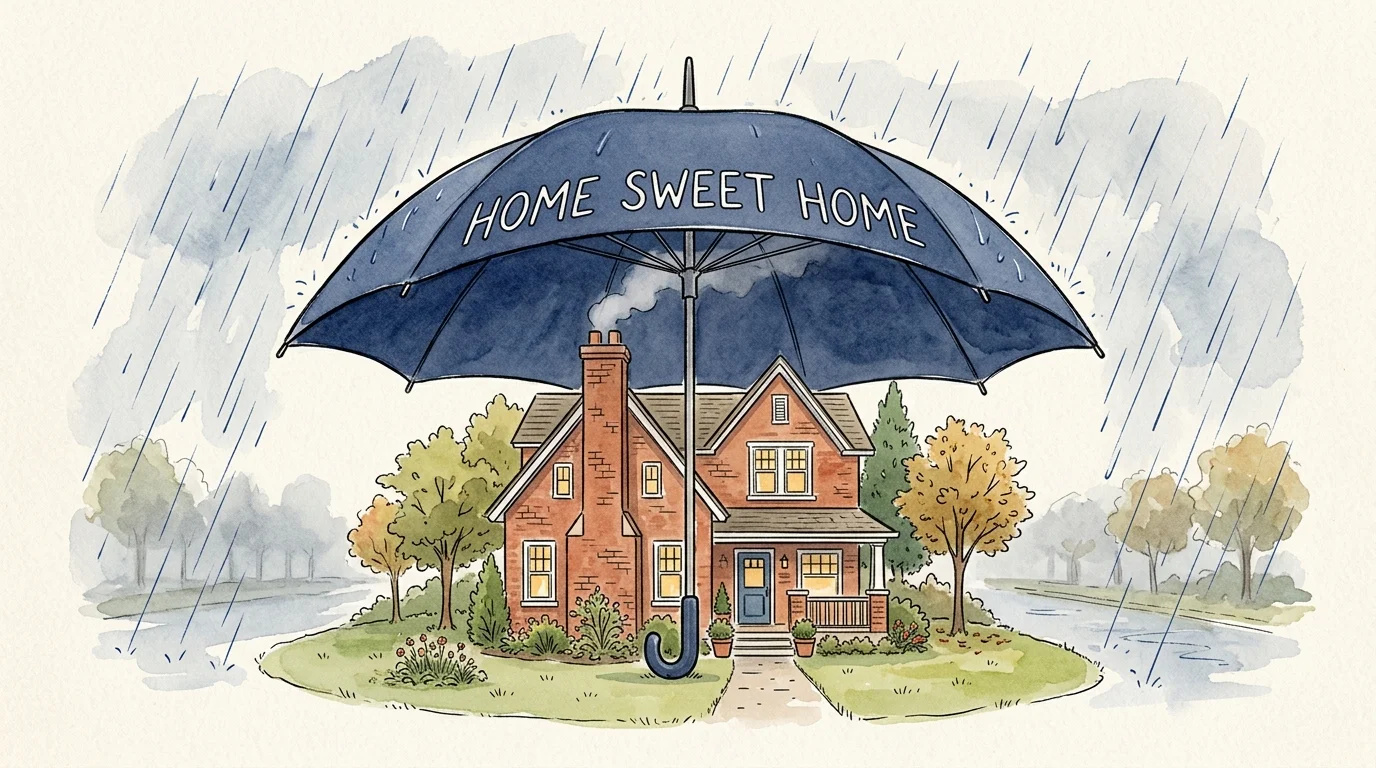
Crucial Insurance Updates: Protecting Your Assets
One of the most catastrophic mistakes a retiree landlord can make is assuming that a standard homeowners insurance policy (HO-3) covers tenant-occupied spaces. Homeowners policies explicitly exclude commercial activities and long-term tenant occupancy. If a tenant experiences a fire, water damage, or a slip-and-fall injury on your property, your standard carrier can deny the claim entirely.
When renting out a secondary dwelling, investment home, or dedicated accessory unit, you must convert your policy to a dedicated landlord policy (typically a DP-3 dwelling policy). A DP-3 policy averages 15% to 25% higher in annual premiums than standard homeowners insurance, but it provides vital protections: structural coverage, premise liability, and loss-of-rental-income coverage while repairs occur following a covered peril.
In addition, acquire a personal umbrella liability policy offering between $1,000,000 and $2,000,000 in excess coverage. For a modest annual premium of $200 to $400, an umbrella policy shields your lifetime retirement savings, brokerage accounts, and home equity from aggressive lawsuits.
Common Mistakes to Avoid
Preserving your capital and peace of mind requires avoiding several predictable pitfalls that catch inexperienced landlords off guard:
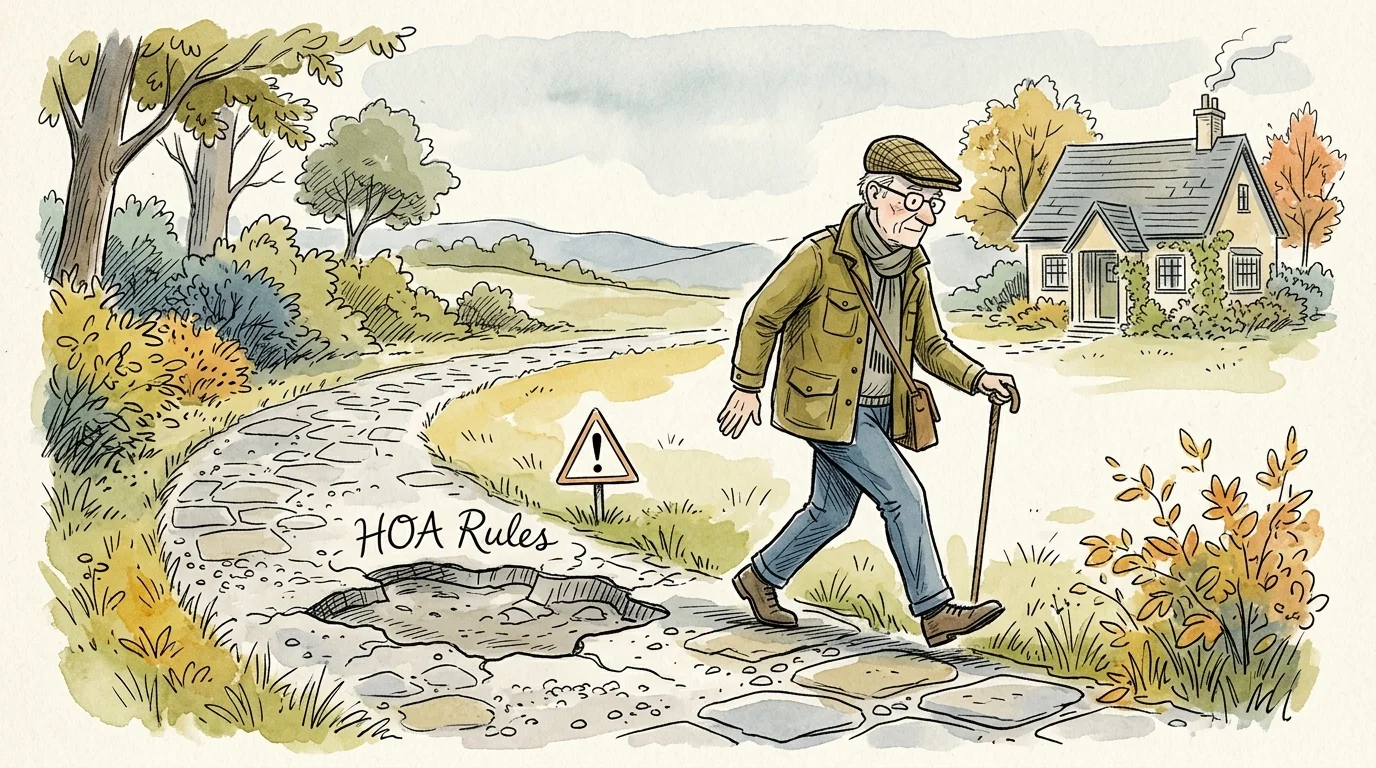
- Overlooking HOA covenants and municipal bylaws: Never lease a space or launch a mid-term rental without checking your local municipal zoning codes and Homeowners Association (HOA) rules. Many associations strictly prohibit leases under six or twelve months and impose heavy daily fines on non-compliant owners.
- Skipping comprehensive credit and eviction screenings: Relying on a warm smile or informal conversation rather than running verified background checks often leads to missed rent payments and costly legal eviction procedures. Always verify independent proof of income and check national eviction registries.
- Failing to budget for capital expenditures: A property generating $1,800 a month does not produce $1,800 in spendable profit. Always set aside 10% to 15% of gross rent in a dedicated high-yield savings reserve to handle inevitable roof replacements, water heater failures, and HVAC maintenance.
- Ignoring depreciation recapture rules: While the IRS allows you to deduct 27.5-year depreciation during your ownership, the government will “recapture” that depreciation at a tax rate of up to 25% when you sell the property later, unless you perform a 1031 exchange or pass the property to heirs who receive a stepped-up cost basis.

Getting Expert Input
Setting up a safe rental income stream involves tax, legal, and financial planning considerations that vary significantly by state and local jurisdiction. Engage qualified professionals in these specific scenarios:
- Consult a Certified Public Accountant (CPA) or Enrolled Agent: Seek guidance before filing your taxes to ensure you correctly track depreciation schedules, separate deductible repair costs from capital improvements, and structure passive losses appropriately against your total income.
- Consult a Real Estate Attorney: Have a local attorney review your custom lease agreements, addendums, and eviction disclosures to verify complete compliance with city, county, and state landlord-tenant regulations.
- Consult an Independent Insurance Agent: Review your primary property, umbrella, and landlord coverage limits annually to ensure your liability caps keep pace with your expanding net worth.
- Consult a Fee-Only Financial Planner (CFP): Evaluate how incoming rental cash flow integrates into your broader retirement withdrawal strategy, Required Minimum Distributions (RMDs), and Medicare Part B/D income-related monthly adjustment amount (IRMAA) thresholds.
Frequently Asked Questions
Does passive rental income reduce my monthly Social Security benefits?
No. Passive rental income is classified as unearned investment income by the Social Security Administration. It does not count toward the annual earnings limit under the Social Security Retirement Earnings Test, meaning it will not reduce your monthly benefit check even if you collect benefits before your Full Retirement Age (FRA).
How does the 14-day Augusta Rule work for retirees?
Under Section 280A(g) of the Internal Revenue Code, you can rent your home or apartment for up to 14 days per calendar year without reporting the income on your federal tax return. The income is 100% tax-free, provided you personally use the residence for at least 14 days or 10% of the days rented during the year.
What is the “Mrs. Murphy” exemption under the Fair Housing Act?
The “Mrs. Murphy” exemption is a provision in the federal Fair Housing Act (42 U.S.C. § 3603(b)(2)) that exempts owner-occupied buildings with four or fewer rental units from certain federal fair housing requirements. This allows resident homeowners greater flexibility when screening roommates or on-site tenants, provided they do not hire a broker or publish discriminatory advertisements.
How much more does landlord insurance cost than standard homeowners insurance?
A dedicated landlord policy (typically a DP-3 policy) costs roughly 15% to 25% more than a standard homeowners policy (HO-3). The higher premium reflects the increased liability risk and property exposure associated with non-owner occupants living on the premises.
Final Takeaways for Safe Rental Income
Earning rental income in retirement does not require managing late-night emergencies or risking your life savings. By selecting low-friction strategies—such as renting storage space, hosting professional traveling workers, leveraging the 14-day Augusta Rule, or hiring full-service property managers—you can generate consistent monthly cash flow while keeping your stress low. Align your strategy with your comfort level, protect your assets with proper landlord and umbrella insurance, and let your property do the heavy lifting for your retirement budget.
This article provides general information only. Every reader’s situation is different—what works for others may not be the right fit for you. For personalized guidance on health, legal, or financial matters, consult a qualified professional.
Last updated: May 2026. Rules, prices, and details change—verify current information with official sources before acting on it.









Leave a Reply