

Managing healthcare costs alongside a fixed retirement income demands smart organization, especially as medical expenses represent one of the largest budget items in senior living. According to Pew Research Center data, 76% of Americans age 65 and older now own a smartphone, and millions are using mobile software to streamline their daily medical logs and monthly financial accounts. Bridging the gap between physical wellness and household finances helps prevent costly billing surprises while protecting your long-term savings. The right digital tools allow you to track prescriptions, monitor Medicare claims, log vital health metrics, and maintain a balanced spending plan directly from your phone.

At a Glance: Top Apps for Retiree Health and Wealth
- Best for Comprehensive Net Worth & Healthcare Planning: Empower Personal Dashboard
- Best for Managing Medicare Claims & Deductibles: MyMedicare Mobile
- Best for Prescription Savings & Drug Budgets: GoodRx
- Best for Sinking Funds & Fixed-Income Budgets: YNAB (You Need a Budget)
- Best for Medication Logs & Schedule Adherence: Medisafe
- Best for Integrated Digital Health Records & Vitals: Apple Health / Samsung Health
- Best for Health Savings Account (HSA) Management: Fidelity NetBenefits
- Best for Simple Zero-Based Cash Flow Tracking: EveryDollar
Why Tracking Health and Wealth Together Matters in Retirement
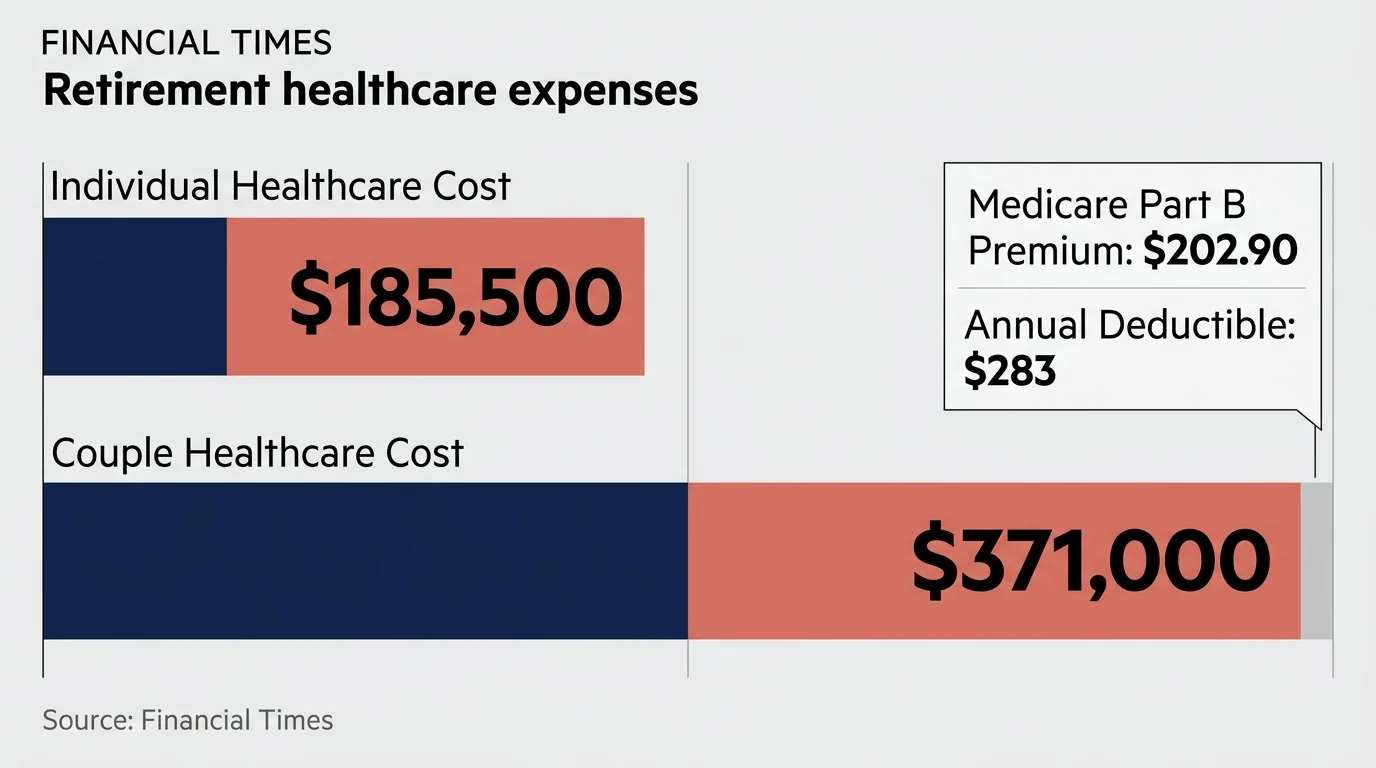
Healthcare expenditures remain one of the most volatile variables in retirement planning. Fidelity Investments estimates that a 65-year-old individual retiring in 2026 will spend an average of $185,500 on healthcare and medical expenses throughout retirement, or roughly $371,000 for a retired couple. These projections highlight why tracking physical well-being alongside liquid assets is critical for maintaining financial stability.
Unplanned medical events frequently create ripple effects across household finances. For example, the Centers for Medicare & Medicaid Services set the standard monthly premium for Medicare Part B at $202.90, with an annual deductible of $283. Beyond basic premiums, out-of-pocket costs for prescription drugs, dental care, copayments, and specialist visits add up quickly. Relying on paper receipts or delayed quarterly bank statements often leads to unexpected budget shortfalls.
According to consumer guidance from the Consumer Financial Protection Bureau, maintaining real-time visibility over active billing disputes and medical debt prevents long-term credit damage. Mobile software provides a unified command center where you can catch duplicate medical charges, budget for deductible renewals, and ensure your retirement drawdowns align with actual living expenses.
8 Essential Apps for Retiree Health and Financial Tracking
1. Empower Personal Dashboard
Empower Personal Dashboard serves as a free financial aggregation platform that automatically tracks total net worth, investment portfolios, cash flow, and monthly spending categories. While it operates primarily as a financial planning tool, it excels at categorizing recurring medical expenditures, health insurance premiums, and out-of-pocket doctor fees.
You can connect your checking accounts, credit cards, brokerage accounts, and retirement accounts to monitor exact health spending against your overall retirement income strategy. The software includes built-in retirement planners that model how unexpected healthcare inflation impacts your portfolio longevity over a 20- or 30-year horizon.
2. MyMedicare Mobile App
Managing Medicare claims manually can quickly become overwhelming. The official Medicare.gov platform offers mobile account access that allows beneficiaries to track Part A and Part B claims, check progress toward their annual $283 Part B deductible, and review preventive care coverage eligibility in real time.
By logging into the application, you can view summary notices (MSNs) digitally rather than waiting for paper copies in the mail. This instant access helps you spot incorrect billing codes, verify that providers billed Medicare correctly before paying doctor invoices out of pocket, and track remaining benefit limits for specialized care services.
3. GoodRx
Prescription medications represent a primary out-of-pocket health cost for retirees. GoodRx functions as a price comparison and digital discount tool that tracks medication prices across major retail pharmacies, including CVS, Walgreens, Rite Aid, and local independent grocers.
The app allows you to search for exact dosages and find coupon discounts that frequently beat Medicare Part D copays or retail cash prices. By saving digital coupons directly to your phone, you lower monthly pharmacy bills and protect your discretionary spending budget without sacrificing vital medication regimens.
4. YNAB (You Need a Budget)
YNAB utilizes a strict zero-based budgeting methodology that assigns every dollar of income a specific job before the month begins. For retirees living on fixed Social Security benefits or pension disbursements, YNAB prevents overspending by organizing money into distinct spending categories.
The software costs $14.99 per month or $109 per year, but it offers powerful customization for senior health planning. You can create dedicated “sinking funds” for planned medical events—such as annual dental cleanings, new prescription eyewear, or maximum out-of-pocket health insurance deductibles—ensuring money is set aside before bills arrive.
5. Medisafe
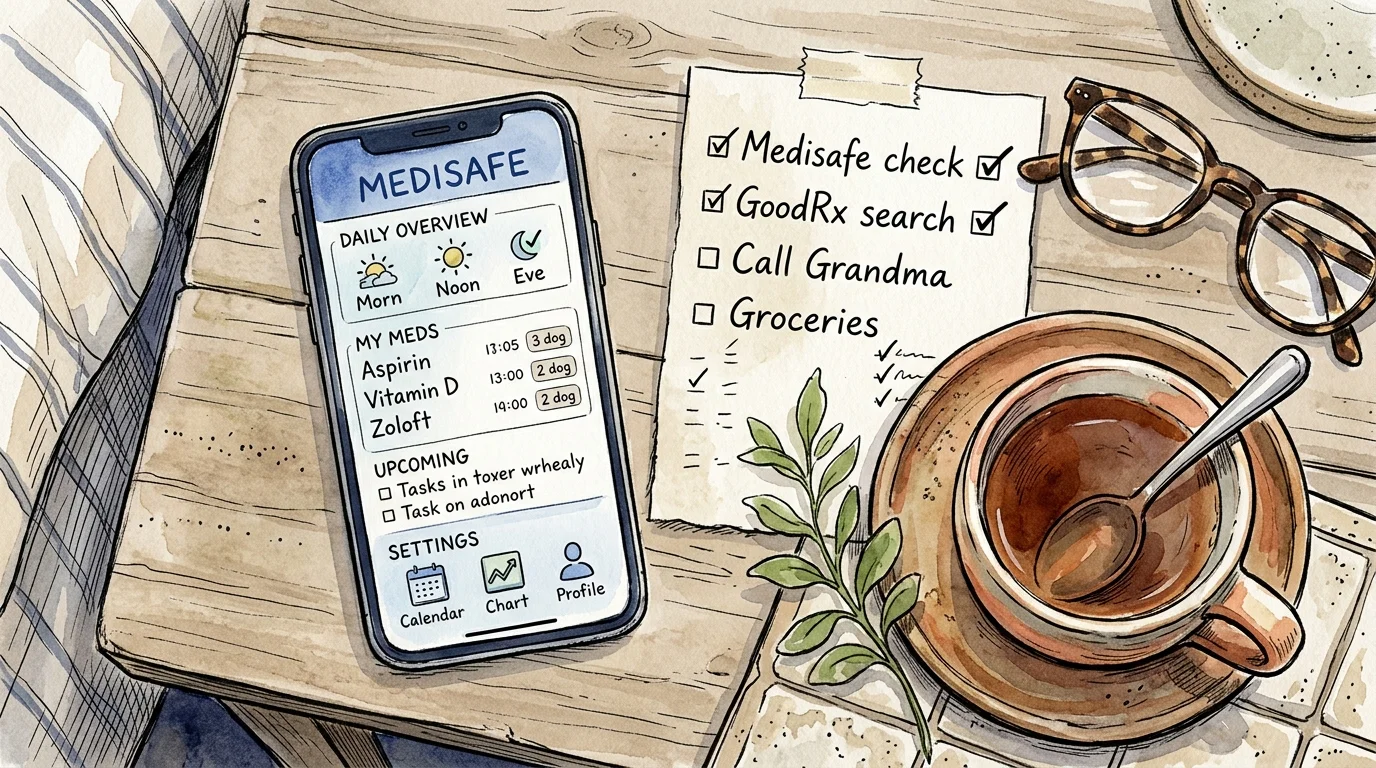
Medication errors and missed dosages lead to preventable hospitalizations that strain both physical health and personal finances. Medisafe operates as a comprehensive medication management app that sends scheduled dosage reminders, tracks pill inventories, and warns you about potential drug interactions.
In addition to safety features, Medisafe records refill schedules so you can plan prescription renewals ahead of time. Avoiding emergency, last-minute pharmacy refills prevents rushed out-of-network shipping fees and ensures you optimize pharmacy rewards programs.
6. Apple Health / Samsung Health
Native health applications on iOS and Android devices have evolved far beyond basic step counters. According to research published by the Pew Research Center, mobile technology adoption among older adults continues to climb, with seniors utilizing smartphones to aggregate personal health records, heart rate trends, sleep metrics, and blood glucose logs.
Apple Health and Samsung Health allow you to connect directly to patient portals—such as Epic MyChart—to store digital lab results, vaccination records, and doctor notes in one encrypted place. Having immediate digital access to your medical history prevents duplicate medical testing, saving both time and unnecessary copays during specialist consultations.
7. Fidelity NetBenefits & HSA App
For retirees enrolled in High Deductible Health Plans (HDHPs) before claiming Medicare, or those managing accumulated Health Savings Account (HSA) balances, the Fidelity NetBenefits app offers streamlined tax-free asset tracking. Account holders can manage investments, execute tax-free withdrawals for qualified medical expenses, and track annual contribution limits.
According to the Internal Revenue Service, the 2026 maximum HSA contribution limit is $4,400 for self-only coverage and $8,750 for family coverage, with an additional $1,000 catch-up contribution permitted for individuals age 55 and older who are not enrolled in Medicare. Storing digital receipts within the application simplifies tax reporting and ensures your medical drawdowns remain completely tax-exempt.
8. EveryDollar
EveryDollar provides a simple, zero-based budgeting alternative for retirees who prefer an intuitive, streamlined layout over complex financial software. Developed by Ramsey Solutions, the platform offers a free basic version for manual entry and a Premium tier for $17.99 per month (or $79.99 annually) that automatically syncs with bank accounts.
Retirees use EveryDollar to build straightforward monthly cash-flow templates. Creating specific budget lines for Medicare Part B premiums, supplemental Medigap insurance, wellness memberships, and daily living expenses gives you clear visual feedback on exact spending limits each month.

Comparing the Top Retiree Health and Money Tracking Tools
| App Name | Primary Category | Pricing Model | Key Senior Benefit |
|---|---|---|---|
| Empower Personal Dashboard | Finance & Net Worth | Free | Tracks overall wealth and long-term healthcare cost projections. |
| MyMedicare Mobile | Government Benefits | Free | Monitors Medicare Part A/B claims and annual deductible progress. |
| GoodRx | Prescription Savings | Free | Compares pharmacy prices to lower out-of-pocket drug costs. |
| YNAB (You Need a Budget) | Zero-Based Budgeting | $14.99/mo or $109/yr | Creates dedicated sinking funds for medical deductibles. |
| Medisafe | Health & Medication | Free (Optional Premium) | Prevents missed doses and manages refill timing to avoid emergency fees. |
| Apple / Samsung Health | Vitals & Medical Records | Free (Built-In) | Consolidates lab records and patient portal health metrics. |
| Fidelity NetBenefits | HSA & Investment Management | Free (Account-based) | Manages tax-free HSA medical expense reimbursements. |
| EveryDollar | Cash-Flow Budgeting | Free (Premium: $79.99/yr) | Offers simple cash-flow tracking tailored for fixed retirement incomes. |
Common Mistakes to Avoid When Managing Digital Health and Finances
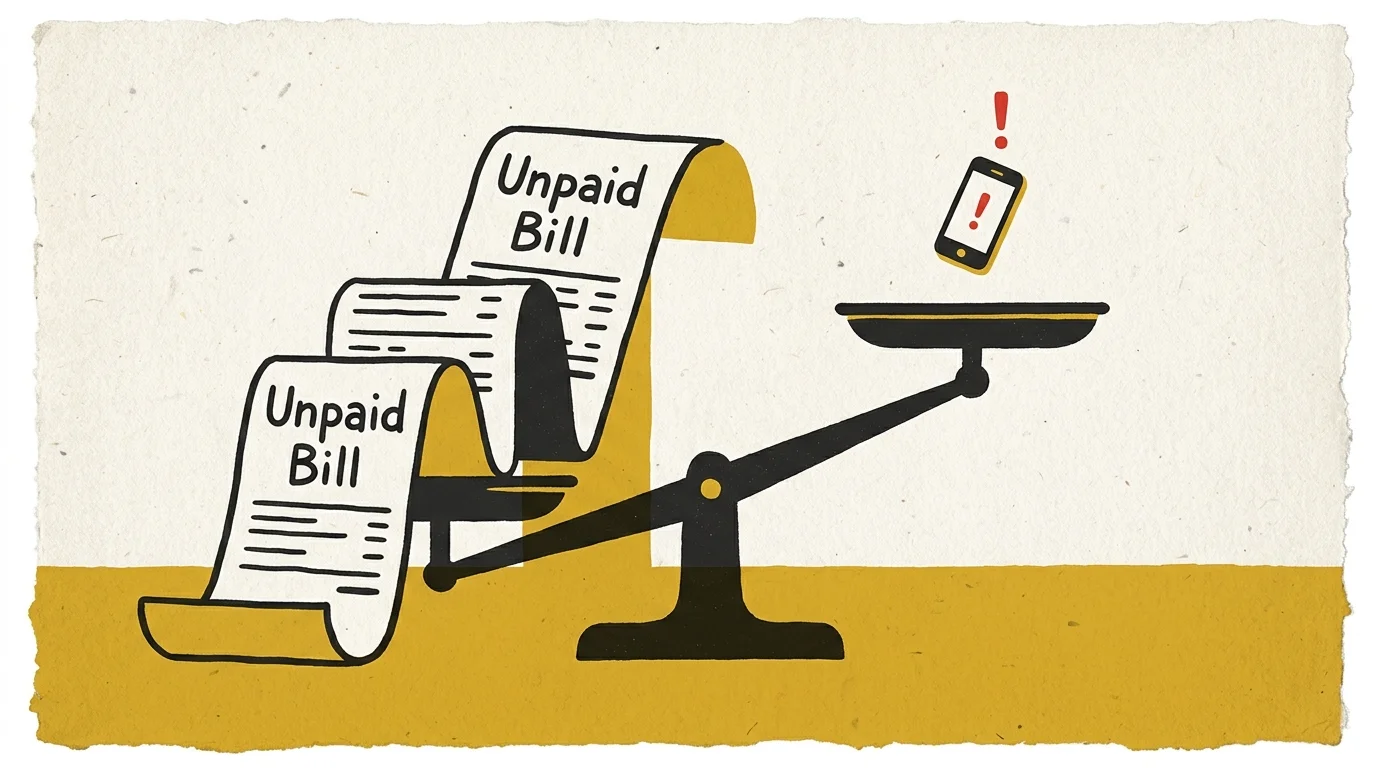
Transitioning to mobile tracking tools offers significant convenience, but mistakes in app management can create security vulnerabilities or financial inaccuracies. Watch out for these four common errors:
- Neglecting Multi-Factor Authentication (MFA): Health and financial apps contain highly sensitive data, including Social Security numbers, banking details, and medical records. Always enable two-factor authentication or biometric logins (Face ID / Fingerprint) to guard against identity theft.
- Failing to Archive HSA Medical Receipts: IRS rules allow you to reimburse yourself from an HSA for eligible medical expenses incurred years ago, provided you hold valid receipts. Failing to upload and back up itemized receipts digitally can result in lost tax advantages during an audit.
- Assuming Medicare Pays Every Billing Notice Automatically: Medical billing errors occur frequently. Paying provider invoices immediately without verifying them against your official Medicare Summary Notice on the MyMedicare app can result in paying for services Medicare already covered.
- Overlooking Auto-Renewing App Subscriptions: Many budgeting or wellness tools offer free trials that automatically convert into paid annual subscriptions. Review your app store subscriptions quarterly to avoid paying for digital software you no longer use.
Getting Expert Input for Complex Decisions
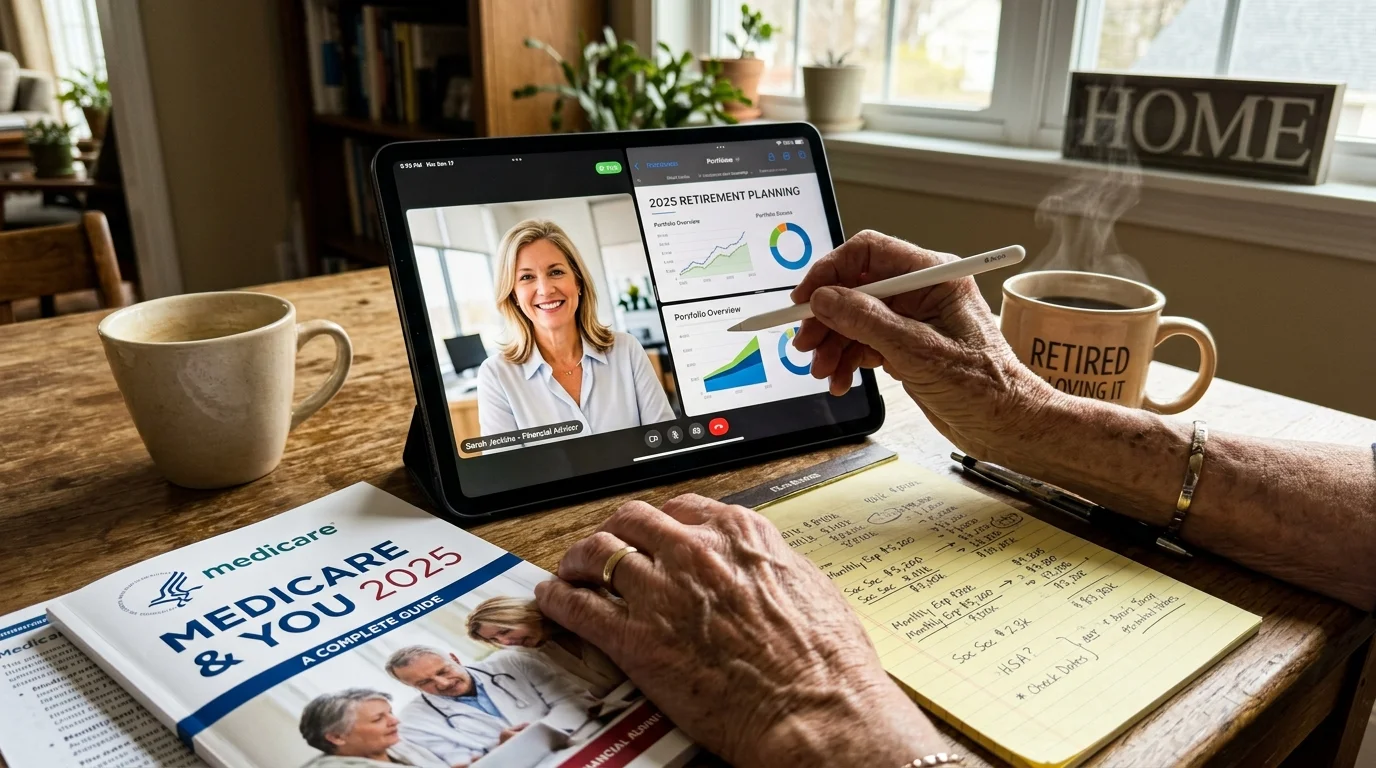
While tracking applications provide real-time data, software cannot replace specialized professional advice when navigating complex life changes. Consider consulting qualified experts in the following scenarios:
- Selecting or Changing Medicare Plans: Schedule time with a State Health Insurance Assistance Program (SHIP) counselor for free, unbiased guidance on comparing Medicare Advantage, Part D, and Medigap policies tailored to your doctors and medication list.
- Optimizing Tax-Efficient HSA Drawdowns: Speak with a Certified Public Accountant (CPA) or fee-only tax professional to ensure your HSA distributions follow current IRS regulations and do not trigger unexpected income tax penalties.
- Planning for Long-Term Healthcare Costs: Work with a Certified Financial Planner (CFP) to build comprehensive contingency plans for potential assisted living, memory care, or home health aide expenses without exhausting your legacy assets.
- Managing Complex Clinical Treatment Plans: Consult your primary care physician or pharmacist before modifying medication schedules, altering dosages, or substituting generic drugs based on app suggestions.
Frequently Asked Questions
Are free health and financial apps safe to use on smartphones?
Most reputable health and financial applications utilize high-grade encryption standards similar to major banking systems. To maximize security, only download official applications from the Apple App Store or Google Play Store, maintain strong unique passwords, and enable multi-factor authentication on all accounts storing personal health or financial information.
Can I use Health Savings Account (HSA) funds for Medicare premiums?
Yes, you can use tax-free HSA distributions to pay for Medicare Part B, Part D, and Medicare Advantage premiums once you reach age 65. However, IRS regulations strictly prohibit using HSA funds to pay for Medigap (Medicare Supplement) premiums.
Do prescription discount apps like GoodRx count toward my Medicare Part D deductible?
No. When you use a discount coupon from GoodRx instead of your Medicare Part D prescription coverage, the amount spent does not automatically count toward your annual Medicare drug deductible or out-of-pocket spending limits. Compare costs carefully to determine whether paying cash or using insurance benefits saves more over the full calendar year.
How can I back up paper medical bills digitally?
Most modern smartphones feature built-in document scanners inside native camera or note apps. You can scan physical paper receipts, itemized hospital invoices, and Explanation of Benefits (EOB) statements directly to secure cloud drives like Google Drive or iCloud, organizing them by year for seamless medical expense tracking.
Combining personal health logging with clear financial tracking allows you to enjoy retirement with greater confidence. By taking advantage of accessible smartphone software, you maintain direct control over your medical expenses, protect your fixed monthly income, and make informed choices about your future care.
The information here is meant for educational purposes. Specific circumstances—including health conditions, finances, location, and goals—may require different approaches. When in doubt, consult a licensed professional or check official sources directly.
Last updated: May 2026. Rules, prices, and details change—verify current information with official sources before acting on it.









Leave a Reply