
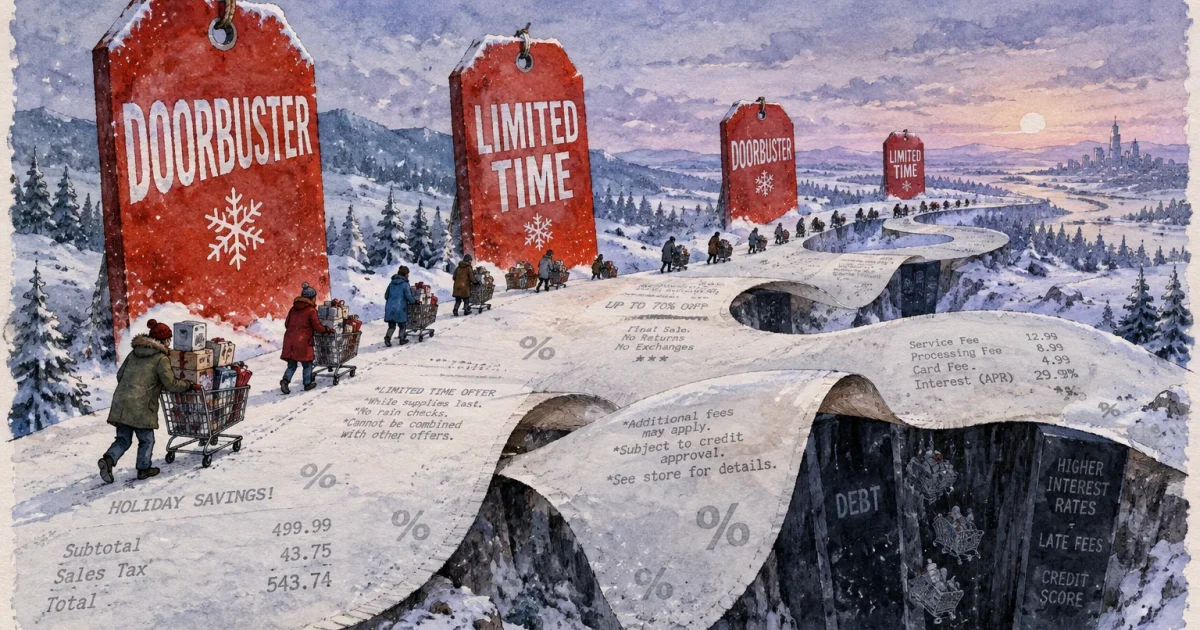
Black Friday marketing creates an illusion of urgent scarcity, pushing retirees on fixed incomes toward costly financial pitfalls. Subtle retail tactics can quietly erode your retirement savings before the holiday season even starts.
Retailers design register promotions, deferred-interest offers, and seasonal return rules specifically to lower your guard. A few hasty purchases can jeopardize your monthly living budget for months to come.
Recognizing these retail tricks helps you protect your hard-earned dollars while shopping for loved ones. Here are the twelve most dangerous Black Friday traps to steer clear of this holiday shopping season.
Why Holiday Shopping Traps Target Fixed Incomes
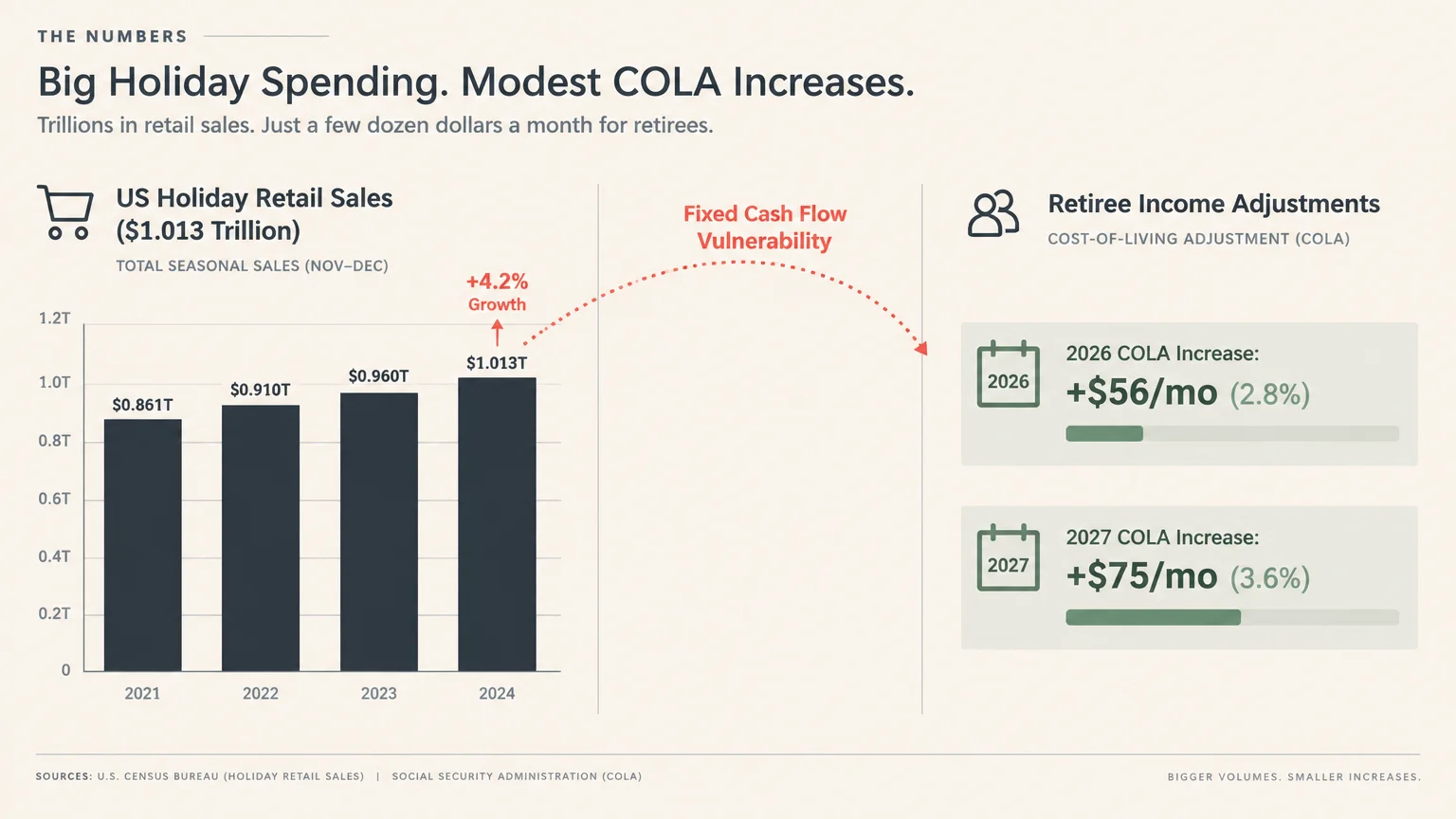
The National Retail Federation forecasts holiday sales will grow 4.2% over 2025, surpassing $1 trillion ($1.013 trillion) for the first time. Retailers deploy sophisticated marketing campaigns to capture those consumer dollars.
According to consumer research from the National Retail Federation, 56% of shoppers say the economy influences their holiday spending plans. Furthermore, 64% wait until Thanksgiving weekend to complete the bulk of their shopping.
Retirees face unique risks during these commercial sales events. When you live on fixed income streams, unexpected interest charges and non-refundable purchases cannot be offset by overtime wages or year-end bonuses.
According to the Social Security Administration, the 2026 Cost-of-Living Adjustment (COLA) provided an average increase of about $56 per month (2.8%). The 2027 COLA will be 3.6%, raising average worker benefits by $75 per month.
While these annual adjustments help manage inflation, high-pressure holiday sales events can consume that relief instantly. Guarding your monthly cash flow requires recognizing deceptive retail practices before you reach the checkout counter.
1. Register Discounts on Store Credit Cards
Cashiers frequently offer an instant 15% to 20% discount if you open a store credit card at checkout. While saving money immediately feels satisfying, the long-term borrowing costs are punishing.
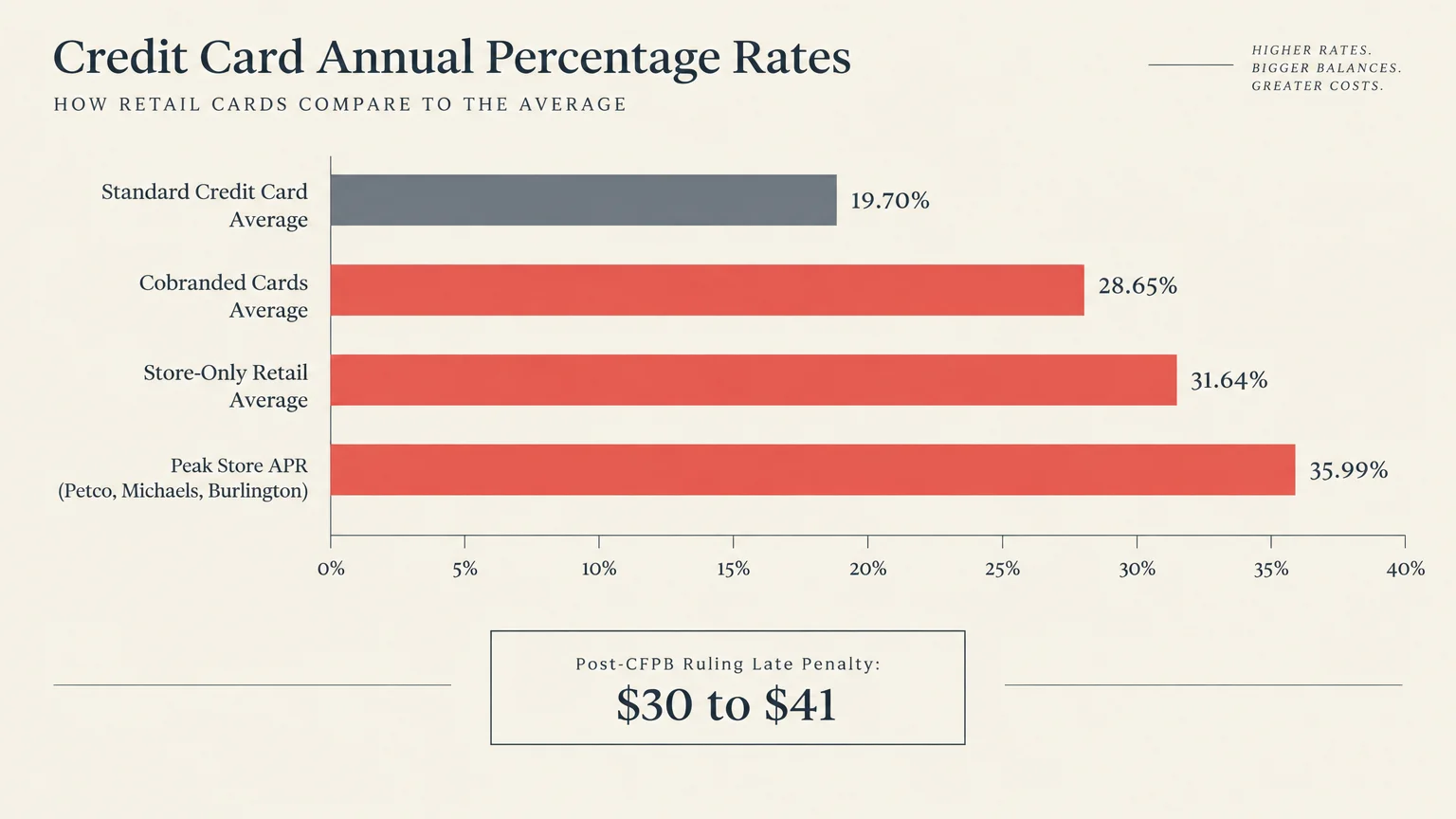
According to the Bankrate Retail Cards Study, the average retail credit card annual percentage rate (APR) is 30.14%. Store-only cards average 31.64%, while cobranded cards average 28.65%.
Some major retailers—including Petco, Michaels, and Burlington—charge APRs as high as 35.99%. For comparison, the national average rate for standard credit cards is 19.70%.
If you carry a balance into January, those high interest rates immediately cancel out your initial register savings. Missing a single payment creates an even larger financial problem.
A federal court vacated the CFPB’s $8 late fee cap on April 15, 2025. That legal ruling allows retail card issuers to charge standard late penalties between $30 and $41.
2. “Deferred Interest” Financing on Major Purchases
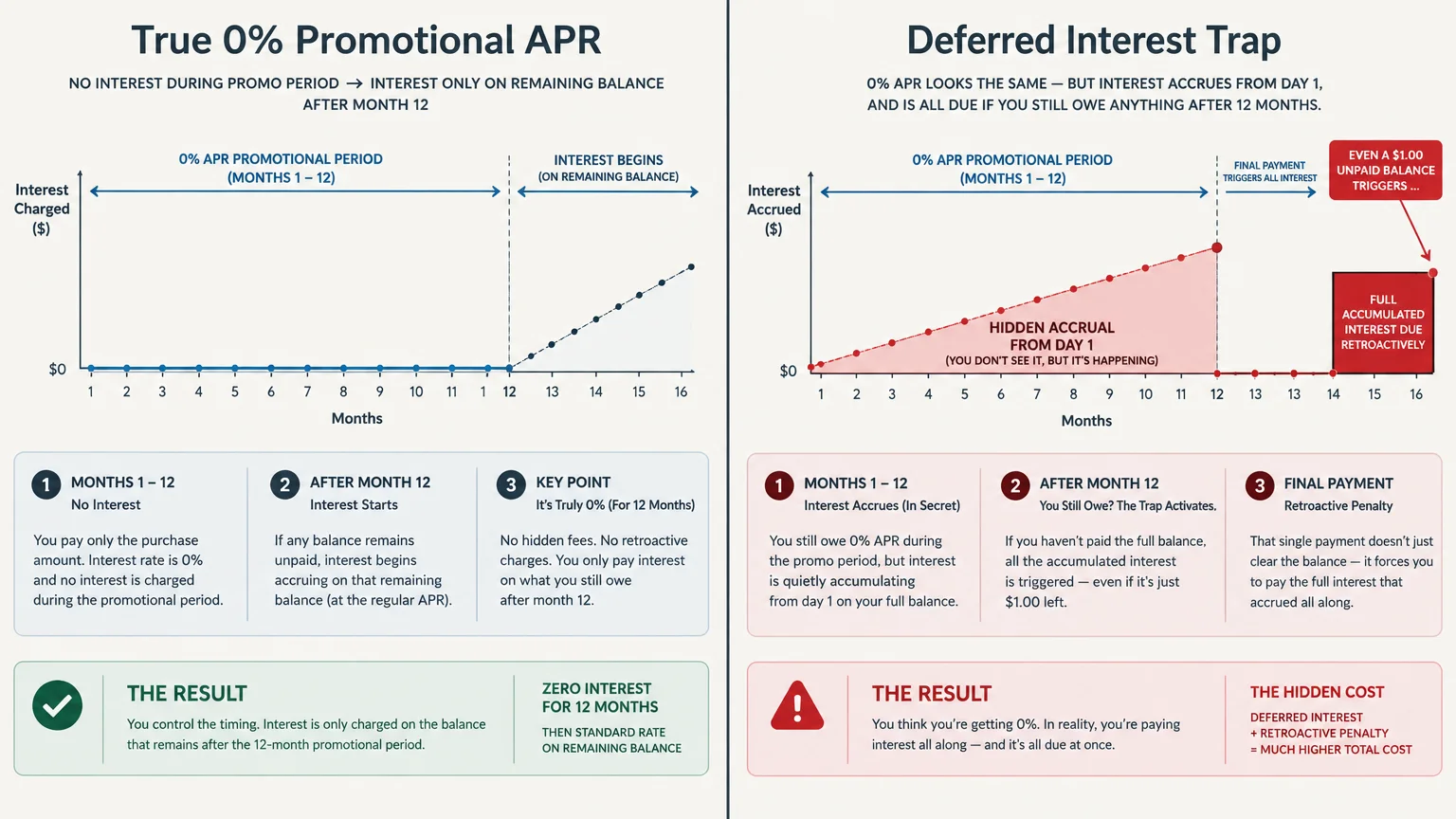
Big-box retailers heavily promote deferred-interest financing on appliances, electronics, and home furnishings during Black Friday. Signs promising “0% interest for 12 months” lead shoppers to believe the financing carries zero cost.
Deferred interest differs drastically from a standard 0% introductory APR offer. With a true 0% promotional card, unpaid balances only accrue interest moving forward after the promotional period ends.
Under deferred-interest terms, the lender calculates interest behind the scenes from the original date of purchase. If you leave even a one-dollar balance when the promotion ends, you owe the entire accumulated interest.
Bankrate reports that 47% of cardholders carry a balance from month to month, and 61% of debtors stay in debt for over a year. A single budgeting oversight on a deferred loan can trigger hundreds of dollars in retroactive fees.
3. Buy Now, Pay Later Plans Without Consumer Guardrails
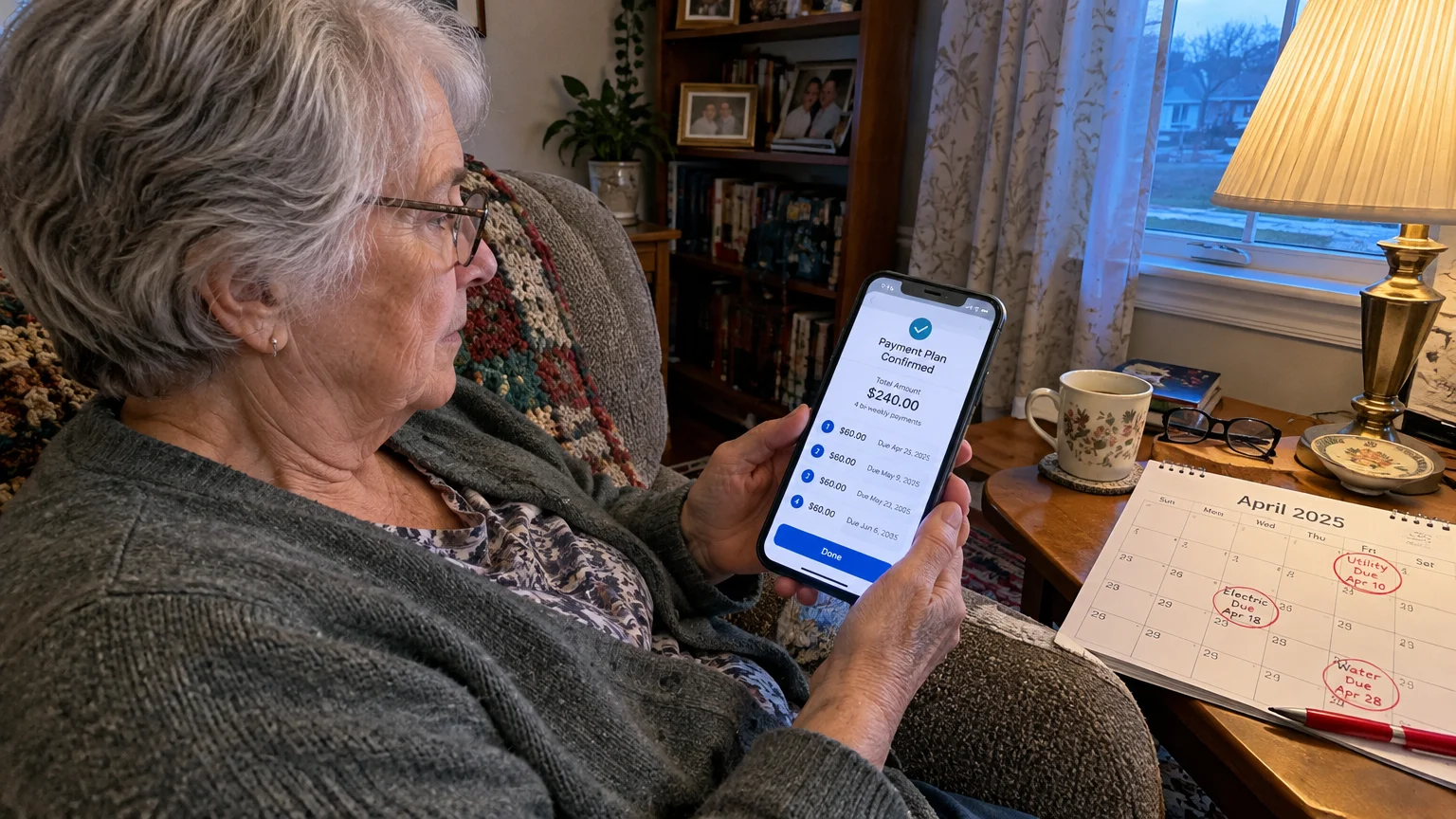
Online checkout lanes feature Buy Now, Pay Later (BNPL) platforms like Affirm, Klarna, and Afterpay. These services divide a purchase into four equal payments spread over six to eight weeks.
Splitting charges makes expensive merchandise appear instantly affordable to fixed-income shoppers. However, managing multiple staggered payment deadlines across several apps often leads to unplanned bank overdrafts.
More importantly, BNPL services lack the legal protections found on standard credit cards. On May 12, 2025, the Consumer Financial Protection Bureau officially withdrew its rule classifying BNPL loans as credit cards under the Truth in Lending Act.
Because of that regulatory withdrawal, BNPL transactions do not carry guaranteed federal dispute protections. If an online merchant sends damaged goods or fails to deliver, recovering your funds through the lender is difficult.
4. Specially Manufactured “Derivative” Electronics
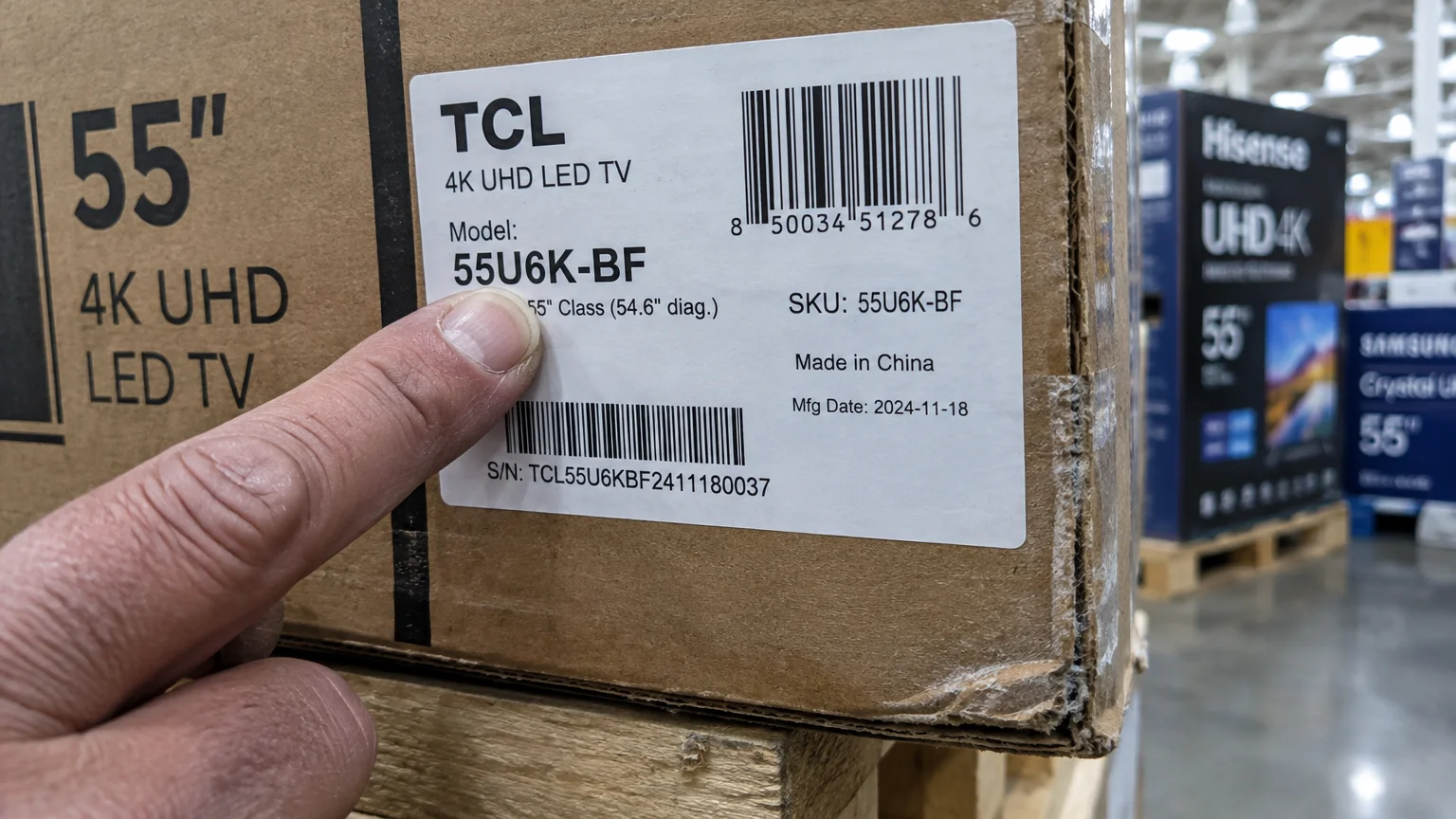
Door-buster electronics on Black Friday often feature brand names at astonishingly low prices. However, many of these ultra-cheap televisions and laptops are “derivative models” produced specifically for holiday sales.
To reduce production costs, manufacturers remove key components from these units. You may receive lower-grade display panels, fewer input ports, cheaper internal speakers, and plastic casings instead of metal.
Manufacturers alter model numbers by a single digit or letter to prevent direct price-matching against standard inventory. These subtle model variations also stop retailers from honoring price adjustments.
Before purchasing an unfamiliar electronics doorbuster on November 27, search the exact model number online. Verify whether standard replacement parts, software updates, and reliable manufacturer warranties cover the unit.
5. Fake Delivery Notifications and Courier Phishing
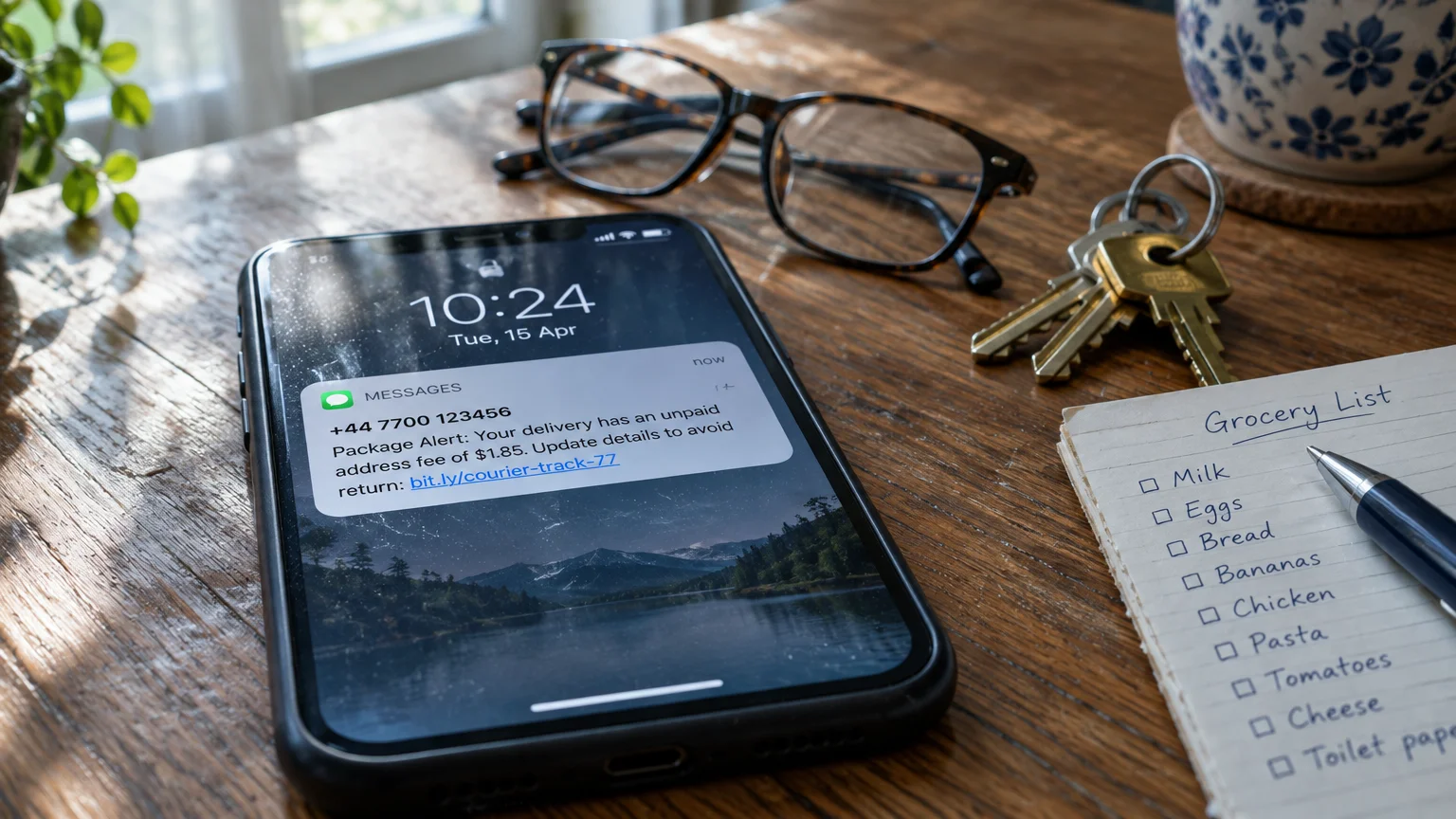
Holiday online shopping creates a steady flow of packages delivered to your front door. Cybercriminals exploit this seasonal traffic by sending fraudulent text messages and emails claiming a package delivery failed.
These messages direct you to click a link to reschedule delivery or pay an alleged redelivery fee. Entering your details exposes your credit card number and banking credentials to organized identity thieves.
The Federal Trade Commission warns that package tracking smishing scams peak between Thanksgiving and early December. Fraudsters use urgent phrasing to trick seniors into acting before verifying the sender.
Never click delivery tracking links sent from unknown phone numbers or email addresses. Check your delivery status by logging directly into the merchant’s official website where you made the purchase.

6. Fraudulent Deals on Social Media Platforms
Social media feeds frequently display advertisements featuring designer clothing, tools, or collectibles marked down by 80% or 90%. These polished advertisements direct users to sophisticated spoofed websites impersonating well-known department stores.
According to the FTC’s report to Congress, Protecting Older Consumers, social media remains the top pipeline scammers use to contact older adults. Fake retail storefronts capture payment information without ever delivering merchandise.
Adults aged 60 and older reported losing a record $3 billion to fraud in 2025, up from $600 million in 2020. The FTC estimates actual losses for older adults range between $13.3 billion and $119.5 billion annually.
When you see an enticing holiday advertisement on social media, leave the app immediately. Open a separate browser window and navigate to the retailer’s official website to confirm whether the sale exists.
7. Tech Support Pop-Ups Disguised as Shopping Alerts
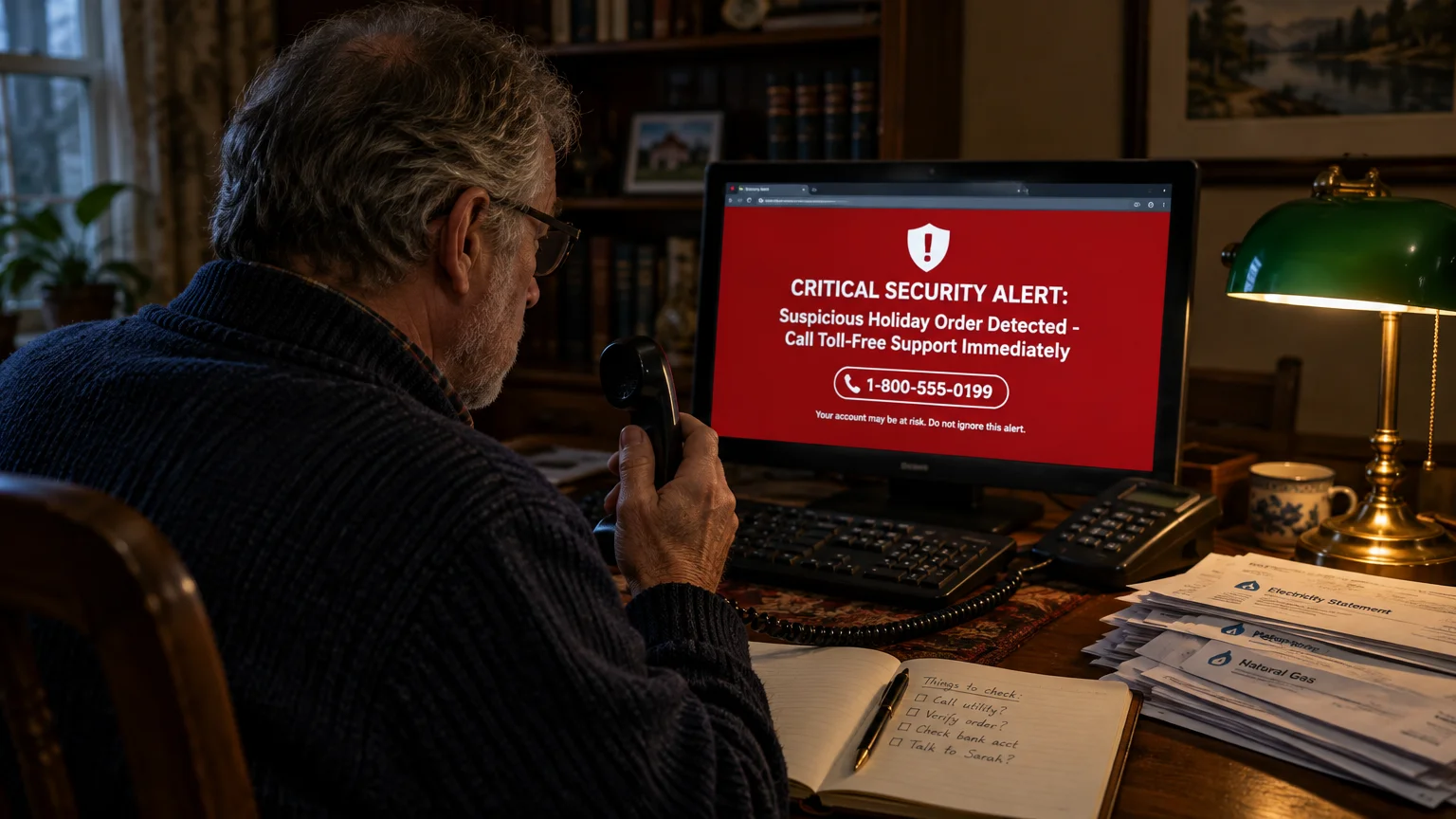
Browsing digital sales deals can trigger intrusive browser pop-up windows claiming your computer has caught a virus. These urgent alerts frequently mimic security software or technology companies like Microsoft and Apple.
The FTC reports that older adults are more than four times as likely as younger shoppers to lose money to tech support scams. Among victims aged 80 and older, the median individual loss is $2,000.
Deceptive warnings urge shoppers to call a toll-free customer service number immediately to protect their banking details. Rogue operators then demand remote computer access, draining bank accounts or charging bogus security fees.
Legitimate tech companies never display phone numbers in browser alerts or demand remote desktop access to clear malware. If your browser freezes, restart your device or close the program through your task manager.
8. Spending Anticipated COLA Increases Early
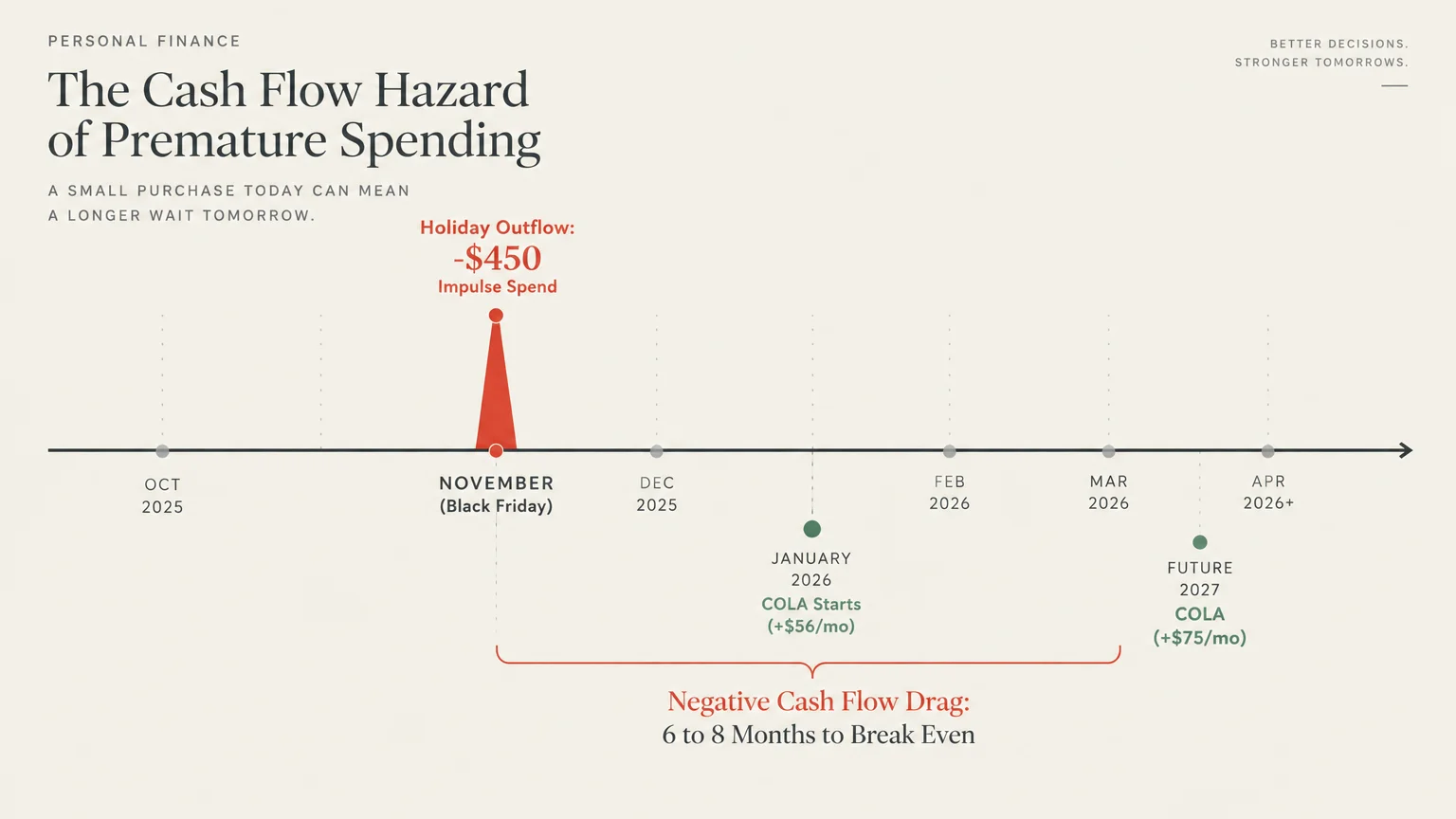
Retirees often justify larger holiday shopping budgets by anticipating their upcoming Social Security Cost-of-Living Adjustment. However, spending prospective benefit increases in November creates immediate personal cash flow problems.
The 2027 COLA increase of 3.6% will raise the average monthly retirement benefit from roughly $2,095 to $2,170. That extra $75 per month does not begin arriving until January payments disburse.
Spending future COLA funds during Black Friday leaves your checking account exposed in December. Holiday utility bills, winter property taxes, and home heating expenses frequently surge during the exact same period.
Part B Medicare premiums also adjust each January, often absorbing a portion of the gross COLA increase. Base your holiday spending strictly on your current available discretionary income, never future projections.
9. Truncated Return Windows and Restocking Fees
Shoppers often assume that standard 30-day or 90-day return windows apply to every item purchased on Black Friday. In reality, many major retailers enforce strict exceptions on door-buster merchandise and consumer electronics.
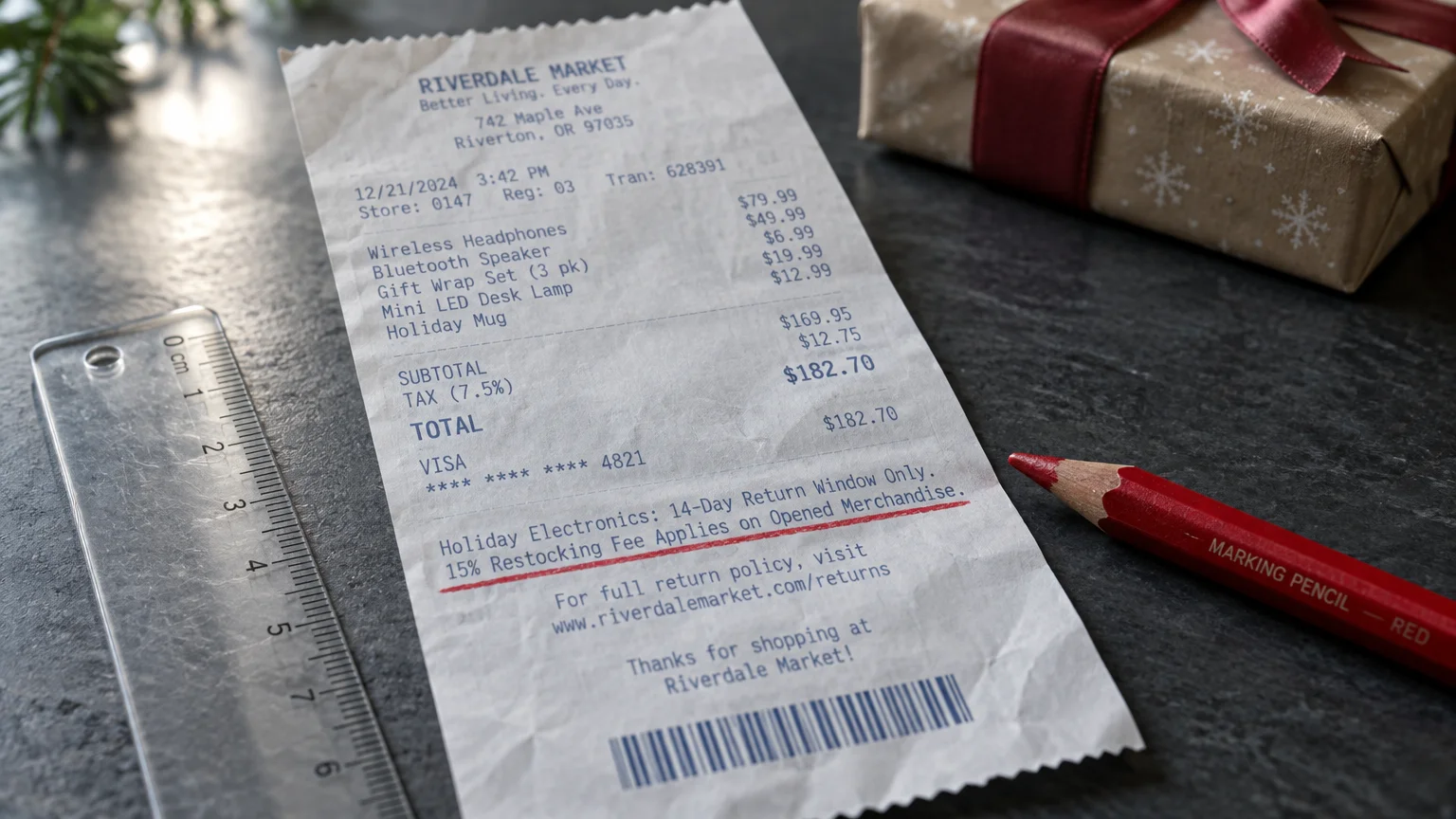
Some merchants shorten return deadlines on seasonal electronics to 14 days from the purchase date. If you purchase a gift on November 27, the return window expires weeks before Christmas morning.
Retailers also impose restocking fees ranging from 15% to 20% on opened tech products and home appliances. Returning a $500 tablet could cost you $100 just to place it back on the shelf.
Other doorbuster bargains carry “final sale” designations that prohibit returns, exchanges, or store credits entirely. Always demand a printed gift receipt and ask customer service for the explicit holiday return deadline.
10. Artificial Price Inflation Before “Steep Discounts”
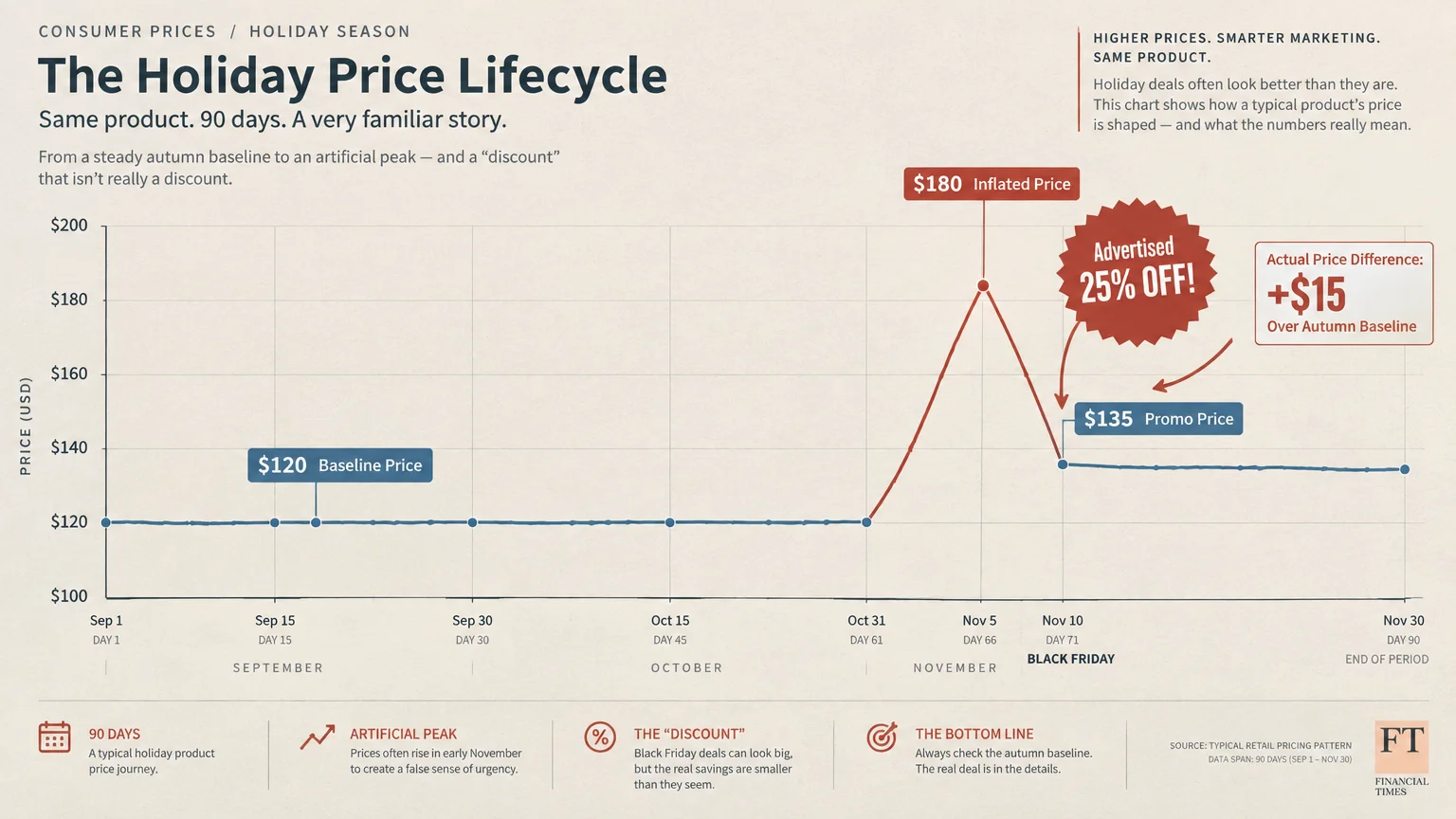
Black Friday circulars rely on bold graphics advertising discounts of 50%, 60%, or 70%. In many instances, retailers quietly raise original base prices in October before cutting them in late November.
An appliance listed at $600 marked down to $399 might look like an incredible holiday deal. However, that same appliance may have retailed for $399 throughout August and September.
This psychological pricing tactic creates an artificial sense of value that encourages impulse purchasing. Shoppers focus on the advertised percentage saved rather than the actual cash leaving their account.
Free price-tracking websites and browser tools allow you to view historical pricing data across major online retailers. Always evaluate purchases based on current market value rather than claimed discount percentages.
11. Tampered Physical Gift Cards on Open Racks
Gift cards remain one of the most practical holiday gifts for grandchildren and family members. Unfortunately, open retail display racks are a prime target for organized gift card draining operations.
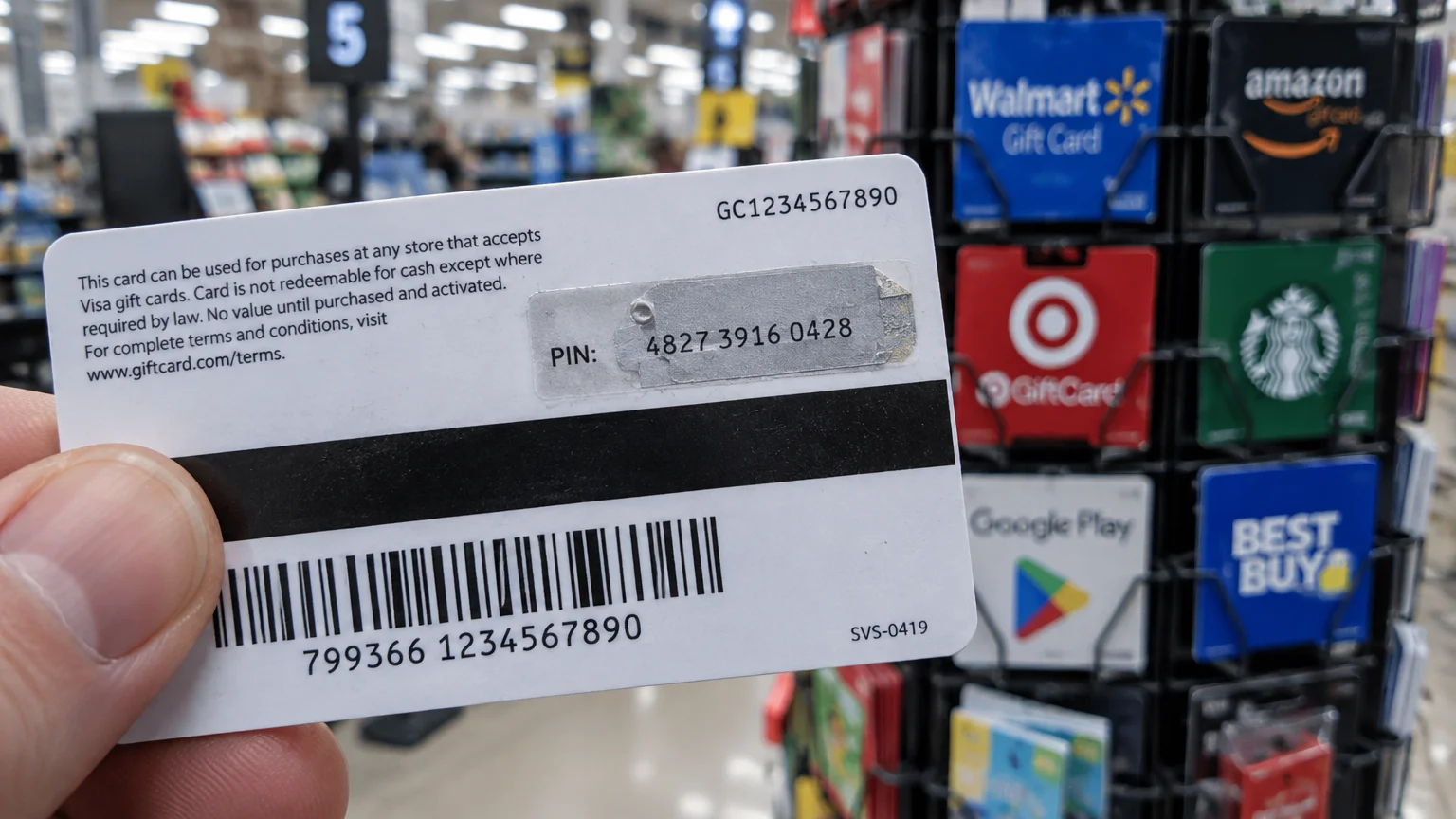
Thieves take unpurchased gift cards from public displays, record the card numbers, and peel back security stickers to copy the PIN. They replace the scratch-off film with counterfeit stickers and return the cards to store racks.
Computer software automatically tracks those card numbers until a cashier activates the balance at the cash register. Once activated, the thieves drain the card funds online before your recipient ever opens their envelope.
To avoid this trap, only buy gift cards stored behind customer service counters where the public cannot access them. Alternatively, purchase digital e-gift cards directly through the retailer’s official website.
12. Hidden Subscriptions Bundled with Hardware
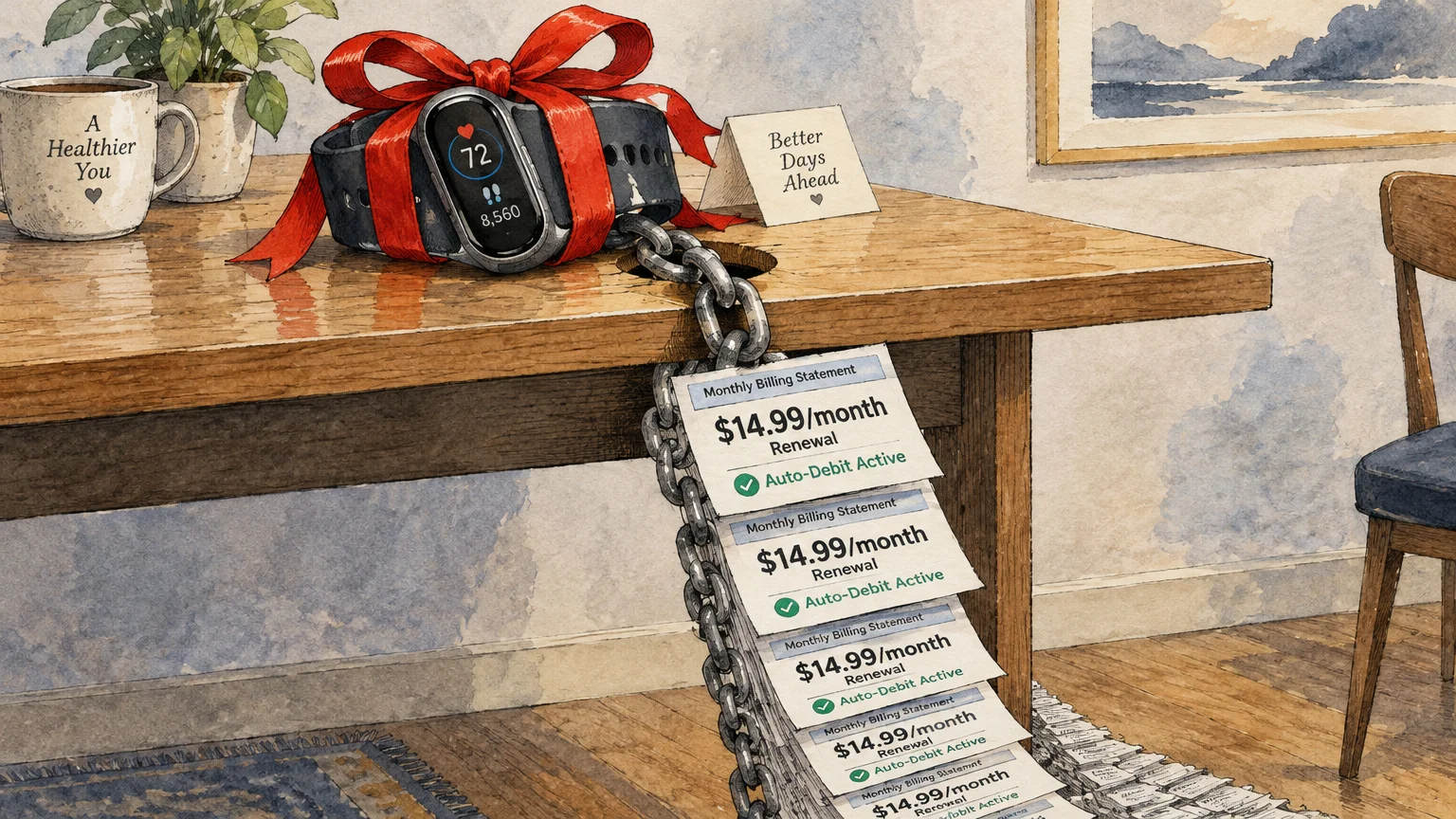
Modern holiday gifts—including digital photo frames, fitness trackers, and smart home gadgets—frequently include companion services. Many of these physical products require an active app subscription to function properly.
Setting up the device often requires providing credit card details for a 30-day free trial. Once that promotional trial concludes, the provider automatically charges an ongoing monthly or annual renewal fee.
Retirees giving these devices often unknowingly burden themselves or their loved ones with permanent monthly costs. These phantom subscription fees can drain bank accounts for months before anyone notices the charge.
Examine product packaging carefully before buying to verify whether ongoing subscription plans are mandatory. Avoid gifts that lock your recipient into monthly service fees to maintain basic product features.
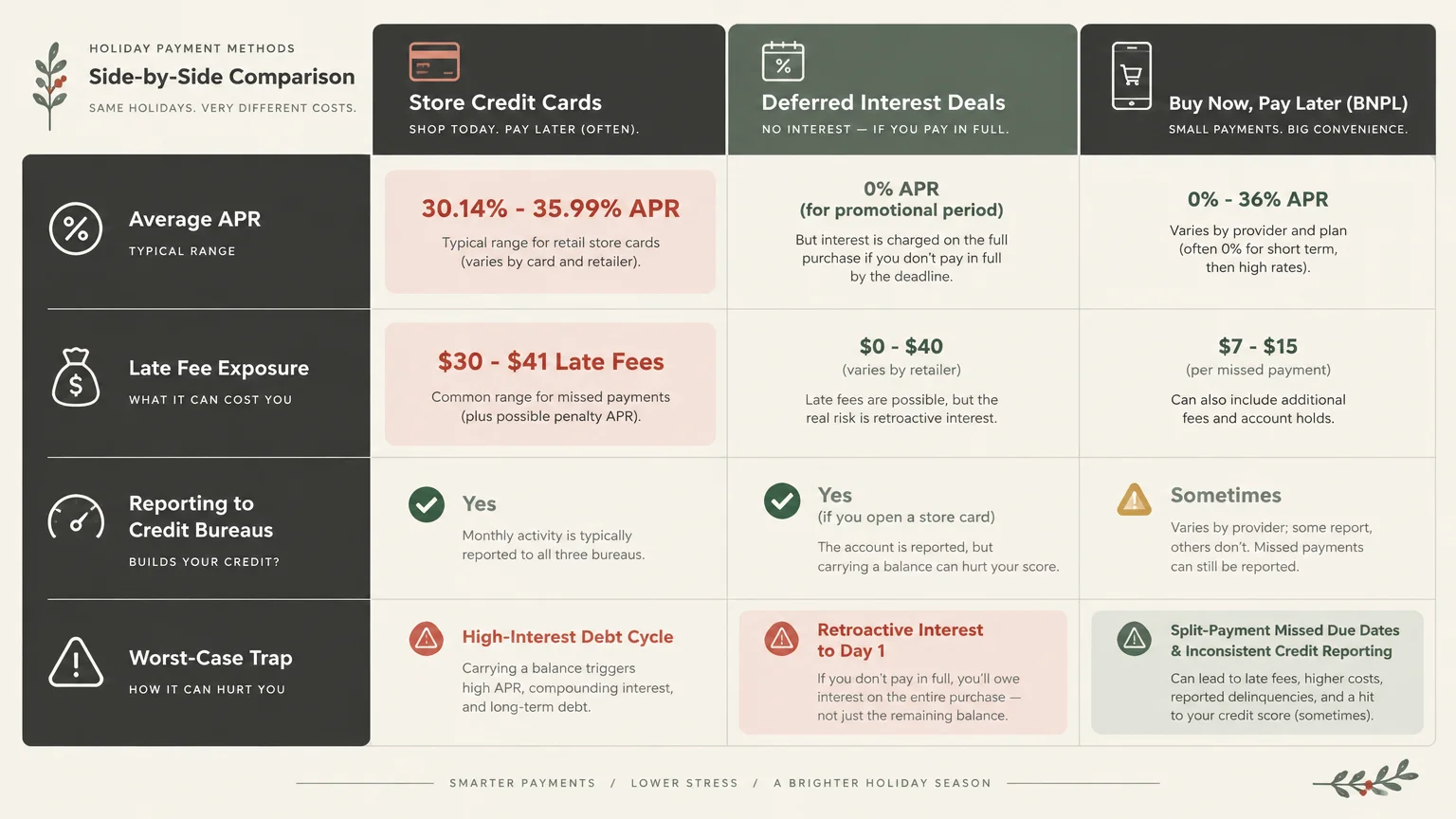
Comparing Payment Traps: Credit, BNPL, and Store Cards
How you pay for Black Friday purchases matters just as much as what you buy. Retailers promote financing products that introduce serious borrowing risks for fixed-income households.
Review this comparison table before agreeing to alternative payment plans or new store credit lines at checkout:
| Payment Method | Average Interest Rate / Cost | Primary Financial Risk | Federal Dispute Protections |
|---|---|---|---|
| Store Retail Credit Card | 30.14% (Average APR; can reach 35.99%) | Exorbitant interest charges if not paid immediately; $30-$41 late fees. | Standard Truth in Lending Act protections apply. |
| Deferred-Interest Financing | 0% intro, jumps to 28%-32% retroactive APR | Leaving a small balance triggers interest back to day one. | Dispute rights exist, but terms heavily favor lenders. |
| Buy Now, Pay Later (BNPL) | 0% standard; late fees vary by provider | Multiple overlapping payments cause checking account overdrafts. | No guaranteed federal credit card dispute rights. |
| Standard Personal Credit Card | 19.70% (Bankrate national average) | Carrying balances into the new year erodes monthly cash flow. | Strong federal billing dispute and fraud protections. |

Common Mistakes to Avoid While Holiday Shopping
Steering clear of retail traps requires conscious discipline when browsing Black Friday circulars and store aisles. Here are four common mistakes retirees should avoid this shopping season:
- Using debit cards for online purchases: Debit transactions deduct money directly from your checking account, exposing your living expenses to fraud. Always use a standard credit card online to preserve chargeback rights and fraud liability limits.
- Shopping on public Wi-Fi networks: Unsecured networks at malls and coffee shops allow hackers to intercept login details and payment data. Complete your shopping transactions from a secure, password-protected home internet connection.
- Reacting to manufactured urgency counters: Websites frequently display ticking countdown timers and low-stock alerts designed to prompt hasty impulse purchases. Step away from your computer for twenty minutes before finalizing unexpected buys.
- Losing track of multiple financing installments: Taking on multiple small BNPL loans creates confusion over payment schedules. Keep a written list of every holiday purchase and total payment commitment to avoid missed deadlines.

Getting Expert Input on Retirement Cash Flow
Holiday shopping decisions should never compromise your overall retirement solvency. If you feel pressure to support family gift expectations, consulting a qualified professional provides objective financial clarity.
A fee-only financial planner can help you establish a dedicated annual holiday fund within your broader cash distribution plan. This structure ensures seasonal spending never disrupts your essential living reserves.
If you have already accumulated high-interest retail card debt, credit counselors certified by the National Foundation for Credit Counseling offer structured repayment guidance. They negotiate lower interest rates without requiring expensive consolidation loans.
For estate or substantial gifting matters, an elder law attorney or tax professional helps clarify annual gift tax reporting exclusions. Professional input protects your retirement assets while maintaining healthy financial boundaries with loved ones.
Frequently Asked Questions
Is Black Friday or Cyber Monday better for retiree shoppers?
Neither day is universally better; retailers spread deals across both events. Cyber Monday often yields better savings on clothing and small electronics, while Black Friday offers larger appliance discounts.
What should I do if I suspect an online Black Friday purchase was a scam?
Contact your credit card issuer immediately to report the unauthorized charge and request a replacement card. You should also file an official fraud report through the Federal Trade Commission at ReportFraud.ftc.gov.
Are store credit cards ever worth the register discount for retirees?
Store cards are only sensible if you have the funds to pay the balance in full immediately and regularly shop there. Otherwise, average APRs exceeding 30% wipe out any initial discount.
How do I verify whether a holiday discount is genuine?
Use independent price-tracking websites and browser extensions to review the item’s historical pricing. Comparing prices across several competing retail websites confirms whether the markdown is authentic or manufactured.
Navigating holiday sales successfully requires patience and a firm commitment to protecting your retirement savings. Avoiding high-interest store cards, manufactured discounts, and digital scams ensures your holidays remain joyful and financially secure.
This is general informational content based on widely accepted guidance. Individual results vary. Verify current details—rules, prices, eligibility, regulations—with official sources before making important decisions.
Last updated: October 2026. Rules, prices, and details change—verify current information with official sources before acting on it.







Leave a Reply