
You can reduce your prescription medication expenses immediately without compromising the quality of your healthcare. Simple shopping techniques and federal protections make high drug costs manageable.
Most consumers assume their insurance copay automatically secures the lowest pharmacy price. In practice, retail markups and opaque pricing tiers often mean cash prices beat insurance rates.
Learning how to navigate digital pharmacies, discount programs, and tax accounts puts money back into your budget. Here are eight concrete strategies to lower your prescription costs today.
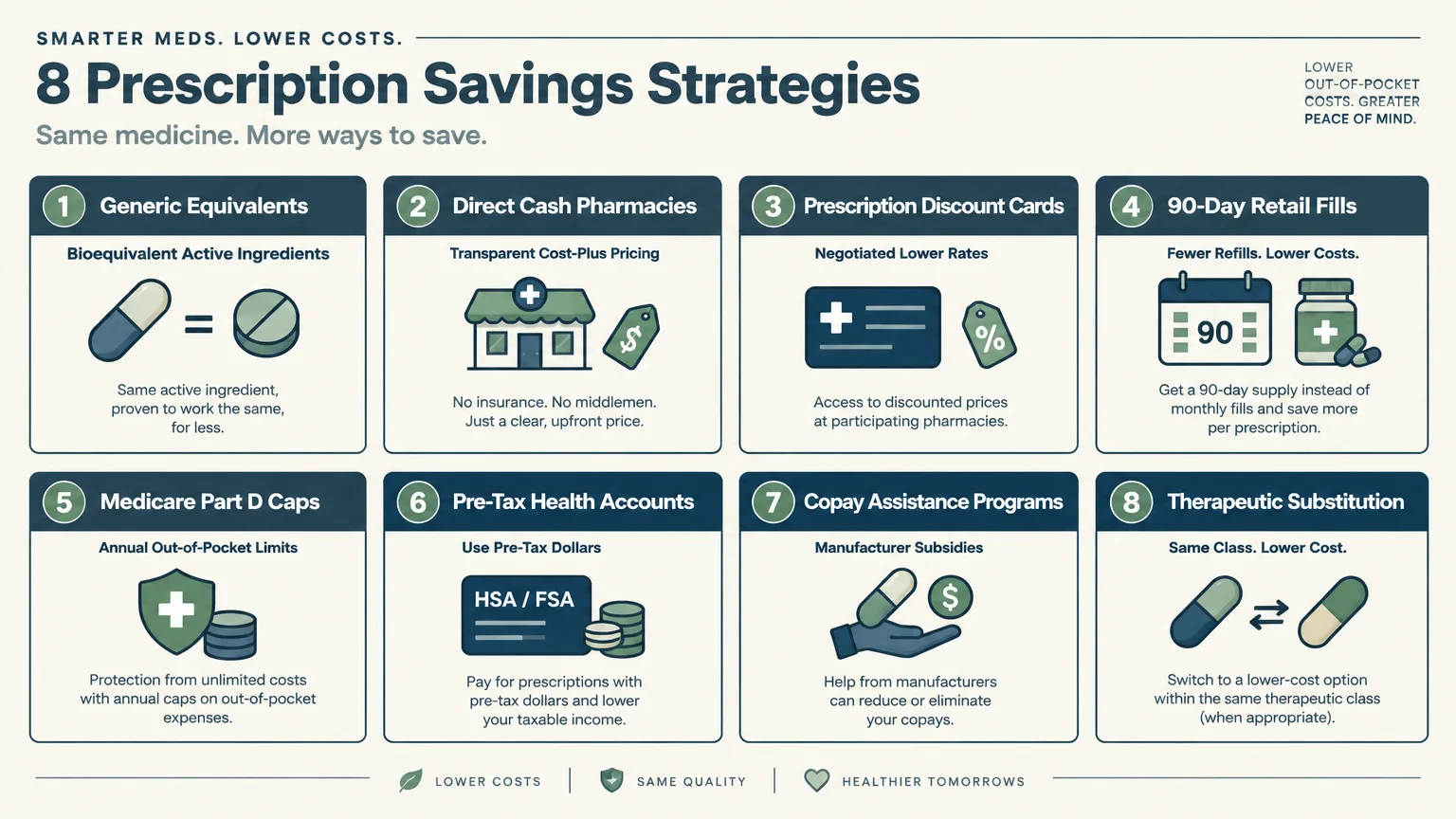
At a Glance: Practical Drug Savings Strategies
Prescription prices vary widely between pharmacies, insurance formularies, and direct-to-consumer suppliers. You have multiple avenues to cut costs depending on your coverage type.
The table below summarizes the core options for lowering your medication expenses.
| Savings Method | Primary Mechanism | Best Used For | Key Limitation |
|---|---|---|---|
| Generic Equivalents | FDA-approved bioequivalent active ingredients | Routine maintenance medications | Not yet available for newer brand-name drugs |
| Direct Cash Pharmacies | Transparent cost-plus pricing bypassing pharmacy middlemen | Uninsured patients or high-deductible plans | Cash purchases do not count toward deductibles |
| Prescription Discount Cards | Negotiated cash discount rates at retail chains | Medications excluded from your formulary | Cannot combine discounts with insurance coverage |
| 90-Day Retail Fills | Bulk dispensing and retail value tiers | Stable, long-term chronic treatments | Requires doctor approval for 90-day quantities |
| Medicare Part D Caps | Federal out-of-pocket spending limits | Seniors and Medicare-eligible beneficiaries | Applies exclusively to Medicare-covered prescriptions |
| Pre-Tax Health Accounts | HSA and FSA pre-tax payroll contributions | Any qualified out-of-pocket pharmacy expense | Requires qualifying health plan enrollment |
| Copay Assistance Programs | Manufacturer subsidies and non-profit grants | High-cost specialty brand medications | Federal health programs are legally excluded |
| Therapeutic Substitution | Switching to lower-cost drugs in the same medical class | Costly brands with cheaper clinical peers | Requires physician consultation and a new prescription |
1. Request Generic Equivalents and Biosimilars
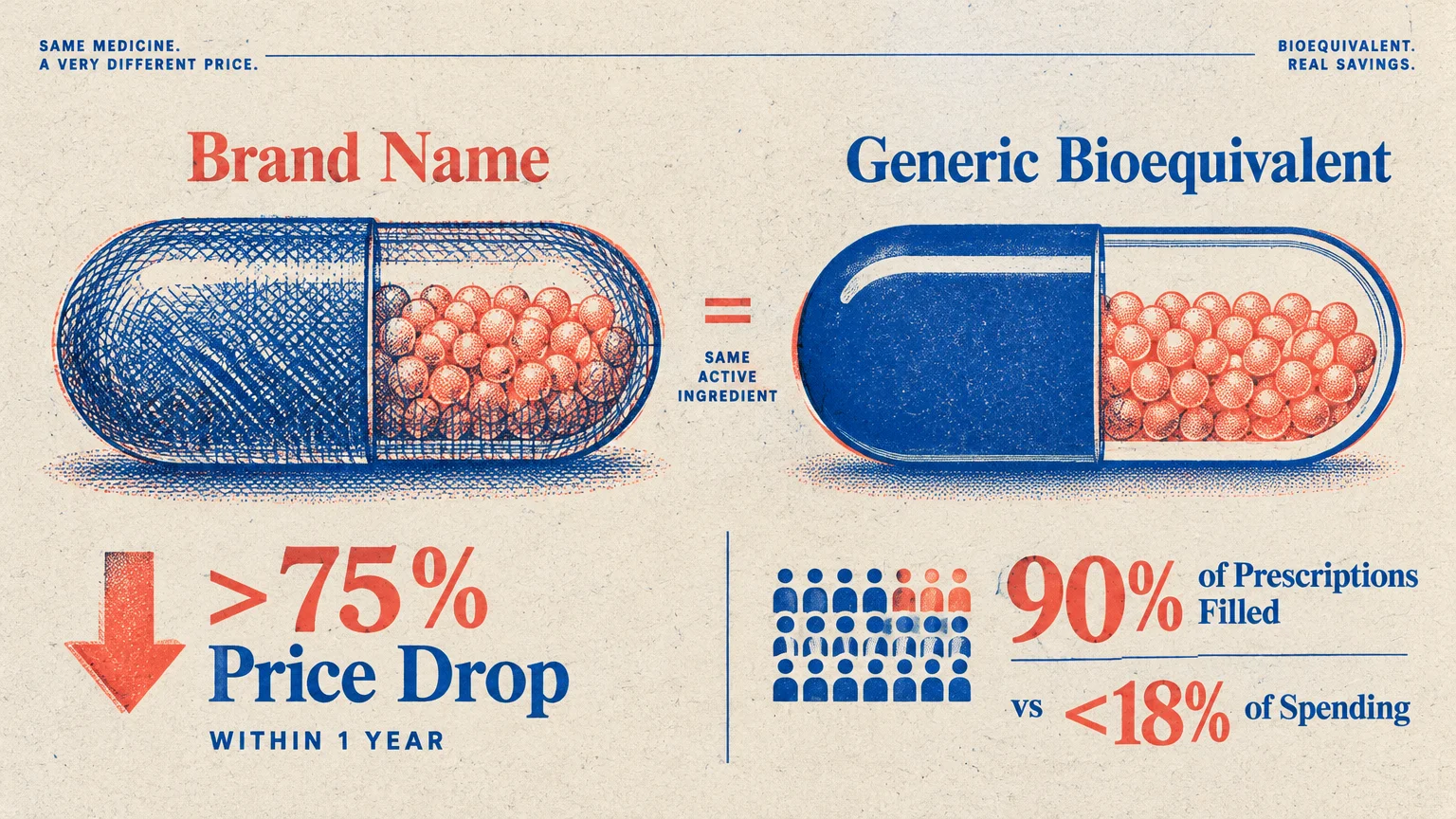
Generic medications represent the easiest way to lower drug costs without changing your treatment outcome. They contain the identical active ingredient, strength, dosage form, and route of administration as their brand-name counterparts.
According to the U.S. Food and Drug Administration (FDA), generic drugs undergo rigorous review to ensure quality and clinical bioequivalence. They provide the same therapeutic benefits as brand drugs.
Market competition drives these price drops. FDA data reveals that prescription prices fall by more than 75% within a single year of a first generic entering the market.
The overall volume of generic use reflects their value. Generic and biosimilar drugs account for over 90% of all prescriptions filled in the United States, yet they represent less than 18% of total prescription drug spending.
The difference in out-of-pocket costs at the pharmacy counter remains stark. Roughly 93% of generic drugs carry insurance copays under $20, with an average copay of $6.16.
Brand-name medications tell a far different story. The average insurance copay for a brand-name drug stands at $56.12, nearly ten times higher than the generic average.
Whenever your doctor writes a new prescription, ask if an FDA-approved generic exists. If you take a specialty biologic, ask your physician about biosimilar alternatives that offer comparable results at lower prices.

2. Bypass Insurance with Direct Cash Pharmacies
Using your health insurance does not guarantee you receive the best retail price. Pharmacy benefit managers and retail chains often add substantial markups that exceed the wholesale acquisition cost of the medicine.
Direct-to-consumer online pharmacies bypass traditional insurance administrative hurdles entirely. These platforms negotiate straight with manufacturers to sell generic medications directly to consumers at transparent prices.
The Mark Cuban Cost Plus Drug Company operates on a straightforward transparent model. The company charges the wholesale acquisition cost plus a flat 15% markup, alongside nominal pharmacy dispensing and shipping fees.
This transparent model frequently beats commercial copays on maintenance medications for chronic conditions. You simply pay out of pocket without billing your health plan.
Amazon Pharmacy provides another cash-friendly alternative for routine medications. Amazon Prime members paying $139 per year or $14.99 per month can subscribe to RxPass for a flat $5 per month.
RxPass grants eligible subscribers unlimited fills and free home delivery for common generic medications included on its formulary list. That single flat fee covers all eligible prescriptions each month.
Healthcare technology is evolving to make these price comparisons automatic during medical visits. Electronic health records developer Epic partnered with Amazon Pharmacy, Cost Plus Drugs, Costco, and LillyDirect to build the Prescription Marketplace.
Slated to launch in summer 2027, this tool will let doctors and patients review insurance copays alongside cash prices before sending a prescription. Until then, check these websites manually before filling your orders.
3. Compare Cash Prices Using Discount Cards
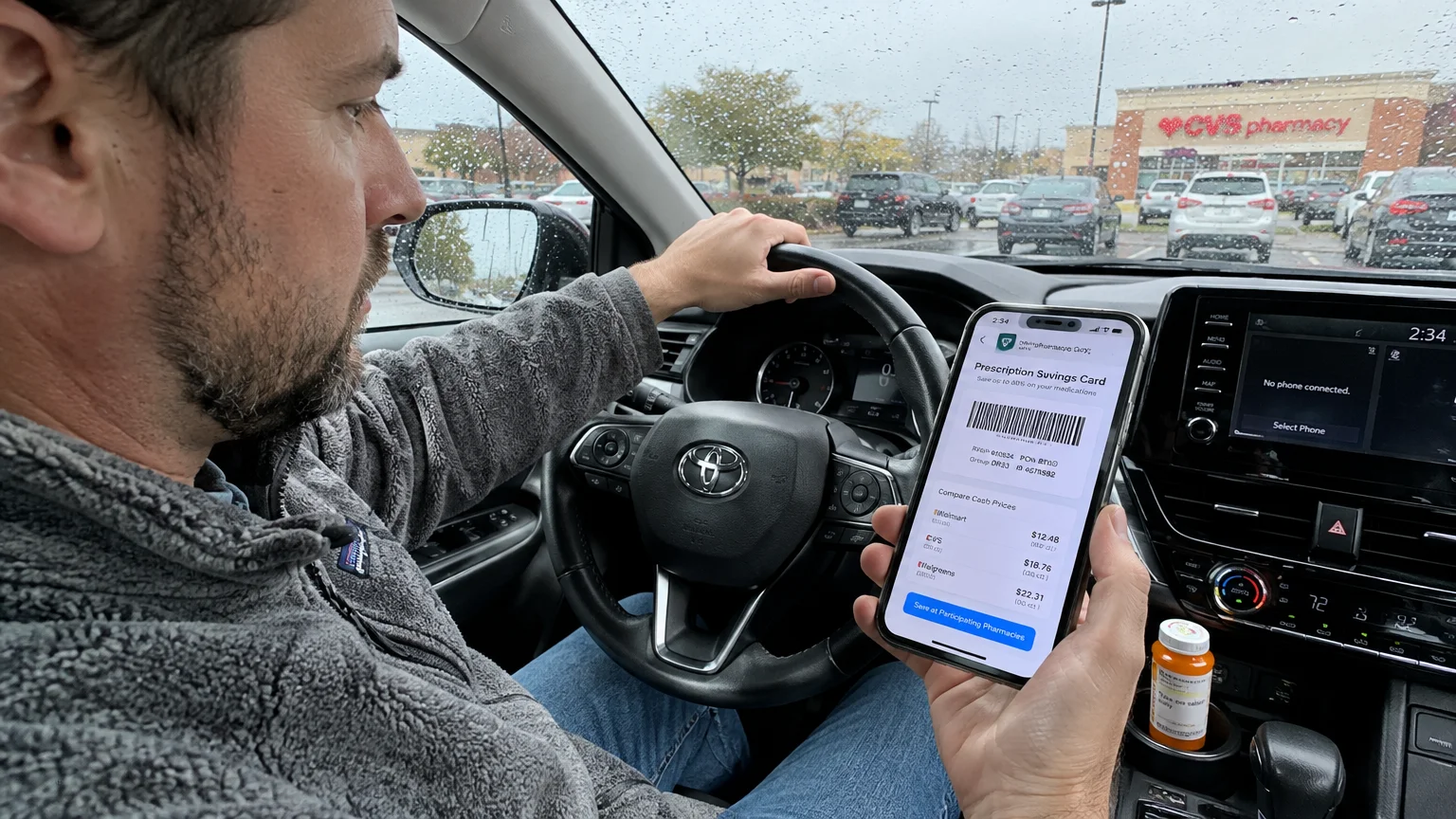
Free prescription discount programs leverage collective buying power to negotiate lower cash prices at retail pharmacies nationwide. These programs provide vital relief if you lack insurance or take medications excluded from your plan formulary.
GoodRx operates one of the most widely used platforms in this space. Its free mobile app and discount card advertise savings of up to 80% on retail prices across more than 70,000 U.S. pharmacies.
You can search for your specific dosage and compare cash rates across competing neighborhood pharmacies. Prices often vary by dozens of dollars between grocery pharmacies and standalone chains located on the same block.
For individuals with complex medical regimens, premium discount subscriptions can yield deeper cuts. The GoodRx Gold subscription program costs $9.99 per month or $89.99 per year for an individual plan.
GoodRx Gold also offers a family plan for $19.99 per month or $179.99 per year. That family membership covers up to six participants, including household pets, and delivers prescription discounts up to 90% alongside discounted telehealth visits.
You must understand one essential rule when using discount cards at the counter. You cannot combine discount cards with your private health insurance or Medicare coverage on the same transaction.
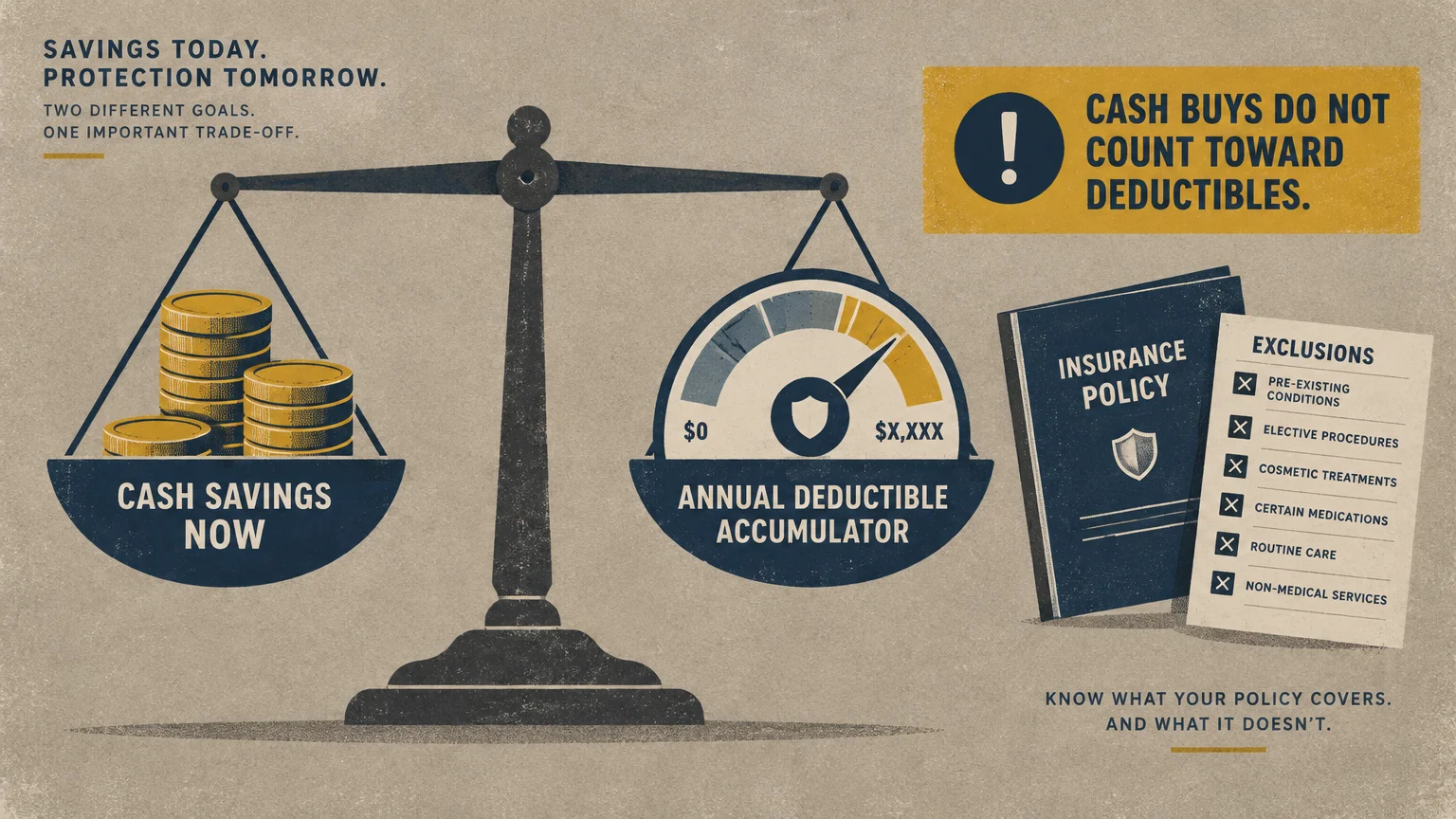
When you present a discount card, the pharmacy processes the purchase as a pure cash transaction. The money you spend does not count toward your annual health insurance deductible or out-of-pocket maximum.
If you have already met your annual deductible, your insurance plan will almost certainly offer the lowest copay. If you have a high deductible you never expect to meet, discount cards frequently beat insurance rates.
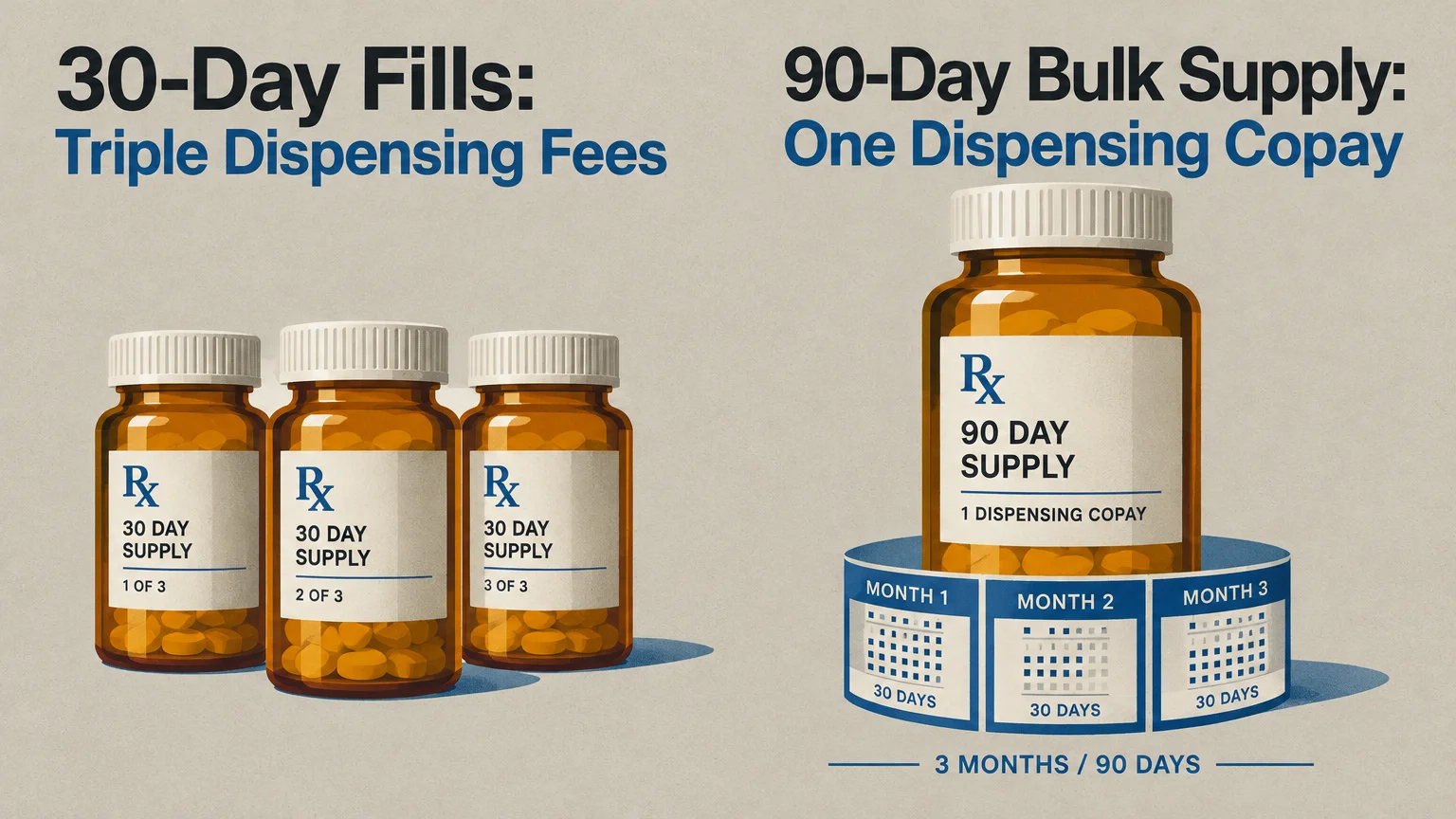
4. Fill 90-Day Supplies and Retail Value Tiers
Ordering maintenance medications in 30-day increments costs you extra money in repeated copays and dispensing fees. Switching to 90-day supplies for ongoing conditions reduces administrative overhead and lowers your overall costs.
Most commercial insurance policies and Medicare Part D plans incentivize 90-day fills. Many plans charge two monthly copay amounts for a three-month supply, effectively providing the third month free.
You can also access low-cost generic retail programs without using any insurance coverage. Several major supermarket and retail pharmacy chains maintain special discount lists for high-volume maintenance generics.
The Walmart $4 Prescriptions program remains a prominent option for cash-paying consumers. This program requires no paid membership and operates independently of your health insurance status.
Walmart offers select generic medications at $4 for a 30-day supply and $10 for a 90-day supply. Higher generic dosage tiers under the program generally range from $9 to $24, though the program excludes North Dakota locations.
These retail generic lists cover dozens of medications for blood pressure, diabetes, cholesterol, and mental health. Ask your pharmacist for their store value list before paying higher retail copays.
Look into your health insurer’s preferred mail-order pharmacy as well. Mail-order pharmacies regularly deliver 90-day maintenance supplies directly to your doorstep with waived shipping costs and discounted copays.
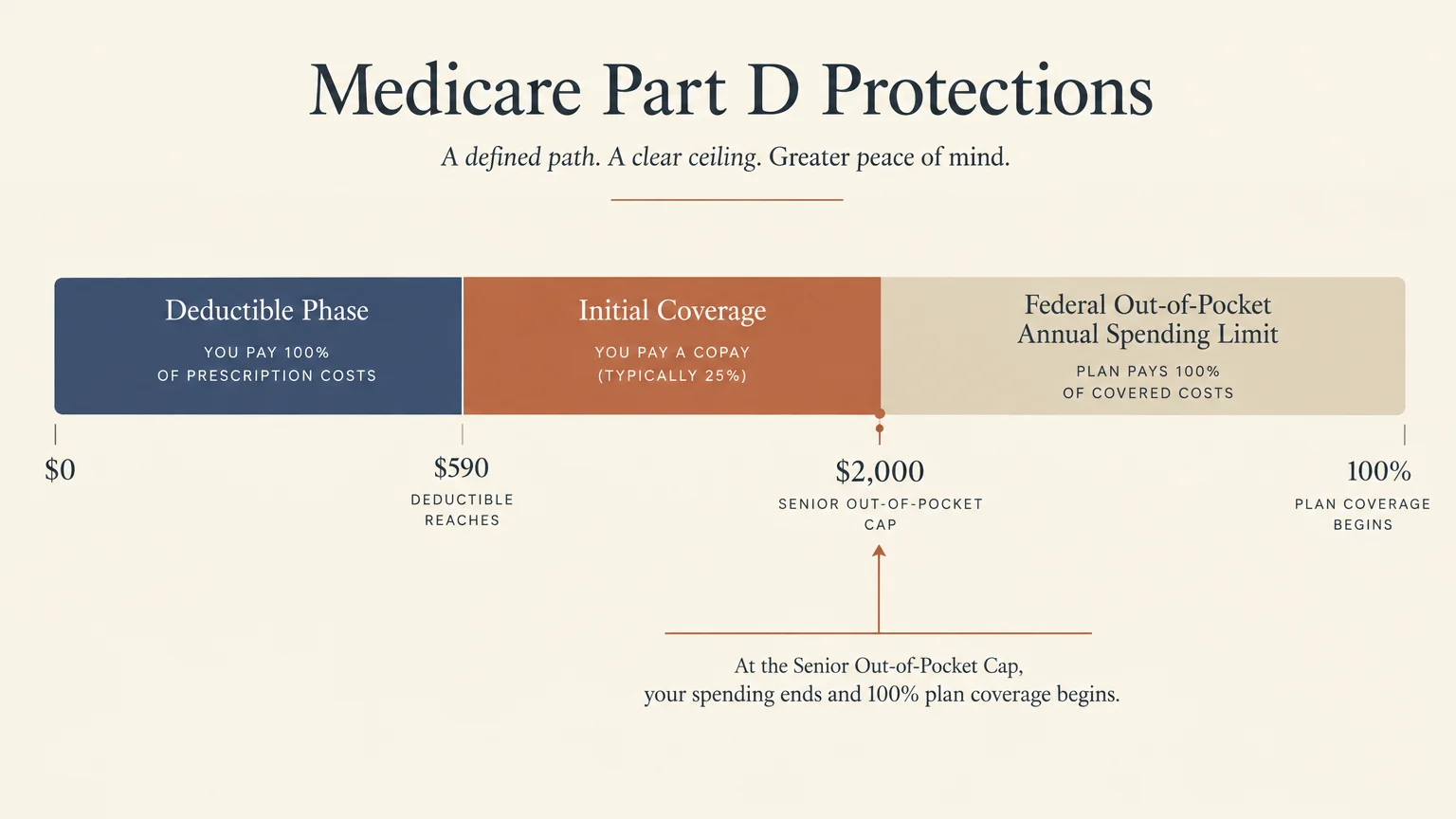
5. Take Advantage of Expanded Medicare Part D Protections
Federal reforms under the Inflation Reduction Act have reshaped prescription affordability for Medicare beneficiaries. These provisions place hard financial caps on what older Americans spend for their medications.
The annual out-of-pocket spending cap for covered Part D prescription drugs stands at $2,100, up from $2,000 in 2025. This threshold is scheduled to rise to $2,400 in 2027.
According to official rules from Medicare.gov, once you reach that out-of-pocket cap, you pay $0 for covered Part D drugs for the remainder of the calendar year. The dreaded coverage gap known as the donut hole remains permanently eliminated.
Other baseline Medicare figures establish clear structural parameters for enrollees. The maximum allowable Part D deductible is $615, rising to $700 in 2027, while the national base beneficiary premium is $38.99 per month.
Insulin costs receive dedicated federal protection under Part D. Beneficiaries pay a capped price of no more than $35 per month for each covered insulin product, or 25% of the Maximum Fair Price, with no deductible required.
Medicare enrollees can also opt into the Medicare Prescription Payment Plan. This voluntary program spreads your out-of-pocket prescription expenses into predictable, capped monthly payments across the calendar year instead of requiring large lump sums at the pharmacy counter.
Direct federal price negotiations are actively lowering the cost of major brand-name treatments. Maximum Fair Prices for ten high-cost Part D drugs, including Eliquis, Jardiance, Xarelto, and Januvia, cut 2023 list prices by 38% to 79%.
Federal price negotiation expands further in the coming years. Negotiated prices for the next 15 Part D medications, including blockbuster treatments like Ozempic and Wegovy, take effect on January 1, 2027.
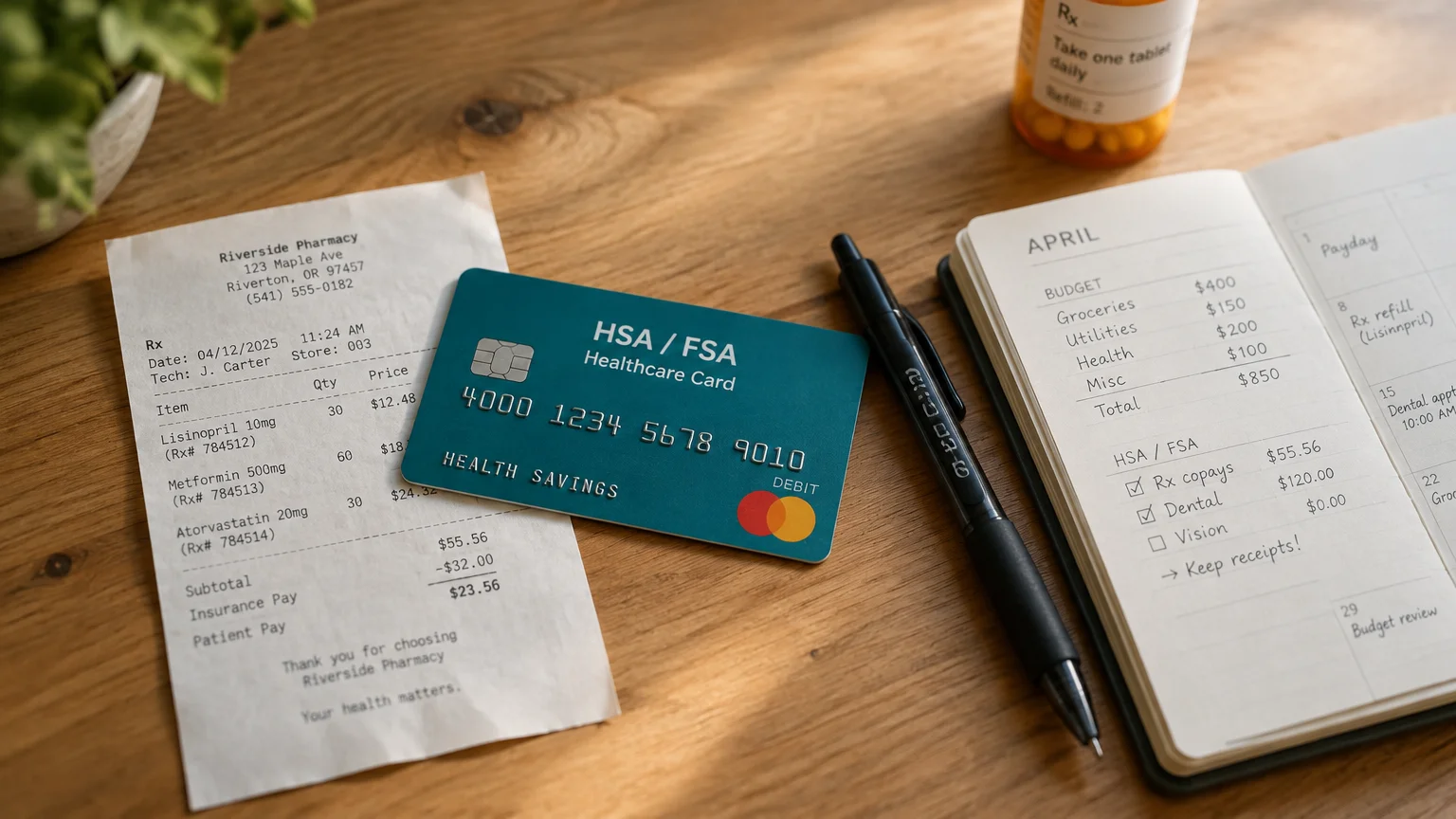
6. Pay with Tax-Advantaged Health Accounts
Using tax-advantaged accounts provides an immediate financial discount on your out-of-pocket medication costs. Spending pre-tax dollars reduces your effective purchase price by your marginal income tax rate.
Health Savings Accounts (HSAs) offer an exceptional three-part tax shelter for eligible consumers. You contribute pre-tax earnings, your investments grow tax-free, and withdrawals remain completely tax-free when used for qualified medical expenses.
To qualify for an HSA, you must enroll in an HSA-qualified High-Deductible Health Plan (HDHP). For eligible plans, the statutory minimum annual deductible is $1,700 for self-only coverage and $3,400 for family coverage.
According to the IRS, annual HSA contribution limits allow up to $4,400 for self-only coverage and $8,750 for family coverage. For 2027, those limits rise to $4,500 for self-only and $9,000 for family coverage.
Individuals aged 55 and older can make an additional catch-up contribution of $1,000 per year. HSA balances roll over indefinitely from year to year, allowing you to build a dedicated prescription nest egg.
Healthcare Flexible Spending Accounts (FSAs) provide similar pre-tax advantages through employer-sponsored benefits. The IRS contribution limit for a Health Care FSA is $3,400, with an allowable unused carryover limit of $680 into the subsequent plan year.
You can use HSA and FSA debit cards directly at the pharmacy counter for all prescription copays and approved cash purchases. Paying with pre-tax income preserves your household budget while settling required medical bills.
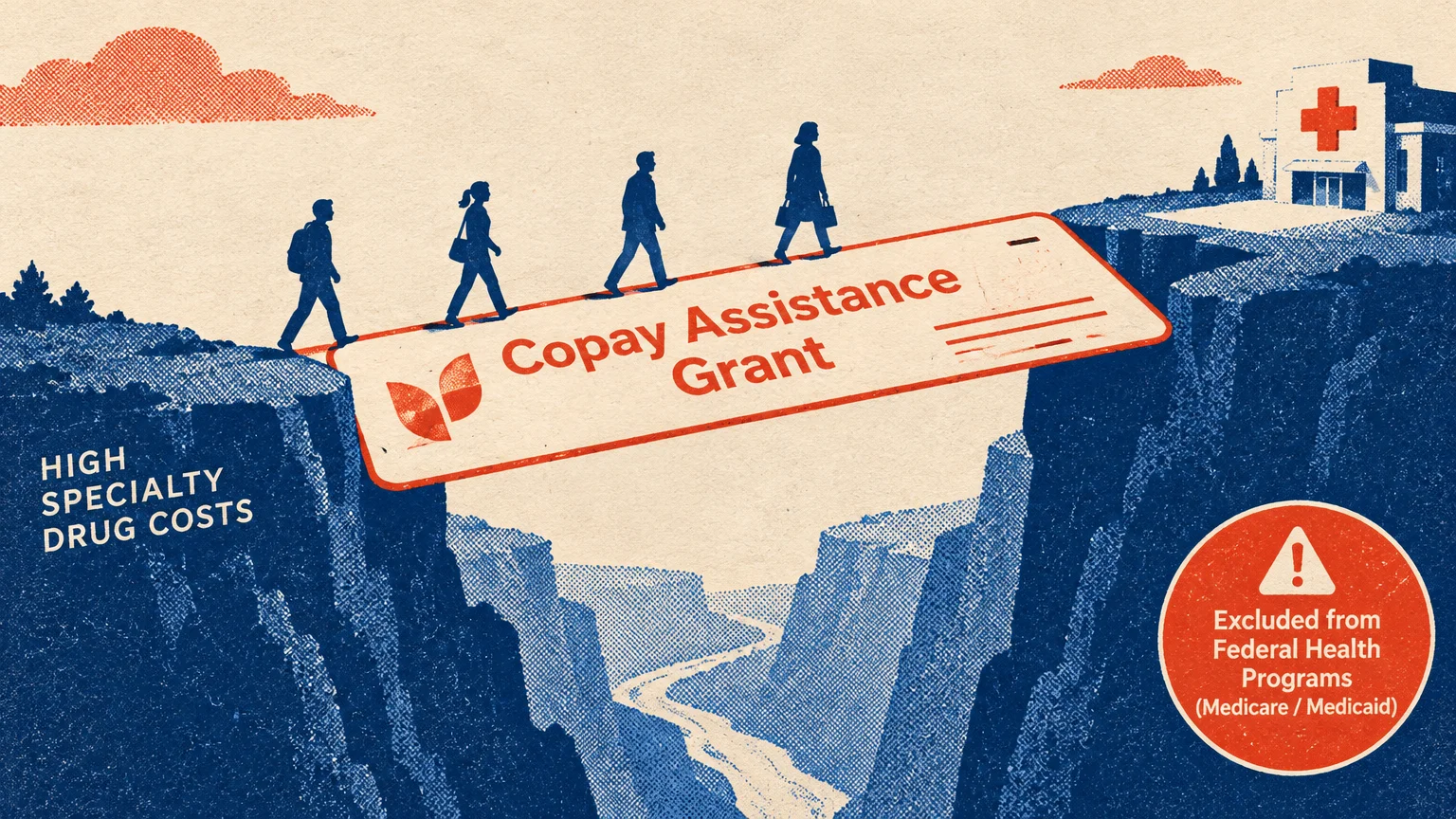
7. Tap Manufacturer Copay Cards and Assistance Programs
Brand-name medications without generic equivalents often carry daunting price tags. Pharmaceutical companies offer financial assistance pathways that significantly reduce these costs for eligible patients.
Manufacturer copay cards provide immediate commercial relief for expensive brand drugs. Drugmakers issue these digital savings cards to offset your insurance deductible and monthly coinsurance requirements.
These copay cards can lower your out-of-pocket payment to minimal amounts for qualifying specialty drugs. You can search the medication brand website to locate and download available copay assistance cards.
Federal regulations strictly limit who can use manufacturer copay coupons. Federal anti-kickback statutes prohibit using manufacturer copay cards alongside Medicare, Medicaid, or any other government-funded health program.
Uninsured and underinsured individuals can turn to Patient Assistance Programs (PAPs). These independent non-profit foundations and manufacturer-funded charities provide free or deeply discounted medications to patients who meet specific income guidelines.
Charitable foundations often assist Medicare beneficiaries who are legally barred from standard copay cards. Patient advocacy organizations and hospital financial counselors can help you submit PAP applications and verify eligibility.
8. Discuss Therapeutic Alternatives and Pill Splitting
Direct communication with your healthcare provider can uncover hidden pharmaceutical savings. Prescribers frequently default to familiar brand names when equally effective, lower-cost options exist in the same therapeutic class.
Therapeutic alternatives are chemically distinct medications that produce the same clinical effect as more expensive drugs. If a prescribed brand drug has no direct generic equivalent, an older generic in the same drug family might treat your condition just as effectively.
Ask your physician if an alternative medication within the same class could meet your medical needs. Switching from an exclusive brand-name drug to a proven therapeutic class peer can cut monthly expenses substantially.
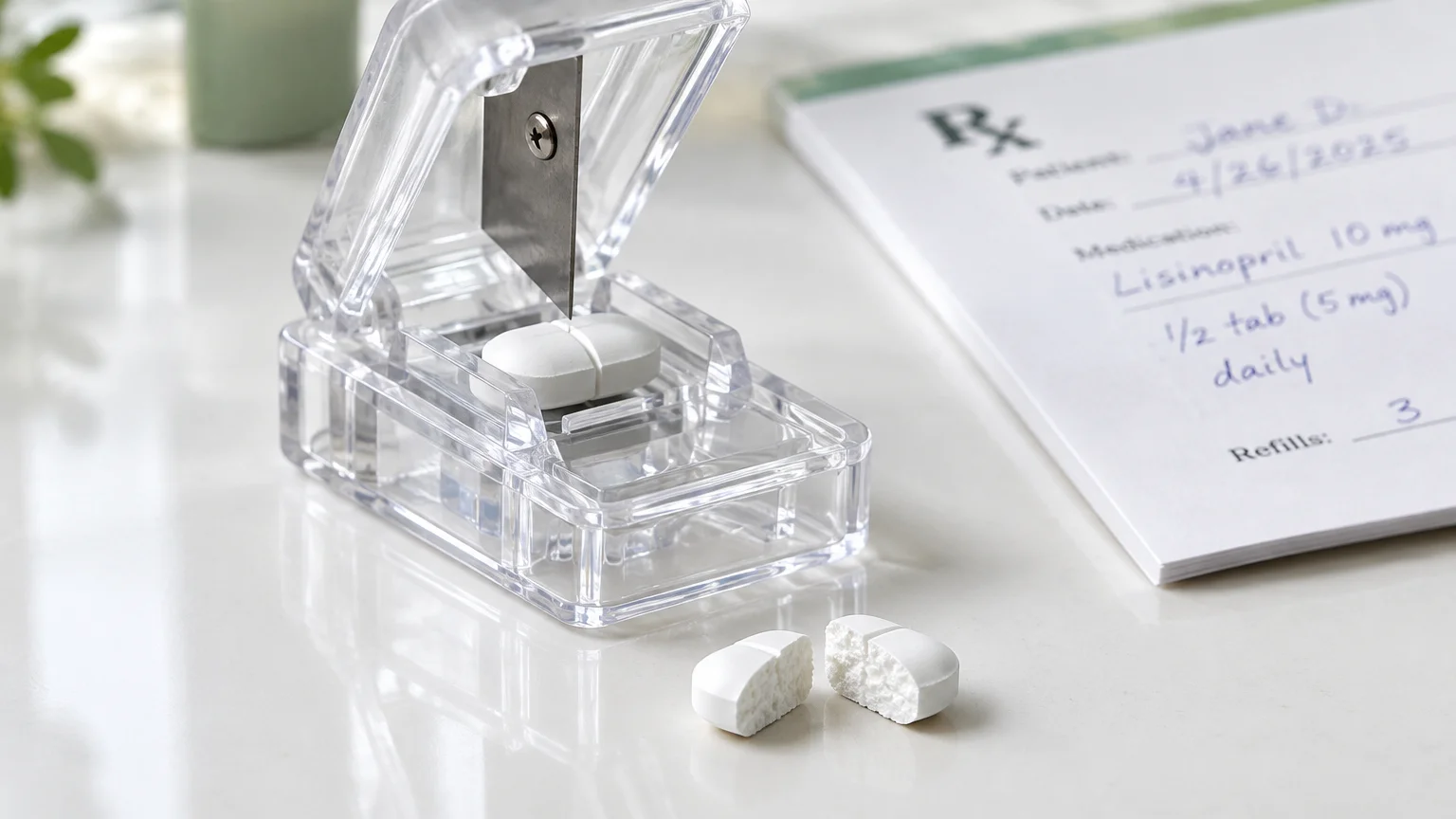
Pill splitting represents another practical technique to reduce medication costs with your doctor’s supervision. Pharmaceutical companies frequently price double-strength tablets at virtually the same retail price as lower-strength tablets.
If your doctor prescribes a 20-milligram daily dose, they might write a prescription for 40-milligram tablets instead. You then use an inexpensive pill cutter to split each tablet in half, effectively doubling your medication supply for the same copay.
You must practice pill splitting safely and only with medical approval. Never split extended-release tablets, capsules, or enteric-coated medications, as altering the pill structure can cause dangerous rapid drug absorption.
Only split tablets that feature a manufactured score line down the center. Always confirm with your dispensing pharmacist that your specific tablet remains chemically stable and safe to divide.
Worth Keeping in Mind
Pursuing lower prescription costs requires careful attention to health plan mechanics and safety rules. Implementing savings strategies without checking the underlying details can lead to unexpected expenses or health complications.
- Deductible accumulation gaps: Paying cash through discount cards or direct pharmacies saves money immediately, but that spending does not count toward your insurance deductible or out-of-pocket maximum. If you anticipate high hospital or medical costs later in the year, bypassing insurance could delay meeting your annual coverage thresholds.
- Annual formulary churn: Health insurance plans and Medicare Part D carriers update their approved drug formularies every year. A medication placed in a low copay tier this year might move to a higher tier or lose coverage entirely next January. Always review your plan’s Annual Notice of Change each autumn.
- Pill splitting hazards: Dividing the wrong medication can destroy its time-release mechanism and cause an accidental overdose. Never split capsules, chemotherapy agents, or non-scored tablets. Confirm every splitting plan directly with your pharmacist before cutting your pills.
- Unverified online pharmacy scams: Counterfeit medication websites exploit consumers searching for affordable prescriptions. Only order from digital pharmacies accredited through the National Association of Boards of Pharmacy Digital Pharmacy program or state licensing boards. Avoid any online vendor that offers to sell prescription medication without requiring a valid doctor’s prescription.

When to Get Professional Help
Managing medication affordability occasionally demands specialized clinical or financial expertise. You should reach out to qualified professionals when pharmacy costs threaten your overall well-being.
According to survey research from KFF, over 40% of American adults report not taking their medications as prescribed due to cost. Skipping doses, cutting pills without medical guidance, or delaying refills can trigger severe health crises.
Consult your physician or a clinical pharmacist if high copays tempt you to ration your doses. Healthcare providers can run formulary checks, suggest clinical alternatives, or recommend lower-cost therapeutic substitutes that protect your health and budget.
Seek guidance from a State Health Insurance Assistance Program (SHIP) counselor if you navigate Medicare Part D coverage decisions. SHIP counselors provide free, unbiased assistance to help you select plans that cover your specific drug regimen at the lowest total annual cost.
Reach out to a hospital financial counselor or patient navigator if you manage complex conditions like cancer or rheumatoid arthritis. These specialists understand how to navigate complex Patient Assistance Program applications, institutional hardship waivers, and charitable copay grants.
Practical Next Steps for Lower Drug Costs
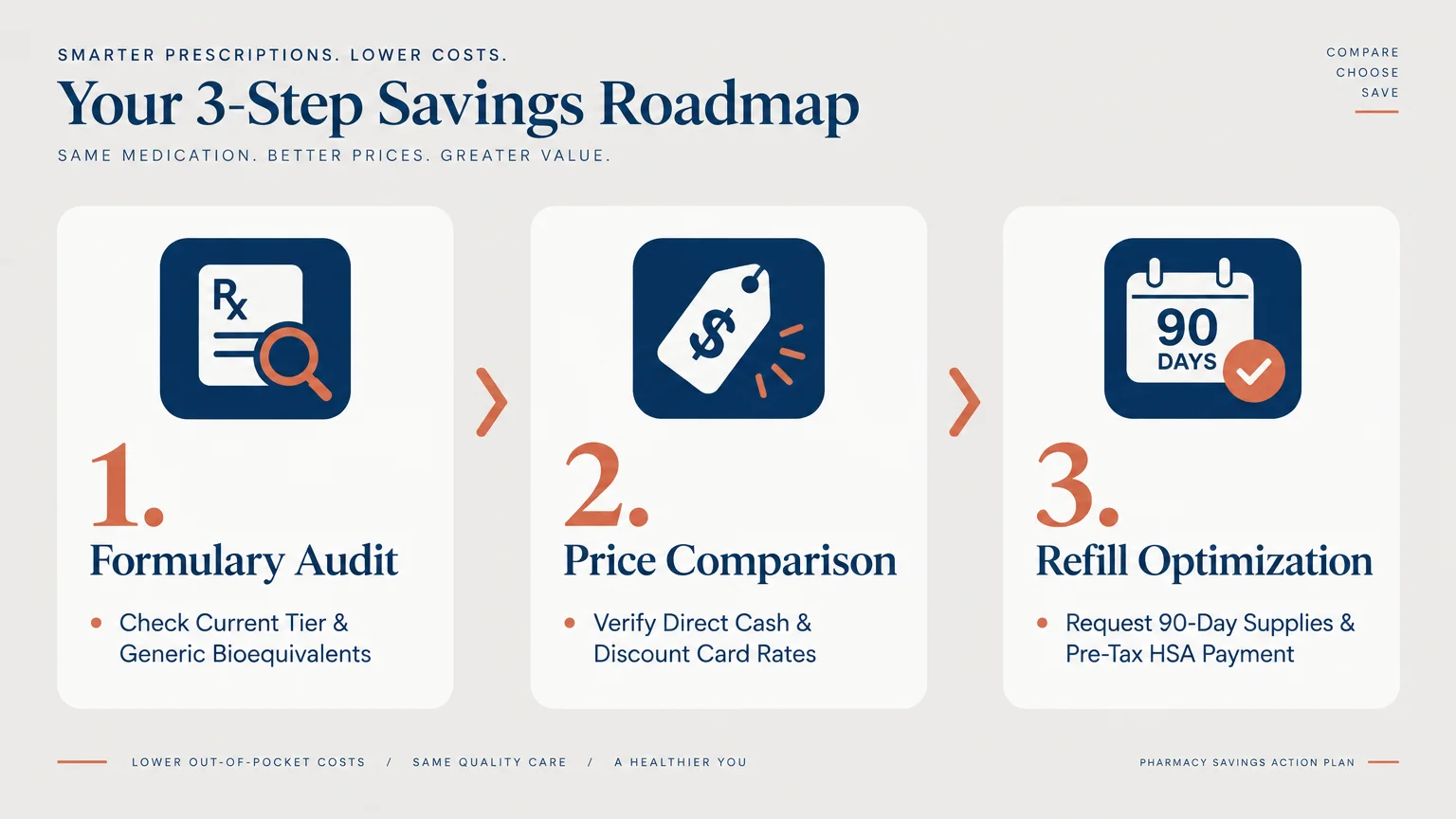
Lowering your prescription expenses does not require sacrificing clinical quality. You can take immediate control of your healthcare spending by comparing prices across retail pharmacies, requesting generic options, and utilizing tax-advantaged accounts.
Before your next pharmacy refill, search your medication on direct cash websites and discount card apps. Have a quick conversation with your doctor or pharmacist about available alternatives; that single discussion can save you hundreds of dollars this year.
The information here is meant for educational purposes. Specific circumstances—including health conditions, finances, location, and goals—may require different approaches. When in doubt, consult a licensed professional or check official sources directly.
Last updated: October 2026. Rules, prices, and details change—verify current information with official sources before acting on it.








Leave a Reply