
Divorced and Starting Over? These Money Moves Matter More Than You Think
Divorce doesn’t just end a relationship.
It quietly reshapes your sense of safety, control, and identity — especially when it comes to money.
Suddenly, finances aren’t a shared responsibility or a background concern. They’re personal. Emotional. Sometimes overwhelming. Even when divorce is the right decision, the financial aftermath can feel like standing alone in unfamiliar territory, trying to figure out how everything works again — without a map.
Most people don’t Google “financial planning after divorce.”
They search for “how do I survive this without falling apart?”
This article is for that moment.

1. “I Didn’t Realize How Much I Wasn’t Handling the Money”
→ First Move: Get Radical Clarity (No Shame Edition)
One of the most common post-divorce realizations is discovering how much of the financial decision-making lived with the other person. This can be jarring, especially for people who were fully capable in every other area of life. It doesn’t mean you were careless — it often means you trusted, divided roles, or simply focused your energy elsewhere.
The discomfort comes from suddenly being the sole decision-maker.
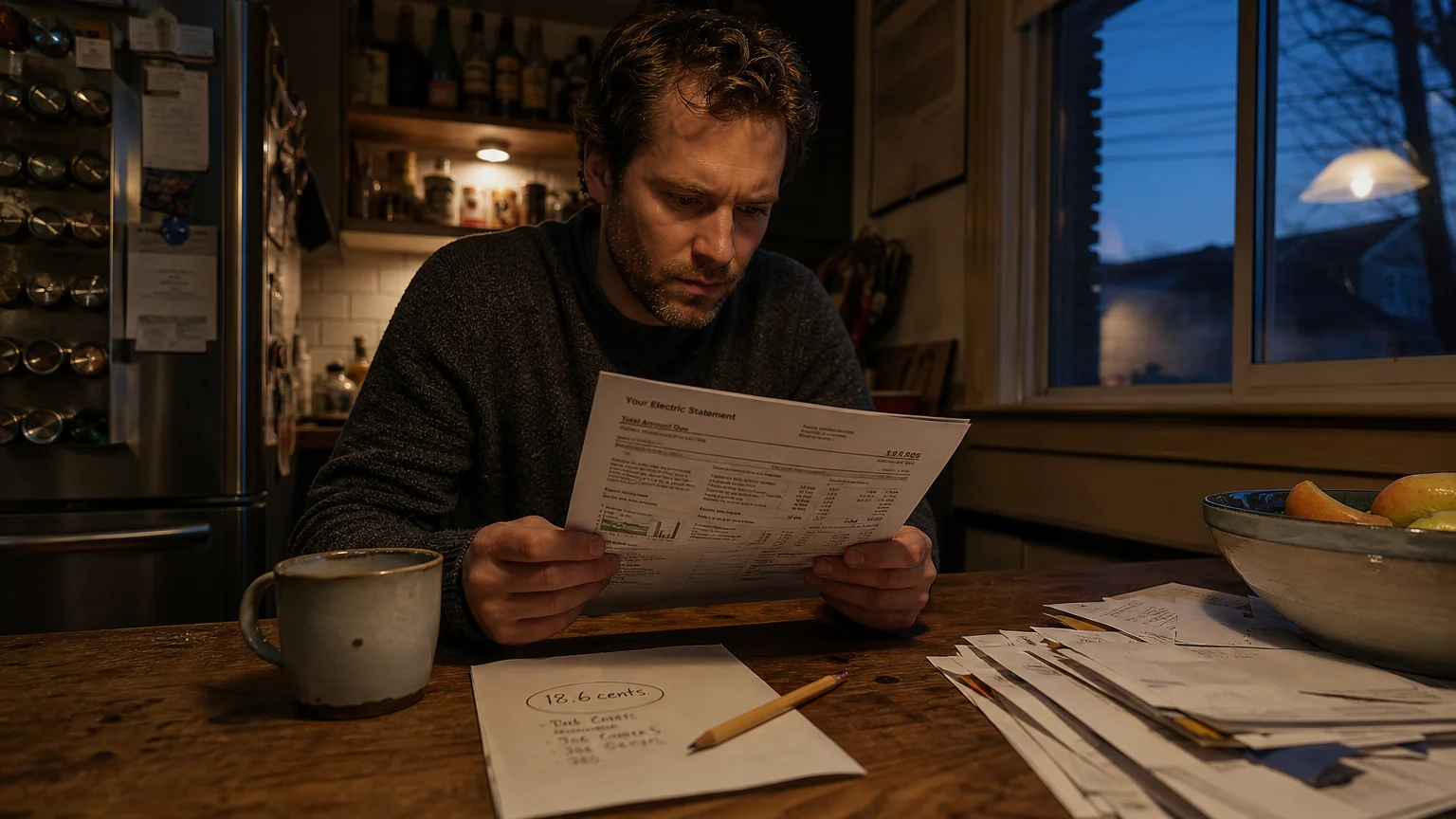
The most stabilizing step you can take right now is clarity. Not perfection — clarity. Sit down and list every account in your name. Separate anything that’s still shared. Check your credit score, review recent transactions, and look honestly at what comes in versus what goes out each month.
This moment may feel confronting, but it’s also empowering.
Money anxiety thrives in vagueness. Calm returns when the numbers stop being mysterious and start being manageable.
2. “Why Does Everything Feel More Expensive Now?”
→ The Solo-Living Reality Check
Life after divorce often costs more than expected. There’s no shared rent, no splitting utilities, no second income cushioning unexpected expenses. Even if the emotional weight of the relationship is gone, the financial adjustment can feel heavy — and surprisingly fast.
This phase isn’t a sign you made the wrong choice.
It’s simply the reality of transitioning into independence.
Now is the time to make practical, temporary decisions without attaching them to your worth. Downsizing doesn’t mean regression. Cutting back doesn’t mean failure. Renegotiating bills and canceling subscriptions tied to your old life is part of clearing space — not shrinking yourself.
Start with a bare-minimum budget that covers what you need to feel safe. Dreams can come next. Stability comes first.
3. “I’m Spending More… But I’m Also Happier?”
→ Emotional Spending vs. Healing Spending
Many people notice a shift in their spending habits after divorce. Some become extremely cautious. Others start spending more — on experiences, appearance, comfort, or small pleasures that feel like reclaiming joy.
Not all post-divorce spending is destructive.
Some of it is restorative.
The difference lies in intention. Healing spending supports your nervous system and sense of self. Avoidance spending temporarily distracts but creates stress later. Learning to pause before purchasing — and asking why you’re buying — builds awareness without self-judgment.
You don’t need to strip your life of joy to be financially responsible.
You just need to make choices that your future self won’t resent.
4. “I Don’t Want to Depend on Anyone Ever Again”
→ Build a Safety Net Before a Glow-Up
Divorce often ignites a powerful desire for independence. You want to know — deeply — that you’ll be okay no matter what. That instinct is healthy, but it needs grounding to avoid turning into constant self-pressure.
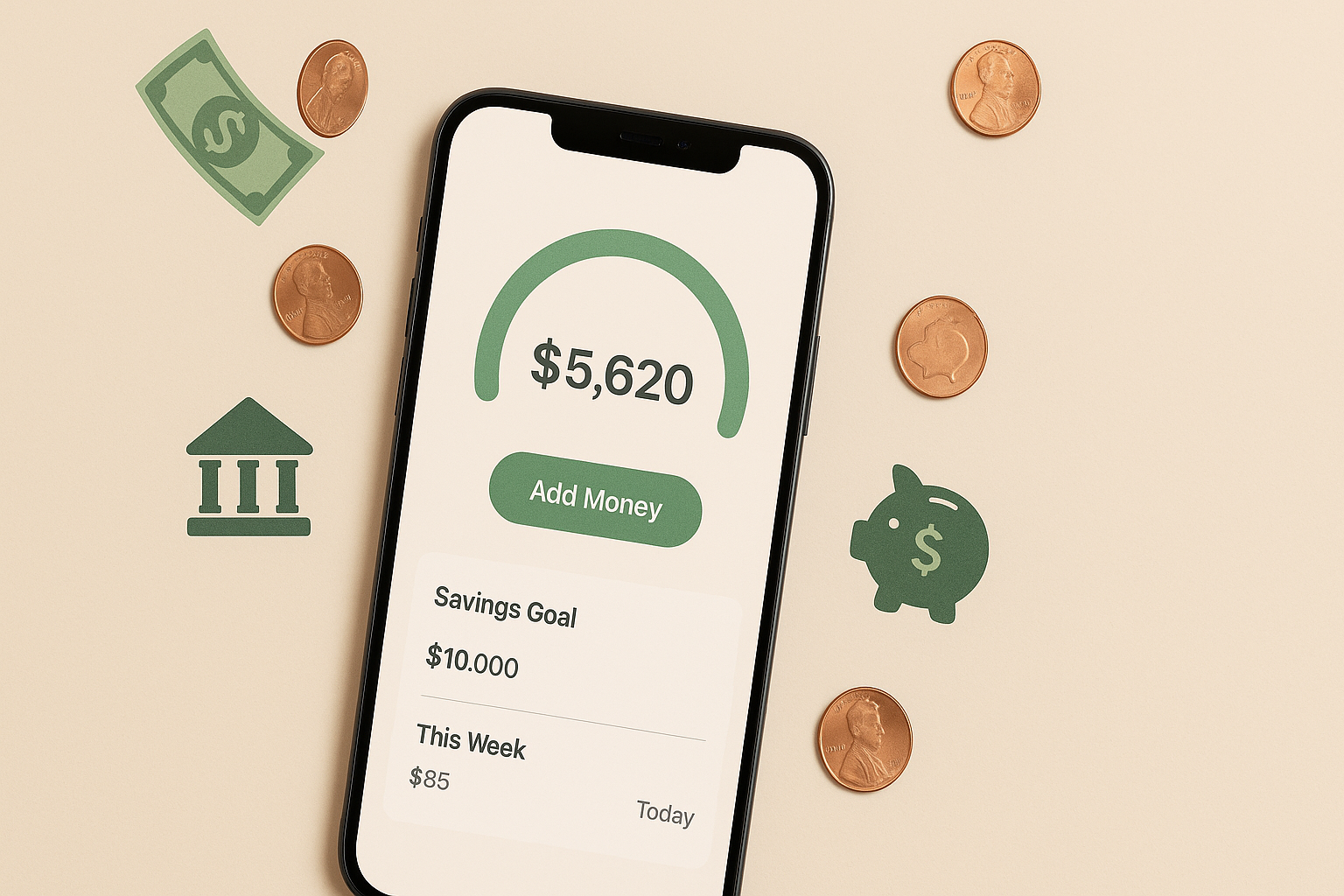
Before upgrading your lifestyle or chasing a glow-up, focus on security. Build an emergency fund, even if it starts small. Make sure you have at least one account that belongs only to you. Automate savings so consistency replaces anxiety.
Financial safety creates emotional breathing room.
Once you feel secure, ambition becomes exciting instead of exhausting.

5. “I Gave Up So Much Financially in the Relationship”
→ Reclaim Your Earning Power
Many people leave marriages carrying quiet grief over the financial sacrifices they made — paused careers, relocated opportunities, or time spent supporting someone else’s goals. This can create a lingering fear of being behind or starting over too late.
But your experience didn’t disappear.
It evolved.
Now is the moment to reassess your earning potential through a new lens. Look at the skills you already have, the knowledge you gained, and the energy you’re capable of giving now — not who you were then. Often, adding a side income or slowly repositioning your career feels safer than a dramatic leap.
Reclaiming your earning power is about alignment, not punishment.
You’re building a future that fits who you are now.
6. “I’m Afraid I’ll Make the Same Money Mistakes Again”
→ Redefine Financial Boundaries
After divorce, fear often isn’t about money itself — it’s about losing autonomy again. Many people worry that emotional connection might blur financial boundaries the way it once did.
This is where intentional rules matter.
Financial boundaries protect your peace. Taking things slowly, being transparent about values, and prioritizing alignment over appearances creates emotional safety. You don’t owe anyone financial access, explanations, or sacrifices to prove love.
Clarity is not cold.
It’s caring — especially toward yourself.
7. “I Want My Life to Feel Mine Again”
→ Create a ‘Me-Only’ Money Goal
One of the clearest signs of healing after divorce is when you start planning something just for you. Not a shared future. Not a compromise. Not a performance.
A personal money goal gives direction when everything else feels uncertain. It might be a solo trip, a new home fund, debt freedom, education, or simply knowing you can say “I’m okay” — and mean it.
This isn’t about proving independence.
It’s about choosing yourself with intention.

Divorce Isn’t a Financial Failure — It’s a Reset
Divorce doesn’t mean you failed at money.
It means the old structure no longer supported who you were becoming.
Your financial story didn’t end — it changed narrators.
You’re not rebuilding from zero.
You’re rebuilding from experience, clarity, and self-respect.
And that’s a powerful place to begin.
Read next: “I Feel Behind Compared to Everyone Else”






Leave a Reply