
Cars Don’t Feel Expensive—Until You Do the Math
For many Americans, owning a car isn’t a luxury—it’s a requirement. In much of the U.S., daily life is built around driving. Jobs, schools, grocery stores, doctors’ offices, and even social life often depend on having reliable transportation. Because of this, car ownership is rarely questioned. It’s treated as a normal, unavoidable part of adulthood.
Yet despite how “normal” it feels, cars have become one of the most powerful—and least discussed—budget destroyers in American households. Not because people are reckless, but because the true cost of owning a car is spread out, hidden, and emotionally normalized. By the time most people realize how much their car is actually costing them, they’re already locked into payments, insurance contracts, and long-term loans.
Car costs don’t usually cause sudden financial collapse. Instead, they quietly drain cash flow, limit flexibility, delay savings, and increase stress month after month. Let’s look at why this happens—and why so many Americans underestimate just how expensive driving really is.
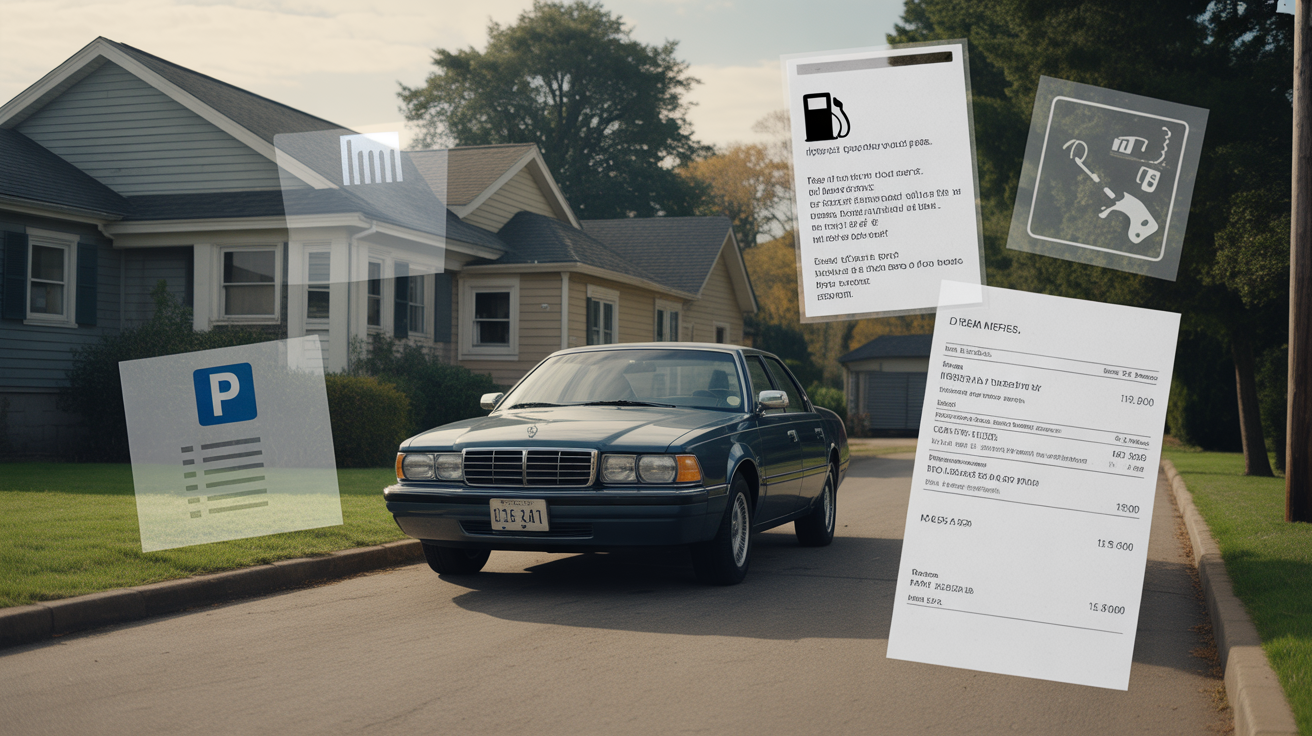
The Monthly Payment Is Just the Tip of the Iceberg
When buying a car, the conversation almost always revolves around one number: the monthly payment. Dealers know this, which is why sales pitches focus on “only $399 a month” instead of the total price of the vehicle. If the payment feels manageable, the car feels affordable.
But this way of thinking ignores the reality that the monthly payment is only one piece of a much larger financial commitment.
A $400–$500 monthly payment might seem reasonable on paper. But once you add insurance, fuel, maintenance, repairs, registration fees, and interest, the real monthly cost can easily double. Many households end up spending close to $1,000 a month on a single vehicle without ever seeing it listed as one line item.
Because these costs are paid to different places at different times, they don’t register as one large expense. Instead, they blend into everyday life—making it hard to see how much of the household budget is actually being consumed by transportation.
Insurance: The Expense That Never Ends
Car insurance is one of the most persistent and frustrating costs of vehicle ownership. Unlike a car loan, insurance doesn’t eventually disappear. Even after the car is paid off, the bill continues—often increasing rather than decreasing.
In recent years, insurance premiums have risen sharply across the U.S. Higher repair costs, advanced vehicle technology, more expensive parts, and increased accident claims have all pushed rates upward. For many drivers, monthly insurance costs range from $150 to $300 per vehicle, and sometimes much more.
Families with multiple drivers, younger drivers, or newer cars often face especially high premiums. And because insurance is mandatory, it’s a non-negotiable expense. You can’t “pause” it during tight months or skip it without serious consequences.
Over time, insurance becomes one of those background expenses that feels permanent and unavoidable—quietly eating into disposable income year after year.
Fuel Costs: Small Payments That Add Up Fast
Gas is another expense that rarely gets the attention it deserves. Most drivers think in terms of fill-ups, not totals. Spending $40 or $60 at the pump doesn’t feel dramatic, especially when it’s spread across several trips each month.
But when you add it up, fuel costs can rival major household bills.
A commuter driving 30 to 50 miles per day can easily spend $150 to $250 per month on gas, depending on fuel prices and vehicle efficiency. Over a year, that can exceed $3,000—just to get from point A to point B.
And that’s before accounting for weekend errands, unexpected trips, or long drives for work or family obligations. Because fuel prices fluctuate, they also introduce uncertainty into budgets, making it harder to predict monthly expenses accurately.
Gas may not feel like a “big” bill, but over time, it quietly becomes one of the most consistent drains on household cash.

Maintenance and Repairs: The Unpredictable Budget Killers
Every car requires maintenance. Oil changes, tire rotations, brake replacements, battery changes, and fluid checks are all part of responsible ownership. Even newer vehicles aren’t immune—modern cars often require specialized service that costs more than older, simpler models.
Then there are repairs, which tend to arrive at the worst possible times.
A blown transmission, failing suspension, electrical issue, or air conditioning problem can cost hundreds or even thousands of dollars. These expenses are especially painful because they’re irregular. You can go months without a major issue, then suddenly face a bill that wipes out savings or forces you to rely on credit cards.
On average, many Americans spend $1,000 to $2,000 per year on maintenance and repairs. For older vehicles or higher-end models, that number can climb much higher. Because these costs aren’t monthly, they often don’t get budgeted properly—turning routine car ownership into a financial ambush.
Depreciation: The Cost You Don’t See—but Always Pay
Depreciation is one of the most expensive aspects of owning a car, yet it’s also the easiest to ignore because it doesn’t come with a bill.
The moment a new car leaves the dealership, it begins losing value. In many cases, vehicles lose 20–30% of their value in the first year alone. Within five years, some cars are worth less than half of their original price.
This matters because depreciation affects long-term financial stability. It traps drivers in loans where they owe more than the car is worth, limits trade-in options, and encourages rolling old debt into new loans. While depreciation doesn’t show up as a monthly expense, it quietly erodes wealth and keeps people cycling through car payments indefinitely.
For households trying to build savings or reduce debt, depreciation represents money that disappears without ever improving quality of life.
Long-Term Loans Stretch the Damage Over Years
To make cars feel affordable, lenders now commonly offer 72- and even 84-month loans. These extended terms reduce monthly payments, which helps cars sell—but they dramatically increase the total cost of ownership.
Long loans mean paying interest for years longer than necessary. They also increase the likelihood that repairs begin while the loan is still active, forcing drivers to pay for both maintenance and financing at the same time.
Even worse, long-term loans often overlap with depreciation. Many drivers find themselves “upside down” on their loan—owing more than the car is worth—for a significant portion of the loan term. This reduces financial flexibility and makes it harder to sell or downsize when circumstances change.
What looks like convenience at the beginning often turns into long-term financial strain.

Opportunity Cost: What Car Expenses Take Away
Perhaps the most damaging part of high car costs is what they prevent.
Money spent on vehicles is money that can’t go toward:
-
Emergency savings
-
Retirement accounts
-
Paying off high-interest debt
-
Career changes or education
-
Travel or meaningful experiences
A household spending $1,000 per month on car-related expenses is committing $12,000 per year after taxes. Over a decade, that adds up to well over $100,000—money that could otherwise build security or freedom.
Cars don’t just cost money. They quietly shape life choices by limiting what’s financially possible.
Why This Feels Normal—even When It Hurts
One reason car costs rarely get questioned is social normalization. Nearly everyone around us is doing the same thing—making payments, complaining about gas prices, dealing with repairs. Marketing reinforces the idea that newer, bigger, and more expensive vehicles equal success or safety.
Because car expenses are spread across multiple categories, they don’t trigger alarm bells the way a single large bill would. And because driving is tied to independence, questioning car ownership can feel unrealistic or even threatening.
As a result, many Americans blame themselves for financial stress, not realizing that transportation costs alone may be consuming an unsustainable share of their income.
Reducing the Damage Without Drastic Changes
Owning a car doesn’t have to destroy your budget. Small, intentional decisions can make a meaningful difference over time.
Driving a reliable car longer than feels socially fashionable, shopping insurance annually, prioritizing reliability over appearance, and avoiding long loan terms all help reduce financial strain. Treating cars as practical tools instead of lifestyle upgrades can free up thousands of dollars per year.
The goal isn’t to give up convenience—it’s to regain control.
Cars rarely cause sudden financial disaster. Instead, they quietly reshape budgets, limit options, and increase stress over time. Because their costs are fragmented and normalized, they often escape scrutiny.
Understanding the true cost of car ownership is one of the most powerful financial realizations Americans can have. Once you see the full picture, it becomes easier to make decisions that support long-term stability instead of short-term comfort.
And for many households, that awareness alone can be the first step toward breathing room—and financial peace.
Read next: How to Know If You’re Eligible for an Amazon Refund