
How Online Influence Turned Into Billion-Dollar Power
Not long ago, “content creator” sounded like a hobby. Something people did after work, for fun, or in hopes of maybe going viral one day. Today, content creation has become one of the most powerful wealth-building machines of the modern economy—producing individuals who earn more in a year than CEOs of multinational corporations.
The richest content creators in the world are no longer just entertainers. They are media companies, brand architects, investors, and cultural forces. Their success reveals not only how the internet has changed fame, but how money itself flows in the digital age.
This article breaks down who the richest creators are, how they make their money, and what their rise tells us about the future of work, influence, and wealth.
The Rise of the Creator Economy
The creator economy refers to people who earn income by producing content on digital platforms—YouTube, TikTok, Instagram, podcasts, newsletters, and more. What began as ad revenue sharing has evolved into a complex ecosystem of sponsorships, product lines, licensing deals, live events, and full-scale businesses.
Today, the creator economy is estimated to be worth hundreds of billions of dollars globally, with continued growth expected over the next decade. What makes it unique is accessibility: many of the world’s highest-earning creators started with little more than a phone, an idea, and relentless consistency.
Yet, while millions create content, only a tiny percentage reach the top. Those who do operate at a level far beyond posting videos—they build scalable systems.
1. MrBeast (Jimmy Donaldson)
Estimated annual earnings: ~$85 million
MrBeast is widely regarded as the richest and most influential content creator in the world. What sets him apart is not just the scale of his audience, but the sophistication of his business model.
His YouTube videos—often centered around massive giveaways, extreme challenges, and philanthropy—generate hundreds of millions of views. But YouTube ad revenue is only a fraction of his income. MrBeast has turned his brand into a diversified empire, including food ventures, consumer products, and large-scale entertainment deals.
What makes MrBeast exceptional is reinvestment. He famously pours most of his earnings back into content production, creating a self-reinforcing loop: bigger videos bring bigger audiences, which fund even bigger projects. He operates less like an influencer and more like a venture-backed media company—with himself as the flagship product.
2. Dhar Mann
Estimated annual earnings: ~$56 million
Dhar Mann built his empire on short-form, emotionally driven storytelling. His videos—often teaching moral lessons—are highly shareable, family-friendly, and advertiser-safe, making them extremely attractive to brands.
Unlike creators who rely solely on platforms, Dhar Mann scaled into Dhar Mann Studios, employing actors, writers, and production teams. This allowed him to produce content at volume while maintaining quality and consistency.
His success shows that creators who master storytelling—and systemize it—can rival traditional television networks in reach and revenue, without needing Hollywood gatekeepers.
3. Jake Paul
Estimated annual earnings: ~$50 million
Jake Paul’s wealth comes from transformation. He started as a controversial YouTuber, but pivoted aggressively into professional boxing, pay-per-view events, merchandise, and brand partnerships.
Unlike creators who depend on platform algorithms, Jake Paul monetized attention itself. His fights generate massive viewership, sponsorship deals, and media coverage, blurring the line between influencer and athlete.
His career illustrates a key trend in the creator economy: successful creators often expand beyond content into real-world revenue engines.

Other Top-Earning Creators Dominating the Digital Economy
Rhett and Link
Estimated annual earnings: ~$36 million
Rhett and Link built Mythical Entertainment, a full-scale media company. Their show, Good Mythical Morning, is only one part of a broader ecosystem that includes podcasts, merchandise, brand deals, and investments.
They exemplify how long-term consistency and brand trust can outperform viral fame.
Alex Cooper
Estimated annual earnings: ~$32 million
Alex Cooper transformed her podcast Call Her Daddy into a media brand through exclusivity deals, platform negotiations, and strategic expansion. Podcasting, once considered niche, is now one of the most lucrative creator formats—especially when paired with strong personal branding.
Charli D’Amelio
Estimated annual earnings: ~$23.5 million
Charli D’Amelio rose to fame on TikTok, but her income comes largely from brand deals, fashion collaborations, and media appearances. Her success shows how short-form platforms can launch massive careers when paired with brand-friendly appeal.
Khaby Lame
Estimated annual earnings: ~$20 million
Khaby Lame became one of the most followed people on TikTok without speaking. His silent reaction videos transcend language barriers, making him globally marketable.
Brands value Khaby not just for reach, but for universality—proof that creators who understand platform culture can dominate worldwide.
Mark Rober
Estimated annual earnings: ~$25 million
Former NASA engineer Mark Rober built a massive audience through science education and engineering challenges. His content proves that educational creators can compete financially with entertainment-focused influencers—when they combine expertise with spectacle.
How These Creators Actually Make Their Money
A common misconception is that creators earn primarily from ads. In reality, ads are often the smallest piece of the puzzle.
Major revenue streams include:
-
Platform ad revenue
-
Brand sponsorships
-
Merchandise and physical products
-
Licensing and media deals
-
Subscription platforms and exclusives
-
Live events and tours
-
Equity stakes in businesses
The richest creators rarely rely on a single income source. Their stability comes from diversification.
Why Most Creators Will Never Reach This Level
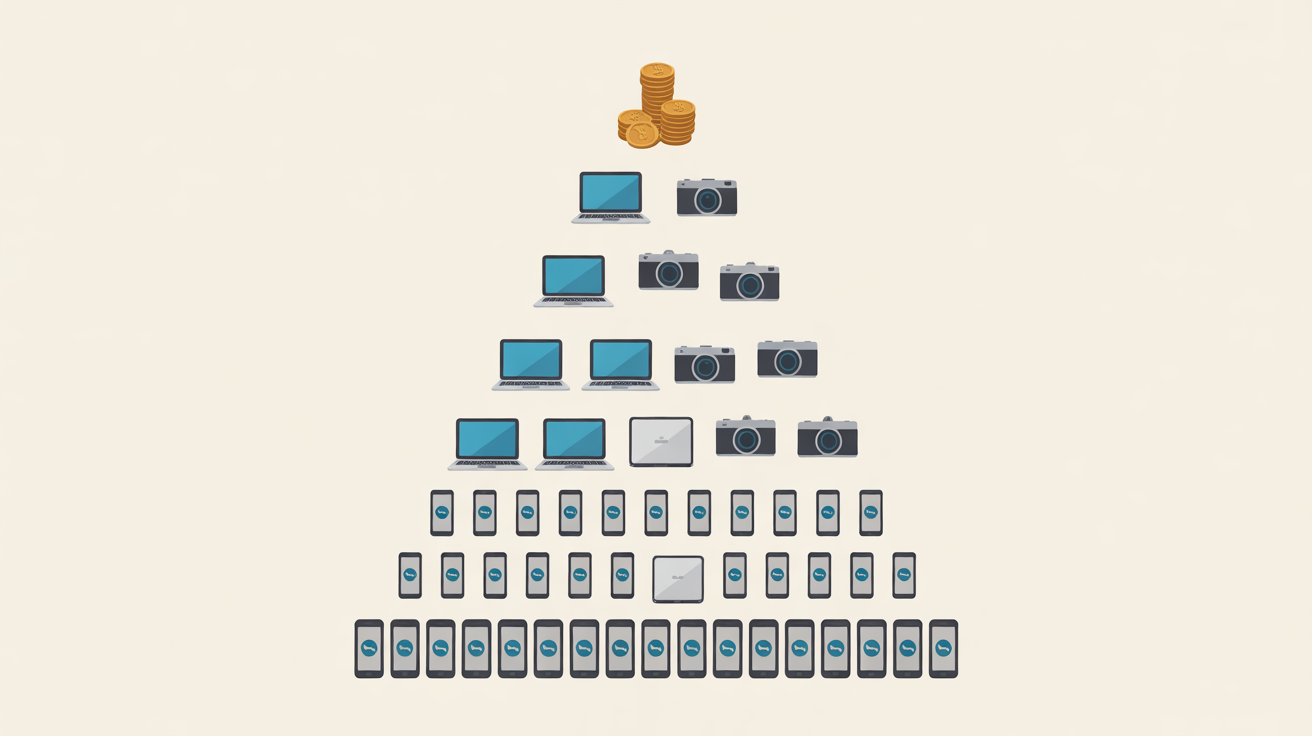
Despite the headlines, the vast majority of content creators earn modest incomes—or none at all. The creator economy is heavily skewed: a small elite captures a disproportionate share of the revenue.
Key barriers include:
-
Algorithm dependency
-
Burnout and inconsistency
-
Lack of business skills
-
Poor monetization strategy
-
Overreliance on one platform
The creators at the top treat content as infrastructure, not just expression.
What the Success of Top Creators Tells Us About the Future
The rise of ultra-wealthy creators signals a deeper shift in how value is created:
-
Attention is currency
-
Personal brands rival corporations
-
Media ownership is decentralizing
-
Entrepreneurship is becoming public-facing
Creators are no longer just influencers—they are the new studios, networks, and brand houses.
Influence Is the New Capital
The richest content creators didn’t just chase views. They built systems, teams, and businesses around their visibility. Their wealth comes not from luck, but from understanding how attention converts into long-term value.
For audiences, their stories are entertainment.
For aspiring creators, they are case studies.
For the economy, they are proof that power has shifted.
The internet didn’t just create stars—it created a new class of digital tycoons.
Read next: Why Americans Spend More on Convenience Food Than Groceries