Food is one of the most consistent and often surprising, expenses in an average American household. From morning coffee to weekend dinners, eating fuels our bodies and our routines. But between food inflation, convenience culture, and social pressures, the cost of feeding a typical American family has become a topic of national conversation.
This is more than a list of meals. It’s a look into how and why we eat what we eat — and what that actually costs in real dollars — for people with different lifestyles and budgets.
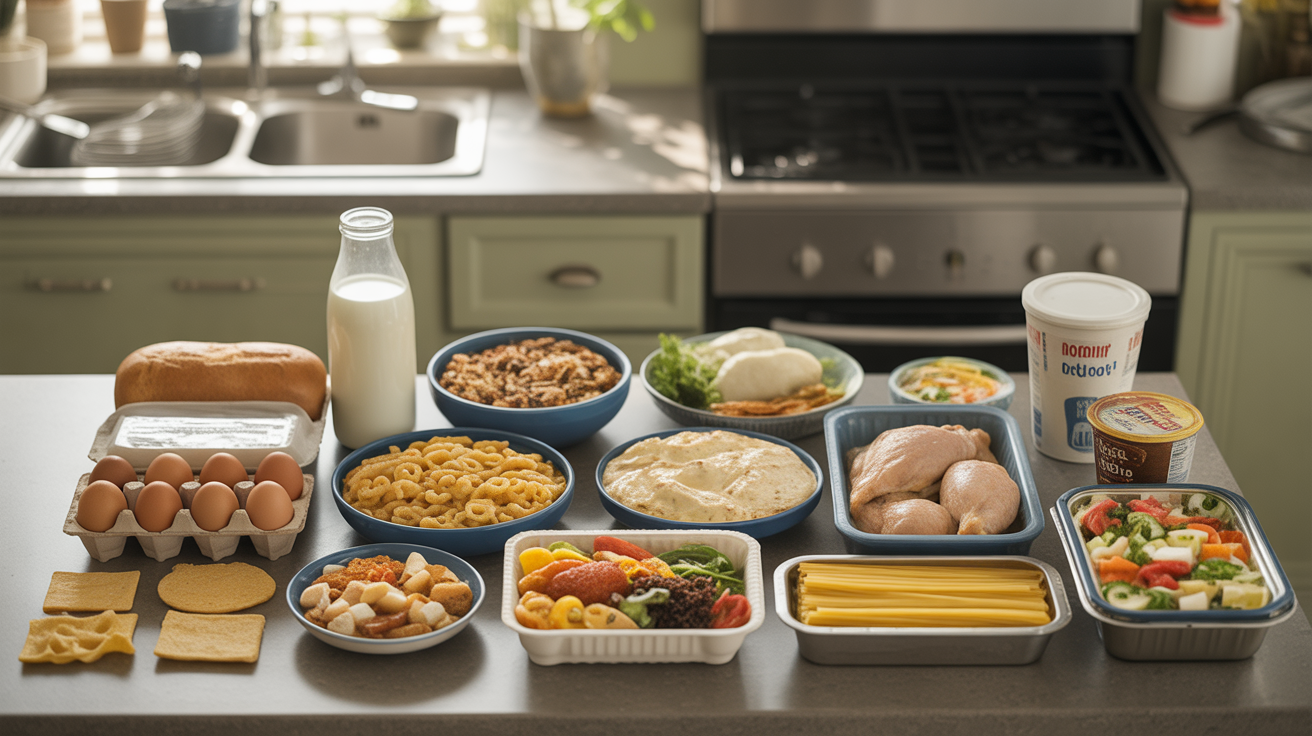
What Most Americans Eat: A Snapshot
The truth is, there’s no single “average” meal plan that fits all Americans. Eating habits vary widely by region, income, age, lifestyle, and dietary preferences. But broad national data and dietary surveys reveal common patterns:
1. Breakfast
Most Americans start the day with:
-
Coffee (usually from home, but often from coffee chains)
-
Some form of grains: cereal, toast, bagel, or breakfast bars
-
Eggs or yogurt on weekdays
-
More indulgent options (pancakes, pastries) on weekends
2. Lunch
Lunch often depends on lifestyle:
-
Office workers: sandwiches, salads, or fast-casual meals
-
Students: school lunches or quick grab-and-go foods
-
At-home eaters: leftovers, sandwiches, or quick microwave meals
3. Snacks & Drinks
Americans snack more than ever:
-
Chips, crackers, granola bars
-
Fruit, nuts, yogurt
-
Sodas and energy drinks
-
Coffee runs throughout the week
4. Dinner
Dinner is the biggest meal of the day for most:
-
Protein + vegetables + carbs
-
Takeout or delivery 2–3 times per week is common
-
Weekends often include larger or more social meals
5. Weekend Meals
Saturday and Sunday meals tend to be:
-
Brunches
-
Outdoor grilling
-
Dining out with family or friends
These patterns reflect convenience, culture, and growing dependence on prepared foods — not just nutrition needs.
How Much This Typical Week Costs (Estimate)
To understand the real cost, we’ll look at three common meal budgeting scenarios.
Scenario A — Individual on a Budget
Assumptions:
-
Lives alone
-
Cooks most meals at home
-
Occasional fast food or coffee runs
Estimated Weekly Costs:
-
Breakfast ingredients (coffee, eggs, oatmeal, fruit): $15–$20
-
Lunch (home-prepped/sandwiches/salad): $20–$30
-
Snacks and drinks: $15–$25
-
Dinner (home meal with protein + veggies): $30–$40
-
Occasional takeout/fast food: $15–$25
Total Weekly Cost: $95–$140
Multiply that over 52 weeks, and food alone could cost $4,940–$7,280 per year — just for one person.
Scenario B — Average American Family (4 People)
Assumptions:
-
2 adults + 2 children
-
Mix of home-cooked meals and occasional dining out
-
Weekly grocery shopping + weekend family meals
Estimated Weekly Costs:
-
Breakfast for 4: $30–$40
-
Lunch (mostly home-packed or simple at-home meals): $40–$60
-
Snacks & drinks: $30–$50
-
Dinners (home + some takeout): $80–$120
-
Weekend dining out/treats: $30–$60
Total Weekly Cost: $210–$330
Annually, that’s $10,920–$17,160 just on food — and that doesn’t account for inflation, special dietary costs, or holiday meals.
Scenario C — High-Spend / Convenience-Oriented Eater
Assumptions:
-
Values convenience over cost
-
Eats out frequently
-
Premium ingredients and specialty diets (organic, gluten-free, etc.)
Estimated Weekly Costs:
-
Breakfasts out: $25–$40
-
Lunches out or premium takeout: $40–$80
-
Snacks & drinks (coffee runs, specialty drinks): $25–$50
-
Dinners (restaurant 4–5 times/week): $90–$150
-
Social weekend meals: $60–$100
Total Weekly Cost: $240–$420
Annual total: $12,480–$21,840 or more — and that’s still a conservative range.
What Drives These Costs?
Understanding what Americans eat is only half the picture. Let’s look at why food costs are what they are.
1. Convenience Culture
One of the biggest drivers of weekly food costs is convenience. Between long work hours, commuting, kids’ schedules, and social life, many Americans rely on prepared foods and restaurant meals.
Grinding through a long week makes takeout feel not just normal — but necessary.
Even grocery-store-prepared foods (rotisserie chicken, pre-chopped veggies, pre-marinated meals) come at a premium. But they save time, which many households value just as much as money.
2. Coffee Runs & Small Purchases Add Up
Small, frequent food purchases — like coffee runs, snacks, or energy drinks — contribute heavily to weekly costs.
A $5 coffee every morning isn’t shocking.
But over 5 days, that’s $25 — or $100 per month.
That adds up over a year.
Americans are eating more frequently and on the go, and that’s changing their budgets.
3. Dining Out Is Expensive — and Growing More Common
Dining out used to be a special occasion. Now it’s routine for many.
Fast food bridges hunger quickly but still costs $7–$12 per meal.
Casual dining can run $15–$30 per person.
Factor in taxes and tips, and a dinner for four at a casual restaurant can easily cost $60–$100.
As restaurants raise prices due to higher ingredient and labor costs, weekly dining expenses continue to climb.
4. Larger Portion Sizes Encourage More Spending
American portion sizes — both at restaurants and at home — tend to be larger than in many other countries. Larger portions = more ingredients = higher cost.
When restaurant entrees come in portions big enough for two meals, it feels like savings — but it also inflates the per meal cost when you eat out frequently.
5. Food Waste Is Costly
Another hidden cost is food waste.
According to food waste studies, the average American household wastes a significant portion of what they buy — especially fresh produce, dairy, and bread.
Buying extra because it looks “good” but not using it before it spoils essentially means money is thrown away.
Even $10–$15 of wasted food per week adds up to hundreds per year.
Ways People Are Cutting Weekly Food Costs
Here’s what budget-conscious eaters do differently:
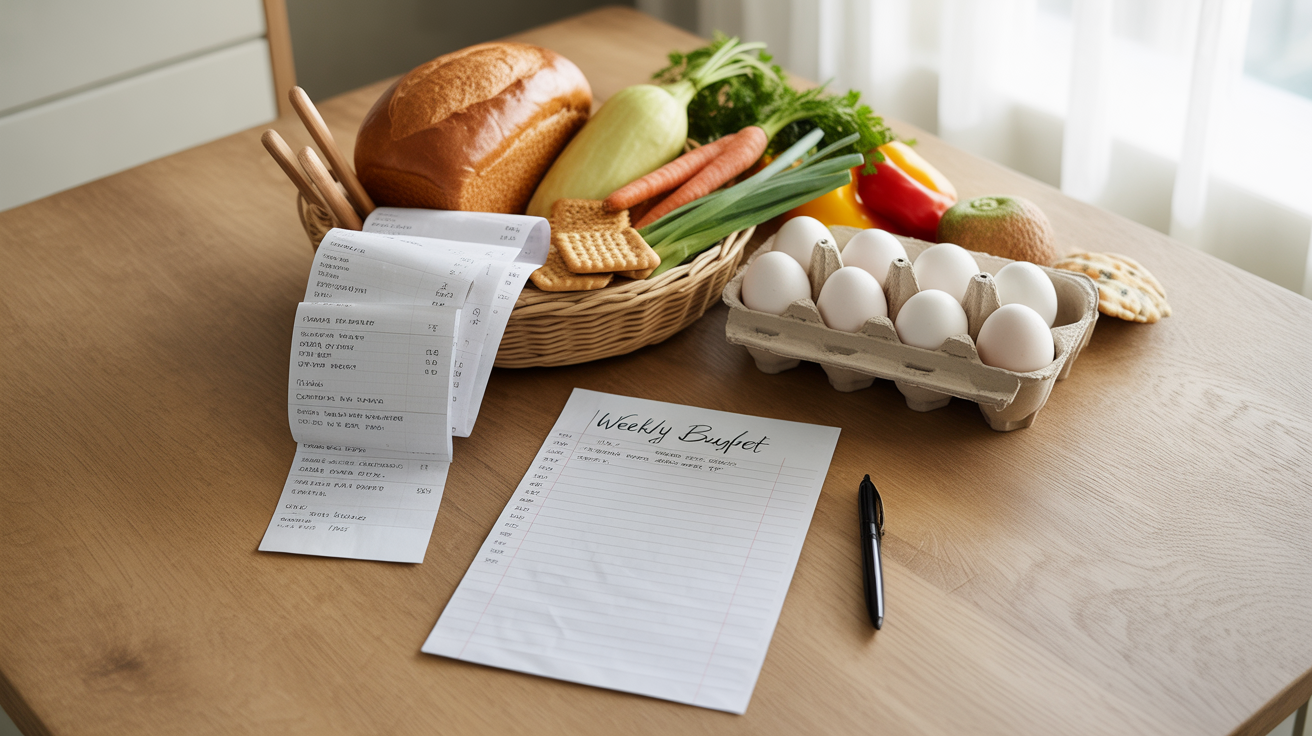
1. Plan Meals Ahead of Time
Meal planning dramatically reduces impulse purchases and food waste.
A weekly plan with a shopping list helps people buy only what they need — and avoid overspending.
2. Cook Once, Eat Twice
Batch cooking is one of the most effective ways to reduce costs.
Cook a large meal and eat it later — or repurpose leftovers into new dishes.
Instead of paying $12 each for lunch, leftover tacos become taco salads, rice bowls, or wraps.
3. Limit Eating Out (Purposefully)
Even reducing dining out from 5 times a week to 2 can save $60–$100 weekly depending on restaurant types.
People who succeed with savings often schedule dining out as a treat rather than a default.
4. Shop Smart at the Grocery Store
Smart grocery shoppers use:
-
Weekly sales
-
Store apps and digital coupons
-
Bulk buying for non-perishables
-
Generic or store brands
-
Price per unit comparisons
Even simple swaps make a difference.
5. Cut Down Daily Coffee Runs
A $5 daily coffee is a mental luxury — but it’s a real dollar drain.
Brewing at home can save $50+ per month with minimal effort.
A Closer Look: Food Inflation’s Role
Food prices have risen steadily in recent years due to supply chain disruptions, labor shortages, and global commodity shifts.
Items that used to cost $2 now cost $3–$4. Meat, dairy, produce — all categories saw increases.
This shift means weekly food costs have gone up even for families that cook everything at home.
So the question isn’t just how we eat, but how prices changed how we eat.
Is the “Average American Diet” Healthier or More Expensive?
There’s a tension between health and cost, because:
-
Whole, fresh foods often cost more upfront than processed options
-
Organic, specialty, or dietary-specific items usually carry price premiums
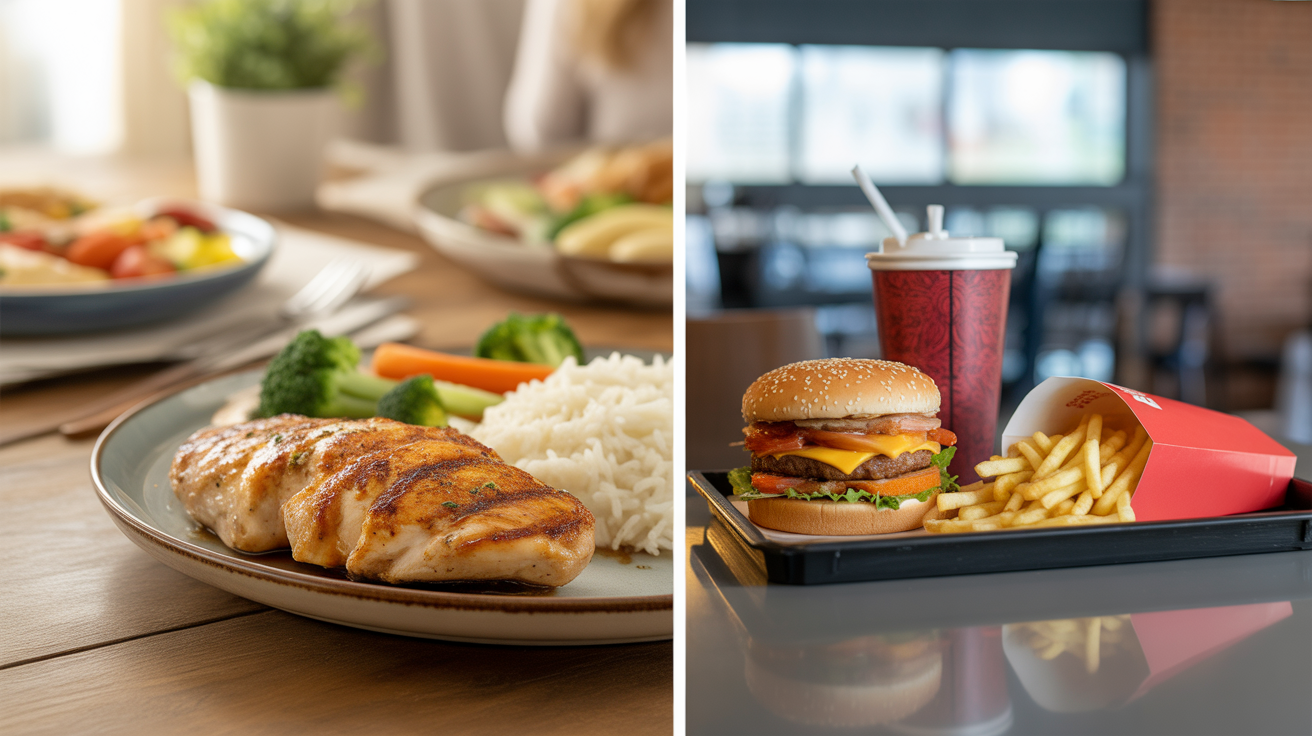
At the same time, expensive doesn’t always mean healthy. A $10 fast-food meal might be cheaper than a home-cooked, vegetable-heavy dinner.
Budgeting for nutrition is possible — but it requires conscious planning.
What This Means for Your Budget
Understanding what the average American eats helps reveal where food spending goes — and how much of it is discretionary.
Here’s a simplified takeaway:
| Category | Typical Weekly Spend (Individual) | Typical Weekly Spend (Family of 4) |
|---|---|---|
| Home-Cooked Meals | $65–$120 | $150–$240 |
| Snacks & Drinks | $15–$30 | $30–$50 |
| Dining Out | $15–$40 | $60–$100 |
| Total Estimated | $95–$190 | $210–$390 |
Numbers vary widely, but patterns are consistent: food is one of the largest weekly expenses after housing and transportation.
Food isn’t just fuel — it’s culture, comfort, convenience, and sometimes distraction. The cost of eating is shaped as much by lifestyle and social norms as by economic forces.
Whether you’re eating in, dining out, or snacking between meals, every choice carries a price — and that price adds up quickly.
Understanding what you’re eating and why you’re eating it is the first step toward eating smarter — both financially and health-wise.
Read next: Target Isn’t “Just a Store” — It’s a Lifestyle Trap (And Americans Know It)