Turn Your Leftovers Into Gourmet Meals
Every fridge has a secret second life hiding inside it.
Half a roasted chicken.
A lonely scoop of rice.
Three spoonfuls of tomato sauce.
Vegetables that look tired but aren’t dead yet.
Most people look at these and think: nothing to eat.
Smart cooks look at them and see opportunity.
Leftovers are not sad. They are pre-cooked ingredients waiting for their glow-up.
When you learn how to transform them, you save money, waste less food, and somehow eat better than people who start from scratch every night.
This guide will show you how to turn random fridge odds and ends into full, satisfying meals — without buying anything new, without complicated recipes, and without feeling like you’re “making do.”
This is not survival cooking.
This is strategic deliciousness.
Why Leftovers Are Actually a Goldmine
When you cook fresh food, most of the work is already done:
-
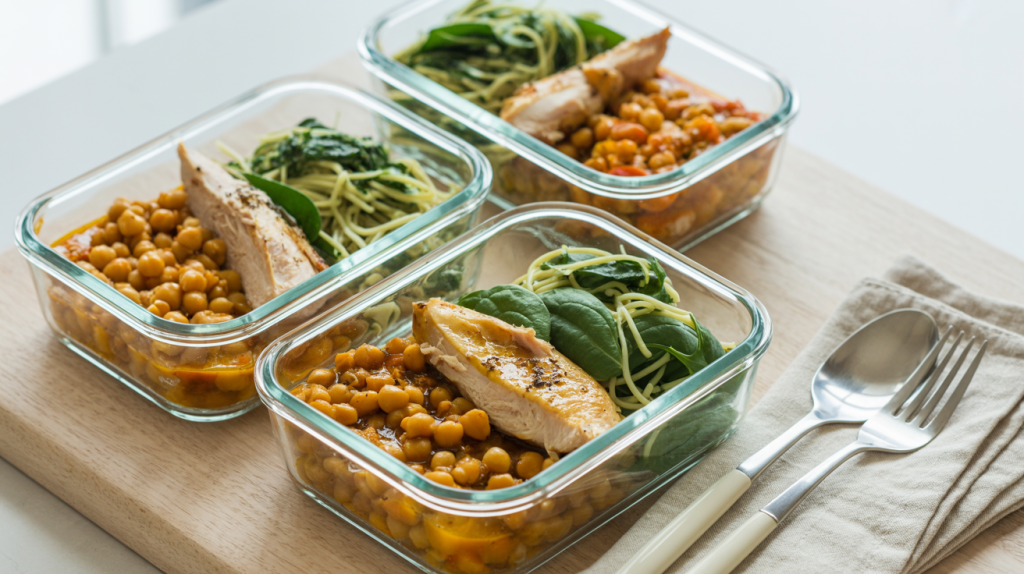
Proteins are cooked
-
Veggies are chopped
-
Sauces are seasoned
-
Grains are prepared
That means leftovers skip the most time-consuming part of cooking.
You’re not starting from zero — you’re starting from 60–80% done.
That gives you three advantages:
-
Speed – You can build meals in minutes
-
Flavor – Cooked food often tastes better the next day
-
Flexibility – You can remix things endlessly
Restaurants do this constantly.
You can too.
The One Rule That Changes Everything
Stop thinking in terms of dishes.
Start thinking in terms of components.
Every leftover falls into one of these five categories:
-
Protein (chicken, beef, fish, beans, eggs, tofu)
-
Carbs (rice, pasta, potatoes, bread, tortillas)
-
Vegetables (fresh, roasted, steamed, grilled)
-
Sauces & fats (gravy, dressing, pesto, butter, oil)
-
Flavor boosters (cheese, herbs, spices, pickles, garlic)
Once you see food this way, you can recombine it like LEGO bricks.
A chicken breast isn’t “yesterday’s dinner.”
It’s protein that can become:
-
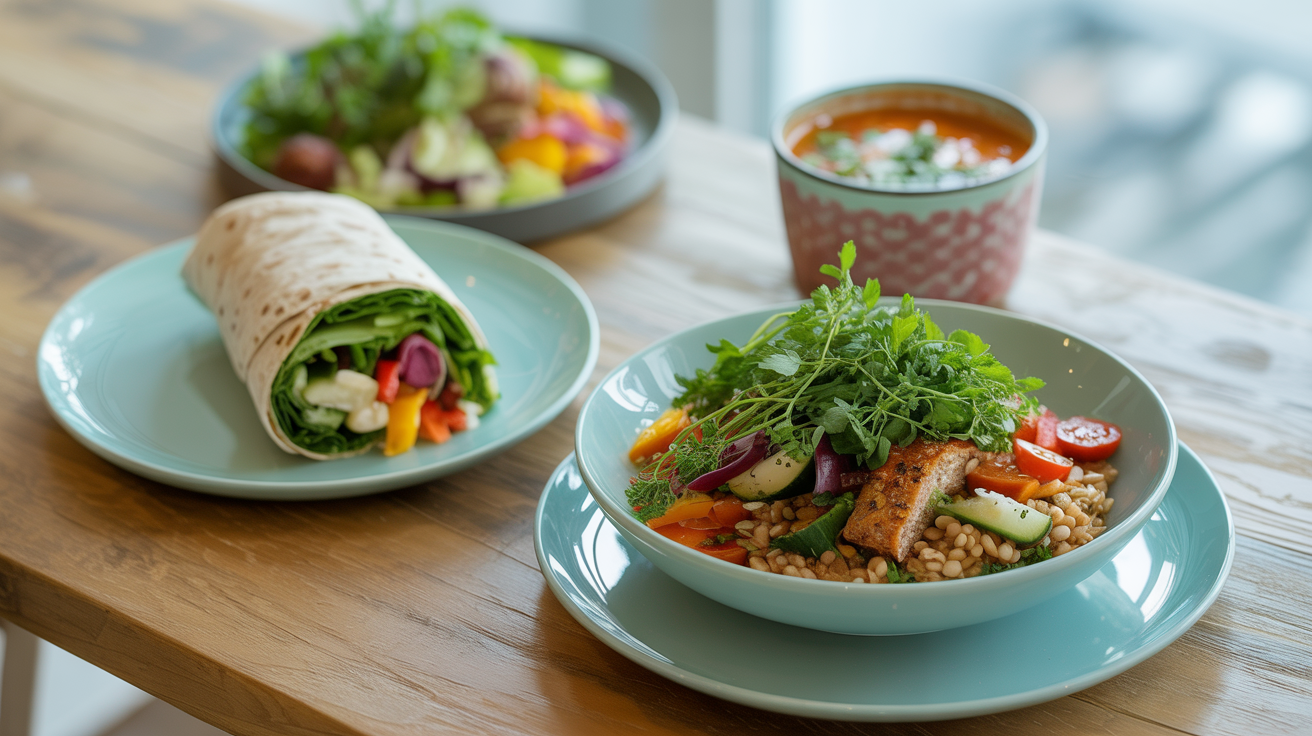
A wrap
-
A bowl
-
A soup
-
A stir-fry
-
A salad
-
A sandwich
Same food. New experience.
The Magic Formula for Turning Leftovers Into Meals
Nearly every great leftover meal follows this formula:
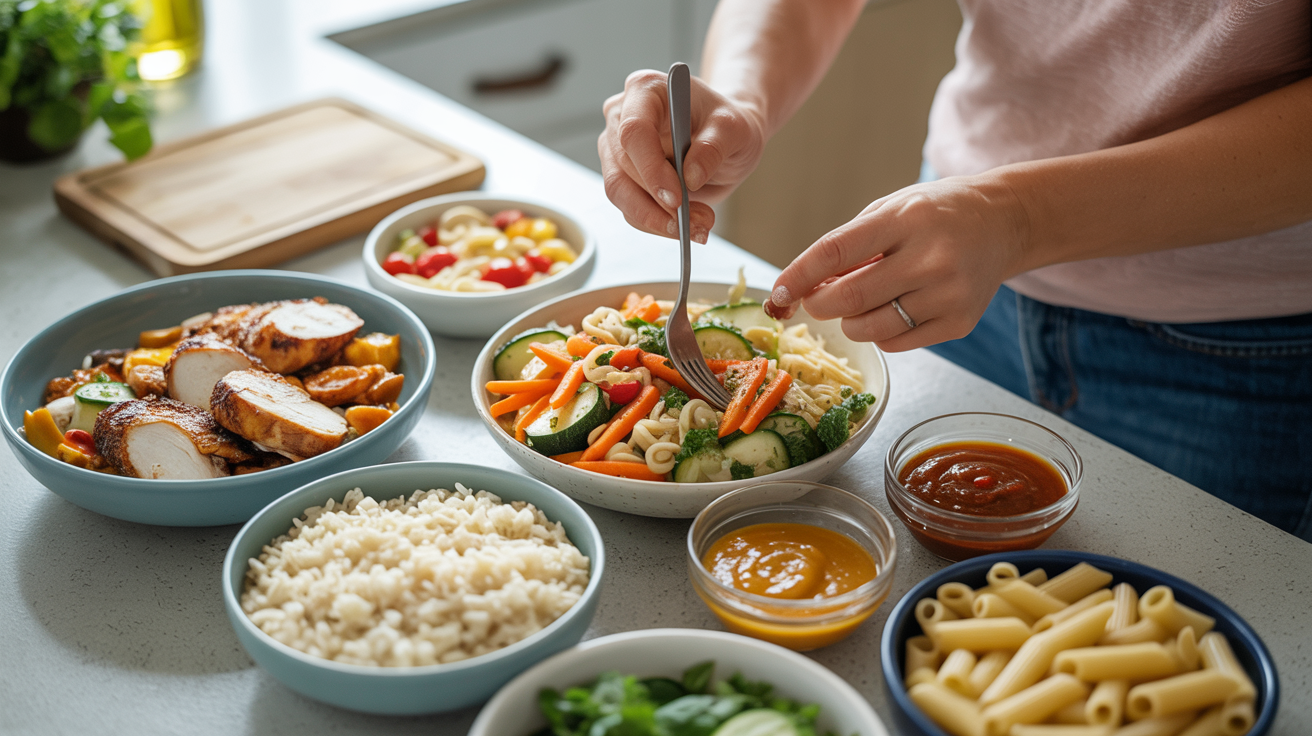
Protein + Carb + Veg + Sauce = New Dish
Let’s see how that works in real life.
Example:
You have:
-
Cooked chicken
-
Leftover rice
-
Some sad broccoli
-
A little teriyaki sauce
That’s not scraps — that’s:
Teriyaki chicken rice bowl
Now imagine:
-
Same chicken
-
Same broccoli
-
No rice
-
But you have tortillas
That becomes:
Chicken & veggie wraps
Same ingredients. Totally different meals.
The 7 Most Powerful Leftover Transformations
These are your secret weapons. Almost any leftovers can fit into one of these.
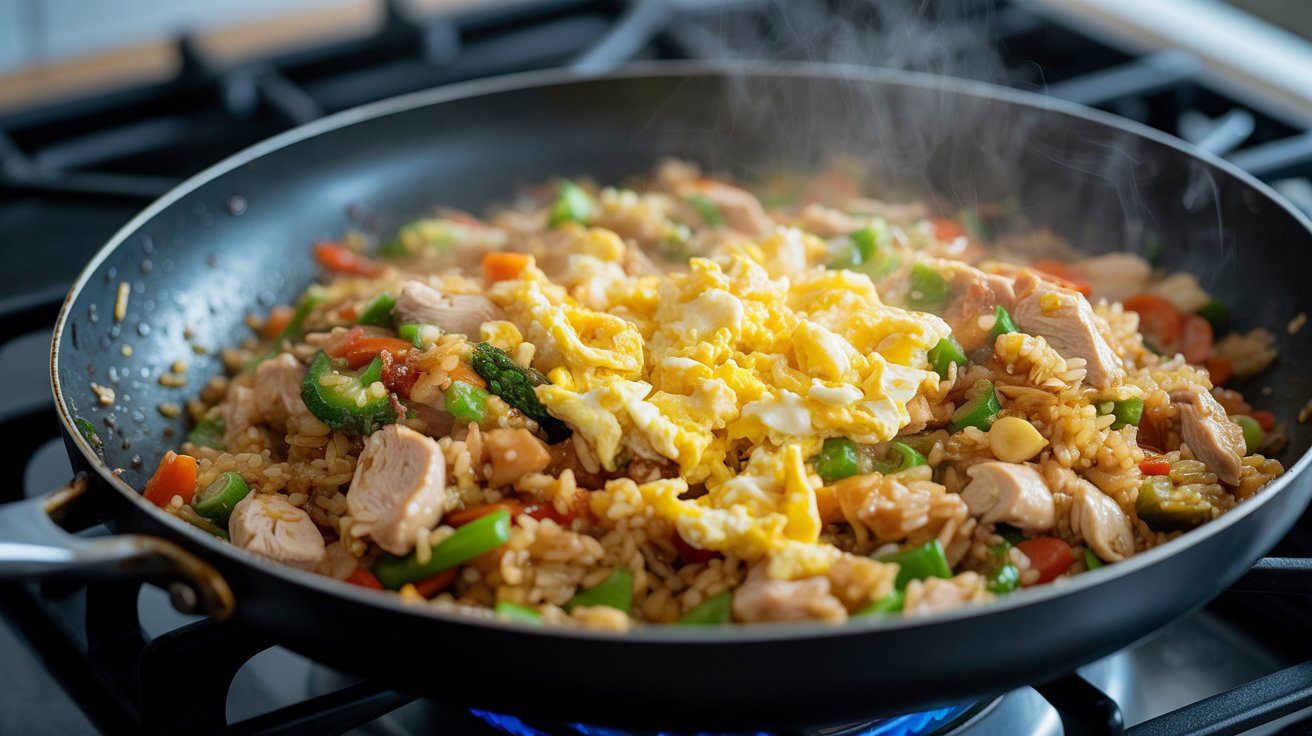
1. The Fried Rice Rule
If you have:
-
Rice
-
Any protein
-
Any vegetables
You have fried rice.
Add:
-
Oil
-
Garlic or onion
-
An egg (if you have it)
-
Soy sauce or salt
Boom: restaurant-level meal.
Cold rice is actually better for frying, so leftovers are perfect.
2. The Soup Upgrade
Almost anything can become soup.
Leftovers that work beautifully:
-
Cooked chicken or beef
-
Vegetables
-
Potatoes
-
Pasta
-
Rice
-
Beans
Just add:
-
Water or broth
-
Salt
-
A little fat (oil or butter)
Simmer, taste, adjust.
Soup hides imperfections and brings everything together.
Even ugly leftovers become comforting and rich.
3. The Wrap & Sandwich Trick
If it fits in bread or a tortilla, it becomes a new meal.
Leftovers that shine here:
-
Roasted vegetables
-
Grilled meats
-
Beans
-
Rice
-
Sauces
Add:
-
Something crunchy (lettuce, pickles)
-
Something creamy (mayo, yogurt, cheese)
You instantly get something that feels “fresh.”
4. The Bowl Method
Put everything in a bowl and call it intentional.
Base:
-
Rice, quinoa, potatoes, or pasta
Top with:
-
Protein
-
Veggies
-
Sauce
Add a little acid (lemon, vinegar, pickles) and suddenly it tastes fancy.
People pay $15 for this.
You made it from scraps.
5. The Omelet & Frittata Hack
Eggs turn leftovers into brunch.
Throw in:
-
Vegetables
-
Meats
-
Cheese
-
Herbs
Bake or fry and you have:
-
Breakfast
-
Lunch
-
Dinner
Eggs are the ultimate leftover upgrade.
6. The Pasta Reinvention
Leftover meat or veggies + any sauce = new pasta dish.
You don’t need a recipe.
You need:
-
A carb
-
Something savory
-
Something fatty
-
Something salty
That’s pasta.
7. The Crispy Pan Trick
Almost anything tastes amazing when reheated in a pan with oil.
Instead of microwaving:
-
Chop leftovers
-
Fry them in a skillet
-
Let edges get crispy
Add a sauce or egg and suddenly it feels cooked fresh.
How to Rescue “Sad” Vegetables
Wilted vegetables aren’t useless. They’re just dehydrated.
Do this:
-
Toss them in oil
-
Add salt
-
Roast or pan-fry
Heat brings them back to life.
Even limp carrots, spinach, peppers, and zucchini become delicious when roasted or sautéed.
The Secret to Making Leftovers Taste New
The difference between “ugh, leftovers” and “wow, this is good” is usually contrast.
You want:
-
Crunch + softness
-
Acid + fat
-
Heat + freshness
Add one of these and everything improves:
-
Lemon juice
-
Vinegar
-
Pickles
-
Fresh herbs
-
Chili flakes
-
A drizzle of oil
That’s what chefs do.
How to Store Leftovers So They Don’t Die
Food only becomes gross when it’s stored badly.
Do this:
-
Separate sauces from solids
-
Keep things in airtight containers
-
Label or group by type (protein, veg, carbs)
When you open your fridge and see organized ingredients instead of mystery boxes, you’re far more likely to use them.
A 5-Day Leftover Remix Example
Let’s say you cook:
-
A roast chicken
-
Potatoes
-
Roasted vegetables
Here’s how one meal becomes five:
Day 1: Roast chicken dinner
Day 2: Chicken & veggie wraps
Day 3: Chicken fried rice
Day 4: Chicken soup
Day 5: Chicken omelet
Same ingredients. Zero waste. No boredom.
Why This Saves You So Much Money
Every time you throw away leftovers, you throw away:
-
The groceries
-
The cooking time
-
The energy
-
The money
Turning leftovers into meals means:
-
Fewer grocery trips
-
Fewer impulse buys
-
Fewer takeout orders
Even saving $5–$10 per day adds up to hundreds per month.
This is one of the quietest but most powerful financial habits you can build.
Leftovers Are a Skill — Not a Punishment
People who say “I don’t eat leftovers” are really saying:
“I never learned how to transform food.”
Once you do, leftovers become:
-
Creative
-
Satisfying
-
Convenient
-
And honestly… fun
You stop seeing waste.
You start seeing possibilities.
Your fridge becomes a pantry of pre-made building blocks, not a graveyard.
Every great cook knows this secret:
The best meals are often made from what’s already there.
Leftovers aren’t a downgrade.
They’re an upgrade waiting to happen.
With a little imagination, a hot pan, and the right sauce, yesterday’s dinner becomes today’s favorite meal — and you don’t waste a single cent doing it.
Read next: 10 Easy Meal Prep Ideas That Save Money and Time Every Week