Get Free Stuff Without Getting Charged
Everyone loves a good deal, especially when it’s free. From streaming services to meal delivery boxes, software tools, and subscription products, trial offers can be a goldmine for savvy consumers. The challenge? Many people accidentally get charged once a trial ends, turning a tempting “free” offer into an unwanted expense. The good news is that with the right strategies, you can enjoy freebies and trials safely—without ever paying a cent unless you choose to. This guide walks you through everything you need to know to maximize free offers, protect your wallet, and enjoy the benefits stress-free.

Understanding Freebies and Trial Offers
Before diving into tips, it helps to understand how these offers work. Companies use free trials and sample products as a marketing strategy. Their goal is to:
-
Let you experience the product firsthand.
-
Build trust and familiarity.
-
Encourage subscription or repeat purchases.
Common examples include:
-
Streaming services: Netflix, Disney+, Spotify, and Hulu often offer free trials ranging from a week to a month.
-
Software and apps: Productivity tools like Adobe, Canva Pro, or Grammarly provide trial periods.
-
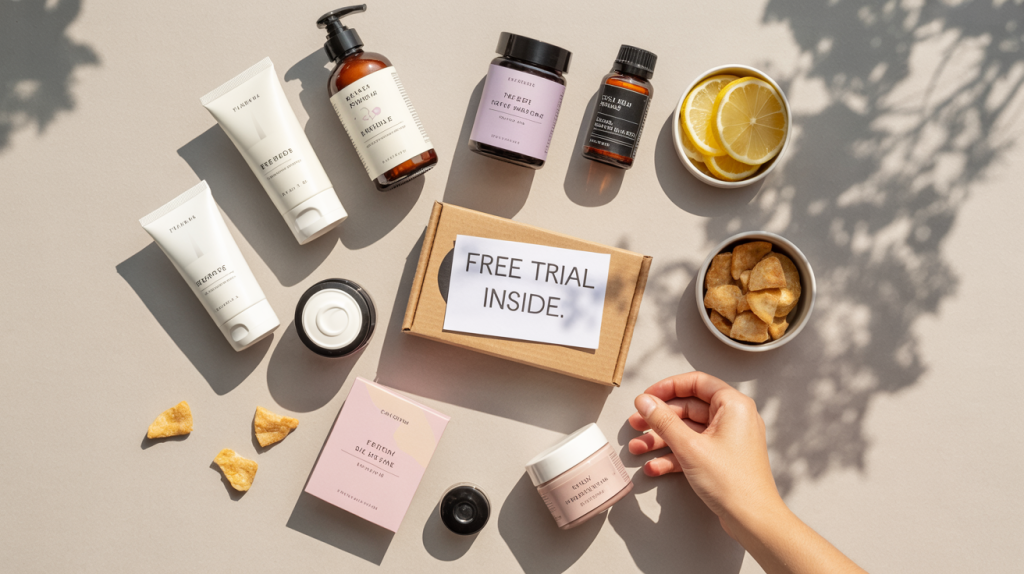
Meal kits and snack boxes: Companies like HelloFresh, Blue Apron, and snack subscription services offer free boxes or discounts for first-time users.
-
Beauty and health products: Brands often send free samples in exchange for sign-ups or reviews.
While freebies are enticing, there’s often a hidden catch: once the trial ends, your payment method is automatically charged. This is where mistakes happen. But with some careful planning, you can avoid it entirely.
Step 1: Set Up a System to Track Free Trials
The easiest way to accidentally get charged is to forget about a trial. The best defense is to stay organized.
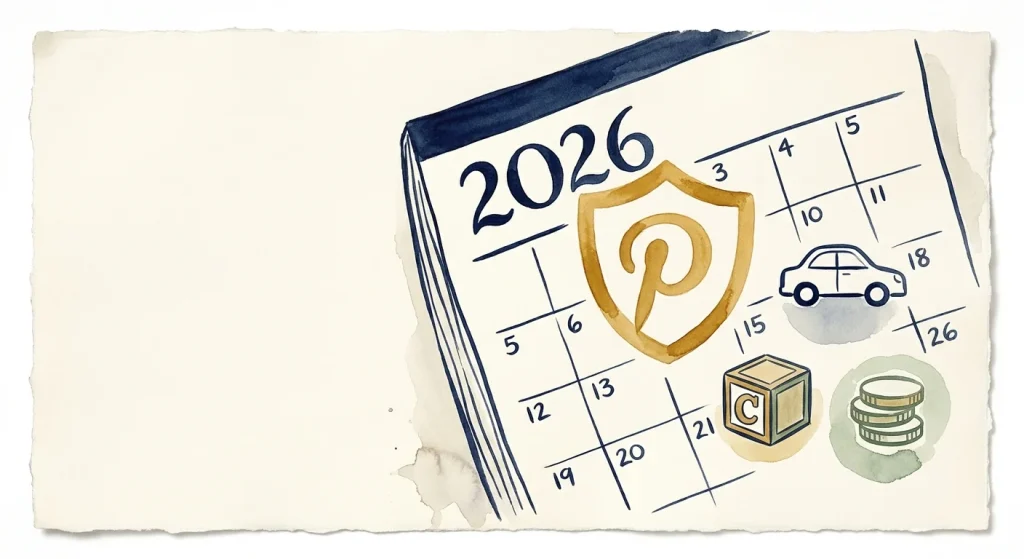
Use a Calendar or Reminder System
-
Set a reminder one day before your trial ends.
-
Include the product name, trial length, and cancellation instructions.
-
Use your phone’s calendar or a tool like Google Calendar, Notion, or Trello for multiple subscriptions.
Keep a Freebie Log
Some people maintain a spreadsheet listing:
| Service | Trial Length | Sign-Up Date | Cancel By | Notes |
|---|---|---|---|---|
| Netflix | 30 days | Feb 1 | Mar 1 | Cancel if not needed |
This may feel extra, but for heavy users of free trials, it’s a lifesaver.
Step 2: Use a Separate Payment Method
When signing up, avoid linking your primary credit card or bank account. Here are safer options:
Prepaid Cards or Gift Cards
-
Use a prepaid debit card with a limited balance.
-
Once the trial ends, the card simply runs out of money—no surprise charges.
Virtual Credit Cards
-
Many banks and apps like Revolut, Capital One, or Privacy.com allow you to generate virtual cards with spending limits.
-
These cards can expire after a single transaction or prevent automatic subscription charges.
PayPal
-
Some services let you pay via PayPal, which can be disconnected before the trial ends.
-
PayPal also allows you to cancel recurring payments easily.
Step 3: Read the Fine Print
Free trials often come with terms and conditions that can surprise you if you aren’t paying attention.
Common Things to Watch Out For
-
Auto-renewal: Most trials automatically convert into paid subscriptions.
-
Limited availability: Some offers are only valid for new customers.
-
Shipping fees: Physical freebies like sample boxes sometimes require paying shipping.
-
Minimum commitment: Check if skipping or canceling early affects your eligibility for future promotions.
Tip: Look specifically for phrases like “canceled within X days to avoid charges” or “one-time shipping fee applies”.
Step 4: Sign Up Strategically
Not every free trial is worth your time. Here’s how to choose wisely:
Prioritize What You’ll Actually Use
-
Don’t sign up just because it’s free.
-
Consider whether the service fits your lifestyle or goals.
Space Out Trials
-
If you sign up for several free trials simultaneously, you might forget one ends and get charged.
-
Space them out by a week or two to keep track.
Use a Secondary Email
-
Avoid cluttering your primary inbox.
-
Dedicated email addresses also make it easier to unsubscribe or track offers.
Step 5: Master Cancellation Before the Deadline
Canceling a free trial is crucial if you don’t want to be charged. Here’s how to do it safely:
Cancel Early but Keep Access
-
Some services allow you to cancel immediately and still enjoy the trial until it ends.
-
This way, you don’t risk forgetting the end date.
Document Your Cancellation
-
Take a screenshot or save a confirmation email.
-
This protects you in case of disputes later.
Follow Official Channels
-
Cancel through the company’s official app or website.
-
Avoid third-party shortcuts that might not register.
Step 6: Take Advantage of Free Samples and Giveaways
Not all freebies require a subscription. Some are completely risk-free:
Sign Up for Sample Programs
-
Beauty and wellness brands often have free sample clubs.
-
Websites like PINCHme, SampleSource, and Influenster send products with zero obligations.
Social Media Giveaways
-
Follow brands on Instagram, TikTok, and Facebook.
-
Participate in contests, but avoid sharing sensitive info like credit card numbers.
In-Store Promotions
-
Grocery stores, pharmacies, and retailers frequently offer free items for first-time customers.
-
Check their newsletters for updates.
Step 7: Combine Freebies with Cashback and Rewards
To maximize savings, you can stack freebies with loyalty programs or cashback apps.
Loyalty Points
-
Many stores give points for free trial sign-ups or sample redemptions.
-
Redeem points for discounts or gift cards.
Cashback Apps
-
Apps like Rakuten, Honey, Ibotta, and Dosh provide money back on trial purchases or subscription services.
-
Even if you pay a nominal shipping fee for a free sample, you can sometimes recover the cost.
Step 8: Be Wary of “Trial Traps”
Not every free offer is harmless. Watch out for:
-
Negative-option billing: This is when the company makes it extremely easy to sign up but very difficult to cancel.
-
Phishing scams: Fake “free trial” emails that steal your personal information.
-
Hidden fees: Some trials charge an activation fee or processing fee upfront.
Red flags include:
-
Emails that look unprofessional or contain typos.
-
Requests for more personal info than seems necessary.
-
Websites without a secure connection (look for HTTPS).
Step 9: Explore Legitimate Freebie Websites
Many websites compile verified freebies and trial offers. These are generally safe and save you time:
-
FreeSamples.org – Curated list of products from food to beauty.
-
Reddit Freebies (r/freebies) – Community-shared opportunities.
-
BzzAgent – Product testing with detailed feedback in exchange for free items.
-
Slickdeals Freebies Section – Discounts, trials, and free items from multiple retailers.
Step 10: Build a Freebie Routine
If you enjoy free trials and samples, turn it into a system:
-
Weekly Check-In: Review new offers and pick a few to sign up for.
-
Calendar Reminders: Always set trial end dates.
-
Track Shipping: For physical samples, note when they arrive and if you need to take action.
-
Evaluate Value: After each trial, ask yourself if the product or service is worth a full purchase. This avoids accumulating unnecessary subscriptions.
Bonus Tips: Smart Hacks for Free Trials
-
Use Family or Friend Accounts: Sometimes you can share a free trial across multiple users.
-
Sign Up With a Browser Extension: Tools like Honey or Rakuten automatically apply coupon codes and alerts for deals.
-
Look for Credit Card Benefits: Some credit cards offer free trial extensions or reimbursements.
-
Try Student or Military Offers: Many subscriptions have specialized trials for students or service members.
-
Leverage Referral Programs: Some services extend free months if you refer friends.
Common Mistakes to Avoid
-
Signing up and forgetting: Without reminders, you’ll almost always get charged.
-
Overcommitting: Too many trials at once makes it difficult to track deadlines.
-
Using your main card: One accidental charge can undo your savings streak.
-
Ignoring shipping or processing fees: Even “free” trials sometimes come with small unavoidable costs.
-
Assuming cancellation is automatic: Always verify.
Why Freebies Are Worth the Effort
Free trials and samples aren’t just about saving money—they’re also a way to:
-
Test products risk-free: Experience new tools, services, or foods without commitment.
-
Discover hidden gems: Many people find long-term favorites through a trial period.
-
Save strategically: Stacking freebies and cashback can create significant savings over time.
Navigating the world of freebies and trial offers doesn’t have to be stressful. With planning, smart signup strategies, and careful tracking, you can enjoy a wide range of products and services without ever getting charged. From digital subscriptions to physical samples, there’s a wealth of opportunities waiting for you—just remember to stay organized, read the fine print, and protect your payment methods.
Freebies are more than just a perk—they’re a tool to explore, experiment, and save intelligently. With this guide, you’re equipped to make the most of every offer and keep your finances firmly in your control.
Read next: How to Never Pay Full Price for Household Essentials Again