Small “Comfort Purchases” That Add Up to Thousands a Year
Most people don’t overspend because of big, reckless decisions. They overspend quietly, in small moments, through purchases that feel comforting, harmless, and even deserved. A coffee on the way to work. A takeout order after a long day. A small online order to lift the mood. None of these feel like financial mistakes. In fact, they often feel like self-care.
But over time, these small “comfort purchases” can become one of the biggest drains on household budgets—without ever feeling like a problem.
Because they’re emotional, routine, and socially normalized, comfort purchases slip under the radar. They don’t trigger guilt the way large expenses do. Yet when added up over months and years, they can quietly consume thousands of dollars.
Why Comfort Spending Feels Different From “Bad” Spending
Comfort purchases live in a psychological gray area. They’re not luxury splurges, but they’re not strict necessities either. They sit somewhere in between, justified by stress, fatigue, or the desire for small moments of relief.
Many Americans don’t view these purchases as spending at all. They’re framed as:
-
Rewards for hard days
-
Tools for coping with stress
-
Time-savers in a busy schedule
-
Affordable ways to feel good
Because the amounts are small, the emotional barrier to spending is low. There’s no big decision to make, no long-term commitment to consider. The purchase happens quickly, often automatically.
Over time, this creates spending habits that feel invisible—even to careful budgeters.
The Daily Coffee Habit That Doesn’t Feel Expensive
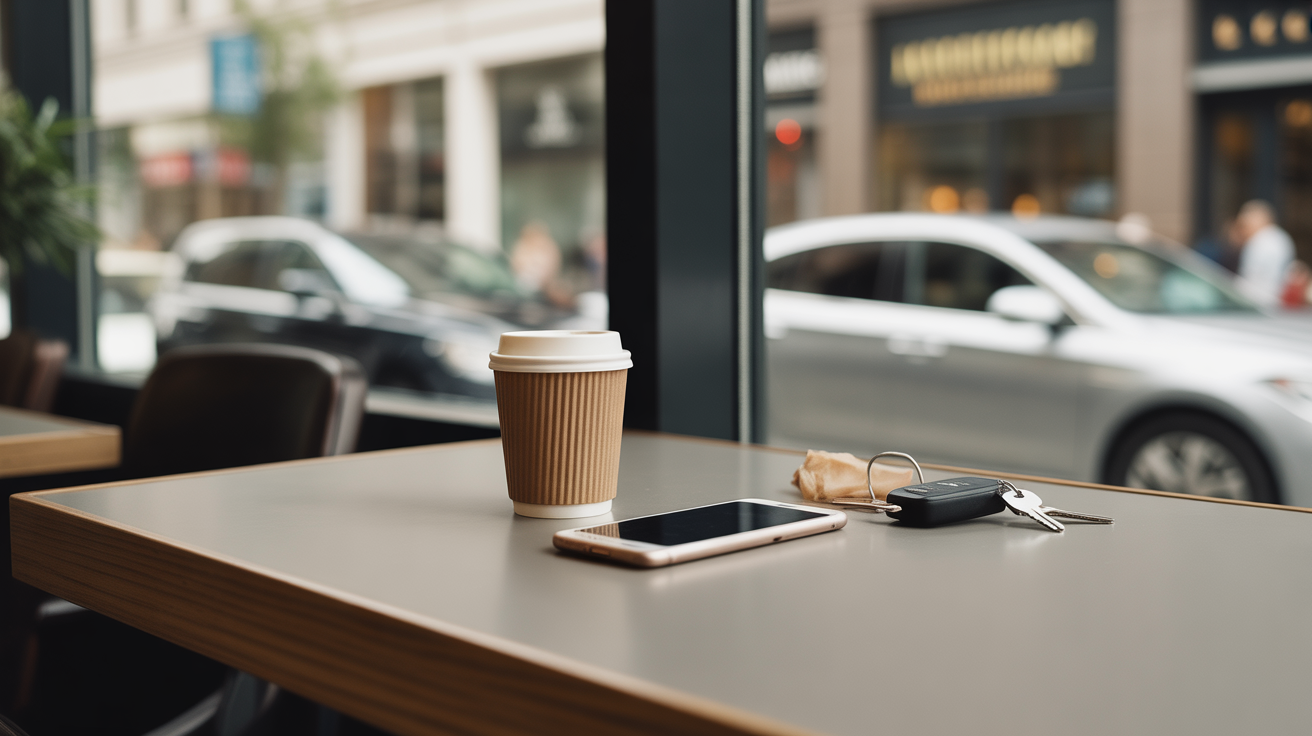
Few comfort purchases are as normalized as coffee. A $4 or $5 drink feels like a small indulgence, especially when compared to larger lifestyle expenses. Many people don’t even think twice before tapping their card.
But daily habits compound fast.
A $5 coffee, five days a week, adds up to roughly $100 per month. Over a year, that’s $1,200—just for weekday mornings. Add weekend stops, specialty drinks, or pastries, and the total climbs even higher.
Because coffee is tied to routine and productivity, it rarely feels optional. It becomes part of the day rather than part of the budget.
Takeout, Delivery, and “I Don’t Feel Like Cooking”
Food is one of the biggest comfort spending categories for American households.
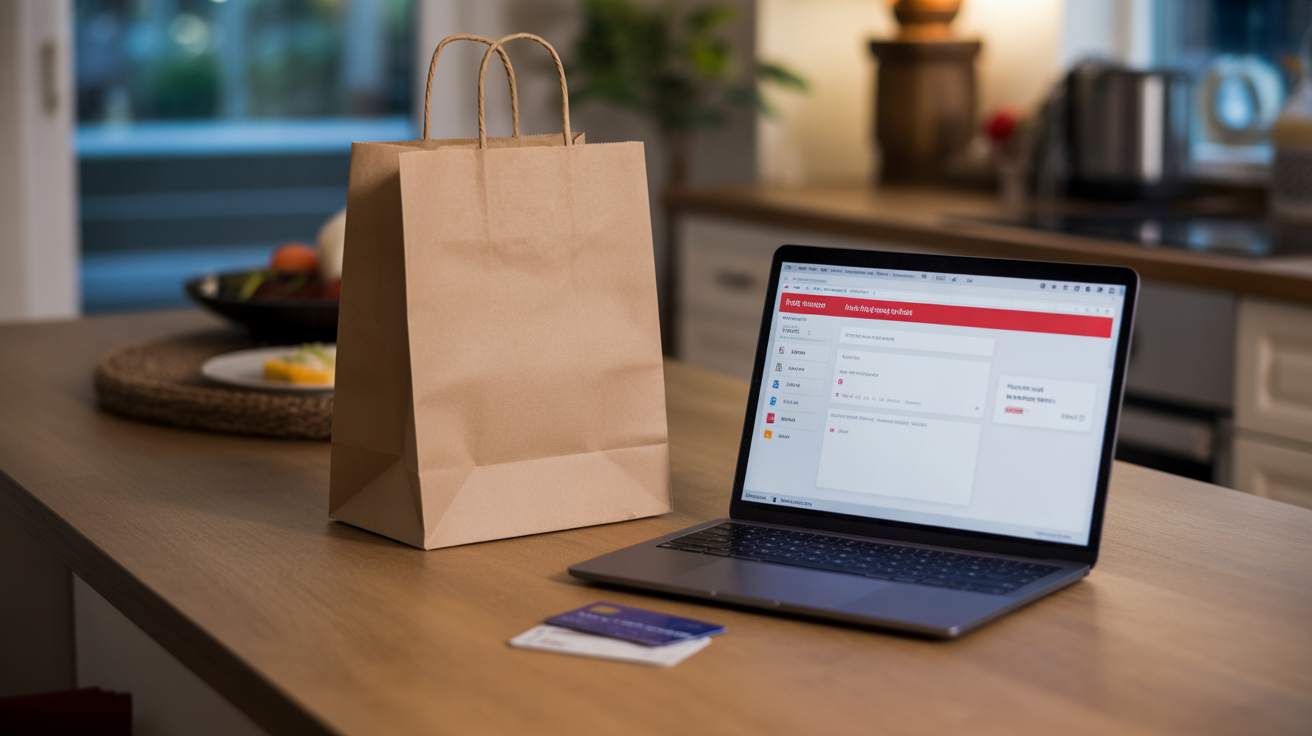
After long workdays, emotional stress, or busy schedules, ordering food feels like relief. It saves time, reduces mental effort, and provides instant satisfaction. One meal doesn’t feel expensive—until it becomes a habit.
Delivery fees, service charges, and tips often double the perceived cost of food. A meal that would cost $15 at home can easily reach $30 or more through delivery apps.
When takeout becomes a few times a week, the annual cost can quietly reach several thousand dollars—without ever being labeled as overspending.
Small Online Purchases and the Dopamine Effect
Online shopping has turned comfort spending into a reflex.
A small order here, a discount there, free shipping, easy returns—it all feels low-risk. Many comfort purchases are made not out of need, but out of emotion: boredom, stress, sadness, or even celebration.
These purchases often fall into categories like:
-
Beauty and skincare
-
Home decor
-
Clothing basics
-
Gadgets and accessories
Each individual order feels manageable. But because they’re frequent and emotionally driven, they accumulate quickly.
What’s more, the emotional benefit is short-lived. The excitement fades, but the spending remains.
Convenience Fees We Barely Notice
Modern life is built around convenience—and convenience often comes at a premium.
From delivery services and ride-sharing to express shipping and priority access, Americans regularly pay extra to save time or effort. These fees are rarely large enough to stand out, but they appear often.
Over time, paying for convenience becomes a default setting rather than a conscious choice. And while each fee feels justified in the moment, their cumulative effect is significant.
Subscription-Based Comfort Spending
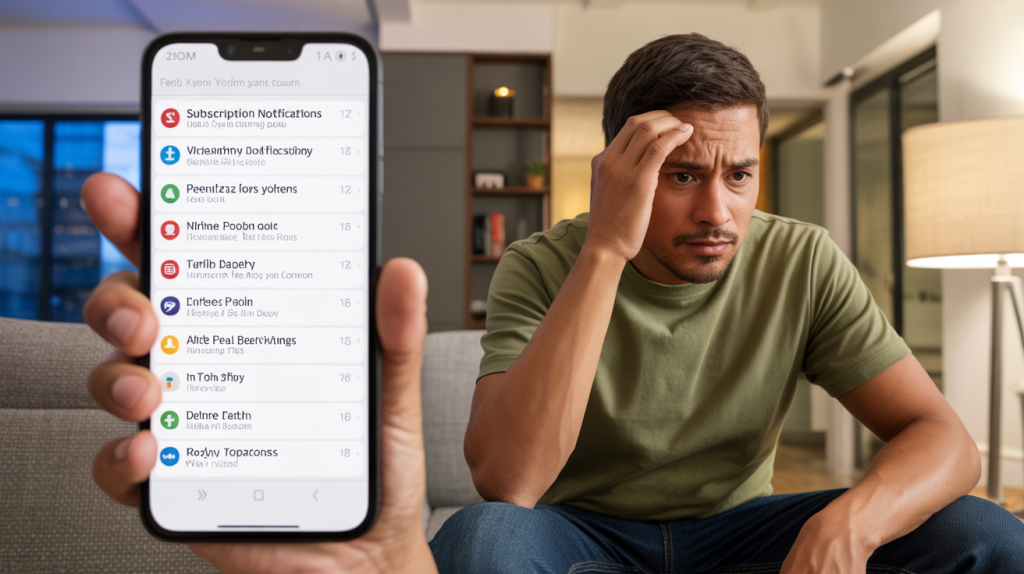
Comfort purchases aren’t always one-time expenses. Many come in the form of recurring subscriptions that promise ongoing ease or enjoyment.
Streaming upgrades, premium apps, wellness platforms, and curated boxes all fall into this category. They’re designed to feel like small monthly treats rather than long-term commitments.
Because the charge is recurring and automated, it fades into the background—continuing long after the initial excitement has worn off.
The Emotional Role of “Little Treats”
Comfort spending often fills emotional gaps.
During stressful periods, uncertainty, or burnout, small purchases offer control and predictability. They create moments of pleasure in otherwise demanding days.
This doesn’t mean comfort spending is wrong. It means it’s powerful.
When spending becomes a primary coping mechanism, however, it can quietly replace more sustainable forms of care—while also weakening financial stability.
Why These Purchases Rarely Get Questioned
Comfort purchases are rarely scrutinized because:
-
They’re socially accepted
-
They’re emotionally justified
-
They’re relatively small
-
They’re spread across many categories
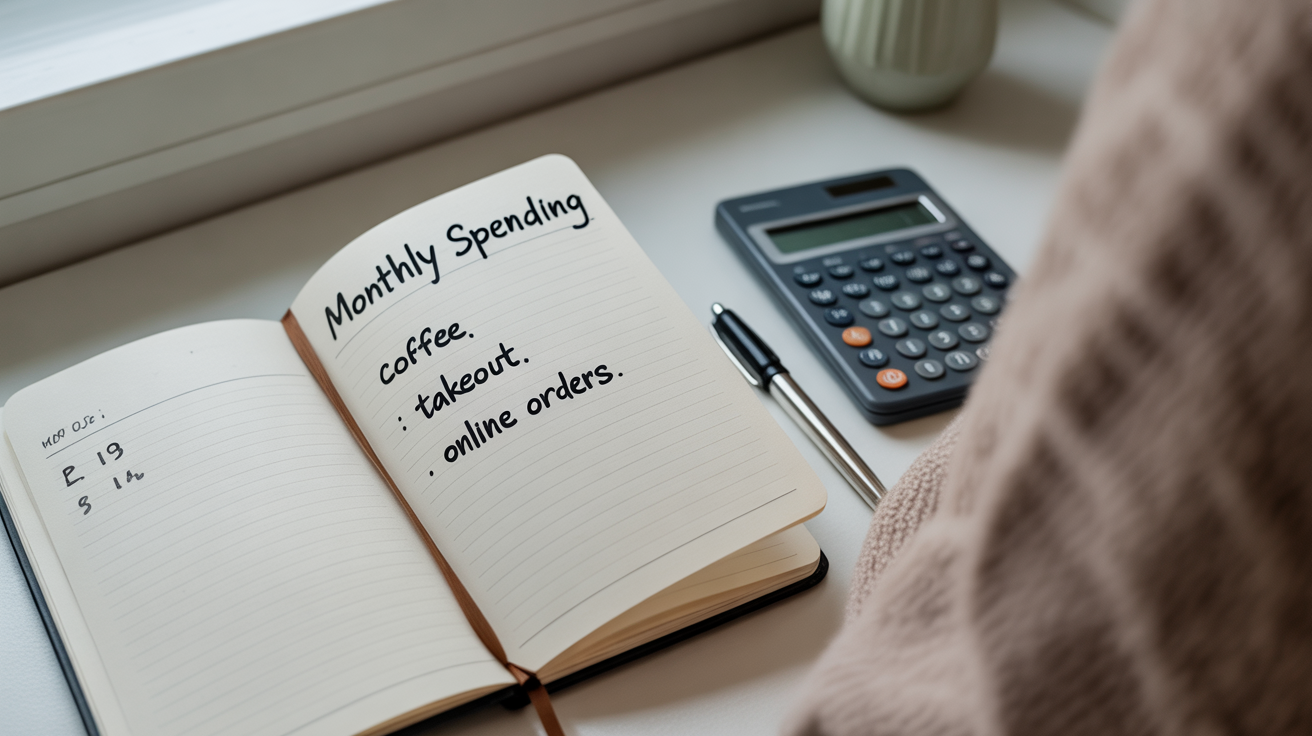
Most people don’t track them carefully. And even when they do, it’s hard to see the pattern without zooming out.
What feels like “just getting through the week” can slowly turn into a permanent budget leak.
The Opportunity Cost of Comfort Spending
The true cost of comfort purchases isn’t just the money spent—it’s what that money could have supported instead.
Hundreds of dollars per month could:
-
Build emergency savings
-
Reduce financial stress
-
Increase flexibility during life changes
-
Fund meaningful experiences
Because comfort spending feels kind and deserved, it’s often the last area people want to examine. But awareness doesn’t require elimination—it requires intention.
Creating Comfort Without Constant Spending
Reducing comfort spending doesn’t mean removing joy. It means redefining it.
Small changes—like choosing certain days for treats, creating low-cost rituals, or pausing before emotional purchases—can dramatically reduce annual spending without sacrificing well-being.
The goal isn’t to deny comfort. It’s to make sure comfort isn’t quietly costing more than it gives back.
Comfort purchases don’t feel dangerous because they aren’t dramatic. They’re quiet, familiar, and emotionally soothing. But over time, they can quietly reshape financial reality.
Understanding where comfort spending shows up—and how often—can be a powerful step toward balance. Not by removing joy, but by aligning it with long-term peace.
Because true comfort isn’t just about feeling better today—it’s about feeling secure tomorrow.
Read next: Subscription Fatigue: How Americans Pay for Things They Don’t Use