Check This Now: You Could Be Eligible for an Amazon Refund
If you’ve ever looked at your bank statement and thought, “Wait… when did I sign up for Amazon Prime?” — you’re not alone. Millions of Americans have had the same moment of confusion over the years. Now, that confusion is turning into real money for some shoppers.
A major settlement involving Amazon and the Federal Trade Commission (FTC) is putting refunds back into consumers’ pockets. For everyday Americans—especially those watching every dollar—this story is about more than Prime memberships. It’s about transparency, digital spending habits, and learning how to protect your money in an increasingly subscription-based world.
This guide breaks down what happened, who qualifies, how refunds work, and what lessons American households can take from it.
What Triggered the Amazon Refunds?
At the center of this story is a $2.5 billion settlement between Amazon and the FTC. The FTC accused Amazon of using deceptive design practices, often called “dark patterns,” that nudged users into enrolling in Amazon Prime without clear consent—or made it unnecessarily difficult to cancel once enrolled.
According to regulators, these practices included:
-
Confusing sign-up screens
-
Default Prime selections during checkout
-
Multi-step cancellation flows designed to frustrate users
While Amazon denied wrongdoing, it agreed to settle and make changes to how Prime is presented and canceled.
The Big Number That Matters to Consumers
Out of the $2.5 billion settlement:
-
$1.5 billion is set aside specifically for consumer refunds
That’s not a symbolic number. That’s real money earmarked for people who paid for Prime when they didn’t mean to—or struggled to cancel.
Why This Matters to American Households
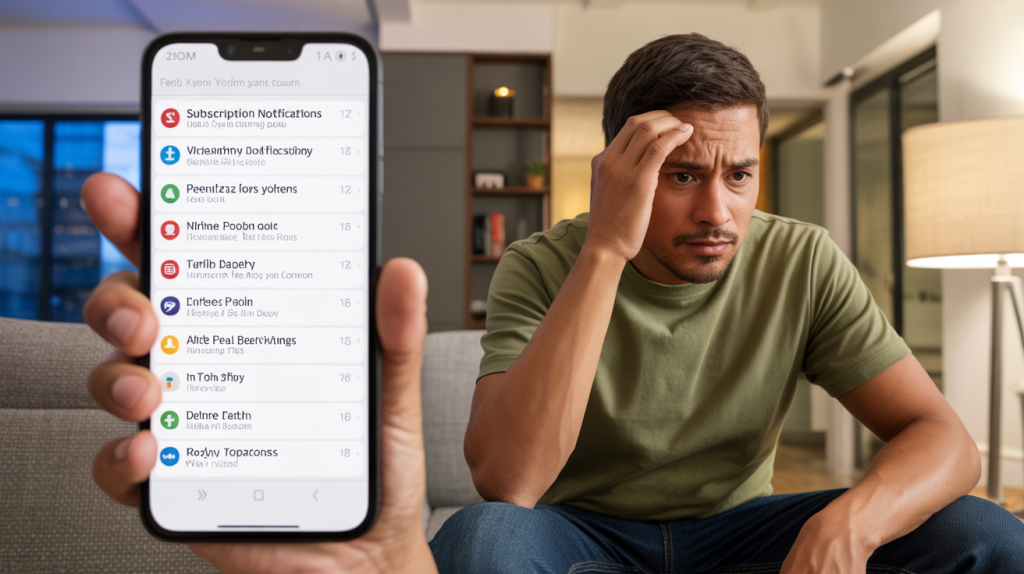
Subscriptions quietly drain budgets. Many Americans don’t feel “broke” because of one large expense—but because of dozens of small recurring charges.
Amazon Prime is a perfect example:
-
Monthly or annual fees
-
Automatically renewed
-
Often bundled with benefits people don’t fully use
For households already stretched by rising grocery prices, housing costs, and utilities, even a $14.99 monthly charge can add up fast.
This settlement highlights a bigger issue: how easy it is to lose money without noticing in the modern digital economy.
Who Is Eligible for an Amazon Refund?
You may qualify for a refund if you fall into one of these categories:
1. Accidental Prime Enrollment
If you:
-
Clicked through checkout quickly
-
Didn’t realize Prime was selected
-
Thought you were signing up for a free trial
You could be eligible.
2. Trouble Canceling Prime
If you:
-
Tried to cancel but gave up
-
Were pushed through multiple screens
-
Didn’t understand how to fully exit Prime
That experience is exactly what the FTC investigated.
3. Former Prime Members (Even Years Ago)
Eligibility isn’t limited to recent users. Some refunds may apply to past Prime charges, depending on Amazon’s records and FTC guidelines.
How Amazon Refunds Are Being Paid
Refunds are being distributed in several ways, depending on how Amazon can reach you.
Automatic Payments
Some customers are receiving refunds automatically, without filing a claim. These payments began in mid-November and continue through late December.
Payment Methods Include:
-
PayPal
-
Venmo
-
Direct digital payment notifications
If you receive a message about a refund, you usually have 15 days to accept it.
Missed the Digital Payment?
If you don’t accept the refund in time:
-
Amazon may send a paper check
-
It goes to the last address on file
This is why keeping your account information updated matters more than people realize.
What If You Need to File a Claim?
Not everyone will receive an automatic refund.
Some users may need to:
-
Complete a claim form
-
Confirm past Prime charges
-
Verify identity or payment details
Claim forms are expected to be sent between late December and late January, depending on eligibility.
⚠️ Important:
The FTC will never ask for sensitive information via text or unsolicited phone calls. Be cautious of scams pretending to be part of this refund process.
How Much Money Could You Get Back?
Refund amounts vary.
They depend on:
-
How long you were enrolled
-
How many Prime payments were charged
-
Whether the enrollment was deemed accidental
For some, it may be a small refund.
For others, especially long-term accidental subscribers, it could be significant.
Even $50–$150 back can make a difference for households managing tight monthly budgets.
Why Amazon Prime Was So Hard to Cancel
The FTC case spotlighted something many Americans already felt: canceling Prime wasn’t simple.
Reported issues included:
-
Multiple confirmation screens
-
Emotional messaging (“You’ll lose these benefits!”)
-
Hidden cancellation paths
This tactic—sometimes called a “roach motel” design—makes it easy to get in, but hard to get out.
As part of the settlement, Amazon agreed to:
-
Simplify cancellation
-
Improve transparency
-
Reduce manipulative design elements
That’s a win not just for Prime users—but for all consumers navigating subscriptions online.
The Bigger Lesson: Subscription Awareness
This case isn’t just about Amazon. It’s about how Americans spend money today.
Common Subscription Traps
-
Free trials that auto-renew
-
One-click upgrades
-
Bundled services you don’t track
Many households are paying $200–$300 per month in subscriptions without realizing it.
Smart Moves Going Forward
Here’s how American shoppers can protect themselves:
1. Audit Subscriptions Quarterly
Check:
-
Bank statements
-
App store subscriptions
-
Email confirmations
2. Turn Off Auto-Renew When Possible
If you like a service, re-subscribe intentionally.
3. Screenshot Cancellations
Always keep proof—especially for large platforms.
4. Use Calendar Reminders
Set reminders before free trials end.
What This Refund Means for Consumer Protection
This settlement is one of the largest consumer protection actions in FTC history. It sends a clear message:
Companies must make it just as easy to leave as it is to join.
For consumers, this sets a precedent. It encourages:
-
Clear pricing
-
Honest design
-
Respect for user consent
And for everyday Americans, it reinforces something powerful: your money matters, even in small amounts.
Check, Claim, and Stay Alert
If you’ve ever had Amazon Prime—even briefly—it’s worth paying attention.
-
Watch your email
-
Check your payment apps
-
Update your account information
Refunds like this don’t happen often, and when they do, they’re usually time-sensitive.
At American Pockets, we believe financial awareness starts with everyday actions—checking statements, questioning charges, and understanding your rights as a consumer.
This Amazon refund isn’t just about getting money back.
It’s about learning to keep more of what you earn.
Read next: New Year Saving Resolutions: Realistic Money Goals You Can Actually Keep