In 2026, fridge goals aren’t about perfection, Pinterest aesthetics, or stocking foods you wish you ate. They’re about creating a fridge that works for your real habits, your actual budget, and your daily energy levels.
Most people don’t fail at eating well or saving money because they lack discipline. They struggle because their fridge is working against them — cluttered, confusing, and full of food that doesn’t match real life.
A good fridge doesn’t just store food.
It actively supports you by reducing friction in your day.
A supportive fridge:
-
Reduces stress
-
Saves money
-
Helps you eat consistently
-
Cuts food waste
-
Makes daily life easier
This is your realistic guide to setting fridge goals for 2026 — whether you’re focused on saving money, eating better, simplifying life, or all three at once.
What “Fridge Goals” Actually Mean in 2026
Forget the influencer fridge filled with identical glass jars, rare fruits, and food arranged for photos instead of function.
In 2026, fridge goals are about usefulness, not performance.
A realistic fridge is:
-
Practical, not performative — built for daily use, not social media
-
Flexible, not rigid — able to handle busy weeks and low-energy days
-
Budget-aware, not aspirational — stocked with what you’ll actually eat
-
Designed for imperfect weeks — not just ideal routines
The best fridge isn’t the prettiest one.
It’s the one that quietly helps you make good-enough choices over and over again.
Fridge Goal #1: A Fridge That Prevents Food Waste
Food waste is one of the biggest silent budget killers in American households. It’s rarely about buying too much — it’s about forgetting what you already have.
Most food waste happens because items get pushed to the back, hidden behind newer groceries, or stored in places we don’t check often.
Simple, realistic rules that actually work:
-
Keep leftovers at eye level, not buried
-
Move condiments into the drawer (they last longer and free shelf space)
-
Group food by how you use it, not what it is
Example fridge zones:
-
“Eat First” shelf → leftovers, near-expiration items
-
Quick snacks shelf → yogurt, fruit, ready-to-grab items
-
Meal prep / ingredients shelf → items meant for cooking
If you can’t see it, you won’t eat it — and eventually, you’ll throw it away.

Fridge Goal #2: A “Week Survival” Setup (Not a Perfect One)
Your fridge shouldn’t only support you on your best days.
It needs to carry you through the hard ones too.
That means your fridge should work when you’re:
-
Exhausted after work
-
Overstimulated and overwhelmed
-
Busy, stressed, or unmotivated
-
Just not in the mood to cook
A “week survival” fridge always includes:
-
Eggs
-
One simple protein
-
One carb option
-
Frozen or fresh vegetables
-
One or two easy sauces
This setup prevents the classic thought:
“There’s nothing to eat,”
which usually leads to expensive takeout or food delivery.
Fridge Goal #3: Stock Foods You Actually Eat (Not Who You Want to Be)
One of the biggest money traps is buying aspirational food — groceries that represent who you wish you were instead of who you are right now.
In 2026, fridge goals are about honesty.
That means:
-
Buying foods you already enjoy
-
Repeating meals without guilt
-
Letting go of fantasy grocery shopping
If you don’t regularly eat kale, stop buying kale.
If yogurt works for you every week, keep it stocked.
Consistency beats novelty — every single time.
Fridge Goal #4: A Clear Protein Plan
Protein is often the missing piece that leads to constant snacking, energy crashes, and impulsive food spending.
When protein is unclear or inconvenient, everything else feels harder.
A strong 2026 fridge goal is simple:
👉 Always have 2–3 protein options ready at all times.
Examples:
-
Eggs
-
Chicken or tofu
-
Greek yogurt
-
Beans or lentils
-
Canned tuna or salmon
When protein is easy to grab, meals stop feeling complicated — and eating becomes automatic instead of stressful.
Fridge Goal #5: A “No Decision” Breakfast Section
Morning decisions drain energy faster than almost anything else.
Instead of choosing a different breakfast every day, create a breakfast zone that removes decision-making entirely.
Your fridge should include:
-
One main breakfast option for the week
-
One backup option for variety or emergencies
Simple examples:
-
Yogurt + fruit
-
Overnight oats
-
Eggs
-
Toast + spreads
Eating the same breakfast isn’t boring — it’s efficient.
And efficiency saves both time and mental energy.
Fridge Goal #6: A Fridge That Supports Your Budget
A smart fridge saves money by design, not by restriction.
Budget-friendly fridge habits include:
-
Buying fewer ingredients and using them more often
-
Choosing frozen vegetables when they’re cheaper and last longer
-
Planning one main protein per week
-
Cooking meals that intentionally create leftovers
A fridge doesn’t need endless variety.
It needs purpose and repetition.
Fridge Goal #7: Weekly Reset, Not Daily Perfection
You don’t need to reorganize your fridge every day.
That’s unrealistic and unnecessary.
The 2026 rule is simple:
👉 One 10-minute fridge reset per week.
That reset includes:
-
Tossing expired food
-
Moving leftovers to the front
-
Wiping one shelf if needed
-
Noting what needs to be eaten soon
This small habit prevents chaos from building up — without turning fridge organization into a chore.
Fridge Goal #8: A Dedicated “Easy Meals” Section
This is where real life actually happens.
An “easy meals” section gives you permission to eat without effort on hard days.
Stock items like:
-
Pre-cooked protein
-
Frozen meals you genuinely enjoy
-
Soup
-
Dumplings, pasta dishes, or ready meals
Easy food is not lazy food.
It’s strategic food that keeps you consistent.

Fridge Goal #9: Fewer Sauces, Better Sauces
Too many sauces create clutter, confusion, and decision fatigue.
Instead, aim for 5–7 sauces you actually use.
A balanced lineup might include:
-
One creamy sauce
-
One spicy sauce
-
One savory sauce
-
One oil-based sauce
Good sauces turn basic food into satisfying meals — without needing complicated recipes.
Fridge Goal #10: Drinks That Support Your Energy (Not Just Caffeine)
Hydration affects mood, hunger, focus, and energy levels more than most people realize.
In 2026, your fridge should make hydration easy.
Keep visible:
-
Water
-
Sparkling water
-
Herbal tea (hot or cold)
Keep sugary drinks and alcohol out of sight or in limited quantities.
Your fridge should support how you want to feel — not sabotage you.
Fridge Goal #11: A Fridge That Matches Your Life Season
There is no single “ideal” fridge.
Your fridge should change with your life.
Different seasons call for different setups:
-
Busy work season → more shortcuts
-
Financial reset → simpler staples
-
Health focus → consistent basics
-
Travel-heavy months → minimal stock
The goal isn’t perfection — it’s alignment with your current reality.
Fridge Goal #12: Stop Using the Fridge as Storage for Guilt
Old leftovers. Half-used ingredients. Food you feel bad throwing away.
In 2026, the goal is clarity — not guilt.
That means:
-
Fewer items
-
Clear purpose for everything inside
-
Letting go when food has passed its time
Throwing away expired food isn’t failure.
It’s feedback — and a chance to shop smarter next time.
A Realistic 2026 Fridge Example
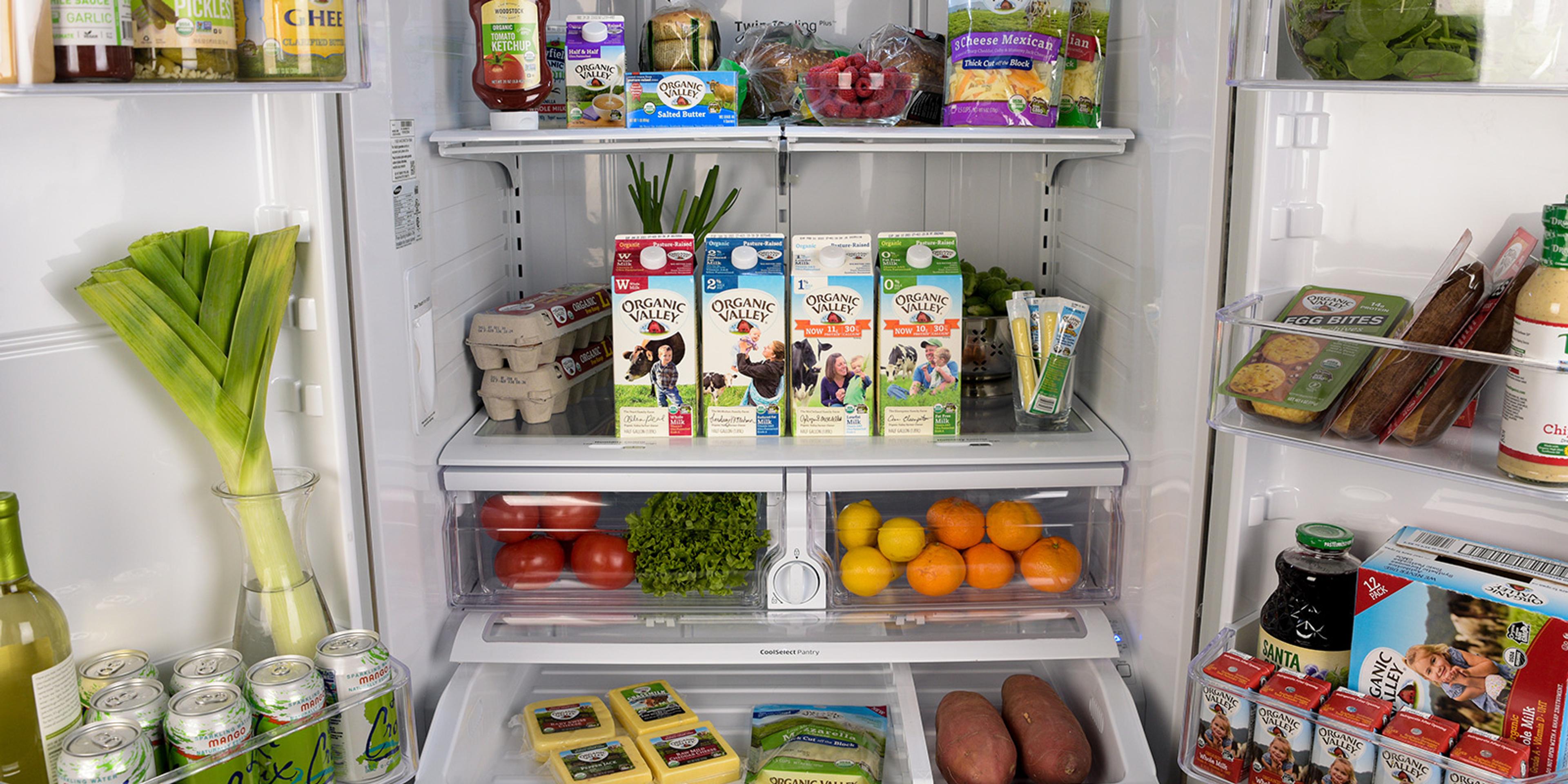
A calm, functional fridge might look like this:
-
Top shelf: Leftovers + ready-to-eat meals
-
Middle shelf: Protein + meal components
-
Bottom shelf: Produce (limited and intentional)
-
Drawer: Condiments
-
Door: Drinks
Simple. Functional. Supportive.
Why Fridge Goals Matter More Than Diets
Diets rely on motivation — and motivation fades.
Fridge systems rely on structure — and structure lasts.
When your fridge supports you:
-
You spend less money
-
You eat more consistently
-
You feel less daily stress
-
You make better choices automatically
That’s real, sustainable progress.
Your 2026 Fridge Should Make Life Easier
Your fridge doesn’t need to be aesthetic.
It doesn’t need to be impressive.
It doesn’t need to look like anyone else’s.
It just needs to:
-
Feed you
-
Support your budget
-
Reduce daily friction
That’s the real fridge goal for 2026.
And it’s completely achievable — one shelf at a time.
Read next: The Sneaky Monthly Expenses Americans Forget to Budget For