Most Americans don’t fail at budgeting because they’re irresponsible or bad with money. They fail because real life doesn’t fit neatly into categories like “rent,” “groceries,” and “gas.”
The problem isn’t the big, obvious bills. It’s the quiet, recurring expenses that slip through the cracks — the ones that feel too small, too irregular, or too boring to plan for. Over time, those forgotten costs quietly drain hundreds (sometimes thousands) of dollars a year, leaving people confused about where their money actually went.
If you’ve ever felt like your paycheck disappears even though you “budget,” this article is for you. Let’s break down the most common sneaky monthly expenses Americans forget to budget for — and why they matter more than you think.

1. Subscription Creep: The Charges You’ve Learned to Ignore
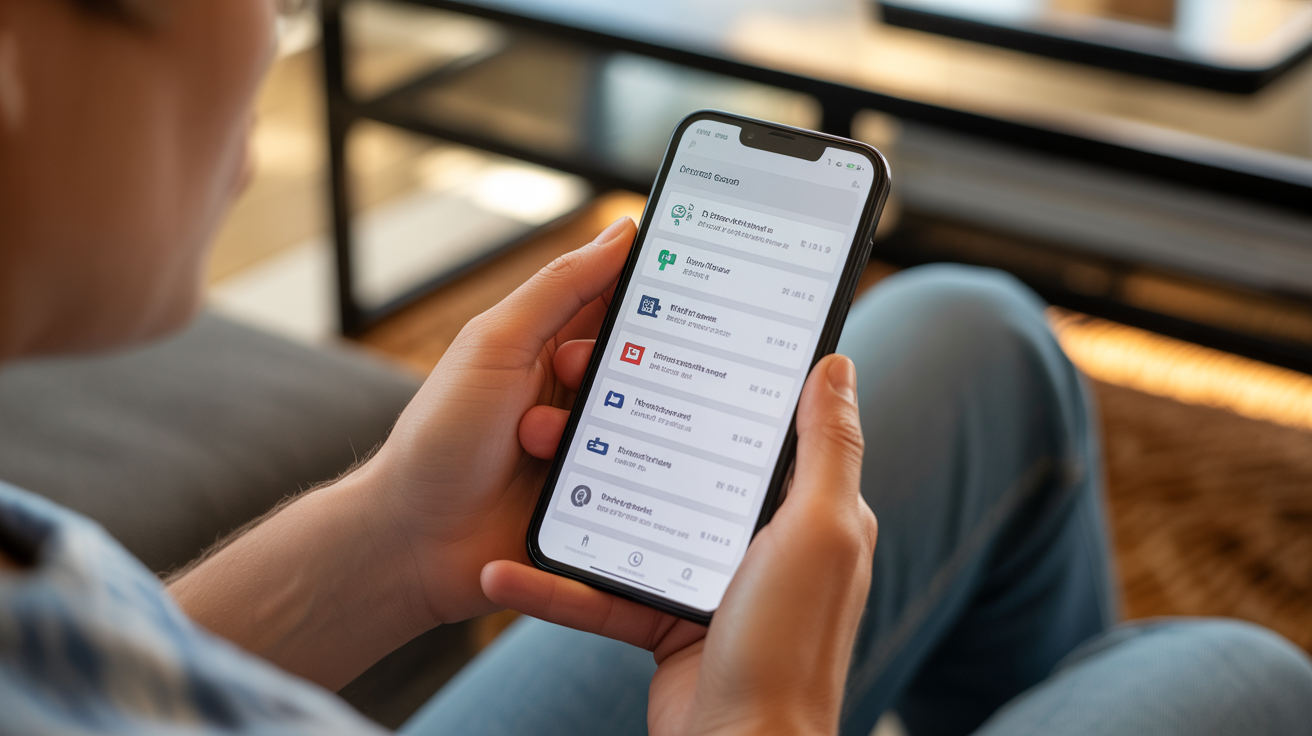
Subscriptions are the modern equivalent of loose change — except they’re automatic, invisible, and relentless.
Streaming platforms, music apps, cloud storage, fitness memberships, meditation apps, delivery services, newsletters — most people sign up for these one at a time. Each one feels harmless. $6.99 here. $12.99 there.
The problem isn’t any single subscription. It’s how many you’re paying for without thinking about it.
Many Americans carry:
-
Multiple streaming services (often overlapping content)
-
Subscriptions they “plan to cancel later”
-
Free trials that quietly turned into paid plans
-
Apps they no longer use but still pay for
Because these charges hit automatically, they don’t trigger the same pain response as cash spending. By the time you notice them, they’ve already become part of your financial background noise.
Even well-known services like Netflix or Amazon Prime can quietly increase in price over time, raising your monthly costs without you ever actively agreeing to it.
2. Annual Bills Masquerading as “Random” Expenses
Some expenses don’t show up every month — and that’s exactly why people forget to budget for them.
Think about:
-
Amazon Prime renewals
-
Credit card annual fees
-
Costco or Sam’s Club memberships
-
Antivirus software
-
Domain names or website hosting
-
Professional licenses
When these charges hit once a year, they often feel like surprise emergencies — even though they were completely predictable.
The mistake many households make is treating annual expenses as unexpected events instead of dividing them into monthly “sinking funds.” A $120 yearly fee is much less stressful when you’ve been setting aside $10 a month for it.
Without this habit, annual expenses feel like financial ambushes.
3. Bank Fees and “Small” Financial Penalties
Bank fees don’t feel like spending — they feel like punishment. And because they’re often labeled vaguely, many people don’t even realize how much they’re paying.
Common overlooked fees include:
-
Overdraft fees
-
Monthly account maintenance fees
-
ATM fees
-
Out-of-network withdrawal fees
-
Credit card interest charges
-
Late payment penalties
One overdraft here and a late fee there might not feel catastrophic. But these costs are pure loss — they don’t improve your life or buy you anything. They’re just money gone.
Over a year, even occasional fees can quietly cost hundreds of dollars.
4. Home Maintenance: The “Invisible” Cost of Living Somewhere
Rent or mortgage payments are obvious. Home maintenance is not.
Every home — whether you rent or own — requires ongoing care:
-
Replacing light bulbs
-
Cleaning supplies
-
Air filters
-
Minor repairs
-
Pest control
-
Lawn care or snow removal
-
Wear-and-tear replacements
Homeowners also face:
-
Appliance repairs
-
Plumbing issues
-
HVAC servicing
-
Roof and exterior maintenance
These expenses rarely arrive on a predictable schedule, which makes them easy to ignore — until something breaks. Budgeting even a small monthly amount for home maintenance can prevent panic spending when something inevitably goes wrong.
5. Medical Costs That Aren’t “Medical Bills”
Many Americans assume health insurance covers most medical costs. In reality, a huge portion of healthcare spending happens outside official bills.
Forgotten medical expenses include:
-
Prescription co-pays
-
Over-the-counter medications
-
Dental cleanings and procedures
-
Vision exams and glasses
-
Therapy co-pays
-
Medical supplies
These costs don’t always feel “medical” because they’re scattered and inconsistent. But together, they can take a serious bite out of your monthly budget.
Even insured households often underestimate how much healthcare truly costs over a year.
6. Transportation Costs Beyond Gas
When people budget for transportation, they usually think of gas or a car payment. But owning (or using) a vehicle comes with many hidden layers.
Common overlooked transportation costs:
-
Oil changes and routine maintenance
-
Tire replacements
-
Car washes
-
Parking fees
-
Tolls
-
Registration and inspection fees
-
Ride-sharing or delivery fees when you don’t feel like driving
Public transportation users aren’t immune either. Monthly passes, occasional rideshares, and last-minute convenience trips often go untracked.
Transportation costs don’t disappear just because gas prices are low — they just show up in different forms.
7. Convenience Spending: Death by a Thousand Tiny Choices
Convenience is one of the most expensive habits Americans underestimate.
This includes:
-
Takeout because you’re tired
-
Delivery fees
-
Coffee “just this once”
-
Pre-cut food and single-serve items
-
Last-minute purchases to save time
Each choice feels justified in the moment. You’re busy. You’re stressed. You deserve it.
But convenience spending rarely appears as a budget category — it hides inside “food,” “shopping,” or “miscellaneous.” Over time, it quietly becomes one of the largest drains on disposable income.
8. Personal Care and Appearance Maintenance
Haircuts and skincare aren’t luxuries — they’re recurring necessities for most people. Yet they’re often under-budgeted or treated as occasional splurges.
Forgotten personal care costs include:
-
Haircuts, coloring, or treatments
-
Skincare restocks
-
Makeup replacements
-
Grooming tools
-
Nails or waxing
-
Clothing alterations
These expenses don’t happen weekly, but they do happen regularly. Ignoring them leads to budget guilt — even though they’re part of normal life.
9. Gifts, Events, and Social Obligations
Birthdays, weddings, baby showers, holidays, graduations — social spending is predictable in theory, chaotic in practice.
People often forget to budget for:
-
Gifts
-
Cards and wrapping
-
Event outfits
-
Travel to attend events
-
Hosting costs
Because these expenses are tied to relationships, they often bypass budgeting logic altogether. You don’t want to feel cheap or unprepared — so you spend first and worry later.
Spreading these costs out monthly can remove both financial stress and social guilt.

10. Taxes and Government-Related Costs
Even outside of April, taxes have a way of sneaking into monthly life.
Common overlooked tax-related expenses:
-
Self-employment quarterly payments
-
Property taxes (when not escrowed)
-
Local fees and permits
-
Filing software
-
Payment plans or penalties
People who freelance, side hustle, or run small businesses often underestimate how much they owe until it’s due. Agencies like the Internal Revenue Service don’t care whether you “forgot” — the bill still arrives.
11. The “Miscellaneous” Category That Isn’t Really Miscellaneous
Most budgets have a vague “miscellaneous” category — and that’s where financial clarity goes to die.
Miscellaneous often includes:
-
Emergency replacements
-
One-off purchases
-
Last-minute needs
-
“I don’t know where else to put this”
When too much spending lives here, it becomes impossible to understand your habits. These aren’t random expenses — they’re patterns you just haven’t named yet.
Why These Expenses Matter More Than Big Bills
Big bills are easy to plan for. They’re fixed, visible, and predictable.
Sneaky expenses are dangerous because:
-
They feel optional when they’re not
-
They happen automatically or irregularly
-
They don’t trigger immediate stress
-
They accumulate quietly over time
Most budget frustration comes from underestimating these categories — not overspending wildly.
How to Finally Budget for the Sneaky Stuff
You don’t need a perfect system. You need awareness.
Start by:
-
Reviewing 3–6 months of bank statements
-
Highlighting recurring charges
-
Noticing patterns, not judging yourself
-
Creating sinking funds for irregular costs
-
Treating “non-monthly” expenses as monthly responsibilities
A realistic budget doesn’t pretend these costs don’t exist. It makes room for them — so your money finally stops disappearing without explanation.
Budgeting isn’t about restriction. It’s about realism.
When you plan for the sneaky expenses — the boring ones, the annoying ones, the easy-to-ignore ones — you stop feeling like you’re failing at money. You start seeing the full picture.
And once you see it, you can finally take control of it.
Read next: The Real Cost of Takeout 3 Times a Week