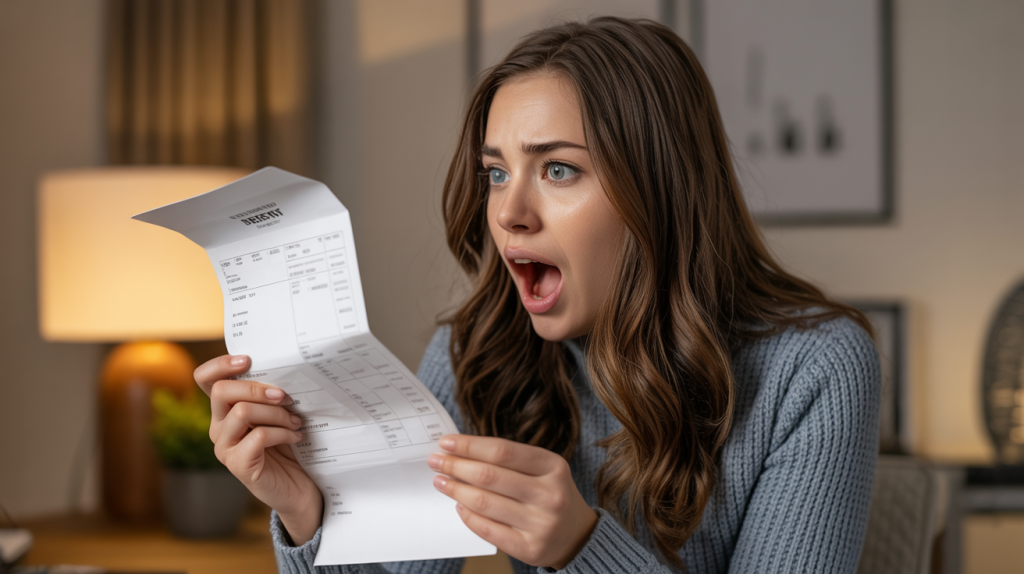
At first glance, it sounds illogical. Groceries should be cheaper. Cooking at home should save money. And yet, for millions of Americans, monthly spending on convenience food quietly surpasses grocery bills. This isn’t because people don’t know cooking is cheaper. It’s because real life doesn’t operate on spreadsheet logic.
Convenience food spending is the outcome of exhaustion, time scarcity, emotional coping, and systems designed to remove friction from spending—but not from earning. Let’s unpack this, layer by layer.
1. Time Is the Most Expensive Ingredient
In modern America, time has become a luxury item. Many adults work long hours, commute extensively, juggle caregiving responsibilities, and manage constant digital input. After all that, cooking dinner isn’t just an activity—it’s a multi-step project.
Cooking requires planning meals, checking what’s in the fridge, shopping, prepping ingredients, cooking, and cleaning up. Each step demands time and mental energy. When someone gets home at 7 or 8 p.m., that process feels unrealistic.
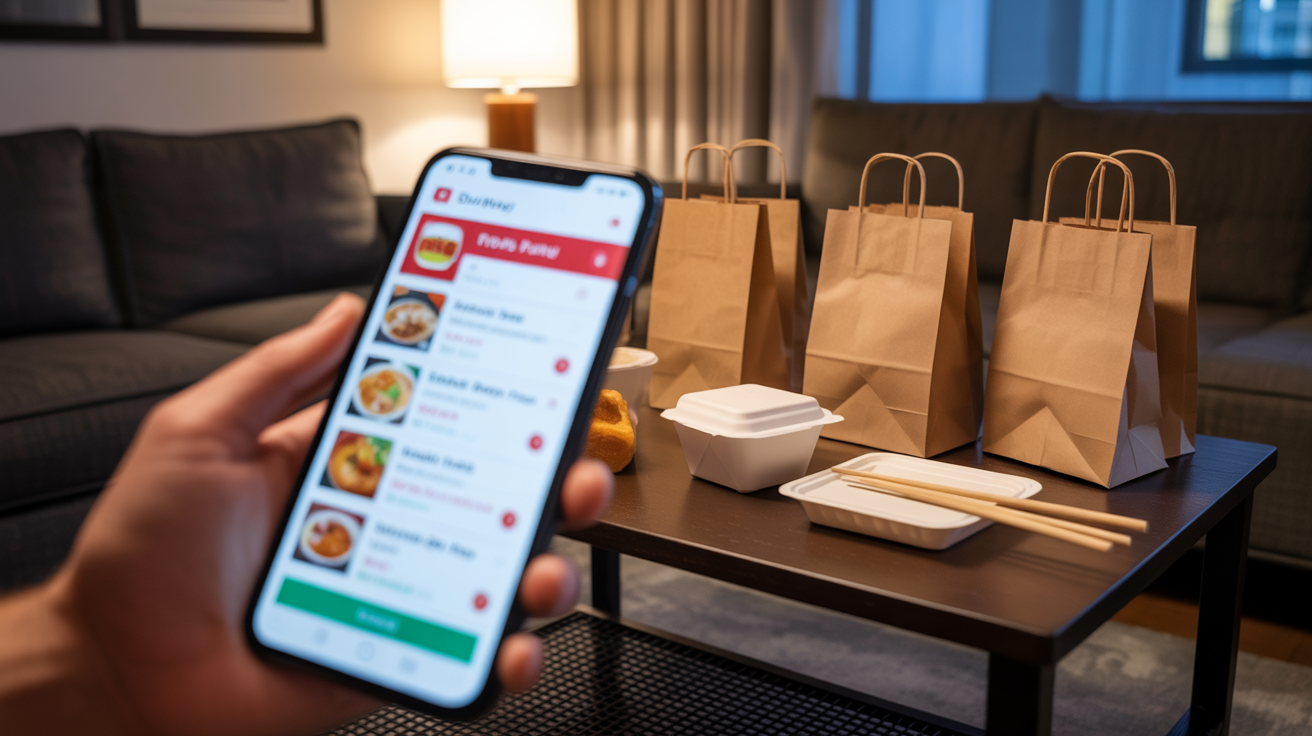
Convenience food shortcuts all of this. Ordering dinner means no planning, no prep, and no cleanup. Apps like Uber Eats and DoorDash don’t just sell food—they sell the feeling of being “done for the day.” Even if it costs more, it feels like a fair trade for rest.
2. Grocery Shopping Assumes an Ideal Version of Life
Most grocery budgets are built around an idealized routine: planned meals, consistent schedules, and steady motivation. Real life is rarely that predictable.
People shop with good intentions—buying produce, proteins, and ingredients for meals they plan to cook. But plans collide with fatigue, stress, unexpected obligations, or emotional overload. Suddenly, cooking feels like one task too many.
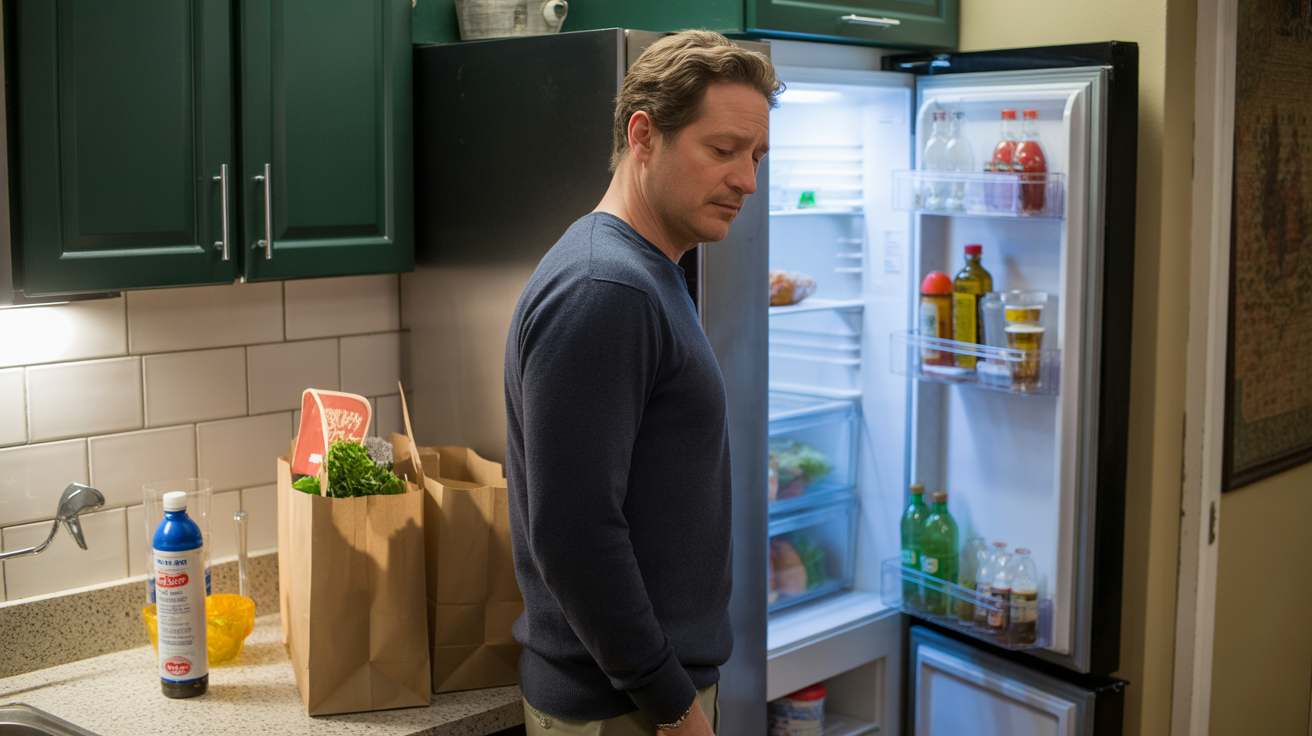
Groceries sit unused. Produce spoils. Leftovers go untouched. Eventually, ordering food feels justified because “the groceries are probably bad anyway.” Over time, this creates a frustrating cycle: groceries are purchased, wasted, and replaced by convenience food—driving overall food spending higher.
3. Convenience Food Is Built for Emotional Relief
Convenience food isn’t just fast—it’s emotionally engineered. Fast food and takeout are high in fat, sugar, and salt, triggering dopamine and comfort responses in the brain.
After a stressful or lonely day, the brain seeks immediate relief. Cooking requires effort before reward. Convenience food delivers reward instantly. That’s why people reach for it when they’re overwhelmed, sad, or mentally drained.
Over time, convenience food becomes associated not just with hunger, but with relief and safety. It’s no longer just dinner—it’s a coping mechanism. And coping mechanisms are rarely optimized for cost.
4. Portion Illusion Makes Spending Feel Smaller
A single $15 takeout meal doesn’t feel outrageous. A $120 grocery bill does—even if that grocery bill covers multiple meals.
This is because convenience food spending is fragmented. Small charges spread across days feel manageable. Groceries are paid for in one visible lump sum, which triggers more emotional resistance.
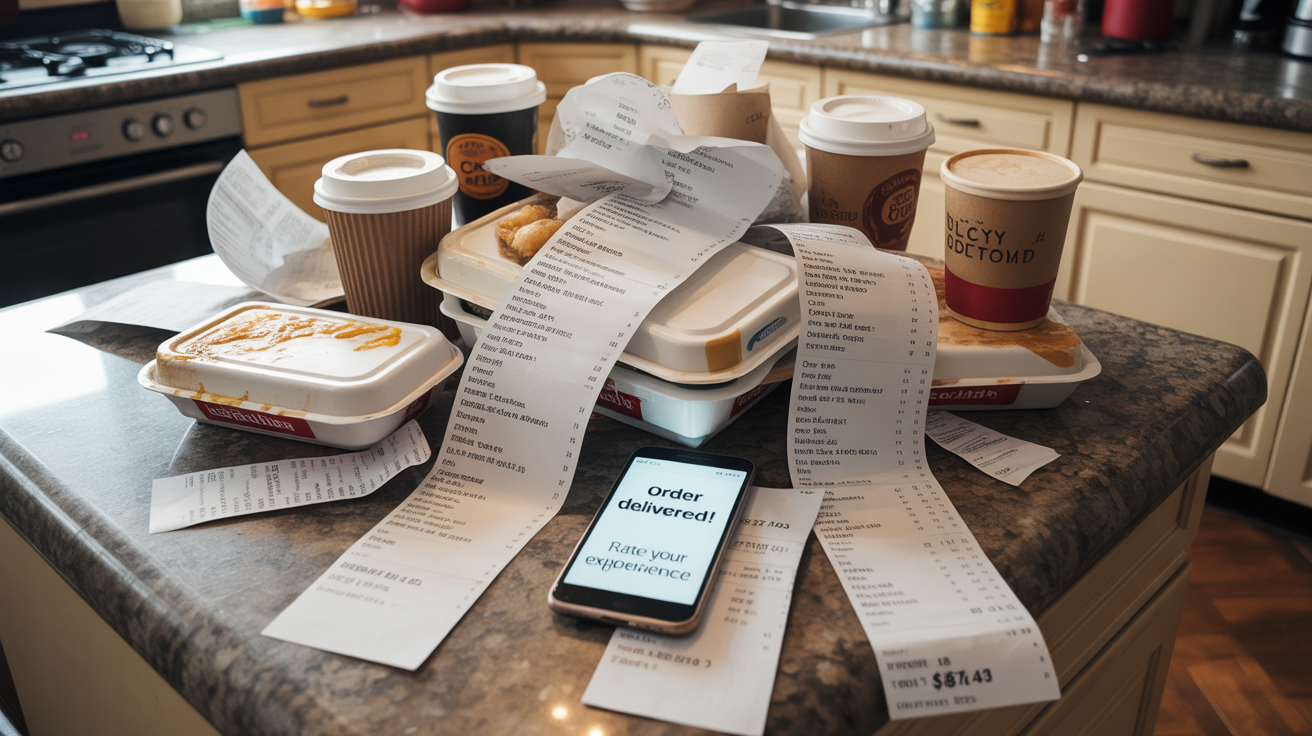
Psychologically, Americans underestimate how much they spend on delivery because it’s divided into dozens of small transactions. By the end of the month, the total often exceeds what groceries would have cost—but the spending never felt “big” in the moment.
5. Food Delivery Removed Spending Friction
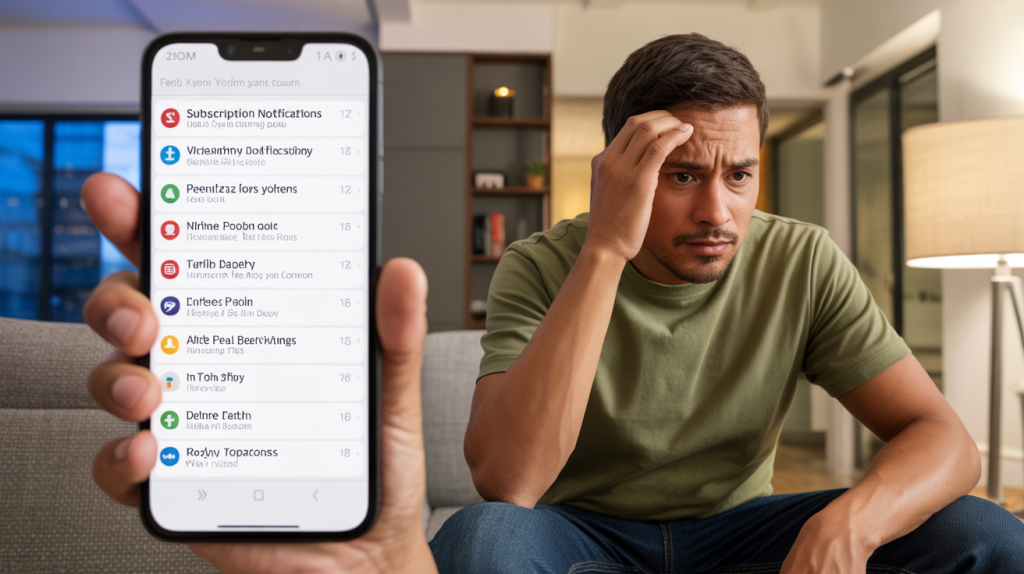
Food delivery used to involve phone calls, menus, and waiting. Today, it’s effortless. Apps store your payment information, suggest favorites, and push notifications at peak hunger times.
When spending requires no friction—no wallet, no typing, no pause—it stops feeling like spending. Promotions like “free delivery” or “$5 off” further reduce guilt, even when menu prices are inflated.
The result is habitual ordering. Not because people are careless, but because the system is designed to make restraint harder than indulgence.
6. Cooking Confidence Has Declined
Another overlooked factor is skill erosion. Many Americans never learned how to cook simple, flexible meals. Previous generations passed down cooking knowledge organically. Today, busy households, fragmented schedules, and reliance on packaged food disrupted that transmission.
When someone lacks cooking confidence, every meal feels risky. What if it tastes bad? What if ingredients are wasted? What if it takes too long?
Convenience food feels safer. You know exactly what you’ll get. Predictability becomes worth paying for—especially when budgets are already under stress.
7. Grocery Stores Now Sell “Convenience” at a Premium
Ironically, grocery stores themselves push consumers toward convenience. Pre-cut fruit, ready-made meals, marinated proteins, and heat-and-serve dishes line the aisles.
These items save time—but often cost nearly as much as restaurant food. Shoppers feel like they’re “being responsible” by buying groceries, but they’re still paying for convenience pricing.
This blurs the line between grocery spending and takeout spending, making food budgets harder to control and easier to exceed.
8. Social Norms Have Shifted Around Takeout
Ordering food multiple times a week no longer feels indulgent—it feels normal. Social media reinforces this through food hauls, delivery videos, and “what I ordered today” content.
Takeout is framed as self-care, a reward for surviving the day. Cooking, by contrast, is framed as effort or discipline. When behavior is socially validated, people stop questioning its cost.
This normalization plays a huge role in why convenience food spending keeps rising—even among people who want to save money.
9. Decision Fatigue Makes Food the Breaking Point
Food decisions are deceptively exhausting. Planning meals involves balancing budgets, nutrition, preferences, and schedules. For people already dealing with work stress and financial anxiety, food planning becomes the final straw.
Convenience food removes decision-making entirely. You don’t think—you scroll, tap, and eat. When mental energy is low, reducing decisions feels like survival, not indulgence.
That relief comes at a financial cost, but in the moment, it feels necessary.
10. Higher Spending Doesn’t Mean Higher Satisfaction
Ironically, spending more on convenience food often leads to less satisfaction. Many people feel guilt after ordering, stress when checking their bank account, and disappointment when the food doesn’t live up to expectations.
Yet the habit continues because it’s tied to relief, not enjoyment. It solves an immediate problem—hunger plus exhaustion—even if it creates a longer-term one.
How Americans Can Reduce Convenience Food Spending (Without Burning Out)
The solution isn’t cooking every meal from scratch. That’s unrealistic. The goal is strategic convenience, not constant convenience.
Helpful shifts include:
-
Keeping ultra-simple meals with 5 ingredients or fewer
-
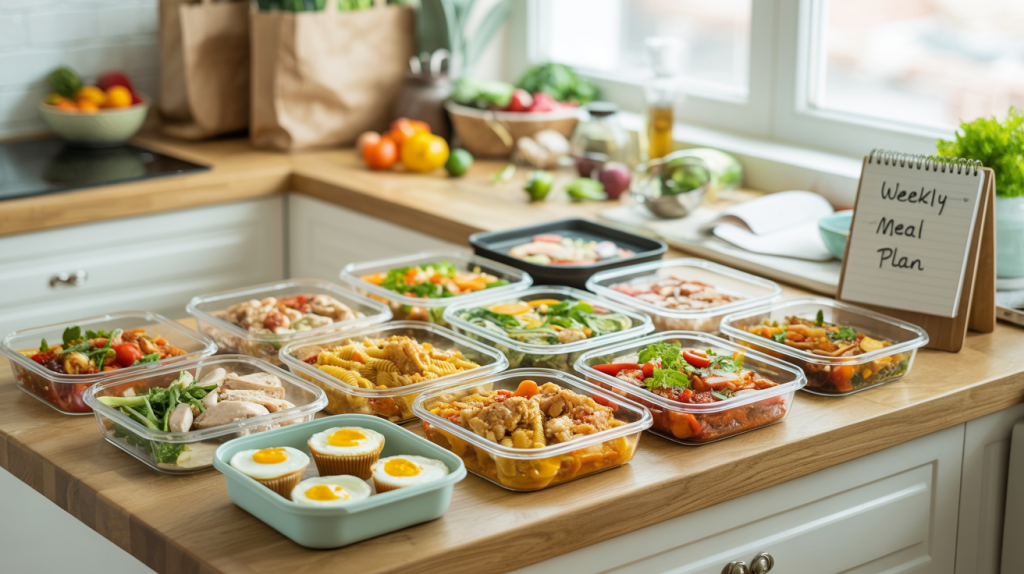
Cooking once and eating leftovers intentionally
-
Planning specific takeout nights instead of impulsive ones
-
Stocking freezer meals for low-energy days
-
Removing delivery apps from the home screen
These strategies reduce friction around cooking without demanding perfection.
Americans don’t overspend on convenience food because they’re irresponsible. They do it because modern life drains time, energy, and attention, and the food system is built to monetize that exhaustion.
When you understand the why, the guilt disappears. And once guilt is gone, smarter decisions become possible.
Convenience food spending isn’t a personal failure. It’s a predictable response to modern pressure—and predictable problems can be redesigned.
Read next: What the Average American Eats in a Week — and How Much It Actually Costs