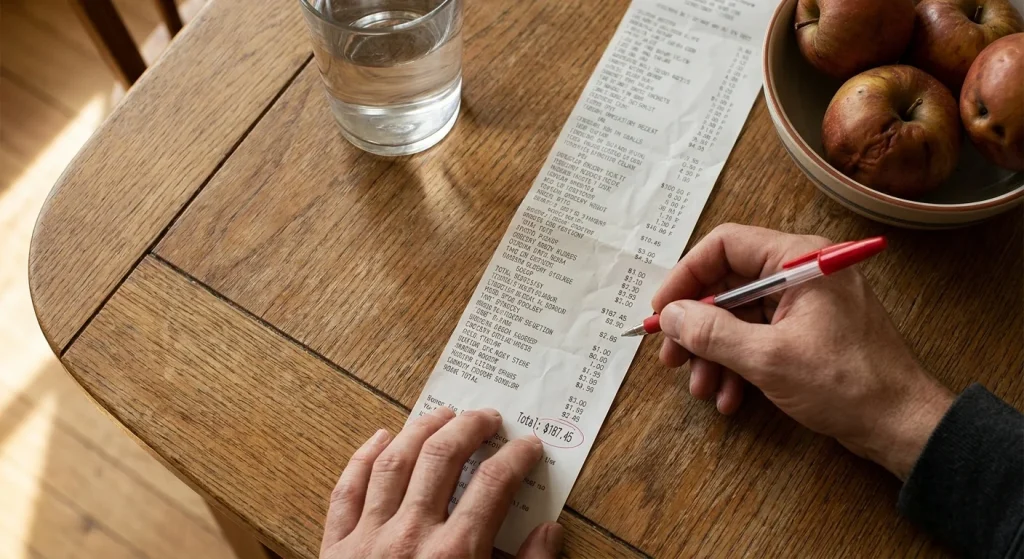
If you ask Americans where they save more money — Costco or their regular grocery store — you’ll get passionate answers on both sides.
Some swear Costco changed their finances forever.
Others insist it’s a money trap disguised as bulk savings.
So which is it?
The truth is more nuanced — and it depends less on prices and more on how Americans actually live, shop, and eat.
This article breaks down who really saves money at Costco, who doesn’t, and when a traditional grocery store is actually the smarter financial choice.

The Costco Promise: Buy More, Pay Less (In Theory)
Costco’s model is simple:
-
Pay an annual membership fee
-
Buy items in bulk
-
Get lower per-unit prices
On paper, this looks like a clear win. Lower cost per ounce, per roll, per serving.
But money savings don’t happen on paper. They happen in real kitchens, real pantries, and real budgets.
And that’s where things get interesting.
Membership Cost: The First Hidden Filter
Before you save a single dollar at Costco, you pay to enter.
-
Costco Gold Star Membership: ~$60/year
-
Executive Membership: ~$120/year
That fee alone means Costco is not automatically cheaper.
To break even, you need to:
-
Shop there consistently
-
Replace items you’d buy elsewhere anyway
-
Avoid waste
For someone who shops occasionally “just to check it out,” Costco often costs more, not less.
Bulk Buying Only Saves Money If You Use Everything
Costco’s biggest advantage is also its biggest risk.
Buying in bulk saves money only if:
-
You finish the product before it expires
-
You don’t overconsume just because it’s there
-
You don’t rebuy items you already have
Examples:
-
Toilet paper, paper towels, detergent → usually a win
-
Fresh produce, baked goods, dairy → often wasted
Many Americans overestimate how much they’ll realistically use — especially in smaller households.
A $6 bag of spinach isn’t cheaper if half of it ends up in the trash.
Household Size Matters More Than Store Choice
This is one of the most overlooked factors.
Costco tends to favor:
-
Families with 3+ people
-
Meal planners
-
People with storage space
-
Households with predictable routines
Grocery stores often work better for:
-
Singles
-
Couples
-
Seniors
-
People with small kitchens or limited freezer space
For a single person, buying bulk chicken breasts or giant snack packs often leads to:
-
Food fatigue
-
Waste
-
Impulse eating
In that case, paying slightly more per unit at a grocery store may actually save money overall.

The Grocery Store Advantage: Flexibility
Traditional grocery stores offer something Costco doesn’t: precision.
You can:
-
Buy exactly what you need
-
Adjust meals week to week
-
Avoid upfront bulk costs
-
Shop sales selectively
This matters for Americans living paycheck to paycheck.
Spending $250 in one Costco trip can feel “efficient,” but for many households, it disrupts cash flow — even if it lowers long-term costs.
Sometimes smaller, controlled spending wins psychologically and financially.
Impulse Spending: Costco’s Silent Budget Leak
Costco is famous for its treasure-hunt layout — and that’s not accidental.
You walk in for eggs and leave with:
-
A $20 candle
-
A seasonal snack
-
New kitchen tools
-
Clothes you didn’t plan to buy
These items aren’t overpriced — but they’re unplanned.
At a grocery store, impulse buys are usually:
-
Candy
-
Drinks
-
Small snacks
At Costco, impulse buys are expensive enough to cancel out savings.
If you’re prone to “this is a good deal, so why not?” thinking, Costco can quietly increase spending.
Unit Price vs Total Spend: The Key Difference
Costco wins on unit price.
Grocery stores often win on total spend control.
Example:
-
Costco: $0.08 per ounce, $18 total
-
Grocery store: $0.12 per ounce, $6 total
If you only needed $6 worth — the grocery store saved you money.
Many Americans confuse cheaper per unit with cheaper overall. They’re not the same.
Quality vs Waste: An Overlooked Cost
Costco is known for quality — especially with meat, seafood, and prepared foods.
But higher quality doesn’t equal higher savings if:
-
Portions are too large
-
Food spoils
-
Items don’t fit your diet
Throwing away premium food hurts more financially than discarding cheap items.
For seniors or smaller households, grocery stores offer portion control that prevents waste — a hidden form of savings.
Gas, Prescriptions, and Extras: Costco’s Strongest Argument
Where Costco truly shines:
-
Discounted gas
-
Pharmacy prices
-
Vision and hearing services
-
Rotisserie chicken (still one of the best deals in America)
For Americans who:
-
Drive a lot
-
Take regular prescriptions
-
Use these services consistently
The membership fee can pay for itself quickly — even before groceries enter the picture.
Time Is Money (And Costco Takes Time)
Costco trips are rarely quick.
They involve:
-
Longer drives
-
Bigger crowds
-
Larger carts
-
Longer checkout lines
For busy families, this may be fine. For seniors or time-strapped workers, the time cost matters.
A nearby grocery store with faster trips can be more practical — even if prices are slightly higher.
Who Costco Actually Saves Money For
Costco is usually a good financial move if you:
-
Have a larger household
-
Meal prep or freeze food
-
Stick to a list
-
Use gas and pharmacy perks
-
Avoid impulse buys
It’s less effective if you:
-
Live alone
-
Have limited storage
-
Shop emotionally
-
Prefer variety over volume

The Smartest Strategy: Use Both
For many Americans, the best solution isn’t Costco or grocery stores — it’s Costco plus grocery stores.
Use Costco for:
-
Non-perishables
-
Household essentials
-
Meat you can freeze
-
Gas and prescriptions
Use grocery stores for:
-
Fresh produce
-
Small quantities
-
Weekly flexibility
-
Sale-hunting
This hybrid approach often delivers the biggest savings with the least stress.
Final Verdict: There’s No Universal Winner
Costco doesn’t automatically save money.
Grocery stores aren’t automatically expensive.
Savings depend on:
-
Lifestyle
-
Household size
-
Discipline
-
Waste control
-
Cash flow
The real money win isn’t choosing the “right” store — it’s choosing the right strategy for your life.
If a store helps you stick to a plan, avoid waste, and feel in control, that’s where the real savings happen.
Read next: How to Budget When Money Is Tight